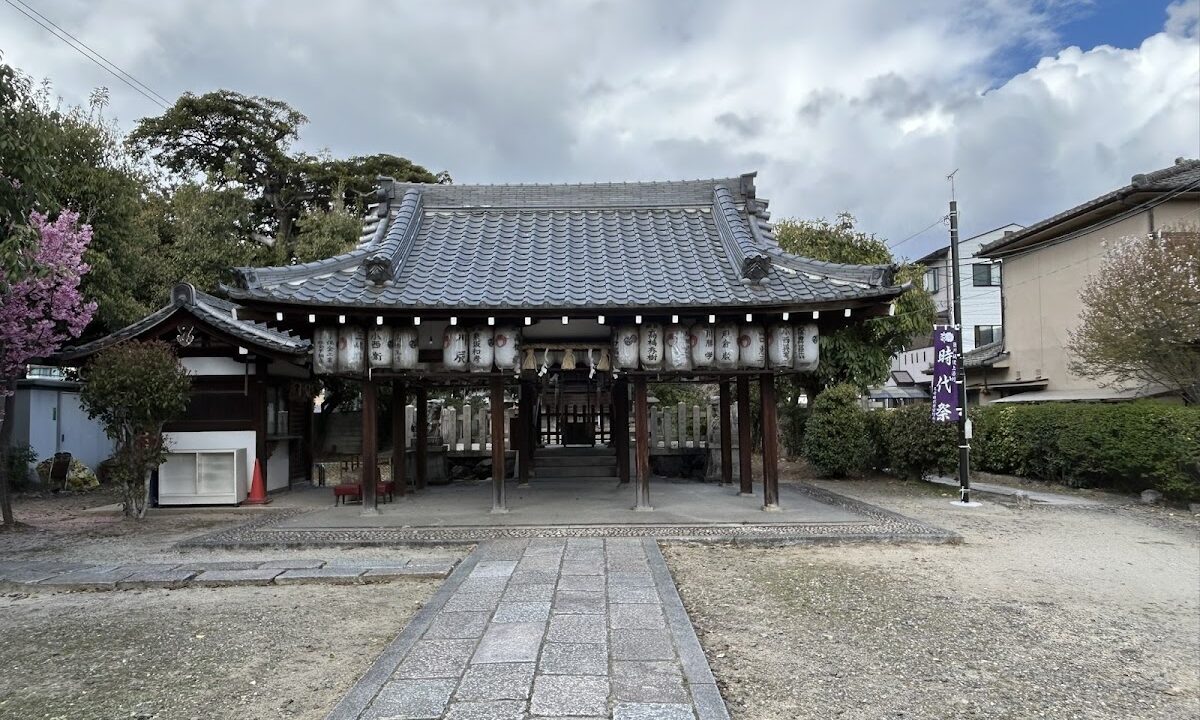
Ayato Kuninaka Shrine (Kyoto Prefecture) Complete Guide | Deep Connection to the Gion Festival and the Sacred Site of the Kuze Komagata Chigo
Ayato Kuninaka Shrine, located on the west bank of the Katsura River in Minami Ward, Kyoto City, is an ancient shrine that plays an important role in the Gion Festival. Despite its modern location directly beneath the Shinkansen elevated tracks, it boasts a history of nearly 1500 years and is known as a central figure in the Gion Festival alongside Yasaka Shrine. This article provides a detailed introduction to Ayato Kuninaka Shrine, including its history, enshrined deities, relationship with the Gion Festival, and information on visiting.
What is Ayato Kuninaka Shrine?
Ayato Kuninaka Shrine is located at 446 Kuze Kamikuze-cho, Minami Ward, Kyoto City, Kyoto Prefecture. Originally, it consisted of two independent shrines: Ayato Shrine and Kuninaka Shrine. Currently, they are merged, resulting in a unique structure with two doors within a single shrine building. To the left of the main shrine stands Ayato-gu, and to the right, Kuninaka-gu, each enshrining different deities.
Located on the west bank of the Katsura River, west of the Kuze Bridge, and directly beneath the elevated tracks of the Tokaido Shinkansen, this location creates a unique Kyoto landscape where a place of worship with a long history coexists with modern transportation infrastructure.
Deities and Divine Virtues
Deities of Ayato-gu
The following three deities are enshrined at Ayato-gu:
- Ōayatsuhi-no-kami
- Kamunaobi-no-kami
- Ōnaobi-no-kami
These deities are known as purification gods who cleanse and purify impurities. In particular, Ooyatsuhi-no-kami has the characteristics of a water deity that purifies the defilement caused by the flow of the Katsura River (Oi River), while Kaminaohi-no-kami and Ooyatsuhi-no-kami have been revered as gods that correct calamities and turn misfortune into fortune.
Deities enshrined at Kuninaka-no-miya
Kuninaka-no-miya enshrines the fierce spirit of Susanoo-no-Mikoto. Susanoo-no-Mikoto is also the principal deity of Yasaka Shrine, and this divine connection has created a deep bond between Ayato Kuninaka Shrine and the Gion Festival. The fierce spirit refers to the fierce and powerful aspect of a god, and is believed to possess powerful divine virtues that ward off calamities.
History and Origins
Founding and Ancient Beliefs
According to shrine tradition, Ayato Kuninaka Shrine was founded in the 15th year of Emperor Keitai’s reign (521 AD). Initially, it was called “Ōi-sha” (Ōi Shrine) as the purification deity of the seven streams of the Ōi River (Katsura River), and was a center of worship related to water transport and flood control on the Katsura River.
In ancient times, rivers were not only transportation routes but also places of purification where impurities were washed away. The Katsura River is an important river flowing through the Kyoto Basin, and it is thought that enshrining a purification deity on its west bank held significant meaning in maintaining the purity of the capital.
Renaming to Ayato-sha
In the 9th year of Tenryaku (955 AD), during the reign of Emperor Murakami, the 62nd emperor, Ōi-sha was renamed “Ayato-sha.” It is presumed that this renaming was due to the development of the shrine system by the imperial court at the time, as well as changes in local religious practices.
Kuninaka Shrine as a Shikinaisha (Shrine Listed in the Engishiki)
Kuninaka Shrine is an ancient shrine identified as the Shikinaisha “Kuninaka Shrine, Otokuni District, Yamashiro Province” listed in the Engishiki Jinmyōchō (Register of Shrines in the Engi Era). A Shikinaisha refers to a shrine listed in the Engishiki Jinmyocho, compiled in 927 during the mid-Heian period. This signifies a high-ranking shrine officially recognized by the imperial court.
Merger of Two Shrines
The exact date of the merger of Ayato Shrine and Kuninaka Shrine is unknown due to a lack of precise records. However, given their proximity and shared parishioners, it is believed they were integrated at some point during the medieval or early modern period. The current unique “one shrine building, two doors” style is a result of the integration while respecting the history and traditions of both shrines.
Deep Connection to the Gion Festival
The Gion Festival is a Joint Festival of Two Shrines
While the Gion Festival is generally known as the festival of Yasaka Shrine, it is actually a joint festival of both Ayato Kuninaka Shrine and Yasaka Shrine. This stems from the fact that both shrines enshrine Susanoo-no-Mikoto as their deity, preserving the tradition of the Goryo-e (spirit appeasement) from the Heian period, which is the origin of the Gion Festival.
The Role of the Kuze Komagata Chigo
In the Gion Festival, the most important role played by Ayato Kuninaka Shrine is the selection of the “Kuze Komagata Chigo.” While the “Naginata Hoko Chigo,” selected from the Yasaka Shrine side, often receives attention in the Gion Festival, the Kuze Komagata Chigo are equally important.
There are two Kuze Komagata Chigo, both selected from among the parishioners of Ayato Kuninaka Shrine. These children are considered to be incarnations of the fierce spirit of Susanoo-no-Mikoto, and they play a sacred role in leading the portable shrine during the Shinko-sai (procession of the deity) and Kanko-sai (return procession) of the Gion Festival.
Role in the Shinkosai and Kankosai Festivals
On July 17th, during the Shinkosai festival, three portable shrines depart from Yasaka Shrine and proceed to the Shijo Otabisho (temporary shrine). During this time, the Kuze Komagata Chigo rides a horse, carrying a horse-shaped sacred object called a “Komagata” on their chest, leading the portable shrines. Similarly, on July 24th, during the Kankosai festival, they guide the portable shrines back from the Otabisho to Yasaka Shrine.
This Komagata is believed to house the fierce spirit of Susanoo-no-Mikoto, and the Chigo is considered sacred as a vessel for the god. Therefore, the Kuze Komagata Chigo undergoes strict purification rituals throughout the festival period and is not permitted to touch the ground with their feet.
Uniqueness of Ayato Kuninaka Shrine in the Gion Festival
While the Naginata Hoko Chigo attracts attention as a “living child” during the Yamahoko procession, the Kuze Komagata Chigo functions as an incarnation of the god itself during the portable shrine procession. This difference in roles demonstrates that the Gion Festival is built upon a multi-layered foundation of faith and tradition.
Highlights of the Shrine Grounds
Features of the Shrine Building
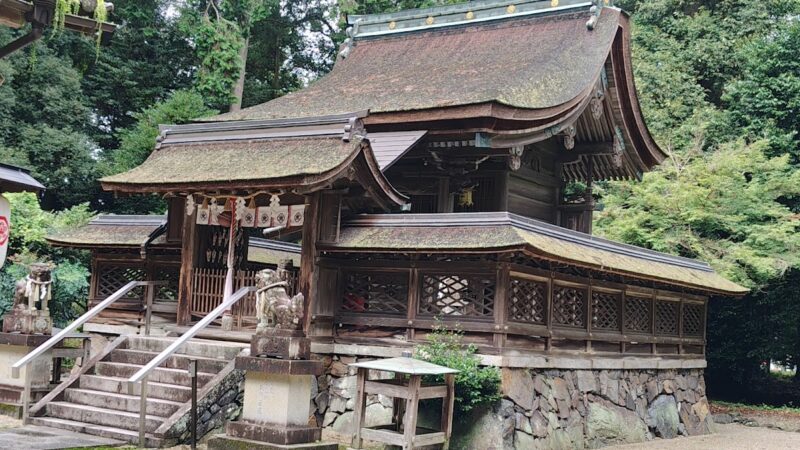
The shrine building of Ayato Kuninaka Shrine has a unique structure with two doors in a single building. The left door corresponds to Ayato-gu Shrine, and the right door corresponds to Kuninaka-gu Shrine, with different deities enshrined in each. This form is a result of integrating the history and traditions of the two shrines while respecting them, and is a rare and valuable architectural style.
Torii Gate and Approach
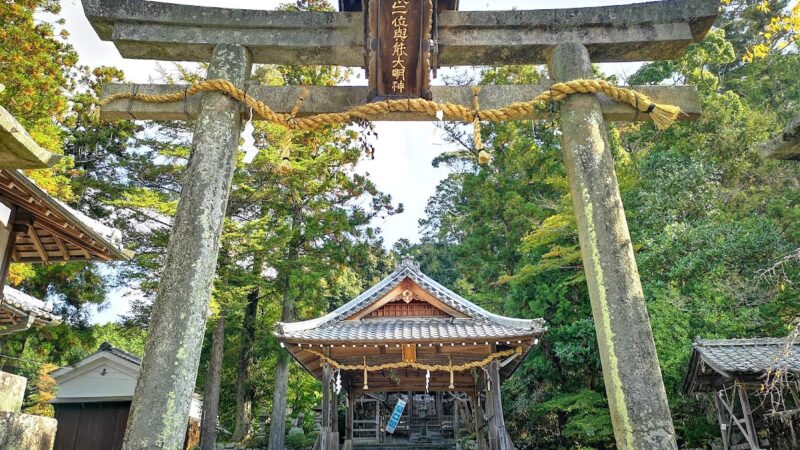
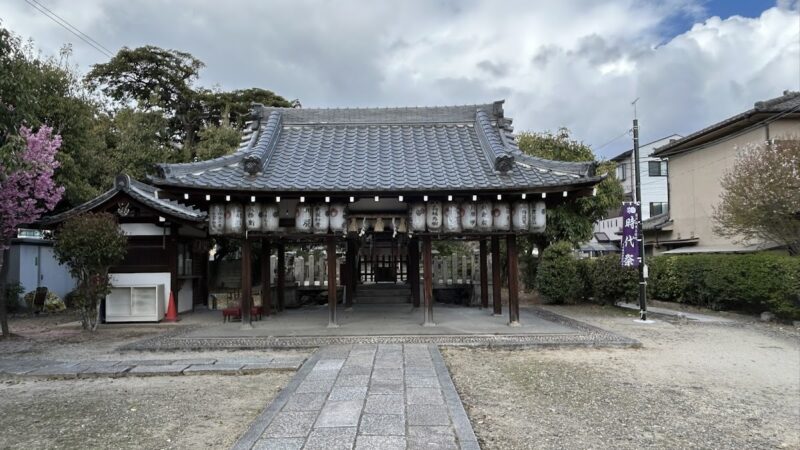
A torii gate stands within the shrine grounds, and an approach path leads to the shrine building. Despite its location close to the Shinkansen elevated tracks, the grounds maintain a tranquil atmosphere, making it a valuable space of worship in the increasingly urbanized southern Kyoto.
Subsidiary Shrines and Stone Monuments
In addition to the main shrine building, several subsidiary shrines and stone monuments are located within the grounds. These are evidence of the faith of the local people throughout its long history and are important cultural assets that tell the history of the Kuze region.
Access and Visiting Information
Location
Address: 446 Kuze Kamikuze-cho, Minami-ku, Kyoto City, Kyoto Prefecture
Transportation Access
Access by Train:
- Approximately 7 minutes on foot (approx. 516m) from Katsuragawa Station on the JR Tokaido Main Line (Biwako Line)
- Approximately 10 minutes on foot from Rakusaiguchi Station on the Hankyu Kyoto Line
Access by Car:
- Approximately 10 minutes from Kyoto Minami IC on the Meishin Expressway
- We recommend checking parking availability in advance.
Visiting Hours
While the shrine grounds are generally open for free visits, the office hours may be limited. If you wish to obtain a Goshuin (shrine stamp) or amulet, we recommend checking by phone in advance.
Phone Number: 075-921-3388
Points to Note When Visiting Ayato Kuninaka Shrine
When visiting Ayato Kuninaka Shrine, it is recommended to be mindful that the two shrines each enshrine different deities, and to respectfully pay your respects at both entrances. Furthermore, visiting during the Gion Festival (July) allows you to experience a special atmosphere related to the Kuze Komagata Chigo (child attendant).
Annual Festivals and Events
Major Festivals
Ayato Kuninaka Shrine holds various festivals throughout the year:
- Annual Festival: The most important festival of the shrine, held every October.
- Gion Festival Procession: July 17th, the Kuze Komagata Chigo (child attendants) lead the portable shrine.
- Gion Festival Return Procession: July 24th, the children lead the portable shrine back to Yasaka Shrine.
- Monthly Festival: Festivals held regularly every month.
Selection and Preparation of the Kuze Komagata Chigo
The Kuze Komagata Chigo are selected each year from among the parishioners of Ayato Kuninaka Shrine. After selection, the children and their families undergo several months of preparation and purification rituals in preparation for the festival. This tradition has continued for hundreds of years and is cherished as a source of local pride.
Nearby Attractions
Katsura River and Kuze Bridge
The Katsura River, which flows very close to Ayato Kuninaka Shrine, has long been known as an important river in Kyoto. From Kuze Bridge, you can enjoy views of the Katsura River and the surrounding scenery, making it a great place to stroll around in conjunction with your visit to the shrine.
Aeon Mall Kyoto Katsuragawa
This large commercial facility is adjacent to JR Katsuragawa Station, allowing you to enjoy meals and shopping before or after your visit to the shrine. It represents a characteristic landscape of southern Kyoto, where ancient shrines and modern commercial facilities coexist.
Relevance to the Kyoto Examination
Ayato Kuninaka Shrine is included in the scope of the Kyoto Examination (Kyoto Tourism and Culture Examination). The following points are particularly important:
- The role of the Kuze Komagata Chigo in the Gion Festival
- The history of the merger of two shrines and the form of a single shrine with two doors
- The status of Kuninaka Shrine as a Shikinaisha (shrine listed in the Engishiki)
- The belief in it as a purification deity of the Katsura River
- The significance of enshrining the fierce spirit of Susanoo-no-Mikoto
For those aiming for the Kyoto Examination Level 1 or 2, it is important to have a deep understanding of the relationship between Ayato Kuninaka Shrine and the Gion Festival, especially the role of the Kuze Komagata Chigo.
Cultural Value of Ayato Kuninaka Shrine
A Shrine that Conveys the Essence of the Gion Festival
The Gion Festival is Kyoto’s largest festival, attracting many tourists from both Japan and abroad, but its essence lies in the Goryo-e (a ritual praying for the eradication of plagues). The existence of Ayato Kuninaka Shrine and the Kuze Komagata Chigo conveys to the present day the depth of faith behind the magnificent Yamahoko procession.
Center of the Local Community
In the Kuze region, Ayato Kuninaka Shrine is not merely a tourist attraction, but the center of faith and pride for the local residents. Producing the Kuze Komagata Chigo (child attendant) is considered a local honor, and parishioners have continued this tradition for generations.
Inheritance of Water Deity Worship
The worship of the shrine as the purifying deity of the Katsura River carries on a form of water deity worship that has continued since ancient times. Even in modern times, with advanced flood control technology, the reverence and gratitude for the power of nature is passed down as the raison d’être of this shrine.
Points to Note and Manners When Visiting
Basic Worship Etiquette
- Bow before passing through the torii gate.
- Cleanse your hands and mouth at the water basin.
- Bow twice, clap twice, and bow once in front of the shrine building.
- Worship respectfully at each of the two shrines.
Regarding Photography
Photography is generally permitted on the shrine grounds, but may be restricted during festivals or special events. Furthermore, consideration should be given to avoiding inconveniencing other worshippers.
Visiting the Shrine During the Gion Festival
During the Gion Festival in July, especially before and after the Shinkosai and Kankosai processions, the shrine becomes crowded with many worshippers and related personnel. If you visit during this time, it is recommended to allow ample time for your visit.
Summary
Ayato Kuninaka Shrine is a historical shrine located on the west bank of the Katsura River in Minami Ward, Kyoto City. It is a merger of two shrines, Ayato Shrine and the Shikinaisha (a shrine listed in the Engishiki), and currently has a unique form with one shrine building and two doors.
Its most notable feature is its important role in the Gion Festival, alongside Yasaka Shrine. In particular, the Kuze Komagata Chigo, a sacred figure who leads the portable shrine as an incarnation of the fierce spirit of Susanoo-no-Mikoto, is chosen from the parishioners of Ayato Kuninaka Shrine. This tradition continues to convey the spirit of the Goryo-e (a ritual to ward off disease), which is the essence of the Gion Festival.
Founded in 521 AD during the reign of Emperor Keitai as a purification deity of the Katsura River, this shrine boasts a history of nearly 1500 years and has remained a center of local faith. Despite its modern location beneath the elevated Shinkansen tracks, Ayato Kuninaka Shrine continues to uphold ancient faith and tradition, symbolizing the depth of Kyoto’s history and the multifaceted nature of its culture.
For those visiting Kyoto who wish to experience the profound faith behind the splendor of the Gion Festival, or who desire to visit an ancient shrine with the status of a Shikinaisha (a shrine listed in the Engishiki, an ancient Japanese legal code), a visit to Ayato Kuninaka Shrine is highly recommended.