Complete Guide to Ise-Mukou Shrine (Kyoto Prefecture) | History, Deities, and Access Information
About Ise-Mukou Shrine
Ise-Mukou Shrine is a Shinto shrine located at 51 Yodoshimotsu-cho, Fushimi-ku, Kyoto City, Kyoto Prefecture. Among the many shrines in Kyoto Prefecture, it is known as a shrine belonging to the Ise lineage and is a historical shrine with deep ties to Ise Grand Shrine.
Fushimi-ku in Kyoto City has historically flourished as a transportation hub of the Yodo River system, and Ise-Mukou Shrine has been cherished by local residents as the center of faith in this area. The character “向” (mukai) in the shrine’s name is thought to originate from the fact that it was built facing the direction of Ise Grand Shrine, or that it was founded as a place for worshipping Ise Grand Shrine from afar.
Deities of Ise-Mukou Shrine
The deities enshrined at Ise-Mukou Shrine are the same as those of Ise Grand Shrine, centering on Amaterasu Omikami. Amaterasu Omikami is the supreme deity in Japanese mythology and has been revered as the ancestral deity of the Imperial family.
As a shrine of the Ise lineage, it is believed to have been founded by inviting a divided spirit from Ise Grand Shrine, and is considered a guardian deity of the region, offering divine blessings for abundant harvests, family safety, and business prosperity.
History and Origins of Ise-Mukai Shrine
Background of Founding
While there are no clear records regarding the founding date of Ise-Mukai Shrine, it is believed to have begun after the Middle Ages, when Ise faith spread throughout Japan, and the people of this region deepened their faith in Ise Grand Shrine and invited the deities of Ise to their local area.
The Yodo area of Fushimi Ward, Kyoto City, has long developed as a transportation hub utilizing the Yodo River’s water transport. Because visiting Ise Grand Shrine was not easy for the people of this area, they established shrines to enshrine the deities of Ise in their local area, thus maintaining their daily religious practices.
Connection to the Community
Ise-mukai Shrine has long been revered by local residents as the tutelary shrine of the Yodo-Shimotsu area. During the Edo period, it is said to have been bustling with people praying for abundant harvests and business prosperity, coinciding with the development of agriculture and commerce in the region.
Even during the Meiji-era reforms of the shrine system, it was positioned as an important local shrine and has been preserved as a center of local faith to this day.
Characteristics as an Ise-affiliated Shrine
Spread of Ise Faith
Ise-affiliated shrines exist throughout Japan. This is a result of the widespread reverence for Ise Grand Shrine, which was the center of Japanese faith. Especially during the Edo period, “pilgrimages to Ise” became extremely popular among common people, and shrines dedicated to the gods of Ise were built in various locations for those who could not directly visit Ise Grand Shrine.
In addition to Ise-mukai Shrine, several other Ise-affiliated shrines exist within Kyoto Prefecture. For example, Hyuga Grand Shrine in Yamashina Ward, Kyoto City, is known as “Kyoto’s Ise Shrine” and features shrine buildings modeled after the Inner and Outer Shrines of Ise Grand Shrine. Similarly, Iseda Shrine in Uji City is also an Ise-affiliated shrine that enshrines Amaterasu Omikami as its principal deity.
The Position of Ise Faith in Shinto
In Shinto, Ise Grand Shrine is considered the most important sacred site. Composed of the Inner Shrine (Kotai Jingu), which enshrines Amaterasu Omikami, and the Outer Shrine (Toyouke Daijingu), which enshrines Toyouke Omikami, it has been positioned as the center of Japanese spiritual culture.
Ise-affiliated shrines have played a significant role in the spread of Shinto faith as places where the divine virtues of Ise Grand Shrine can be revered in various locations. Isemukai Shrine, located in Fushimi Ward, Kyoto City, is also an important base where Ise faith can be felt firsthand.
Grounds and Facilities of Ise-Mukai Shrine
Features of the Shrine Building
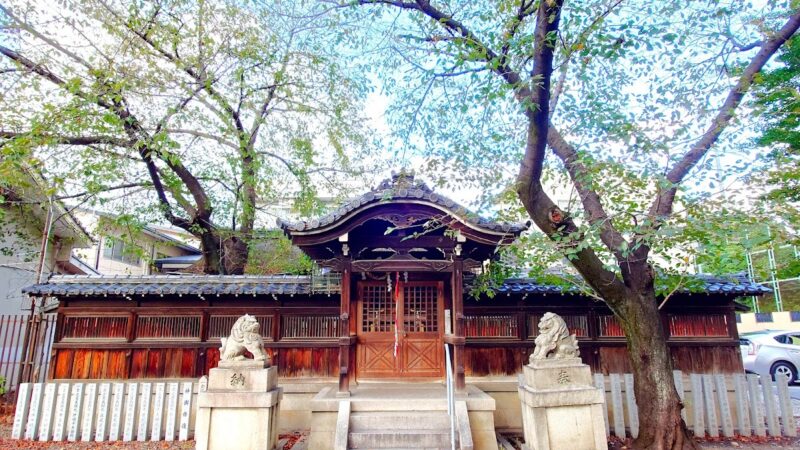
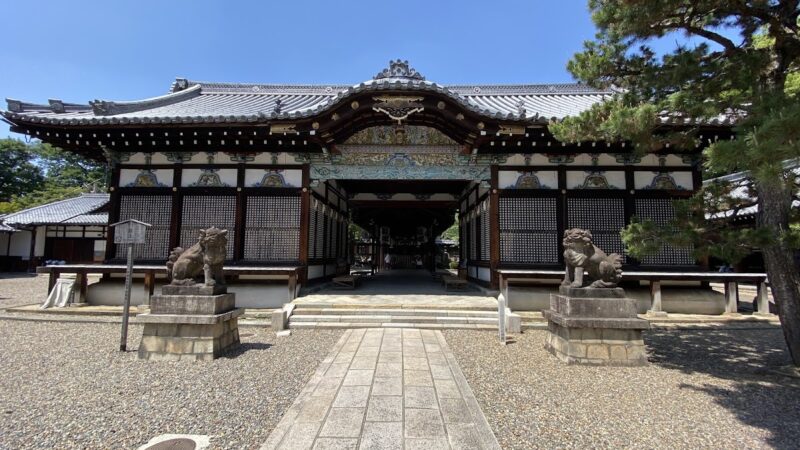
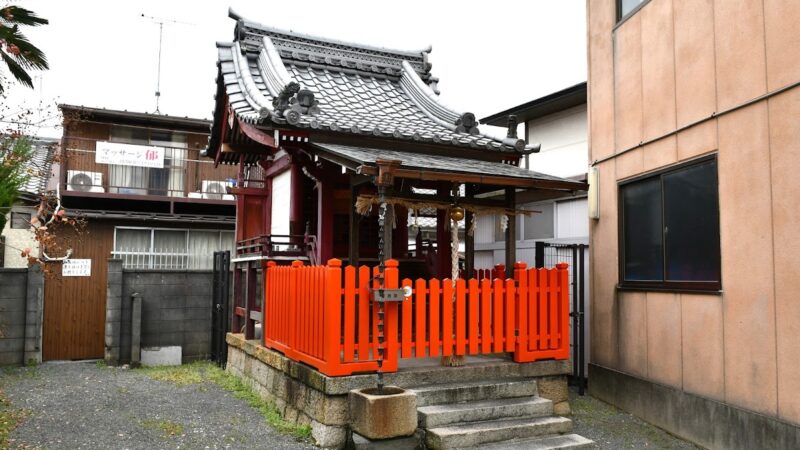
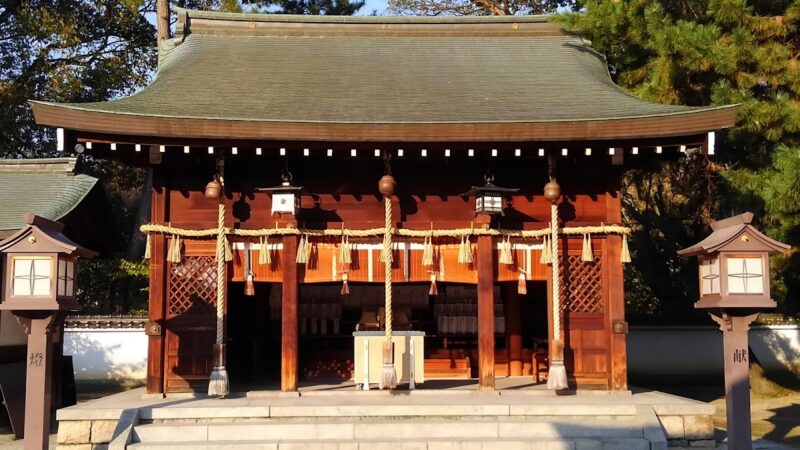
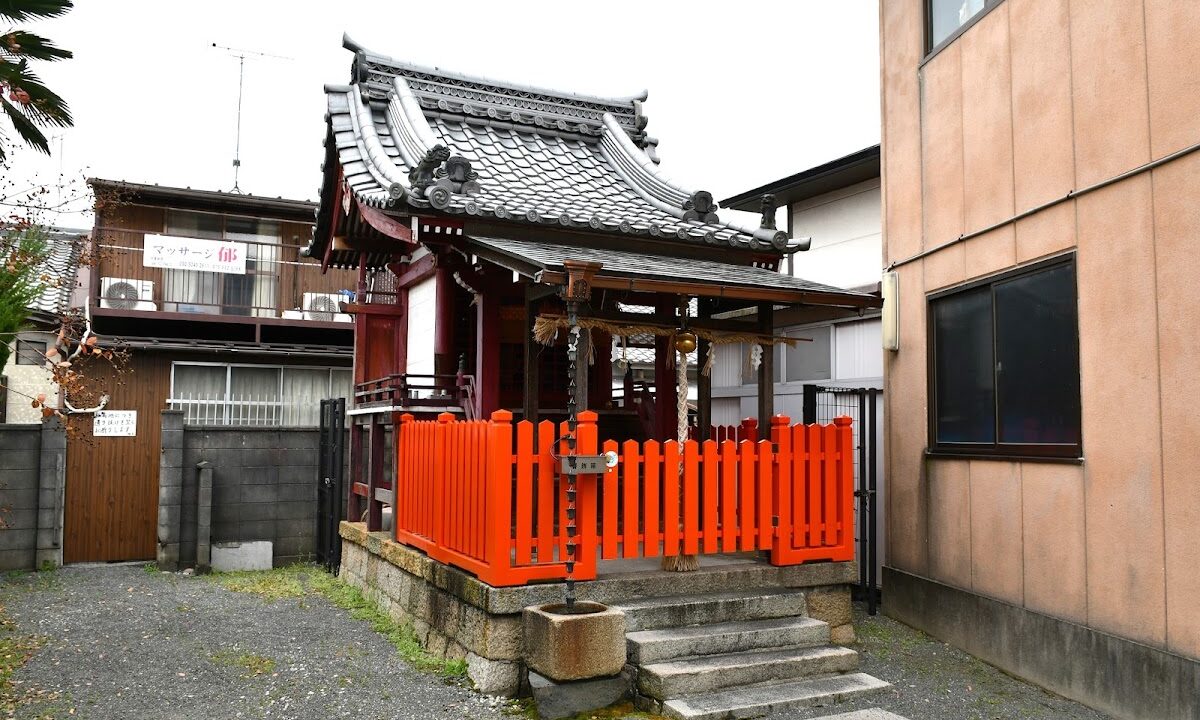
The shrine building of Ise-Mukai Shrine maintains the traditional style of shrine architecture. While not large in scale, its appearance reflects a history of being carefully maintained by the faith of the local people.
The grounds have a quiet and peaceful atmosphere, and despite being in an urban area, one can feel a sacred air. Visitors can find peace of mind in this tranquil space during their worship.
Highlights of the Grounds
Besides the main shrine building, the grounds have basic facilities such as a purification fountain. Although the surrounding area is residential, stepping onto the grounds reveals a sacred space far removed from the hustle and bustle of everyday life.
In particular, given the shrine’s nature of worshipping Ise Grand Shrine from afar, the orientation and placement of the main shrine building are thought to hold significant meaning. Reflecting on this historical background during your visit will lead to a deeper worship experience.
Access to Ise-Mukai Shrine
Location
Address: 51 Yodo-Shimotsu-cho, Fushimi-ku, Kyoto City, Kyoto Prefecture 613-0905
Access by Public Transportation
Ise-Mukai Shrine can be accessed from within Kyoto City using public transportation.
Using Keihan Railway:
- Get off at Yodo Station on the Keihan Main Line, approximately 10-15 minutes on foot.
- Yodo Station is the central station of the Yodo area in Fushimi-ku, Kyoto City, and the shrine is accessible on foot through residential areas.
Using JR:
- Take a local bus from Nagaokakyo Station or Mukomachi Station on the JR Tokaido Main Line.
- However, using the Keihan Railway is more convenient.
Access by Car
If visiting by car, the following route is convenient.
- Approximately 15-20 minutes from the Kyoto Minami Interchange on the Meishin Expressway
- Accessible from National Route 1
Regarding parking, due to the size of the shrine, dedicated parking may be limited, so we recommend using public transportation. We recommend checking with the Kyoto Prefectural Shrine Association or local information before visiting.
Shrine Culture in Fushimi Ward, Kyoto City
Historical Background of Fushimi Ward
Fushimi Ward in Kyoto City is a historical area that developed as a castle town of Fushimi Castle, built by Toyotomi Hideyoshi. It has also long been a center of logistics and transportation, as a key point for water transport on the Yodo River system.
In addition to Ise-mukai Shrine, many other historically significant shrines are located in this area. Shrines such as Gokogu Shrine, Fujimori Shrine, and Jonan-gu Shrine, each with its own unique history and beliefs, are scattered throughout the area, making Fushimi Ward in Kyoto City known as a region rich in shrine culture.
Major Shrines in Fushimi Ward
The following are some of the notable shrines in Fushimi Ward, Kyoto City:
Gokonomiya Shrine: One of Fushimi’s representative shrines, known as the god of safe childbirth. It is also a shrine associated with Toyotomi Hideyoshi and is characterized by its beautiful shrine buildings.
Fujinomori Shrine: An ancient shrine revered as the god of victory and horses. Many people involved in horse racing visit, and the Fujinomori Festival on May 5th each year attracts many worshippers.
Jonangu Shrine: Famous as a shrine for warding off evil, it was founded as a shrine to protect the south of the capital during the Heian period. It is also known as a famous spot for weeping plum trees and camellias.
Yodo Shrine: A central shrine in the Yodo area, an ancient shrine listed in the Engishiki (ancient Japanese legal code). It is located in the same Yodo area as Ise-mukai Shrine.
Misu Shrine: The tutelary shrine of the Misu area in Fushimi Ward, Kyoto City, and a center of local faith.
Each of these shrines has its own unique characteristics, and when visiting Fushimi Ward in Kyoto City, you can enjoy a shrine pilgrimage visiting several of them.
Attractions around Ise-mukai Shrine
Historical Spots in the Yodo Area
The Yodo area, where Ise-mukai Shrine is located, has many other historical spots.
Yodo Castle Ruins: The site of Yodo Castle, built during the Edo period, is now maintained as Yodo Castle Ruins Park. It is also known as a famous cherry blossom viewing spot, and is bustling with many visitors in spring.
Yodo Racecourse: A racecourse of the Japan Racing Association (JRA), also known as Kyoto Racecourse. Many horse racing fans visit on race days.
Fushimi’s Sake Brewery Culture
Fushimi Ward in Kyoto City is famous as one of Japan’s leading sake-producing regions. Fushimi’s groundwater is high-quality soft water, ideal for sake brewing, and many sake breweries, such as Gekkeikan and Kizakura, line the streets.
After visiting the shrine, you can enjoy a tour of Fushimi’s sake breweries and sake tasting. Fushimi’s sake breweries also have excellent facilities for tourists, allowing you to learn about Japanese sake culture.
Manners and Etiquette for Visiting Shrines
Basic Etiquette for Visiting Shrines
When visiting Ise-mukai Shrine, please observe the following basic etiquette.
- When passing through the torii gate: Bow before entering the shrine grounds.
- Purification at the water basin: Purify your left hand, then your right hand, then your mouth, and finally the handle of the ladle.
- Worship: The basic procedure is two bows, two claps, and one bow.
- First, bow deeply twice.
- Clap your hands twice.
- Finally, bow deeply once.
- Departure: When leaving the torii gate, turn around and bow once.
Worship unique to Ise-affiliated shrines
At Ise-affiliated shrines, it is important to worship with reverence for Ise Grand Shrine. With gratitude to Amaterasu Omikami, pray for daily safety, the health of your family, and peace in your community.
Annual events and festivals
Annual festivals and events
Ise-Mukai Shrine holds various festivals and Shinto rituals throughout the year. For detailed schedules, we recommend checking with the Kyoto Prefectural Shrine Association or local information sources.
Generally, Ise-affiliated shrines often hold the following annual events:
- New Year’s Day Festival: A Shinto ritual to welcome the new year
- Spring Festival: Celebrating the arrival of spring and praying for a bountiful harvest
- Summer Purification Ceremony: A Shinto ritual to cleanse away the sins and impurities accumulated over the past six months
- Autumn Festival: A festival to give thanks for the harvest
- Niiname-sai (Harvest Festival): An important festival to offer the new harvest to the gods
Connections with the Community
The festivals of Ise-Mukai Shrine are primarily organized by local residents. As the local tutelary shrine, traditional festivals have been preserved through the cooperation of neighborhood associations and local people.
On festival days, local people gather, and events such as portable shrine processions and offering ceremonies may take place. These festivals also play an important role in strengthening the bonds of the local community. ## List of Ise-related Shrines in Kyoto Prefecture
Besides Ise-mukai Shrine, there are several other Ise-related shrines in Kyoto Prefecture.
Ise-related Shrines in Kyoto City
Himukai Daijingu: Located in Yamashina Ward, Kyoto City, it is affectionately known as “Kyoto’s Ise-san.” It has shrine buildings modeled after the Inner and Outer Shrines and enshrines Amaterasu Omikami. It also has a cave called Ama-no-Iwato, making it a popular power spot.
Iseda Shrine: Located in Iseda-cho, Uji City, Kyoto Prefecture, this is a Shikinaisha (shrine listed in the Engishiki) that enshrines Amaterasu Omikami as its main deity. The place name “Iseda” is also thought to originate from this shrine.
Moto-Ise Shrines in Northern Kyoto Prefecture
Moto-Ise Kono Shrine: This ancient shrine is located near Amanohashidate in Miyazu City, Kyoto Prefecture. It is called “Moto-Ise” (original Ise) because of a legend that Amaterasu Omikami and Toyouke Omikami, enshrined at Ise Grand Shrine, were moved from this location to Ise. It is a highly prestigious shrine, the Ichinomiya (first-ranked shrine) of Tango Province.
Moto-Ise Kono Shrine was designated the Ichinomiya of Tango Province in 719 AD (Yoro 3), and is a historically significant shrine listed as a Myojin Taisha (a major shrine) in the Engishiki (an ancient Japanese legal code). It is also known as an important tourist spot in the Kyoto by the Sea area.
Other Ise-related Shrines
Shrines based on Ise faith and those enshrining Amaterasu Omikami are scattered throughout Kyoto Prefecture, including Mukō City, Nagaokakyo City, and Kyotanabe City. These shrines have served as centers of Ise faith in their respective regions, attracting the devotion of local residents.
Divine Virtues and Faith at Ise-Mukai Shrine
Main Divine Virtues
Ise-Mukai Shrine is believed to possess the following divine virtues:
- National Peace and Security: Amaterasu Omikami is the ancestral deity of the Imperial Family and protects the peace and stability of the nation.
- Abundant Harvest: As the god of agriculture, she brings abundant harvests.
- Family Safety: She protects the health and happiness of the family.
- Business Prosperity: She promotes the development of businesses and the prosperity of trade.
- Protection from Misfortune: She wards off disasters and protects peaceful days.
Faith in Modern Times
Even in modern times, Ise-Mukai Shrine functions as a center of faith for the local people. People visit the shrine at important life events such as New Year’s visits, Shichi-Go-San (a traditional rite of passage for children), and for protection against misfortune.
Furthermore, it is a place cherished by local residents as a place to express gratitude for their peaceful daily lives and pray for the safety of their families and communities. Even amidst increasing urbanization, these local shrines continue to play a vital role as spiritual havens for people.
Points to Note and Useful Information for Visiting
Best Time to Visit
Ise-Mukai Shrine is open for visits throughout the year, but the following times are especially recommended:
- Hatsumode (January 1st-3rd): Many visitors come to offer prayers for the new year.
- Spring Festival: Experience local festivals.
- Autumn Festival: Witness traditional events giving thanks for the harvest.
Attire for Visiting
While everyday clothing is acceptable, please be mindful that it is a sacred place and aim for clean, understated attire. Avoid revealing or overly flashy clothing.
Photography
Photography is generally permitted on the shrine grounds, but please note the following:
- Photography inside the main shrine may be prohibited.
- When taking photos during festivals, please be considerate so as not to disrupt the religious ceremony.
- Please be respectful of the privacy of other worshippers.
- Please refrain from using flash photography.
About Goshuin (Shrine Seals)
Some shrines offer Goshuin, but it is recommended to check in advance whether Ise-mukai Shrine offers them. Smaller shrines may not have resident priests, so it is advisable to inquire with the Kyoto Prefectural Shrine Association.
Relationship with the Kyoto Prefectural Shrine Association
Ise-mukai Shrine is a shrine registered with the Kyoto Prefectural Shrine Association. The Kyoto Prefectural Shrine Association is an organization that oversees shrines within Kyoto Prefecture, supporting the maintenance and management of shrines, the continuation of rituals, and the training of Shinto priests.
According to official information from the Kyoto Prefectural Shrine Association, Ise-mukai Shrine is registered as a shrine located at 51 Yodoshimotsu-cho, Fushimi-ku, Kyoto City. Detailed information and the latest event schedules can be found on the Kyoto Prefectural Shrine Association’s website or by phone.
Role in the Local Community
As a Community Center
Ise-mukai Shrine functions not only as a religious facility but also as a center of the local community. Through festivals and cleaning activities, it serves as a place for local residents to gather and interact.
Especially in today’s increasingly urbanized world, such local shrines play a crucial role as places for intergenerational exchange. Children learn about local traditions through festivals, and the elderly have the opportunity to pass on history and culture to younger generations.
Value as a Cultural Asset
Ise-mukai Shrine is also a valuable cultural heritage site that conveys the history of Fushimi Ward, Kyoto City. The architectural style and forms of rituals of the shrine provide important clues to understanding the history and culture of the region.
From the perspective of local history research and cultural preservation, the preservation and transmission of such small shrines is an important issue.
Summary
Ise-mukai Shrine is an Ise-affiliated shrine located in Yodoshimotsu-cho, Fushimi Ward, Kyoto City. It enshrines Amaterasu Omikami and has been revered as the local guardian deity for many years.
Although not large in scale, this shrine is an important example of the regional spread of Ise faith and also functions as a center of the local community. When visiting Fushimi Ward in Kyoto City, why not visit this small, locally rooted shrine along with other well-known shrines such as Gokogu Shrine and Fujimori Shrine?
By visiting Ise-mukai Shrine, you can experience Japanese Shinto culture and local history, and spend time in quiet contemplation. It’s conveniently located within walking distance of Yodo Station on the Keihan Railway, so please be sure to visit it during your Kyoto sightseeing.
Ise-mukai Shrine, carefully preserved by the local people, will undoubtedly continue to play its role as a center of faith in the Yodo region and as a place to pass on the Ise faith.