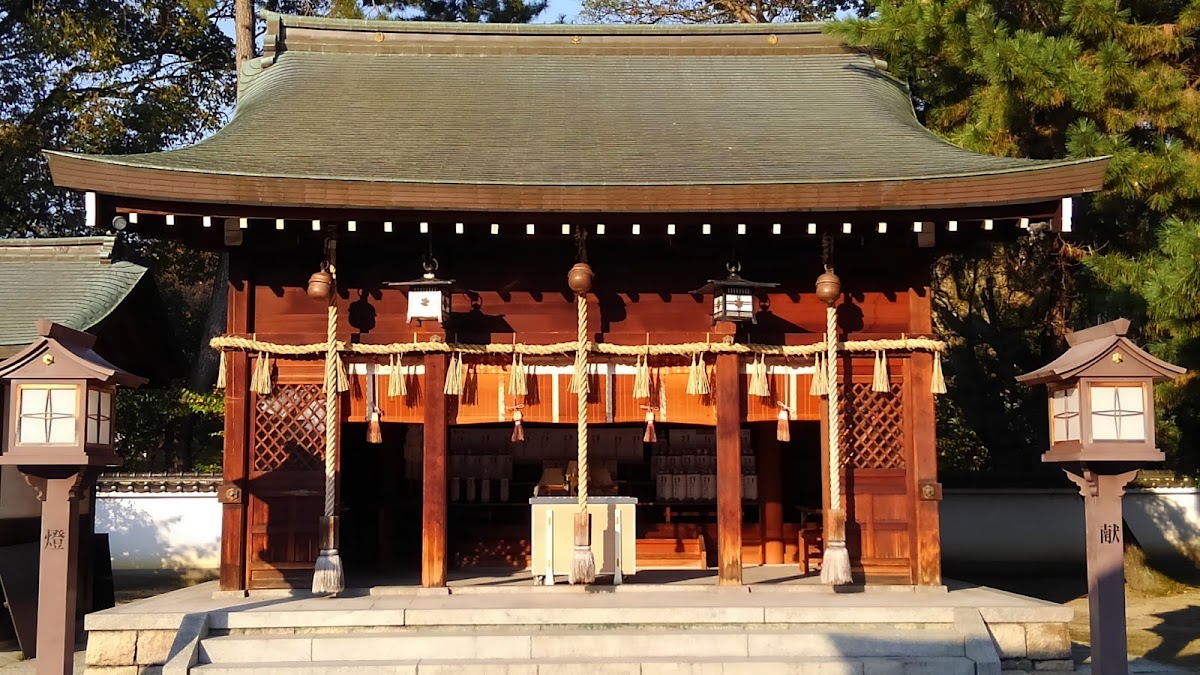
Yodo Shrine (Kyoto Prefecture) Complete Guide: History, Goshuin (Shrine Seal), and Blessings of a Shikinaisha Shrine Located on the Site of Yodo Castle
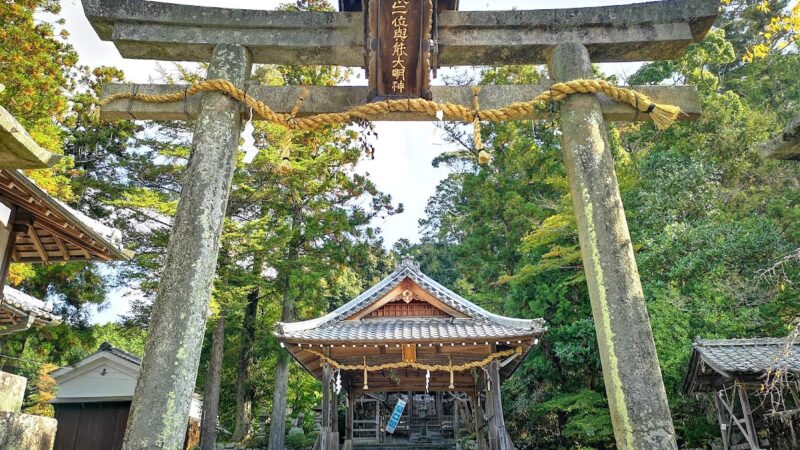
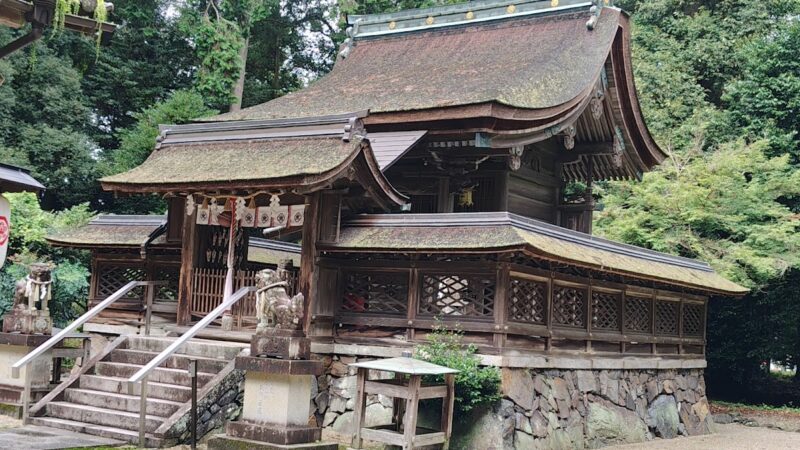
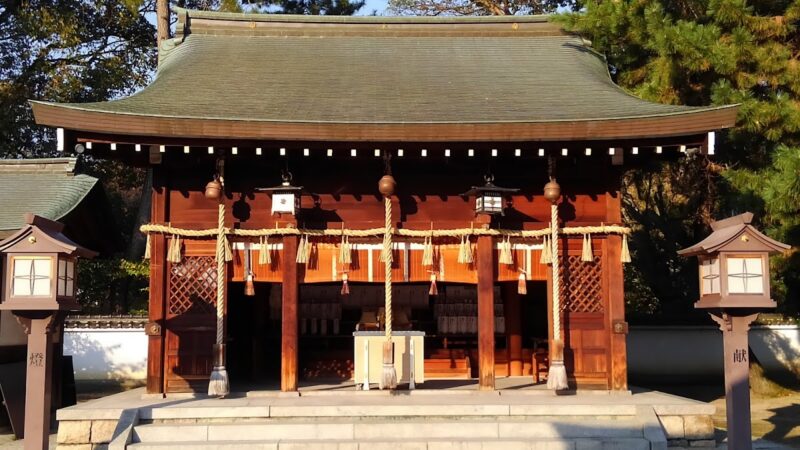
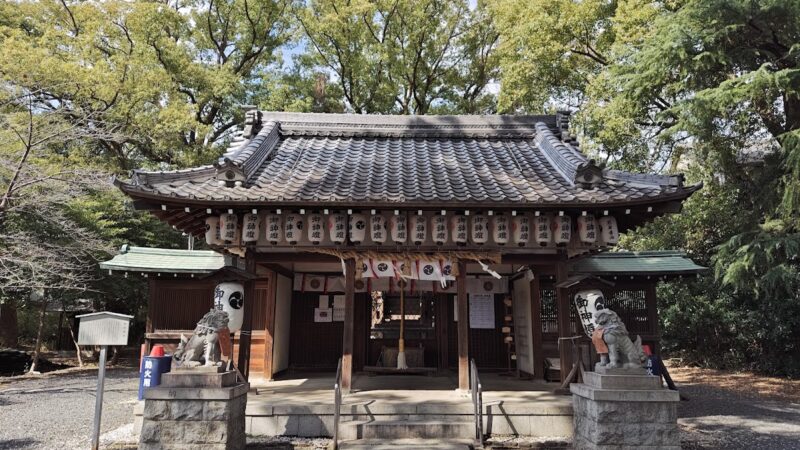
Yodo Shrine, located in Yodohonmachi, Fushimi-ku, Kyoto City, is a Shikinaisha shrine built on the historical site of the former main keep of Yodo Castle. With Toyotamahime-no-Mikoto as its principal deity, this shrine is known for its blessings of protection against water-related disasters and safe childbirth, and is affectionately called “Yodo no Daimyojin-san” by the locals. This article provides a detailed introduction to Yodo Shrine, including its history, enshrined deities, goshuin information, highlights of the grounds, and access methods.
Basic Information on Yodo Shrine
Yodo Shrine is a Shikinaisha (minor shrine) listed in the Engishiki Jinmyocho (a list of shrines compiled in the Heian period), and is a historically significant shrine that was ranked as a Gosha (village shrine) in the modern shrine ranking system.
Location: 167 Yodohonmachi, Fushimi-ku, Kyoto City, Kyoto Prefecture 613-0903
Phone Number: 075-631-2061
Nearest Station: Approximately 3-5 minutes on foot from Yodo Station on the Keihan Main Line
Shrine Rank: Shikinaisha (Minor Shrine), Former Village Shrine
Located within walking distance of Keihan Yodo Station and within Yodo Castle Ruins Park, it’s an attractive place to visit while exploring history.
Deities and Benefits
Main Deity
Yodo Shrine enshrines three deities.
Toyotamahime-no-Mikoto
A goddess who was the daughter of the sea god and the consort of Yamasachihiko (Hikohodemi-no-Mikoto). She is an important deity, being the grandmother of Emperor Jimmu, and is revered as the goddess of water and safe childbirth.
Takamimusubi-no-kami
One of the three creation gods involved in the creation of heaven and earth, this deity is responsible for the generation and nurturing of all things.
Hayaakitsuhime-no-mikoto
The goddess of Mito, who presides over river mouths and ports, and is worshipped as the guardian deity of water transport and traffic safety.
Benefits
The main benefits of Yodo Shrine are as follows:
- Protection from Water Disasters: Located at a key point on the Yodo River’s water transport route, it has been worshipped since ancient times as a god of protection from water disasters.
- Safe Childbirth: As the main deity, Toyotama-hime no Mikoto, is the goddess of safe childbirth, many worshippers visit to pray for safe delivery.
- Safety at Sea and in Traffic: Through the divine virtues of Hayaakitsuhime no Mikoto, you can pray for safe travels.
- Family Safety: As the local guardian deity, it protects the health and happiness of families.
History of Yodo Shrine
Founding and Ancient History
The founding date of Yodo Shrine is unclear, but it is listed as “Yodo Shrine, Kuze District, Yamashiro Province” in the Engishiki Jinmyocho (compiled in 927), confirming that it already existed before the mid-Heian period.
In ancient times, this region flourished as an important port town in the Yodo River system, and the shrine was revered as the guardian deity of water transport. It was formerly known as “Yodo Daimyojin” and “Mizutare-sha.”
Relationship with Yodo Castle
The current shrine grounds are the site of the former main keep of Yodo Castle. Yodo Castle is known for being associated with Yodo-dono (Chacha), a concubine of Toyotomi Hideyoshi, and played an important role as a strategic point connecting Kyoto and Osaka during the Edo period.
In 1902 (Meiji 35), Yodo Shrine was relocated to its current location within the Yodo Castle site. This was after Yodo Castle was demolished following the Meiji Restoration’s castle demolition decree, and the site was developed into a shrine precinct.
Destruction and Reconstruction of the Main Shrine
The main shrine of Yodo Shrine was once designated as an Important Cultural Property, but in 1975, it was tragically destroyed by fire caused by fireworks. The loss of this precious cultural property had a profound impact on the community.
Afterward, through the efforts of local people, the main shrine was rebuilt and continues to function as the center of local faith.
Highlights of the Shrine Grounds
Main Shrine
The rebuilt main shrine was constructed using modern technology while adhering to traditional shrine architectural styles. Restored based on records of the shrine before the fire, it exudes a solemn atmosphere.
Stone Walls of Yodo Castle
Stone walls from the Yodo Castle era remain on the shrine grounds, allowing visitors to feel the history of the castle. The location on the site of the former main keep allows visitors to imagine the scale and structure of the castle, a unique charm of Yodo Shrine.
Inaba Shrine
Adjacent to the south side of the grounds of Yodo Shrine is Inaba Shrine. This shrine is dedicated to the Inaba clan, who were the lords of the Yodo Domain, and many people visit both Yodo Shrine and Inaba Shrine.
Atmosphere of the Shrine Grounds
Located within Yodo Castle Ruins Park, the shrine grounds are lush with greenery and offer a quiet environment. Away from the hustle and bustle of the city, it provides a peaceful space for worship.
Goshuin (Shrine Seal) Information
About the Issuance of Goshuin
Goshuin are available at Yodo Shrine.
Offering Fee: Usually around 300-500 yen (may vary depending on the season)
Issuance Hours: During visiting hours (please inquire with the shrine for details)
The goshuin features the calligraphy of “Yodo Shrine” and the shrine’s seal. It is characterized by its simple yet powerful brushwork.
Goshuincho (Stamp Book)
Original goshuincho are also available. Special goshuincho are sometimes offered depending on the season, such as the large-sized goshuincho (2,500 yen offering fee, including the stamp) distributed in December 2025.
Manners for Receiving Goshuin
Goshuin are proof of your visit. Please observe the following manners when receiving them:
- First, visit the main shrine before receiving the goshuin.
- Open your goshuincho and specify the page you would like it written on.
- Have small change ready for the offering fee.
- Wait quietly while the stamp is being written.
- Express your gratitude by saying “Thank you.”
Annual Events and Festivals
Autumn Grand Festival (Yodo Festival)
The most important festival of Yodo Shrine is the Autumn Grand Festival (Yodo Festival), held annually from October 31st to November 3rd.
During this period, a community-wide festival is held, featuring a portable shrine procession and dedication ceremonies. It’s a valuable opportunity to experience the deep faith of the local people.
Other Festivals
Monthly and seasonal festivals are held throughout the year. For detailed schedules, we recommend contacting the shrine directly.
Access
Access by Train
Using the Keihan Main Line
- Get off at Yodo Station on the Keihan Main Line, approximately 3-5 minutes on foot
- Head towards Yodo Castle Ruins Park from the station; the shrine is located within the park.
Keihan Yodo Station is not a stop for express trains, but semi-express and local trains do stop there. It’s easily accessible from both Kyoto city and Osaka.
Access by Car
Using the Meishin Expressway
- Approximately 15 minutes from Kyoto Minami Interchange
Parking
There is parking space for visitors on the shrine grounds, but spaces are limited, so we recommend using public transportation. ### Visiting Nearby Tourist Attractions
The following are some of the attractions near Yodo Shrine:
- Yodo Castle Ruins Park: The entire park where the shrine is located is the site of a castle, and it is also known as a famous cherry blossom viewing spot.
- Iwashimizu Hachimangu Shrine: A famous shrine with a national treasure main hall, located just a few stops away on the Keihan Railway.
- Fushimi Inari Taisha Shrine: One of Japan’s most representative shrines, located in the same Fushimi Ward.
Spending a day visiting shrines in Fushimi Ward is also recommended.
Points for Worship
Worship Etiquette
Follow the basic etiquette for visiting a shrine:
- Bow before passing through the torii gate.
- Purify your body and mind at the water basin.
- Hold the ladle in your right hand and purify your left hand.
- Switch the ladle to your left hand and purify your right hand.
- Switch the ladle back to your right hand, receive water in your left hand, and rinse your mouth.
- Finally, hold the ladle upright and purify the handle.
- Worship in front of the main shrine.
- Quietly place your offering in the offering box.
- Two bows, two claps, one bow.
- Bow again at the torii gate when leaving.
Recommended Time to Visit
Early mornings and weekday mornings are relatively quiet, allowing for a peaceful visit. The autumn festival period is crowded with many worshippers, but it is recommended for those who want to experience the atmosphere of the festival.
Regarding Photography
Photography is generally permitted on the shrine grounds, but please observe the following points:
- Refrain from taking photographs inside the main hall.
- Be considerate of other worshippers.
- Remember that this is a sacred place.
- Follow any signs prohibiting photography.
The Charm of Yodo Shrine
A Place Where History and Modernity Intersect
The greatest charm of Yodo Shrine lies in its unique space, where its history as a Shikinaisha (a shrine listed in the Engishiki, an ancient Japanese legal code) and the remains of Yodo Castle from the early modern period are integrated. You can experience the layered history of a place of worship dating back to the Heian period, situated on the site of an Edo-period castle.
Faith in the Water God
Located at a strategic point in the Yodo River system, a strong belief in water remains. It is a valuable shrine that conveys the memory of Yodo, a town that once prospered through water transport.
A Shrine Rooted in the Community
While not a glamorous tourist shrine, it is a “living shrine” deeply loved by the local people and visited daily. The shrine’s continued role as the local guardian deity offers a glimpse into the true essence of a Shinto shrine.
A Quiet Worship Environment
Despite being located within Kyoto city limits, the shrine offers a tranquil environment far removed from the hustle and bustle, making it a truly appealing place for worship. A peaceful space for calm and focused prayer is maintained.
Nearby Shrines and Temples
When visiting Yodo Shrine, consider also visiting the surrounding shrines and temples.
Major Shrines in Fushimi Ward
Fushimi Inari Taisha
A world-famous shrine known for its thousands of torii gates. Approximately 15 minutes by train from Yodo Shrine.
Gokogu Shrine
A shrine revered as the tutelary deity of Fushimi. Its beautiful main gate (an important cultural property) is a highlight.
Fujimori Shrine
An ancient shrine known as the god of victory and horses. It is considered the birthplace of the Iris Festival.
Nearby Temples
Chokenji Temple
A temple affectionately known as “Fushimi’s Benten-san.” Its vermilion-lacquered Ryugu-mon gate is impressive.
Hotoji Temple
An ancient Nichiren Buddhist temple with a multi-storied pagoda designated as an Important Cultural Property.
Guidelines for Visiting Yodo Shrine
Preparation Before Visiting
- Attire: No special attire is required, but clean and subdued clothing is preferred.
- Items to Bring: If you wish to receive a Goshuin (temple stamp), do not forget your Goshuincho (stamp book).
- Small Change: Prepare small change for offerings and Goshuin fees.
- Time: Visit with ample time to allow for a leisurely visit.
Mindset During Visit
Shrines are sacred places where deities are enshrined. Please keep the following points in mind:
- Worship quietly
- Keep the shrine grounds clean
- Be considerate of other worshippers
- Worship with gratitude
- Remember to show reverence for the deities
Summary
Yodo Shrine is one of the representative shrines of Fushimi Ward, Kyoto City, possessing the status of a Shikinaisha (a shrine listed in the Engishiki, an ancient Japanese legal text) and a historical background as the site of Yodo Castle. With Toyotama-hime no Mikoto as its main deity, it is known for its blessings of protection against water-related disasters and safe childbirth, and is deeply cherished by the local people.
Despite its convenient location just a few minutes’ walk from Keihan Yodo Station, it maintains a quiet and peaceful environment for worship, allowing you to calmly offer your prayers. Goshuin (shrine stamps) are also available, making it recommended for those who enjoy visiting shrines.
During the Autumn Grand Festival (Yodo Festival), a community-wide festival is held, allowing you to enjoy a lively atmosphere different from the usual. As part of your tour of shrines and temples in Fushimi Ward, or in conjunction with a historical exploration of the Yodo Castle ruins, be sure to visit Yodo Shrine.
Spending time quietly praying at this place of worship, which has continued since ancient times, will be a precious moment away from the hustle and bustle of everyday life. Experience the layered richness of traditional Japanese faith and history at Yodo Shrine.