Inaue Shrine (Seika-cho, Kyoto Prefecture) Complete Guide | History, Goshuin (Shrine Seals), Access, and Festivals: A Thorough Explanation
Inaue Shrine, located in Seika-cho, Soraku-gun, Kyoto Prefecture, is a historical shrine dedicated to Takehaya Susanoo-no-Mikoto. Affectionately known locally as “Gion-san,” it boasts a distinguished history, said to be the original shrine of Kyoto’s Yasaka Shrine. This article comprehensively explains everything you need to know before visiting Inaue Shrine, including its history, enshrined deity, highlights within the grounds, goshuin information, access methods, and annual festivals.
Basic Information on Inaue Shrine
Inaue Shrine is located at 122 Ueda Kamiyama, Seika-cho, Soraku-gun, Kyoto Prefecture, and is revered by the local people as the tutelary shrine of both the Minami Inayatsuma and Ueda districts.
Location: 122 Ueda-Kamiyama, Seika-cho, Soraku-gun, Kyoto Prefecture
Phone Number: 0774-93-1770
Nearest Station: Hōsono Station, JR Katamachi Line (Gakken Toshi Line)
Parking: Available (Free)
Located at the southern end of Seika-cho, in the northern part of Gakken Toshi, this shrine stands quietly amidst a tranquil residential area. The grounds are lush with greenery, providing an environment where visitors can enjoy the changing seasons while worshipping.
History and Origins of Inaue Shrine
History of Founding
Several legends remain regarding the founding of Inaue Shrine. One theory suggests it was established around the 5th century, indicating a very long history. Furthermore, reliable records indicate its founding during the Chōroku era (around 1457), suggesting it was already functioning as a center of local faith during the mid-Muromachi period.
Relationship with Yasaka Shrine
One of the most interesting legends surrounding Inaue Shrine concerns its relationship with Kyoto’s Yasaka Shrine. Locally, it’s known as “Moto-Gion” (Original Gion), and is said to be the origin of Kyoto’s Yasaka Shrine. The enshrinement of Takehaya Susanoo-no-Mikoto suggests a deep connection to the Gion faith.
While the veracity of this legend requires academic verification, it’s undeniable that the area has a long-standing tradition of worshipping Susanoo-no-Mikoto, and the historical fact that festivals similar to the Gion Festival have been held in the region is significant.
Connection with the Community
Inaue Shrine has played a central role in the local community as the tutelary shrine for the two districts of Minami-Inayatsuma and Ueda. For agricultural workers, it has long been a place of worship, a place to pray for abundant harvests and protection from disease.
Deities and Divine Virtues
Main Deity: Takehaya Susanoo-no-Mikoto
The main deity of Inaue Shrine is Takehaya Susanoo-no-Mikoto. Susanoo-no-Mikoto is known in Japanese mythology as the younger brother of Amaterasu Omikami and is an important deity appearing in many myths.
Susanoo-no-Mikoto is famous for the myth of slaying Yamata no Orochi in Izumo Province, and due to his bravery and power to ward off disaster, he is believed to possess the following divine virtues:
Main Divine Virtues:
- Protection from plagues and evil
- Abundant harvests and agricultural protection
- Matchmaking and family safety
- Maritime safety and travel safety
- Business prosperity
In particular, the divine virtue of protection from plagues is a reason why many worshippers still visit the shrine to pray for it today.
Shrines within the Precincts and Subsidiary Shrines
The grounds of Inaue Shrine house several subsidiary shrines, serving as objects of diverse worship.
Main Subsidiary Shrines:
- Hachiman Shrine: Dedicated to Emperor Ojin, offering blessings for military success and victory.
- Tenman Shrine: Dedicated to Sugawara no Michizane, offering blessings for academic achievement and passing exams.
- Kumano Shrine: Dedicated to the deities of the Kumano Sanzan, offering blessings for health, longevity, and regeneration.
- Hachioji Shrine: Dedicated to the child deity of Gozu Tenno.
- Shinomiya: Guardian deity of the region.
These subsidiary shrines make Inaue Shrine a place of worship that can accommodate a wide range of wishes.
Highlights of the Precincts
Main Hall and Worship Hall
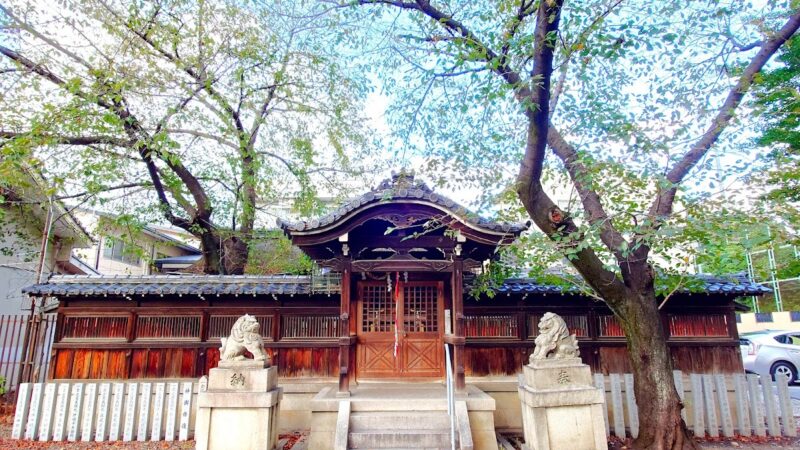
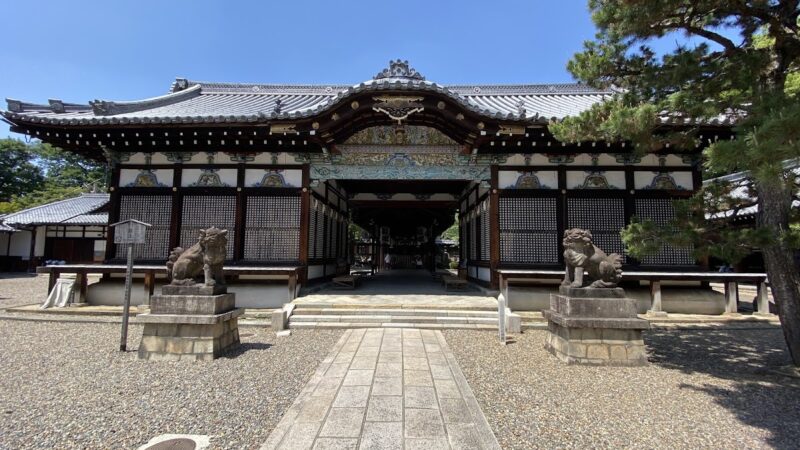
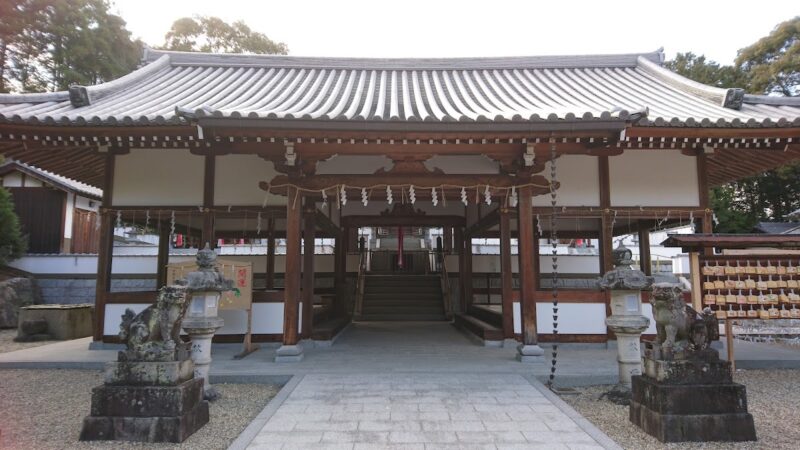
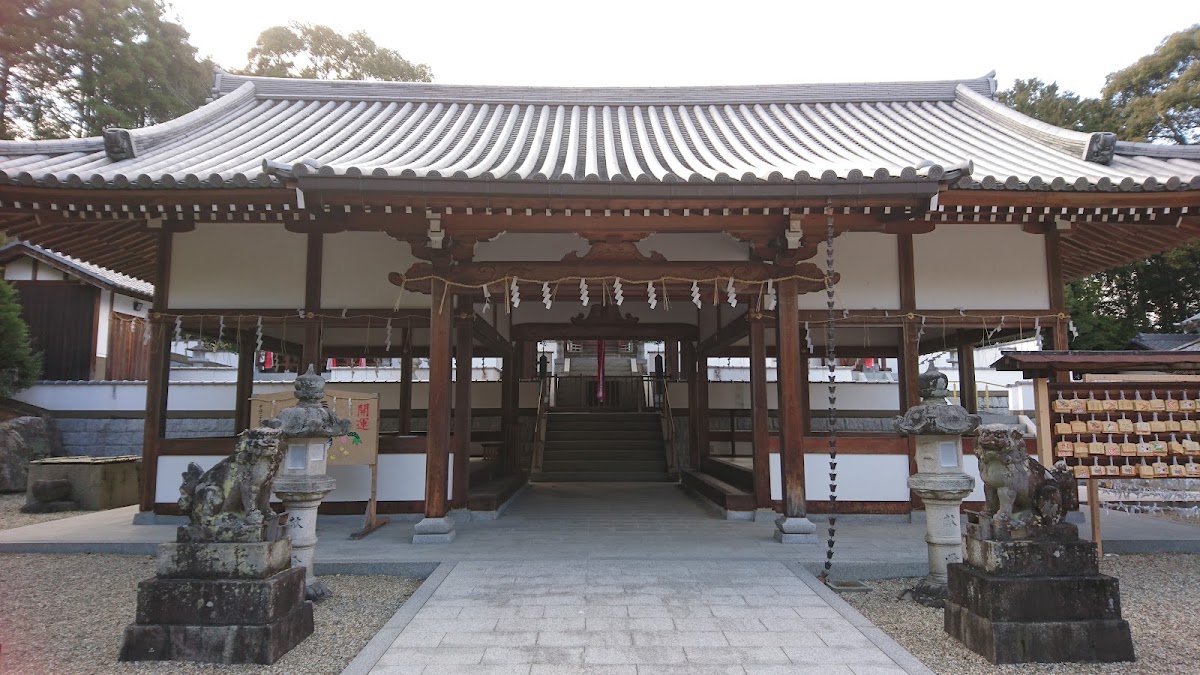
The main hall of Inaue Shrine is built in the traditional style of shrine architecture, exuding a sense of historical weight. The main hall, a place where worshippers offer prayers, is meticulously cleaned and maintains a solemn atmosphere.
Shrine Grove and Natural Environment
The shrine grounds are surrounded by lush trees, making it a valuable green space in the increasingly urbanized town of Seika. Especially in summer, the trees are beautifully green, providing a refreshing place for worship. In autumn, the autumn leaves can be enjoyed, allowing visitors to experience the changing seasons.
Komainu and Stone Sculptures
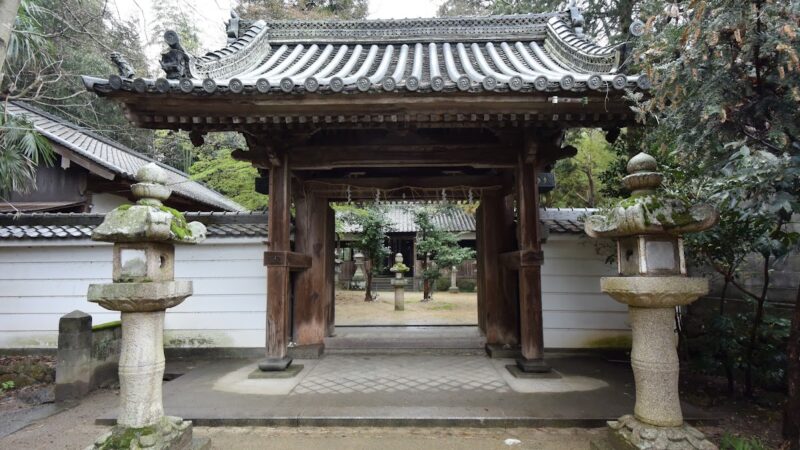
The shrine grounds are dotted with stone sculptures such as komainu (guardian lion-dogs) and stone lanterns, which evoke a sense of history. These offerings reveal the deep faith of the local people over many years.
Goshuin (Shrine Seal) Information
Inaue Shrine offers goshuin (shrine seals). For those who enjoy visiting shrines or collecting goshuin, it is a precious memento of their visit.
About Goshuin (Shrine Seals):
- Location: Shrine Office (Priest’s Residence)
- Offering Fee: Approximately 300-500 yen
- Reception Hours: Advance notice required (Tel: 0774-93-1770)
Since Inaue Shrine does not have a resident priest, it is recommended to contact the shrine by phone in advance if you wish to receive a Goshuin. Depending on the priest’s schedule, it may not be possible to accommodate your request, so please be sure to contact the shrine in advance if you wish to receive a Goshuin.
The Goshuin features the calligraphy of “Inaue Shrine” and the shrine’s seal, resulting in a simple yet dignified finish.
Annual Festivals and “Gion-san”
Summer Festival “Gion-san”
The most important festival at Inaue Shrine is the summer festival “Gion-san,” held annually in mid-July. This festival is deeply rooted in the community as Seika Town’s Gion Festival and attracts many worshippers.
Characteristics of “Gion-san”:
- Date: Mid-July every year (Saturday and Sunday)
- Contents: Mikoshi procession, food stalls, dedication ceremonies, etc.
- Scale: A warm, community-oriented festival
While not as large-scale as the Gion Festival at Yasaka Shrine in Kyoto City, it’s a warm and inviting festival with participation from the entire community. Children carry the mikoshi, and traditional local performing arts are performed, making it a place to reaffirm the bonds of the local community.
Other Annual Festivals
Main Annual Festivals:
- New Year’s Day Festival (January 1st): A festival celebrating the New Year
- Setsubun Festival (around February 3rd): Exorcism through bean-throwing
- Spring Festival (April): Prayers for a bountiful harvest
- Summer Purification Ceremony (June 30th): Purification of impurities accumulated over the past six months
- Autumn Festival (October): Gratitude for the harvest
- Year-End Purification Ceremony (December 31st): Purification of impurities accumulated over the past year
These festivals are well-established as annual events in the region, providing an opportunity to feel the changing seasons.
Prayer and Worship Information
Various Prayers
Inaue Shrine accepts various prayers for important life events.
Main Prayers Offered:
- First Shrine Visit (Hatsumiyamairi): Praying for the healthy growth of the baby
- Seven-Five-Three Ceremony (Shichi-Go-San): Giving thanks for the child’s growth and praying for their future health
- Thirteen-Year-Old Ceremony (Jusan-mairi): Coming-of-age ceremony to receive wisdom and good fortune
- Exorcism Prayer (Yakuyoke Kigan): Protection from misfortune during the unlucky year
- Family Safety (Kainai Anzen): Praying for the health and safety of the family
- Business Prosperity (Shobai Hanjo): Praying for the development of the business
- Traffic Safety (Kazukari): Blessing of the car, etc.
Prayer Reservations:
If you wish to have a prayer, you must make a reservation in advance by phone (0774-93-1770). The date and time will be adjusted according to the priest’s schedule.
Shrine Visit Manners
Please observe basic shrine visit manners and pray with sincerity.
Etiquette for Visiting the Shrine:
- Bow before passing through the torii gate.
- Walk along the approach to the shrine, avoiding the center.
- Purify your body and mind at the water basin.
- Bow twice, clap twice, and bow once in front of the main hall.
- Bow once again at the torii gate on your way out.
Access Method
Access by Train
Nearest Station: JR Katamachi Line (Gakken Toshi Line), Hōsono Station
Inaue Shrine is located approximately 850 meters in a straight line from Hōsono Station.
Access from Hōsono Station:
- Walking: Approximately 20 minutes (approximately 1.2 km)
- Taxi: Approximately 5 minutes
- Bus: Nara Kotsu buses are available (a short walk from the nearest bus stop).
Hōsono Station is easily accessible from both Kyoto and Nara. It takes approximately 40 minutes from Kyoto Station by rapid train and approximately 30 minutes from Nara Station.
Access from Kintetsu Line:
The shrine is also accessible from Kintetsu Kyoto Line’s “Shin-Hozono Station.” Shin-Hozono Station and JR Hozono Station are adjacent, allowing for easy transfer on foot.
Access by Car
From Major Roads:
- Approximately 5 minutes from the Keina-Wa Expressway’s “Seika Gakken IC”
- Approximately 10 minutes via Prefectural Road from National Route 24
Parking Information:
Free parking is available within and around the shrine grounds. However, spaces are limited, and congestion is expected during festivals. We recommend using public transportation during major festivals.
Car Navigation Settings:
You can search using the address “122 Ueda Kamiyama, Seika-cho, Soraku-gun, Kyoto Prefecture” or the phone number “0774-93-1770.”
Landmarks in the Area
Inaue Shrine is located in a residential area, so it may be a little difficult to find for first-time visitors. It’s easiest to find your way using public facilities like the Seika Town Hall and Seika Town Library as landmarks. We recommend using a map app or car navigation system.
Nearby Tourist Attractions
Keihanna Commemorative Park
A park centered around a Japanese garden, located about 10 minutes by car from Inaue Shrine. Enjoy seasonal flowers and it’s a perfect spot for a stroll.
Seika Town Library
A modern library located in a corner of the Kansai Culture and Academic Research City. Its beautiful architectural design makes it a local landmark and cultural facility.
Hōsono Shrine
Another historical shrine near Hōsono Station. Visiting it along with Inaue Shrine is recommended.
Nearby Shrines and Temples
Many shrines and temples are scattered throughout Seika Town and the neighboring cities of Kizugawa and Kyōtanabe. Historic temples such as Amida-ji Temple are also nearby, making it a great place to enjoy shrine and temple hopping.
About Seika Town
Seika Town, where Inaue Shrine is located, is a municipality situated at the southern tip of Kyoto Prefecture, bordering Nara Prefecture. As a core town within the Kansai Science City (Keihanna Science City), it is a distinctive region where cutting-edge research facilities and abundant nature coexist.
Characteristics of Seika Town:
- Population: Approximately 37,000
- Area: Approximately 24.9 square kilometers
- Characteristics: A town where a science city, residential areas, and farmland harmonize
- Local Products: Vegetables and rice produced in Seika Town, etc.
While historically an agricultural area, it has developed significantly with the development of the science city, and is now a town of culture and education with many researchers and engineers residing there. At the same time, historical shrines like Inaue Shrine are carefully preserved, making it a region where tradition and innovation coexist.
Points to Note When Visiting
Shrine Office Hours
Inaue Shrine does not have a resident Shinto priest. If you wish to receive a Goshuin (temple/shrine stamp) or a prayer service, please be sure to contact the shrine by phone beforehand. We may not be able to accommodate visits without prior contact.
Attire
If you are receiving a prayer service, please dress appropriately, not too casually. For general worship, everyday clothes are acceptable, but it is preferable to dress in a way that reflects the sacred nature of the place.
Photography
Photography is generally permitted on the shrine grounds, but please refrain from taking photos inside the main hall or during religious ceremonies. Also, please be considerate of other worshippers.
Seasonal Precautions
In summer, there are many insects such as mosquitoes, so insect repellent is recommended. Although there is plenty of shade on the grounds, heatstroke prevention is necessary on hot days. In winter, please dress warmly.
Community Connection and Modern Significance
Inaue Shrine is not merely a tourist spot; it continues to function as a center of the local community. Even in today’s increasingly urbanized world, it plays an important role as a place where local people gather and continue to preserve traditions.
Festivals such as “Gion-san” serve as a place for intergenerational exchange and strengthen community bonds. For children, it’s a place to learn about local history and traditions, and for adults, it’s a place to reaffirm their connection to their hometown.
Furthermore, as a shrine dedicated to Takehaya Susanoo-no-Mikoto, who is believed to ward off epidemics, it also serves as a place that receives prayers for health in modern society. Since the COVID-19 pandemic, the number of worshippers praying for the eradication of disease has reportedly increased.
Summary
Inaue Shrine is a historic shrine located in Seika-cho, Soraku-gun, Kyoto Prefecture. It enshrines Takehaya Susanoo-no-Mikoto as its main deity and is known for its divine blessings of warding off epidemics and ensuring bountiful harvests. It has a history that suggests it may be the original shrine of Kyoto’s Yasaka Shrine, and is affectionately known as “Gion-san” by locals.
The Gion-san summer festival, held annually in mid-July, is a deeply rooted local tradition in Seika Town and attracts many visitors. Various prayers, including those for a baby’s first shrine visit and Shichi-Go-San (a traditional rite of passage for children), are also offered, making it a place of prayer for important life events.
The shrine is easily accessible, approximately a 20-minute walk from JR Hōsono Station and about 5 minutes by car from the Seika Gakken Interchange on the Keina-Wa Expressway. Reservations for Goshuin (shrine stamps) and prayers are required in advance by phone (0774-93-1770).
In Seika Town, a rapidly developing academic city, Inaue Shrine is a valuable place that preserves the history and traditions of the region. It is a shrine worth visiting for those seeking a quiet time of prayer away from the hustle and bustle of the city, those who want to experience local history, and those who wish to pray for protection from disease and family safety.
When you visit Seika Town, be sure to stop by Inaue Shrine and experience the atmosphere of this place of worship that has been nurtured over a long history.