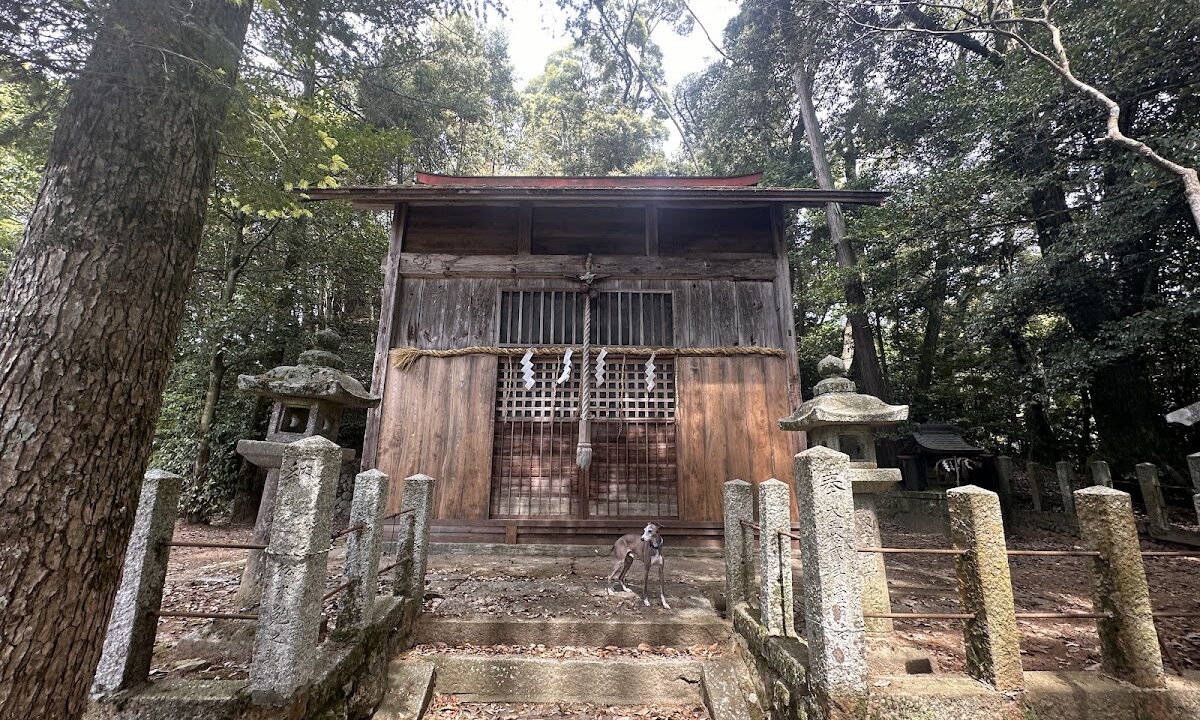
Nonomiya Shrine (Kyoto Prefecture) Complete Guide | A Power Spot in Sagano Associated with Matchmaking and The Tale of Genji
Nonomiya Shrine, located in Sagano-Miyacho, Ukyo-ku, Kyoto City, is a representative power spot for matchmaking in Arashiyama, attracting many visitors from both Japan and abroad. Nestled amidst a bamboo grove, this historical shrine, featured in The Tale of Genji, offers various blessings, including success in love, fertility, and academic success.
This article comprehensively covers everything you need to know before visiting Nonomiya Shrine, including its history, origins, highlights, amulets, access methods, and surrounding tourist spots.
What is Nonomiya Shrine?
History and Origins of Nonomiya Shrine
The origins of Nonomiya Shrine date back to the Heian period. “Nonomiya” refers to the place where the Saio (a princess who served as a representative of the Emperor at Ise Grand Shrine) secluded herself to purify herself before traveling to Ise. The Saio were chosen from among princesses and queens and lived a life of purification at Nonomiya for approximately three years.
The Saio system began during the reign of Emperor Saga (809) and was a sacred ritual that continued until the reign of Emperor Go-Daigo. The location of Nonomiya changed with each emperor’s reign, but the Sagano area where the current Nonomiya Shrine is located is said to have been chosen most frequently.
Even after the abolition of the Saio system, this place was preserved as a sacred site and is now widely revered as a deity of matchmaking, fertility, and academic success.
Deep Connection to The Tale of Genji
Nonomiya Shrine is known for its appearance in the “Sakaki no Maki” chapter of “The Tale of Genji,” written by Murasaki Shikibu. The story depicts Prince Genji’s visit to Saigu Nyogo, the daughter of Lady Rokujo, and the descriptions of the Kuroki Torii gate and Koshibagaki fence at Nonomiya Shrine are particularly striking.
Due to this literary background, Nonomiya Shrine is attracting attention from history enthusiasts and literature fans alike as a valuable place that preserves Heian culture.
Deities and Benefits
Nonomiya Shrine enshrines several deities, each offering different benefits.
Main Deity:
- Nonomiya Okami (Amaterasu Omikami) – A deity of Ise Grand Shrine, believed to have the power to grant all wishes.
Deities of the Subsidiary Shrines:
- Atago Okami – Matchmaking, romantic fulfillment
- Shirafuku Inari Daimyojin – Fertility, safe childbirth, business prosperity
- Shiramine Benzaiten – Improvement in performing arts, financial fortune
- Oyama Benzaiten – Traffic safety, financial fortune
- Suzumushi Okami – Academic success
Through these diverse deities, you can receive a wide range of blessings, including matchmaking, fertility, academic success, and business prosperity.
Highlights of Nonomiya Shrine
Japan’s Oldest Torii Style: “Kuroki Torii”
The first thing you’ll see when visiting Nonomiya Shrine is the “Kuroki Torii” standing at the entrance to the shrine grounds. This torii gate is known as the oldest style of torii gate in Japan, using oak wood with the bark left unpeeled.
While typical shrine torii gates are painted vermilion or made of stone, the Kuroki Torii is characterized by its simple appearance, utilizing the natural wood grain. This primitive style is a valuable cultural asset that conveys the form of ancient Shinto beliefs.
Because oak wood has low durability, the gates are periodically rebuilt, but the traditional techniques are preserved each time. The high status of the Kuroki Torii is evident from the fact that similar Kuroki Torii are used in the buildings erected for the Daijosai ceremony during the Emperor’s enthronement.
Koshibagaki (Small Brushwood Fence)
Alongside the Kuroki Torii, the Koshibagaki is another distinctive feature of Nonomiya Shrine’s landscape. Made from Kuromoji wood, it, like the Kuroki Torii, recreates the appearance of ancient Nonomiya.
Described in The Tale of Genji as “a black wooden torii gate and a small brushwood fence,” this is a valuable historical site that evokes the atmosphere of the Heian period. The shrine grounds, surrounded by this fence, create an atmosphere as if you’ve traveled back in time to the Heian period.
The Beautiful “Carpet Moss” Garden
Particularly popular within the grounds of Nonomiya Shrine is the “carpet moss” garden, which stretches across the entire area. The vibrant green moss completely covers the ground, resembling a natural carpet, and it is known as one of Kyoto’s premier moss spots.
This moss garden is designed to represent the scenery of Arashiyama, with the white sand representing the Katsura River and the small bridge spanning it symbolizing the Togetsukyo Bridge. The beauty of the moss, which changes its appearance with each season, continues to captivate visitors.
The moss, especially after rain or when wet with morning dew, displays an even more vibrant green color, creating a fantastical atmosphere. It is also a popular photo spot, and many beautiful images are posted on social media.
Okame Stone (Sacred Stone)
The most famous power spot at Nonomiya Shrine is the “Okame Stone.” This stone, officially called the “Sacred Stone,” is said to grant wishes within a year if you stroke it while offering a prayer.
It is especially popular with visitors praying for matchmaking and romantic success, and many people earnestly offer prayers while stroking the stone. Having been stroked by many people over the years, the stone’s surface is polished smooth.
Bamboo Grove Path
The path leading to Nonomiya Shrine is located within the “Bamboo Grove Path,” a representative tourist spot in Arashiyama. The stone-paved path, surrounded by bamboo groves that seem to reach the sky, is a fantastical space that makes you forget the everyday.
The path leading from the bamboo grove to Nonomiya Shrine has a mystical atmosphere, like an entrance to another world, and you can feel your heart being purified even before you enter the shrine.
Amulets and Ema (votive tablets) at Nonomiya Shrine
Amulets for Finding Love
Nonomiya Shrine offers a variety of amulets specifically for finding love. Representative examples include:
- Love Charm – A basic amulet for attracting good relationships
- Love Fulfillment Charm – For those seeking romantic success
- Love Ring Charm – A unique ring-shaped design
- Love Ema – Popular for its heart shape and cute designs
The ring-shaped amulet, in particular, is popular among young women because it’s easy to wear and carry with you at all times.
Amulets for Fertility and Safe Childbirth
Thanks to the blessings of Shirafuku Inari Daimyojin, the shrine also offers a wide range of amulets for fertility and safe childbirth.
- Fertility Charm – For those wishing to conceive
- Safe Childbirth Charm – For pregnant women seeking a safe delivery
Many couples and married couples visit from far away to obtain these amulets.
Amulet for Academic Success
There is also an amulet for academic success, blessed by the Suzumushi Okami (Cricket God), which is popular with students taking exams and their families.
Prayer for Beauty
Nonomiya Shrine offers a unique amulet for prayers for beauty. This amulet, which wishes to cultivate not only outward beauty but also inner beauty, is popular with female worshippers.
Annual Events at Nonomiya Shrine
Grand Festival
The Grand Festival, held every October, is the most important festival at Nonomiya Shrine. Gagaku (ancient Japanese court music) performances and Shinto rituals are held, creating a solemn atmosphere in which gratitude is offered to the gods.
Saigu Procession
Every year on the third Sunday of October, the “Saigu Procession” is held. This historical procession recreates the journey of the Saio (Imperial Princess serving at Ise Shrine) from Nonomiya during the Heian period. A woman playing the role of the Saio, clad in a twelve-layered kimono, leads the magnificent procession through the streets of Arashiyama.
This event, an important cultural event that conveys the history of Nonomiya Shrine to the present day, attracts many tourists.
New Year’s Visit
Nonomiya Shrine, known for its blessings of matchmaking, is bustling with many worshippers during the New Year’s visit period. People from all over Japan visit, praying for good fortune in relationships and success in love in the new year.
Tourist Information
Basic Information
- Official Name: Nonomiya Shrine
- Address: 1 Sagano-Miyacho, Ukyo-ku, Kyoto City, Kyoto Prefecture 616-8393
- Phone Number: 075-871-1972
- Visiting Hours: 9:00 AM – 5:00 PM (Shrine grounds are open 24 hours)
- Admission Fee: Free
- Parking: None (Use nearby paid parking lots)
Access Methods
Access by Train
Using the JR Sagano Line:
- Get off at JR “Saga-Arashiyama Station,” approximately 10 minutes on foot
Using the Randen (Keifuku Electric Railway):
- Get off at Randen “Arashiyama Station,” approximately 10 minutes on foot
Using the Hankyu Railway:
- Get off at Hankyu “Arashiyama Station” and walk for approximately 15-20 minutes.
Access by Bus
Take a Kyoto City Bus or Kyoto Bus and get off at the “Nonomiya” bus stop, then walk for approximately 5 minutes.
Access by Car
Nonomiya Shrine does not have its own parking lot. We recommend using paid parking lots around Arashiyama and walking. Especially during peak tourist season, roads can be congested, so using public transportation is convenient.
Time Required for Visit
The shrine grounds are not very large, so a visit itself can be completed in about 15-30 minutes. However, if you include strolling through the bamboo grove, taking photos, and purchasing amulets, it’s best to allow about an hour to fully enjoy your visit.
Best Season
Nonomiya Shrine offers beautiful scenery in every season, but the following times are particularly recommended:
- Spring (March-May): Beautiful bamboo groves and moss amidst the fresh green leaves
- Autumn (November): The entire Arashiyama area is ablaze with autumn colors, creating a stunning contrast with the bamboo groves
- Early Summer (June): The moss, wet with rain, displays its most vibrant green color
Crowds and Tips for Visiting
Nonomiya Shrine is a popular tourist spot, and is particularly crowded during the following times:
- Weekends and public holidays
- Spring and autumn tourist seasons
- Autumn foliage season (mid-to-late November)
- New Year’s visit period (January 1st-3rd)
To avoid crowds, weekday mornings (especially around 9 AM, right after opening) are recommended. The bamboo grove is less crowded in the early morning, allowing for a peaceful visit.
Tourist Attractions Around Nonomiya Shrine
When visiting Nonomiya Shrine, we recommend also exploring the attractive tourist spots in the surrounding area.
Bamboo Grove Path
The bamboo grove path, which leads to Nonomiya Shrine, is a representative tourist attraction of Arashiyama in itself. The bamboo tunnel, stretching for approximately 400 meters, is beautiful throughout the seasons, and the quiet morning hours, in particular, create a magical atmosphere.
Tenryu-ji Temple
The head temple of the Tenryu-ji branch of the Rinzai school of Zen Buddhism, registered as a World Heritage Site. It is located about a 10-minute walk from Nonomiya Shrine. The Sogenchi Garden is known as one of Japan’s representative borrowed-landscape gardens, offering beautiful scenery throughout the seasons.
Togetsukyo Bridge
Togetsukyo Bridge, a symbol of Arashiyama, is about a 15-minute walk from Nonomiya Shrine. This 155-meter-long bridge spans the Katsura River and, combined with the Arashiyama scenery in the background, makes for an excellent photo spot.
Jojakko-ji Temple
A Nichiren Buddhist temple located on the slopes of Mt. Ogura. It is about a 10-minute walk from Nonomiya Shrine. It is particularly known as a famous spot for autumn foliage, and the view from the Tahoto pagoda is spectacular.
Torokko Train (Sagano Scenic Railway)
A sightseeing train connecting Torokko Saga Station to Kameoka. Enjoy the beautiful scenery of the Hozugawa River gorge. It’s about a 5-minute walk from Nonomiya Shrine to Torokko Saga Station.
Arashiyama Monkey Park Iwatayama
A nature park located at the summit of Arashiyama, home to approximately 120 Japanese macaques living in a near-wild environment. It’s about a 20-minute walk from Nonomiya Shrine. From the summit, you can enjoy a panoramic view of Kyoto city.
Manners and Precautions for Visiting Nonomiya Shrine
Proper Worship Etiquette
- Bow before passing through the torii gate.
- Cleanse your hands and mouth at the water basin.
- Worship in front of the main hall using the “two bows, two claps, one bow” method.
- When touching the Okame Stone, be considerate of other worshippers.
Photography Etiquette
Photography is permitted on the shrine grounds, but please be considerate of other worshippers. Especially during busy times, please avoid occupying the same spot for extended periods.
Attire
There are no specific dress code requirements for visiting the shrine, but please avoid revealing clothing and dress modestly. The bamboo grove path is paved with stone, so comfortable shoes are recommended.
Reviews and Reputation of Nonomiya Shrine
Many visitors to Nonomiya Shrine have commented on the following:
- “The mystical atmosphere surrounded by bamboo groves is wonderful.”
- “I prayed at Okameishi (Okame Stone) and was truly blessed with a good match.”
- “The carpet of moss was more beautiful than I imagined.”
- “The simple appearance of the Kuroki Torii (black wooden torii gate) is refreshing.”
- “A precious place where you can experience the world of The Tale of Genji.”
On the other hand, some people have commented that “it gets very crowded during tourist season” and “the grounds are small, making it difficult to pray at leisure.”
Summary
Nonomiya Shrine, located in Sagano-Miyacho, Ukyo-ku, Kyoto City, is a historical shrine associated with matchmaking and The Tale of Genji. It boasts numerous attractions, including the Kuroki Torii (black wooden torii gate), the oldest style of torii gate in Japan, a small brushwood fence made of Kuromoji (Lindera umbellata), and a beautiful carpet of moss garden.
It offers various blessings, including matchmaking, fertility, and academic success, and is particularly popular with visitors praying for romantic fulfillment. Okameishi (Okame Stone), a sacred stone, is known as a power spot where wishes are granted within a year.
Nestled amidst the mystical atmosphere of Arashiyama’s bamboo grove, Nonomiya Shrine offers a precious opportunity to pray while experiencing the charm of the Heian period. Visiting it in conjunction with other nearby attractions such as Tenryu-ji Temple and Togetsukyo Bridge will enhance your Arashiyama sightseeing experience.
When you visit Kyoto, be sure to pray for good fortune in love at Nonomiya Shrine and experience the history and natural beauty of this ancient capital.