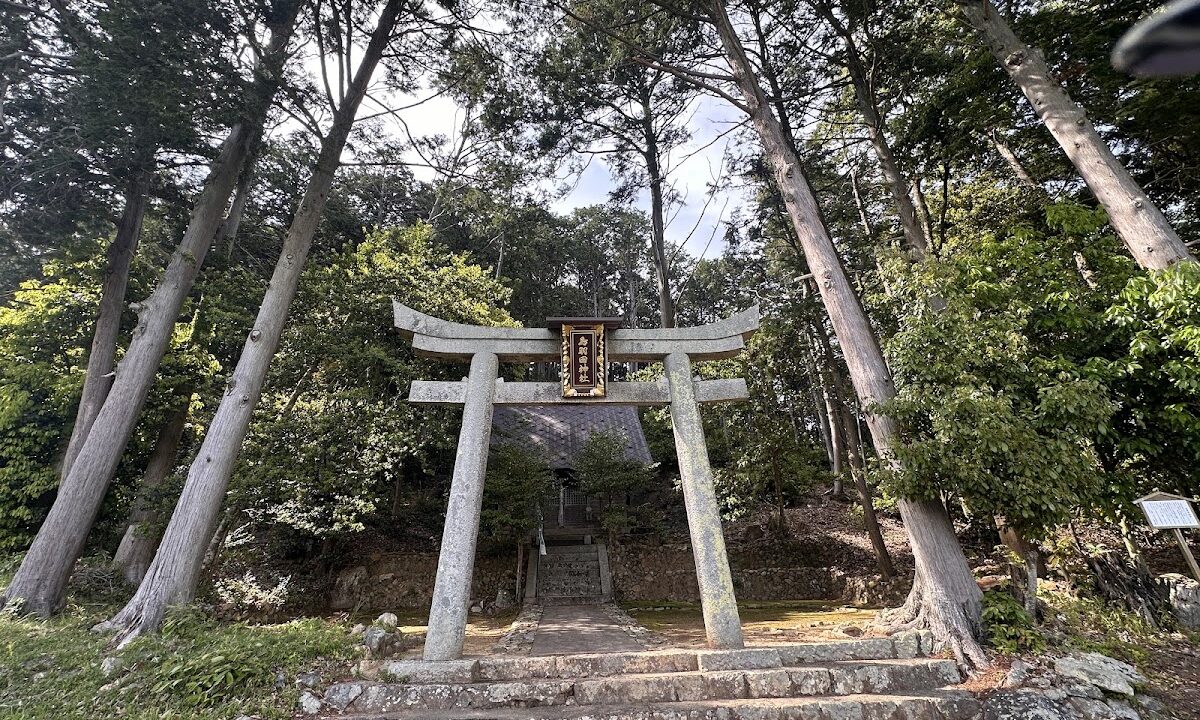
Tobata Shrine (Kyoto Prefecture) Complete Guide | History, Blessings, Access, and Goshuin Information
Tobata Shrine, located in Kyoto Prefecture, is a historic shrine that has long been cherished by the local community. This article provides detailed information you should know before visiting, including the shrine’s history, enshrined deities, blessings, highlights of the grounds, goshuin information, annual events, and access methods.
About Tobata Shrine
Tobata Shrine is a shrine located in Kyoto Prefecture and has long been revered as the local guardian deity. The name “Tobata” originates from a historical place name in the area, suggesting a deep connection to agricultural culture.
Nestled in a quiet residential area and rural landscape, Tobata Shrine is characterized by its tranquil atmosphere, far removed from the hustle and bustle of the city. It remains a place of daily worship for local residents, as well as a place for seasonal festivals and prayers at important life events, deeply rooted in the community.
History and Origins of Tobata Shrine
Origin of Founding
While the exact founding date of Tobata Shrine is unclear due to limited existing historical records, local traditions and records suggest it was established sometime between the Heian and medieval periods by the settlers of this region.
The name “Tobata” is said to originate from the fact that this area was once a rural region called Toba. It is believed that the shrine was founded by people engaged in agriculture who prayed for a bountiful harvest and expressed gratitude for the blessings of water.
Historical Changes
From the medieval to the early modern period, Tobata Shrine served as the local tutelary deity (ubusunagami) and the spiritual center of the village community. During the Edo period, it was developed as the village’s guardian shrine, and regular festivals were held.
Despite being affected by the Meiji-era separation of Shinto and Buddhism and the shrine consolidation policy, it has been preserved and passed down to the present day through the strong faith of the local residents. Even amidst the post-war urbanization and population shifts, it has continued to function as a core element of the local community.
In recent years, the shrine buildings have been restored and the grounds improved, creating an environment that is both traditional and accessible to modern visitors.
Deities and Divine Virtues
Main Deities
The main deities of Tobata Shrine may vary depending on local traditions and the history of the shrine, but generally, the following deities are believed to be enshrined:
- Agricultural Deities: Deities who preside over abundant harvests
- Water Deities: Deities who protect irrigation and domestic water sources
- Local Guardian Deities: Deities who protect the land and watch over the inhabitants
Enshrined Deities
Along with the main deities, the following deities may also be enshrined:
- Amaterasu Omikami: The supreme deity of Japanese mythology
- Susanoo-no-Mikoto: Deity of protection against misfortune and disaster
- Okuninushi-no-Mikoto: Deity of matchmaking and business prosperity
Benefits of Tobata Shrine
By visiting Tobata Shrine, you can expect the following benefits:
Abundant Harvest and Agricultural Prosperity
As a shrine located in an agricultural area, it has long been a place to pray for abundant harvests and bountiful crops. Even today, people involved in agriculture and those who enjoy home gardening visit the shrine to pray for a good harvest.
Family Safety and Community Peace
As a guardian shrine protecting the region, it is suitable for praying for family safety, family health, and community peace.
Protection from Misfortune and Disaster
It is believed to offer protection from misfortune during unlucky years and from everyday disasters.
Prosperity of Descendants and Safe Childbirth
As the local guardian deity, many visitors come to pray for the prosperity of descendants, safe childbirth, and successful child-rearing.
Business Prosperity and Success
As a guardian deity of the local economy, the shrine is also visited by people praying for business prosperity and success.
Highlights of the Shrine Grounds
Main Hall and Worship Hall
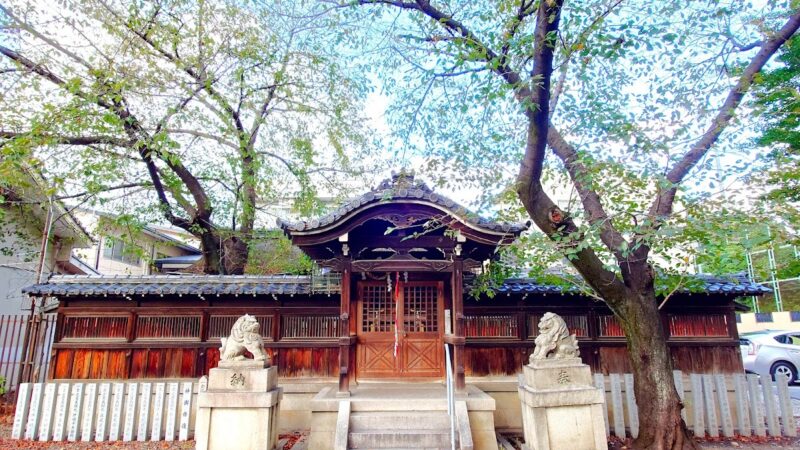
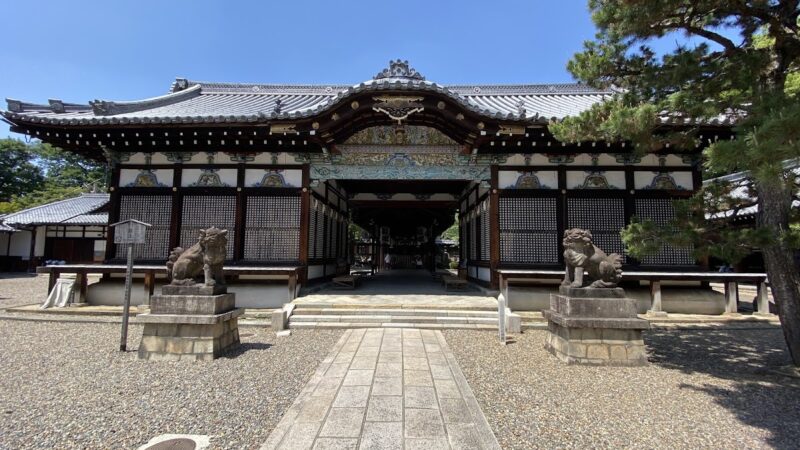
The main hall of Tobata Shrine is built in the traditional shrine architectural style, characterized by its warm, wooden appearance. Daily prayers and rituals are performed in the worship hall, allowing visitors to connect with the deities in a serene atmosphere.
Torii Gate
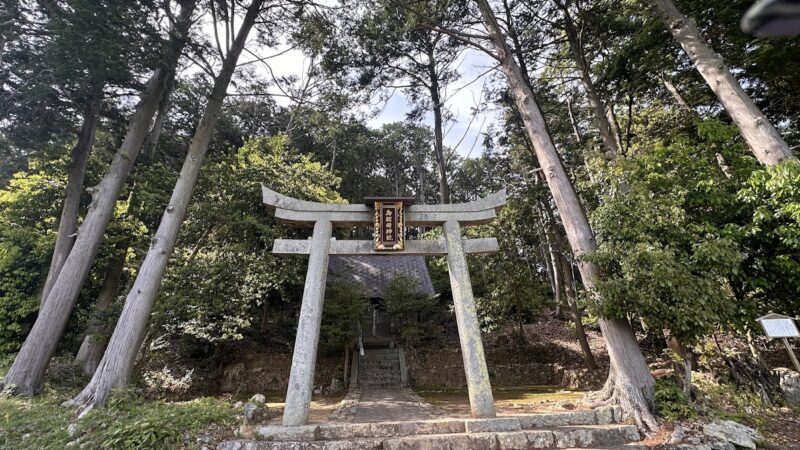
The torii gate, standing at the entrance of the shrine, is an important structure marking the entrance to the sacred area. Passing through the torii gate prepares one to transition from the everyday world to a sacred space.
Komainu (Guardian Dogs)
The komainu, placed in front of the worship hall, are sacred beasts that protect the shrine and welcome visitors. These stone komainu have withstood the elements for many years, telling the story of the shrine’s history.
Water Basin
Before worship, there is a water basin for purifying the body and mind. By purifying your hands and mouth with the correct etiquette, you prepare yourself to stand before the gods.
Shrine Precincts
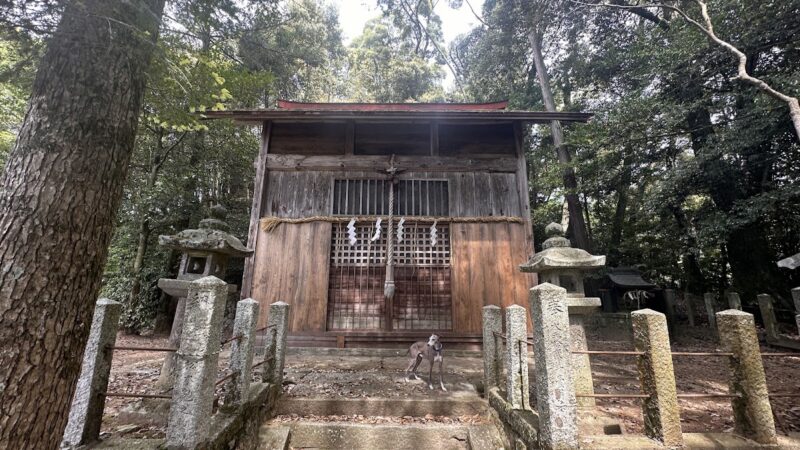
Around the main shrine, there may be several smaller shrines (subsidiary shrines/minor shrines). Each enshrines a different deity, and worshippers visit them seeking specific blessings.
Sacred Tree
Within the shrine grounds, there may be sacred trees said to be several hundred years old. These large trees are living witnesses to the history of the shrine and are cherished as power spots where one can feel sacred energy.
Shrine Office
The shrine office, where goshuin (shrine stamps) are issued, prayer requests are accepted, and amulets are distributed, serves as the point of contact between worshippers and the shrine.
Annual Events and Festivals
Tobata Shrine holds various festivals and events throughout the year.
New Year’s Day Festival (January 1st)
A festival to welcome the new year and pray for peace and prosperity throughout the year. It is bustling with worshippers making their first shrine visit of the year.
Setsubun Festival (around February 3rd)
A traditional event where beans are scattered to ward off evil and invite good fortune. With the chant of “Demons out, fortune in!”, people pray for good health and protection from illness throughout the year.
Prayer Festival (around February 17th)
An important festival to pray for a bountiful harvest of grains in the coming year, coinciding with the arrival of spring.
Grand Festival (Autumn)
The Grand Festival, the most important annual event for the shrine, is usually held in the autumn. A procession of portable shrines and offerings take place, and the entire community is enveloped in a festive atmosphere.
Harvest Festival (November 23rd)
A festival to give thanks for the autumn harvest and to offer the new grain to the gods. This is a traditional event expressing gratitude for the blessings of agriculture.
Great Purification Ceremony (June 30th & December 31st)
This is a Shinto ritual to purify oneself of sins and impurities accumulated over the past six months. The Summer Great Purification Ceremony (June) and the Year-End Great Purification Ceremony (December) are held.
Goshuin (Shrine Seal) Information
Issuance of Goshuin
Tobata Shrine offers goshuin as proof of worship. Goshuin can be obtained at the shrine office.
Issuance Hours: Usually from 9:00 AM to around 5:00 PM (may vary depending on the shrine)
Offering Fee: Approximately 300-500 yen (varies depending on the shrine)
Features of the Goshuin
Tobata Shrine’s goshuin features the shrine’s name and date of visit written in ink, along with the shrine’s seal. Simple yet carefully written, the goshuin is cherished as a memento of the visit.
Goshuincho (Stamp Book)
Some shrines offer their own original goshuincho. Goshuincho with designs reflecting local characteristics and the shrine’s history are popular as souvenirs of visits.
Proper Procedure for Receiving a Goshuin
- First, complete your prayers at the main shrine.
- Open your goshuincho and hand it to the shrine office.
- Pay the offering fee.
- Wait quietly while the goshuin is written.
- Receive the goshuin and express your gratitude.
A goshuin is proof of your visit, not a stamp rally. Receive it with respect for the shrine.
Amulets and Souvenirs
Tobata Shrine offers a variety of amulets and souvenirs.
Main Amulets
- Exorcism Amulet: For those in their unlucky year or those seeking protection from misfortune.
- Family Safety Amulet: For those wishing for the health and peace of their family.
- Traffic Safety Amulet: For safe driving of cars and bicycles.
- Academic Success Amulet: For students taking exams or those aiming for academic improvement.
- Safe Childbirth Amulet: For pregnant women praying for a safe delivery.
- Matchmaking Amulet: For those seeking a good match.
Other Items Offered
- Shinto Talisman (Ofuda): A sacred talisman to be placed on the household shrine.
- Demon-Repelling Arrow: A lucky charm for the New Year and a decoration for warding off evil.
- Ema (Votive Tablet): A wooden plaque on which to write wishes and offer them.
- Omikuji (Fortune Slip): A message from the gods.
Proper Worship Etiquette
There is proper etiquette for visiting a shrine. When visiting Tobata Shrine, please follow the steps below.
How to Pass Through the Torii Gate
- Bow once before the torii gate.
- Walk along the edge of the path, as the center is considered the path of the gods.
How to Wash Your Hands
- Hold the ladle in your right hand and wash your left hand.
- Switch the ladle to your left hand and wash your right hand.
- Switch the ladle back to your right hand, receive water in your left hand, and rinse your mouth.
- Wash your left hand again.
- Hold the ladle upright, let the water flow down the handle, and return it to its original place.
How to Worship at the Main Hall
- Stand in front of the offering box.
- Bow slightly and then place your offering in the box.
- If there is a bell, ring it.
- Worship using the two bows, two claps, and one bow method.
- Bow deeply twice.
- Clap your hands twice at chest height.
- Pray with all your heart.
- Bow deeply once.
- Quietly withdraw.
Access Information
Location
The exact location of Tobata Shrine is within a specific city/town in Kyoto Prefecture. We recommend checking the latest information before your visit.
Access by Public Transportation
By Train/Bus:
You can access the shrine on foot or by bus from the nearest station. Specific routes and travel times vary depending on the shrine’s location, so please check the transportation company’s website or map app in advance.
General Access Method:
- Take a local train from a major station in Kyoto City.
- Get off at the nearest station.
- Walk or take a bus from the station to the shrine.
Access by Car
By Car:
You can access the shrine by entering the shrine name or address into your car navigation system. It is accessible from major roads in or around Kyoto City.
Parking
Depending on the size and location of the shrine, there may or may not be a dedicated parking lot. We recommend checking before your visit. If there is no parking lot, please consider using a nearby coin-operated parking lot or accessing the shrine by public transportation.
Important Notes Regarding Access
- Crowds are expected on festival days and during the New Year’s visit period.
- If the shrine is located in a residential area, consideration for nearby residents is necessary.
- Some roads are narrow, so caution is advised when accessing with large vehicles.
Suitable Time and Season for Visiting
Recommended Time for Visiting
Spring (March-May): A beautiful season with cherry blossoms and fresh greenery, perfect for a refreshing visit.
Autumn (September-November): The leaves change color, and events such as the annual festival are held.
New Year’s Visit (January 1st-3rd): Many visitors come to pray for the New Year.
Visiting Hours
The shrine grounds are generally open all day, but the shrine office has limited hours.
Shrine Office Hours: 9:00 AM to approximately 5:00 PM (may vary depending on the shrine)
Visiting Hours: From sunrise to sunset (please refrain from visiting at night)
Times to Avoid
- Please refrain from visiting early in the morning or late at night out of consideration for the surrounding area.
- Visiting may be discouraged during festival preparations or religious ceremonies.
Nearby Tourist Attractions
When visiting Tobata Shrine, you can also visit nearby tourist attractions.
Major Tourist Attractions in Kyoto Prefecture
Kyoto Prefecture boasts numerous historical buildings and natural landscapes:
- World Heritage Sites: Kiyomizu-dera Temple, Kinkaku-ji Temple, Ginkaku-ji Temple, etc.
- Historical Streetscapes: Gion, Arashiyama, Fushimi Inari Shrine, etc.
- Natural Landscapes: Hozugawa River Boat Ride, Amanohashidate (Northern Kyoto Prefecture), etc.
Local Specialties
Purchasing local specialties and souvenirs as a memento of your visit is highly recommended:
- Kyoto-style Japanese sweets
- Local agricultural products
- Traditional crafts
The Charm of Tobata Shrine
A Faith Rooted in the Community
The greatest charm of Tobata Shrine lies in its deep roots in the local community. Unlike large, touristy shrines, it maintains a simple and warm atmosphere as a place of daily prayer for local people.
A Tranquil Environment
The quiet environment, far removed from the hustle and bustle of the city, is ideal for calming your mind and connecting with the gods. Taking time to visit the shrine and escape from the hustle and bustle of daily life can be a refreshing experience for the mind.
Seasonal Beauty
The trees and flowers on the shrine grounds display different beauty throughout the seasons. You can enjoy the fresh greenery of spring, the deep green of summer, the vibrant autumn leaves, and the tranquility of winter—each season offers its own unique beauty.
Preservation of Traditional Culture
Through annual events and festivals, Japanese traditional culture is carefully preserved. The sight of local people coming together to enliven the festivals is a precious scene in modern society.
Manners and Precautions During Visits
Dress Code
While there are no specific dress code requirements, it is desirable to dress appropriately and respectfully, keeping in mind that this is a sacred place.
- Avoid revealing clothing
- Dress neatly and cleanly
- Formal attire is preferred when receiving prayers
Photography
Photography is generally permitted on the shrine grounds, but please note the following:
- Photography may be prohibited inside the main hall
- Refrain from taking photos during Shinto rituals
- Be considerate of other worshippers
- Avoid using flash photography
- Use of tripods requires prior confirmation
Prohibited Items
- Eating and drinking on the shrine grounds (except in designated areas)
- Smoking
- Bringing pets (except guide dogs, etc.)
- Loud conversations
- Actions that defile the sacred area
Visiting with Children
Children are welcome to visit, but please note the following:
- Keep an eye on children to prevent them from running around
- Encourage them to keep them quiet
- Instruct them not to damage the shrine’s facilities or plants
What you can experience at Tobata Shrine
Daily Worship
Daily worship, where you express your gratitude and wishes to the gods, can be done easily at any time. The time spent praying with sincere hearts becomes a precious opportunity to reflect on yourself.
Prayers and Supplications
For important life milestones or special wishes, you can receive formal prayers (reservations may be required):
- Prayers for protection against misfortune
- Prayers for family safety
- Prayers for business prosperity
- Prayers for safe childbirth
- First shrine visit for a newborn
- Shichi-Go-San ceremony
- Prayers for passing exams
- Prayers for traffic safety
Life Rituals
Rituals for important life milestones are also performed:
- First shrine visit: Reporting the birth of a baby to the gods and praying for healthy growth
- Shichi-Go-San: Celebrating a child’s growth and praying for future health
- Prayers for protection against misfortune in unlucky years: Praying for safe passage through unlucky years
- Wedding: Shinto wedding ceremony (if available)
Participation in Seasonal Events
By participating in seasonal events such as the annual festival and Setsubun festival, you can experience traditional Japanese culture. You can also interact with local people and feel closer to the shrine. ## The Future of Tobata Shrine
Preserving Tradition
In today’s society, characterized by a declining birthrate, an aging population, and increasing urbanization, maintaining a local shrine is not easy. However, at Tobata Shrine, traditions are carefully preserved thanks to the efforts of local residents and parishioners.
As a Core of the Local Community
Shrines are not merely religious institutions; they also play a vital role as a core of the local community. Through festivals and cleaning activities, they serve as a place for intergenerational exchange, strengthening community bonds.
Welcoming New Visitors
While preserving tradition, a welcoming attitude towards new visitors is also valued. For those visiting shrines due to the popularity of collecting Goshuin (shrine stamps) or power spot pilgrimages, it offers a valuable opportunity to experience traditional Japanese culture.
Summary
Tobata Shrine is a historic shrine located in Kyoto Prefecture, long cherished by the local community. It offers various blessings, including bountiful harvests, family safety, and protection from evil, and is a place where one can pray in a peaceful environment.
Through annual events and festivals, traditional Japanese culture is passed down, and the shrine also plays a vital role as a core of the local community. They offer Goshuin (stamped seals) and amulets, allowing visitors to take home a memento of their visit.
When visiting Kyoto Prefecture, why not visit not only famous tourist spots but also local shrines? A visit to Tobata Shrine will be a valuable experience, allowing you to connect with traditional Japanese culture and the warmth of the community.
When visiting, please observe proper etiquette and manners, be mindful that it is a sacred place, and offer your prayers with sincerity. The quiet time spent at the shrine will bring peace and strength to your heart.