Complete Guide to the Three Misayama Shrines (Nagano Prefecture): The Sacred Sites of Suwa Grand Shrine and the History of the Hunting Ritual
In the Suwa region of Nagano Prefecture, there are three important Misayama shrines associated with Suwa Grand Shrine. These shrines—Kami-sha Misayama-sha, Shimo-sha Misayama-sha, and Moto-Misayama—are sacred sites that form the core of the ancient Suwa faith and are the origin of place names such as Misayama, Gosaiyama, and Sansaiyama found throughout Japan. This article provides a detailed explanation of the history of these three Misayama shrines, the tradition of the hunting ritual, and their current state.
What is Misayama?: “Kōya,” the Hunting Ground of Suwa Myōjin
Misayama is a sacred site of extremely important significance in the faith of Suwa Grand Shrine. The name “Misayama” originates from the hunting ritual using bows and arrows in Shinto ceremonies, and it has been called “Kōya” (神野) since ancient times as the hunting ground of Suwa Myōjin.
The Role of Misayama in Suwa Faith
Suwa Grand Shrine is the Ichinomiya (first-ranked shrine) of Shinano Province, with four shrines located around Lake Suwa in Nagano Prefecture: the Upper Shrine (Honmiya and Maemiya) and the Lower Shrine (Harumiya and Akimiya). Misayama Shrine, existing as an auxiliary shrine outside the main grounds, has its own unique form of worship distinct from the main shrine, and has functioned as a center for rituals related to martial arts and hunting.
At Misayama, which was the hunting ground of Suwa Myojin, a grand hunting ritual was held for five days from the 26th to the 30th of the 7th month of the lunar calendar. This festival became nationally famous and contributed to the spread of Suwa faith throughout Japan. Even today, the traditional rituals are continued on August 27th, the annual festival day.
Upper Shrine Misayama Shrine: A Sacred Site at the Foot of the Yatsugatake Mountains
Location and Access
Misayama Shrine, an Upper Shrine of Suwa Grand Shrine, is located in Fujimi-machi, Suwa-gun, Nagano Prefecture, surrounded by the rich natural beauty of the Yatsugatake Mountains. Located near the Suwa-Minami Interchange on the Chuo Expressway, it is relatively easy to access.
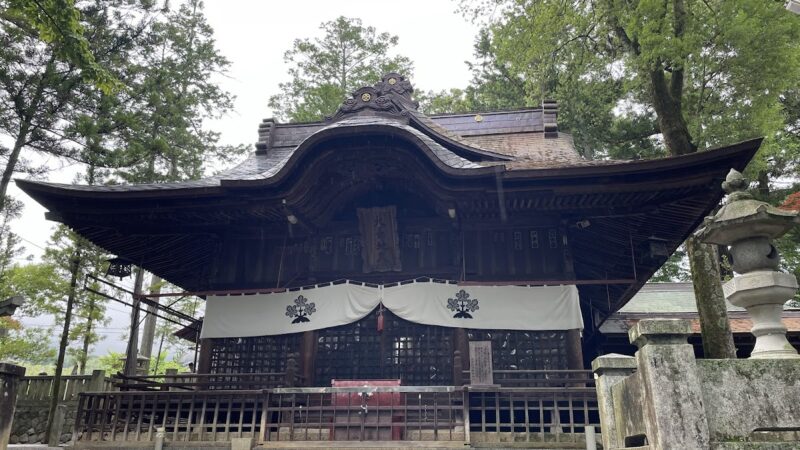
After walking through the dense forest from the parking lot, the tranquil main hall comes into view. This place is also known as “Harayama-sama” and is deeply revered by the local people.
Deities and Beliefs
The deities enshrined at Kami-sha Misayama Shrine are Takeminakata-no-Mikoto and Kunitokotachi-no-Mikoto. Takeminakata-no-Mikoto is the principal deity of Suwa Grand Shrine and is known as a god of great martial prowess. Kunitokotachi-no-Mikoto is a fundamental deity in Japanese mythology and is considered the god who governs the foundation of the land.
Characteristics and Atmosphere of the Shrine Grounds
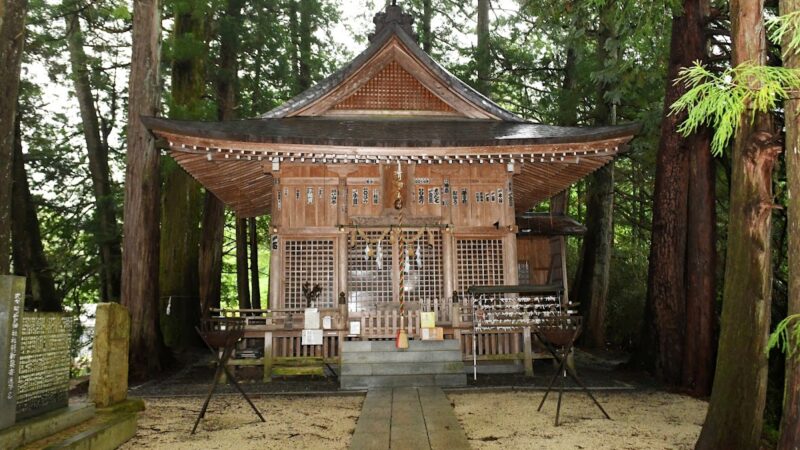
The grounds of Kami-sha Misayama Shrine are a serene space covered by a deep forest. This area, once a hunting ground for Suwa Myojin, still retains a strong sense of its ancient sacredness, allowing visitors to reflect on the faith of antiquity.
The shrine buildings, though simple, exude a solemn presence, harmonizing with the surrounding nature. The approach to the shrine, particularly through the forest, creates an atmosphere of a different world, far removed from the hustle and bustle of the city.
Misayama Shrine Festival and Unique Rituals
At the Upper Misayama Shrine, a unique ritual is performed to pray for the health of children. This ritual involves the unusual custom of releasing loaches into a pond, praying for the healthy growth of children and protection from evil. It is especially known as a ritual to ward off evil for two-year-olds and is a cherished tradition among the local people.
The current annual festival is held on August 27th. A temporary hut is thatched with reeds, and the priests and others seclude themselves there to perform the ceremony, hence it is also known as the “Reed Hut Festival.” This temporary shrine tradition is a valuable cultural heritage that preserves the form of the ancient hunting ritual.
Shimosha Misayama Shrine: A Mysterious Sanctuary in the Mountains
History of Relocation and Location
The Misayama Shrine of the Shimosha (lower shrine) of Suwa Grand Shrine is located in the mountains of Shimosuwa-machi, Suwa-gun. It is situated approximately 3-5 kilometers northeast of Akimiya Shrine, and was relocated to its current location during the Genroku era in the early Edo period.
Previously, it was located near Yashima Plateau (Yashima Marsh) within the Kirigamine Plateau, and its former site is now a separate place of worship known as “Old Misayama.”
Access and the Charm of the Approach
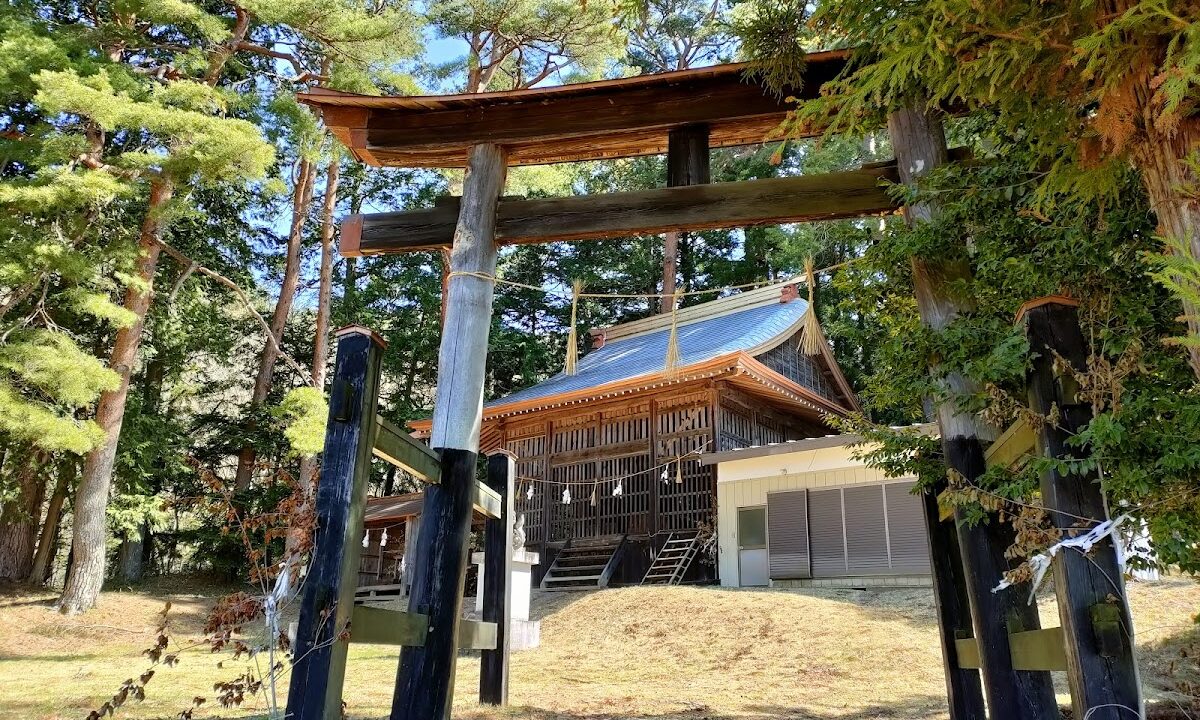
Approximately 10 minutes by car from Shimosha Akimiya Shrine, the approach begins after passing through the torii gate, leading into the forest. After walking for about 5 minutes, a pristine pond appears, its mystical beauty captivating many visitors.
This pond plays a vital role in Shinto rituals, and the sight of its pure spring water creates a landscape truly befitting a sacred site.
A Majestic Atmosphere of the Shrine Grounds
The grounds of the Lower Misayama Shrine are located even deeper in the mountains than those of the Upper Shrine, possessing a more primitive and majestic atmosphere. The shrine buildings, surrounded by forest, are simply constructed, devoid of artificial decoration, creating a strong sense of unity with nature.
Especially in the early morning and evening, sunlight filtering through the trees illuminates the grounds, creating a fantastical scene. Visitors will be able to feel firsthand why this place has been considered sacred since ancient times.
The Actual Misayama Shrine Ritual
The Misayama Shrine ritual of the Lower Shrine can sometimes be encountered when visiting the Autumn Shrine. In this ritual, eels and pampas grass are key elements, showcasing a unique form of worship.
Eels are used in Shinto rituals as symbols of water gods and fertility, while pampas grass plays an important role in ceremonies as a plant associated with the autumn harvest. These elements strongly reflect the nature worship aspect of Suwa faith.
Old Misayama (Kirigamine Honmisayama Shrine): The Origin of Suwa Faith
Sacred Site of Okukirigamine
Old Misayama (Motomisayama) is the oldest Misayama site, located at an altitude of approximately 1,600 meters near the Yashima Marsh on the Kirigamine Plateau. Also known as “Kirigamine Honmisayama Shrine,” this was the original Misayama Shrine before the Lower Misayama Shrine was moved to its current location during the Genroku era.
The Original Stage of the Hunting Ritual
Old Misayama is the place where the Suwa Myojin’s hunting ritual was performed most grandly. The vast plateau region provided an ideal environment for hunting rituals, attracting samurai and nobles from across Japan to compete in martial arts.
The hunting rituals held here were more than just religious ceremonies; they served multifaceted functions as a training ground for martial arts, a social gathering place, and a platform for promoting the Suwa faith. In the Middle Ages, even retainers of the Kamakura Shogunate participated, demonstrating the importance of the Suwa faith within samurai society.
The Present-Day Old Misayama
In stark contrast to its former bustling past, the present-day Old Misayama stands quietly in a corner of the plateau. However, its historical significance remains, and it continues to attract attention from researchers and believers as an essential site for understanding the origins of the Suwa faith.
Nearby is the “Hütte Misayama,” known as the setting for Jiro Nitta’s novel “Descendants of the Mist.” This novel depicts Kirigamine as the birthplace of Japan’s nature conservation movement and widely conveys the value of the natural environment around Old Misayama.
Relationship with Yashima Marsh
The Yashima Marsh, located near the former Mt. Misayama, is a raised bog designated as a national natural monument. The relationship between this marsh and Mt. Misayama is profound; its rich environment of water and forest fulfilled the conditions for a hunting ground for Suwa Myojin.
The ecosystem surrounding the marsh has remained unchanged since ancient times, providing clues to imagining the natural environment at the time the hunting ritual was performed.
The Hunting Ritual: The Core of Suwa Faith
History and Significance of the Ritual
The Hunting Ritual (Okari Shinji) is one of the most important festivals of Suwa Grand Shrine. Held over five days from the 26th to the 30th of the 7th month of the lunar calendar, this ritual involved offering the fruits of the hunt to Suwa Myojin and praying for a bountiful harvest and military success.
The origins of the ritual date back to ancient times, and it is considered an extremely valuable example from an ethnological perspective, as a festival that strongly retains the remnants of a hunter-gatherer society. Hunting with bows and arrows was not merely a means of securing food, but held multifaceted meanings including communication with the gods, community bonding, and martial arts training.
The Tradition of the Hoya Festival
A distinctive element of the Mikari Shinto ritual is the custom of thatching a temporary hut with reeds of blue-green reeds (aogaya). This temporary hut is a temporary structure for priests and participants to stay in during their retreat, and is constructed using only natural materials.
The alternative name, Hoya Festival, originates from this temporary hut made of blue-green reeds, embodying the essence of Suwa faith, which emphasizes harmony with nature. During their stay in the temporary hut, participants left the secular world and sought to become one with the gods.
Martial Arts Competitions and Social Function
Martial arts competitions using bows and arrows were an important element of the Mikari Shinto ritual. Samurai gathered from all over the country competed in skills and sought an opportunity to gain honor. Especially from the Kamakura period to the Muromachi period, it was positioned as an important event in samurai society. This martial arts competition was not merely a competition, but was considered a sacred act of dedication to the gods, and demonstrating superior skill was seen as service to the deities.
Modern Inheritance
Currently, the Mikari Shinto ritual is preserved in a simplified form. On the annual festival day of August 27th, the ritual is performed in a form adapted to modern times while retaining traditional elements.
In particular, the unique traditions of each shrine are preserved, such as the prayer for the health of children at the Upper Misayama Shrine and the ritual using eels and pampas grass at the Lower Misayama Shrine, demonstrating the diversity and flexibility of Suwa faith.
Nationwide Influence: Spread of Misayama Place Names
Nationwide Expansion of Suwa Faith
The fame of the Mikari Shinto ritual at Misayama was a major force in spreading Suwa faith throughout Japan. Since the Middle Ages, there are said to be approximately 10,000 Suwa shrines throughout Japan that were established by inviting deities from Suwa Grand Shrine, and many of them are associated with place names and beliefs related to Misayama.
Place Names of Misayama, Gosaiyama, and Sansaiyama
Place names such as Misayama, Gosaiyama, and Sansaiyama found throughout Japan all originated from Misayama in Nagano Prefecture. These place names were not merely a transfer of names; they played a role in spreading the spirit of Suwa faith and the hunting rituals to various regions.
Especially in samurai society, the character of Suwa Myojin as a god of war was highly valued, and samurai groups in various regions invited Suwa shrines and established Misayama nearby to train in martial arts.
Regional Misayama Faith
In various Misayama locations, rituals using bows and arrows and martial arts competitions were performed, following the example of the original Misayama in Nagano Prefecture. However, many examples show unique developments depending on the era and regional characteristics.
For example, in agricultural areas, the element of praying for a bountiful harvest was emphasized, while in coastal areas, it transformed into a ritual praying for safety at sea and a good catch. Such regional adaptations demonstrate the flexibility and universality of Suwa faith. ## Visiting the Three Misayama Shrines: A Guide
Access to the Upper Misayama Shrine
Location: Fujimi-machi, Suwa-gun, Nagano Prefecture
Nearest Interchange: Suwa-Minami IC, Chuo Expressway
Parking: Available (Free)
Approach: Approximately 5 minutes on foot from the parking lot
The Upper Misayama Shrine is relatively easy to access. Since the approach is through a forest from the parking lot, comfortable walking shoes are recommended.
Access to the Lower Misayama Shrine
Location: Shimosuwa-machi, Suwa-gun, Nagano Prefecture
Starting Point: Approximately 10 minutes by car from Suwa Taisha Shimosha Akimiya
Parking: Limited space available
Approach: Approximately 5 minutes on foot from the torii gate
The Lower Misayama Shrine is located in the mountains, so the road is somewhat narrow. Caution is required when driving. The approach is well-maintained, but it can be slippery in rainy weather, so please be careful.
Access to Old Misayama (Kirigamine Honmisayama Shrine)
Location: Kirigamine, Suwa City, Nagano Prefecture (near Yashima Marsh)
Elevation: Approximately 1,600 meters
Access: Via Venus Line
Notes: Difficult to access in winter due to snow
Old Misayama is located in a plateau area, so be aware of weather changes. Even in summer, temperatures can be low, so it is recommended to bring a jacket.
Best Season for Visiting
Annual Festival Date: August 27th (Current Annual Festival Date)
Recommended Time: May to October
Visiting on the annual festival day may allow you to witness traditional Shinto rituals. However, Old Misayama is difficult to visit in winter (November to April) due to snow.
The scenery is especially beautiful from May to June with its fresh greenery, and in October with its autumn foliage. August, the summer month, is the time for the annual festival, offering an excellent opportunity to experience the traditions of Suwa faith.
Model Course for Visiting the Three Shrines
Here is a model course for visiting the three Misayama shrines in one day.
- Morning: Old Misayama (Kirigamine) – Worship in the refreshing air of the highlands
- Lunch: Around Kirigamine or Shimosuwa Town
- Early Afternoon: Lower Misayama Shrine – Experience the mystical atmosphere of the mountains
- Late Afternoon: Upper Misayama Shrine – Conclude in the forest at the foot of the Yatsugatake Mountains
This course allows you to visit the three shrines efficiently, descending from the highest elevations.
Relationship between the Three Misayama Shrines and Suwa Grand Shrine
Positioning as an Outlying Subsidiary Shrine
The three Misayama shrines, as an outlying subsidiary shrine of Suwa Grand Shrine, occupy a unique realm of faith distinct from the main shrine. While the main shrine, located around Lake Suwa, strongly embodies the characteristics of a god of water and agriculture, the Misayama Shrine embodies the aspects of a god of mountains and hunting.
These two aspects demonstrate the multifaceted divine nature of Suwa Myojin, and the complementary elements of water and mountains, agriculture and hunting, form the richness of Suwa faith.
Pilgrimage to the Four Shrines and Pilgrimage to Misayama Shrine
While the “Four Shrines Pilgrimage” (visiting the Upper Shrine’s Honmiya and Maemiya, and the Lower Shrine’s Harumiya and Akimiya) is common when visiting Suwa Grand Shrine, a visit to the three Misayama shrines is also important for a deeper understanding of Suwa faith.
If the Four Shrines Pilgrimage represents the outward face of Suwa faith, then the Misayama pilgrimage can be said to be an experience that touches upon its hidden face, or its essential aspects. For those particularly interested in martial arts and hunting, or those seeking the prototypes of ancient faith, the three Misayama shrines are a must-see sacred site.
The Modern Significance of the Misayama Faith
The Philosophy of Coexistence with Nature
At the heart of the Misayama faith lies the philosophy of coexistence with nature. Hunting was not merely about killing, but was considered a sacred act of receiving nature’s bounty from the gods. The ethics of being grateful for the prey and not taking more than necessary resonate with modern environmental protection thinking.
It is no coincidence that Hutte Misayama, near the former Misayama, is considered the birthplace of Japan’s nature conservation movement. The reverence for nature rooted in this place became the spiritual foundation of the modern nature conservation movement.
Martial Arts and Spiritual Training
The martial arts practiced in the Misayama hunting ritual were not merely combat techniques, but also a means of spiritual training. The act of drawing the bow was a practice of calming the mind, increasing concentration, and achieving oneness with the gods.
This philosophy has been passed down to the emphasis on spirituality in modern martial arts and sports. The Japanese martial arts spirit, which aims not only for the improvement of skills but also for the cultivation of character, can be said to have one of its origins in the hunting ritual of Misayama.
Core of Regional Identity
The three Misayama shrines are a crucial core of regional identity for the people of the Suwa region of Nagano Prefecture. In particular, the prayer for the health of children at the Upper Misayama Shrine is deeply rooted in the region’s child-rearing culture and has been passed down through generations.
This continuation of locally rooted faith plays an important role in confirming one’s roots and fostering pride in one’s region in today’s increasingly globalized world.
Summary: The Essence of Suwa Faith Conveyed by the Three Misayama Shrines
The three Misayama shrines in Nagano Prefecture—Upper Misayama Shrine, Lower Misayama Shrine, and Old Misayama—are precious sacred sites that convey the essence of Suwa faith to the present day. The hunting ritual, performed in “Kamino,” the hunting ground of Suwa Myojin, went beyond mere religious ritual, possessing multifaceted functions that promoted martial arts training, coexistence with nature, and community unity. The faith and culture nurtured in this region spread throughout Japan, and the place names Misayama, Misaiyama, and Sansaiyama remain to this day. The origins of the approximately 10,000 Suwa shrines nationwide lie in the rituals performed at Misayama.
Currently, the three shrines are situated in distinct environments, each possessing its own unique atmosphere. The Upper Misayama Shrine is nestled in the tranquil forests at the foot of the Yatsugatake Mountains; the Lower Misayama Shrine boasts a pristine pond in the mountains; and the Old Misayama retains the pristine landscape of the Kirigamine Plateau. Visiting these three shrines will be a journey to experience the diversity and profoundness of Suwa faith.
A visit to the three Misayama shrines is not merely sightseeing; it is an experience that touches upon the origins of the Japanese spirit. Reverence for nature, spirituality in martial arts, and the bonds of local community—these values continue to hold significant meaning in modern society.
Whether you’ve already visited all four shrines of Suwa Grand Shrine or not, I highly recommend planning a visit to the Misayama Three Shrines. There, you’ll find a profound and moving experience that can be considered the very origin of Japanese spiritual culture.