Hachiman Shrine (Kanae-Kiriishi, Iida City, Nagano Prefecture) Complete Guide
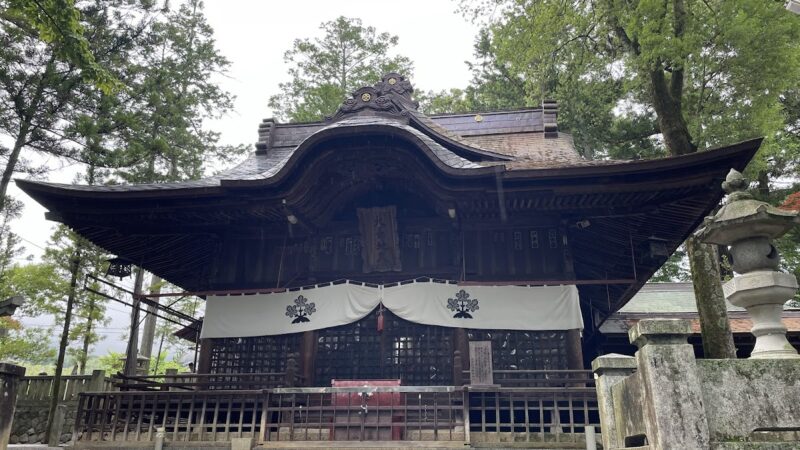
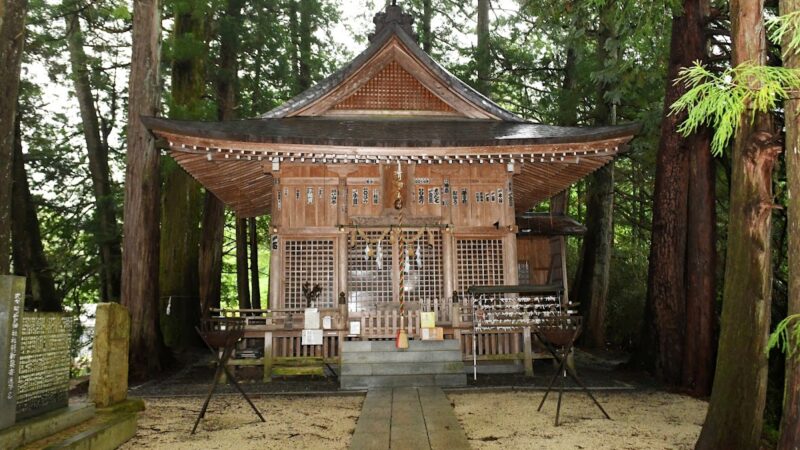
Hachiman Shrine, located in Kanae-Kiriishi, Iida City, Nagano Prefecture, is also known locally as “Tenpaku Hachiman Shrine” and has long been cherished by local residents as the tutelary shrine of the Kiriishi area. This article provides a detailed introduction to the shrine’s history, characteristics, access methods, annual events, and the attractions of the surrounding area.
Basic Information about Hachiman Shrine
Location and Contact Information
Shrine Name: Hachiman Shrine (Tenpaku Hachiman Shrine)
Postal Code: 〒395-0807
Address: 4876 Kanae-Kiriishi, Iida City, Nagano Prefecture
Reading: Nagano-ken, Iida-shi, Kanae-Kiriishi
Prefecture: Nagano Prefecture
City/Town/District: Iida City
District: Kanae District, Kiriishi District
Main Deity and Divine Virtues
Hachiman Shrine is a shrine based on the Hachiman faith, with Emperor Ojin as its main deity. Hachiman has long been revered by the samurai class as the god of military fortune and victory, but currently, he is believed to possess the following divine virtues:
- Good Fortune and Success: Prayers for success in life’s challenges
- Protection from Evil and Disaster: Protection of the community’s safety and peace
- Abundant Harvest: Prayers for agricultural prosperity and a bountiful harvest
- Family Safety: Prayers for the health and happiness of the family
- Traffic Safety: Prayers for safety in modern society
In the Kiriishi district, the tradition of praying for a bountiful harvest and safety in the district at the annual spring festival is still carried on.
How to Access Hachiman Shrine
Access by Train
Nearest Station: JR Iida Line, Kiriishi Station
- Approximately 260m in a straight line from Kiriishi Station
- Approximately 6 minutes on foot
- Approximately 1 minute by car
Kiriishi Station is a station on the Iida Line, conveniently located near the center of Iida City. The path from the station to the shrine is flat and passes through a residential area.
Access by Car
Access from Major Roads:
- Approximately 15 minutes from the Iida Interchange on the Chuo Expressway
- Accessible from National Route 153 (Sanshu Kaido)
- Approximately 10 minutes by car from the center of Iida City
Parking: Parking is available within the shrine grounds or nearby (may be crowded during festivals).
Landmarks in the Surrounding Area
The Kanae Kiriishi area is located in the southern part of Iida City, spreading along the east bank of the Tenryu River. Nearby are historical sites known as the “Kiriishi Seven Myo-ishi,” characteristic of the Kiriishi area, allowing visitors to enjoy exploring the local history in conjunction with visiting the shrine.
History and Origins of Tenpaku Hachiman Shrine
Hachiman Faith and the Kiriishi Area
Hachiman shrines are one of the approximately 44,000 Hachiman shrines throughout Japan. While there are no clear records of the founding date of the Hachiman shrine in the Kiriishi area, it is certain to have a long history as the local tutelary shrine.
The Kanae district of Iida City has long been a thriving agricultural area, utilizing the fertile land of the Tenryu River basin. Hachiman Shrine has been the center of faith for the people of Kirishi district, revered as the guardian deity of agriculture and the protector of the community.
Regarding the name “Tenpaku”
While sometimes referred to locally as “Tenpaku Hachiman Shrine,” the name “Tenpaku” may be related to local history and traditions. Many unique place names and shrine names remain in southern Nagano Prefecture, each imbued with its own distinct history.
Shrine Consolidation in the Meiji Era and the Kanae District
The “Shrine Consolidation Order,” issued in 1908 (Meiji 41), led to the consolidation and closure of small shrines throughout Japan. Many shrines in Iida City were merged, but Kirishi’s Hachiman Shrine maintained its independence as the local tutelary deity and continues to attract the faith of local residents to this day.
Annual Events and the Lion Dance at the Spring Festival
Spring Festival (April)
The most important annual event at Tenpaku Hachiman Shrine is the Spring Festival, held every April. This festival takes place over two days and is a valuable opportunity to pass on the region’s traditional culture to the present day.
Contents of the Spring Festival:
Day 1 (Typically around April 11th):
- A Shinto ritual praying for a bountiful harvest and safety in the Kirishi district.
- Residents participate, praying for a year of abundant harvest and peace.
- Traditional rituals are performed in a solemn atmosphere.
Day 2 (Typically around April 12th):
- Dedication of the lion dance at the Tenpaku Hachiman Shrine Spring Festival.
- Performance of traditional performing arts passed down in the region.
- A lively atmosphere filled with many spectators.
Tradition of the Lion Dance
The lion dance of the Kirishi district is a traditional performing art belonging to the lineage of lion dances passed down in southern Nagano Prefecture. The lion dance has the following meanings:
- Exorcism of Evil Spirits: The lion dance parades through the area, driving away evil spirits and misfortunes.
- Abundant Harvest: Praying for a bountiful harvest by stomping on the earth.
- Good Health: Receiving good health by having one’s head bitten by the lion.
- Community Unity: Deepening the bonds between residents through the festival.
On days with fine weather, the magnificent lion dance is performed under the blue sky, becoming a beloved spring tradition in the Kiriishi district.
Other Annual Events
- New Year’s Visit: Visiting the shrine in the new year.
- Autumn Festival: A festival to express gratitude for the harvest.
- Monthly Festival: Regular monthly rituals.
History and Culture of the Kiriishi District
About the Kanae District
The Kanae district of Iida City is located in the southern part of Iida City, spreading along the east bank of the Tenryu River. The place name “Kanae” is said to originate from the ancient Chinese three-legged vessel “Ding (鼎),” and community development is progressing under the philosophy of “fulfilling people’s needs.”
The Kanae district consists of the following areas:
- Kiriishi District
- Nagokuma District
- Isshiki District
- Shimoyama District
- Other Districts
Each district has its own tutelary shrine, which serves as the center of the local community.
Kiriishi Seven Myo-seki Stones
In addition to “Kiriishi,” which is the origin of the Kiriishi district’s name, there are seven distinctive stones within the district known as the “Kiriishi Seven Myo-seki Stones.” Each of these stones has an interesting legend associated with it, making them important cultural assets that form the historical identity of the Kiriishi district.
Characteristics of the Seven Myojin Stones of Kirishi:
- Kirishi: The stone that gave rise to the district’s name.
- The Other Six Myojin Stones: Each has its own unique legend and characteristics.
In recent years, the Kirishi district has been working to install explanatory plaques on these stones to pass on the region’s history and culture to future generations. A historical walk visiting these historical sites is highly recommended when visiting Hachiman Shrine.
Community Activities in Kirishi District
The Kirishi district is actively working to maintain and revitalize its local community.
- Preservation of Festivals: Maintaining traditional events such as the Spring Festival and Lion Dance
- Cultural Property Protection: Preservation and utilization of historical heritage such as the Kirishi Shichimyōseki (seven sacred stones)
- Dissemination of Local Information: Sharing information through the Kanae District Portal Site
- Intergenerational Exchange: Activities to pass on traditional culture to younger generations
Hachiman Shrine and Shrine Culture in Iida City
Major Shrines in Iida City
Iida City, Nagano Prefecture, is home to many shrines, including Hachiman Shrine.
Representative Shrines in Iida City:
- Kiriishi Hachiman Shrine (4876 Kanae Kirishi): The shrine introduced in this article
- Nagokuma Hachiman Shrine (1350 Kanae Nagokuma): A Hachiman shrine located a 14-minute walk from Kanae Station
- Mitsushima Shrine: Established in 1908 through the merger of six shrines in the Mitsushima area following the Shrine Consolidation Order
- Other District Shrines: Each district has its own shrine with its own history
Characteristics of Shrines in Iida City
Shrines in Iida City have the following characteristics:
- Community-Oriented: Serving as the tutelary deity of each village, playing a central role in the local community.
- Strong Connection to Agriculture: A strong agricultural belief system, praying for bountiful harvests, is deeply rooted.
- Diverse Deities: Enshrining a variety of deities, including Amaterasu Omikami, Suwa Daimyojin, Hachiman, and Inari.
- Preservation of Traditional Performing Arts: Folk performing arts such as lion dances and Kagura are preserved at each shrine.
Shrine Culture of Southern Shinshu
Southern Nagano Prefecture (Southern Shinshu) is a region with a unique shrine culture. The agricultural culture that developed in the Tenryu River basin, the geological features along the Median Tectonic Line, and the influence of transportation routes such as the Nakasendo and Sanshu Kaido have all interacted to form a unique form of belief specific to the region.
Nearby Tourist Spots and Attractions
Attractions Around the Kanae Area
Here are some nearby spots to visit in conjunction with your visit to Hachiman Shrine.
Historical and Cultural Spots:
- Kirishi Shichimyoishi: A historical walk around the legendary stones scattered throughout the area.
- Townscape of Kanae District: A rural village landscape along the Tenryu River basin.
- Old Sanshu Highway: The charming atmosphere along a historic highway.
Natural Spots:
- Tenryu River: A first-class river known as one of Japan’s fastest-flowing rivers.
- View of the Southern Alps: On clear days, you can see the Southern Alps in the distance.
- Rural Landscape: Enjoy the rural scenery of each season.
Tourist Spots in Iida City
Iida City is also known as “Little Kyoto of Southern Shinshu” and is a city with diverse tourist resources.
Major Tourist Attractions:
- Iida Castle Ruins: The historical center of Iida City
- Apple Tree-lined Street: Iida City’s iconic street
- Iida City Museum of Art: A facility where you can learn about the region’s history, culture, and nature
- Tenryukyo Gorge: A scenic spot on the Tenryu River
- Shirabiso Plateau: A spectacular view from an altitude of 1,900m
Experiences & Gourmet Food:
- Fruit Picking: Fruit cultivation of apples, pears, peaches, etc. is thriving
- Goheimochi: A local dish of Southern Shinshu
- Soba Noodles: A famous production area for Shinshu soba noodles
- River Rafting: Rafting experience on the Tenryu River
Iida City as an Access Hub
Iida City, as the central city of southern Nagano Prefecture, is conveniently located as a base for sightseeing in the following areas.
- Achi Village: A village known for having the best starry sky in Japan (approximately 30 minutes by car)
- Hirugami Onsen: A representative hot spring resort in Southern Shinshu
- Shimoguri no Sato: A mountain village known as “Japan’s Tyrol”
- Toyama-go: A mountainous region known as a hidden gem
Manners and Etiquette for Visiting Shrines
Basic Etiquette for Visiting Shrines
We will introduce the basic etiquette for visiting Hachiman Shrine.
How to walk along the approach to the shrine:
- The center of the approach is considered the path of the gods, so walk along the sides.
- Bow when passing through the torii gate.
How to wash your hands:
- Take the ladle with your right hand and wash your left hand.
- Switch the ladle to your left hand and wash your right hand.
- Switch the ladle back to your right hand, receive water in your left hand, and rinse your mouth.
- Wash your left hand again.
- Hold the ladle upright, wash the handle, and return it to its original position.
How to do it at the main hall (two bows, two claps, one bow):
- Gently place your offering in the offering box.
- Ring the bell (if present).
- Bow deeply twice.
- Clap your hands twice at chest height.
- Pray with your hands clasped together.
- Finally, bow deeply once.
Regarding worship during festivals
During festivals such as the spring festival, many worshippers and local residents gather.
- Attire: When attending the festival, clean and understated attire is preferred.
- Photography: Please be discreet during religious ceremonies. Photography is often permitted during lion dances and other performances.
- Parking: Due to congestion during festivals, consider using public transportation.
- Consideration for the Community: Please be quiet when passing through residential areas and take your trash with you.
Hachiman Worship and Regional Characteristics in Nagano Prefecture
Development of Hachiman Worship in Shinshu
Nagano Prefecture (formerly Shinano Province) has numerous Hachiman shrines. This is due to the following historical background:
Relationship with the Samurai Class:
- The Hachiman faith, as the tutelary deity of the Minamoto clan, spread among the samurai class.
- Shinano Province was a region where many samurai groups were active during the medieval period.
- Samurai groups in various regions invited Hachiman and enshrined him as their tutelary deity.
Characteristics as an Agricultural Deity:
- Hachiman was worshipped not only as a god of war but also as a guardian deity of agriculture.
- He was revered as a god of abundant harvests in agricultural areas centered on rice cultivation.
- He was central to spring and autumn festivals praying for regional safety and a bountiful harvest.
Characteristics of the Belief Culture of Southern Shinshu
Southern Nagano Prefecture has the following unique belief culture:
- Mixing with Suwa Faith: Syncretism with Suwa faith, centered around Suwa Grand Shrine
- Mountain Worship: Worship of the surrounding mountains, including the Southern Alps
- Tenryu River Worship: Water deity worship born from coexistence with the river
- Folk Performing Arts: Performing arts such as lion dances and Kagura passed down in various regions
The Community of Kiriishi District and Hachiman Shrine
Guardian Deity Worship and Local Community
In the Kiriishi district, Tenpaku Hachiman Shrine holds significance beyond mere religious facilities.
The Center of the Community:
- A place for residents to interact through annual events
- A place to foster intergenerational community bonds
- A place for the transmission and education of traditional culture
- A symbol of regional identity
Role in Modern Times:
While the weakening of local communities is a challenge in modern society, community activities centered around Hachiman Shrine are actively carried out in the Kiriishi district.
- Spring Festival: Prepared and run by all local residents.
- Lion Dance Transmission: Passing on techniques and spirit to the younger generation.
- Cleaning Activities: Jointly maintaining the shrine grounds and surrounding area.
- Information Dissemination: Activity reports on the district’s portal site.
Community Development in an Era of Population Decline
In the Kanae district, we are working on sustainable community development based on the philosophy of “Fulfilling People’s Needs.”
Examples of Initiatives:
- Discovery and utilization of historical and cultural resources (e.g., Kirishi Shichimyōseki)
- Digitalization and dissemination of local information
- Holding intergenerational exchange events
- Establishing a system to accept people moving to the area from other regions.
Hachiman Shrine also functions as a spiritual cornerstone for this community development.
Advice for Visitors
Recommended Time to Visit
Spring (April):
- Best time to see the spring festival and lion dance
- Beautiful season with cherry blossoms and fresh greenery
- Relatively stable weather
Autumn (October-November):
- Autumn festival is held
- Beautiful season with autumn leaves
- Enjoy sightseeing in the surrounding area, such as fruit picking
Other Seasons:
- New Year’s visit (January): New Year’s prayers
- Summer (July-August): Lush green grounds
- Winter (December-February): Quiet atmosphere, beautiful snow-capped Southern Alps
Estimated Time Required
- Shrine visit only: 15-30 minutes
- Including sightseeing in the surrounding area: 1-2 hours
- Tour of the Seven Myojin Stones: Additional 1-2 hours
- Combined with sightseeing in Iida City: Half a day to a full day
Useful items to bring
- Camera: For taking photos of the shrine grounds and surrounding scenery
- Comfortable walking shoes: If you plan to explore the surrounding area
- Drinks: Especially in summer, to prevent heatstroke
- Map/Smartphone: If you plan to visit the seven sacred stones of Kirishi
- Goshuincho (stamp book): If you plan to receive a Goshuin (stamp) (prior confirmation recommended)
Information on nearby facilities
- JR Kirishi Station: Toilets and waiting room available
- Iida City Center: Plenty of restaurants, convenience stores, and accommodations (approximately 10 minutes by car)
- Roadside Stations: Several located along the national highway, convenient for taking a break and purchasing local products
Summary
Hachiman Shrine (Tenpaku Hachiman Shrine), located in Kirishi, Iida City, Nagano Prefecture, is an important place that conveys the history and culture of the region to the present day. Traditional events, including the lion dance at the spring festival, deepen the bonds among the people of the Kiriishi district and form the core of the community’s identity.
Despite its convenient location just a 6-minute walk from JR Iida Line Kiriishi Station, the shrine nestled in a quiet residential area offers peace and tranquility to visitors. When visiting Iida City or Southern Shinshu, be sure to visit this historic Hachiman Shrine and experience the local culture and way of life.
Along with the surrounding Kiriishi Seven Myoishi rocks, the magnificent scenery of the Tenryu River, and the rich nature and culture of Southern Shinshu, it will surely become an unforgettable travel memory. We recommend that you pay your respects to the faith and traditions that the local people have carefully preserved and offer your prayers in a quiet and peaceful manner.