Suwa Shrine (Kaname-Isshiki, Iida City, Nagano Prefecture) Complete Guide
The Suwa Shrine, located in Kaname-Isshiki, Iida City, Nagano Prefecture, is a tutelary shrine that has been cherished by local residents for centuries. This article provides detailed information you should know before visiting, including the history of the Suwa Shrine, its enshrined deities, the characteristics of its grounds, visiting information, and access methods.
Basic Information on Suwa Shrine (Kaname-Isshiki)
The Suwa Shrine is located in the Kaname-Isshiki district of Iida City, Nagano Prefecture, and has been revered as a guardian deity of the region for many years. While there are several Suwa Shrines in Iida City, the Suwa Shrine in Kaname-Isshiki has its own unique history and culture as a tutelary shrine deeply rooted in the community.
Location and Basic Data
- Location: Kanai-isshiki, Iida City, Nagano Prefecture
- Main Deity: Takeminakata-no-kami
- Shrine Rank: Village Shrine
- Annual Festival Day: A festival based on local traditions is held.
About the Deity
Takeminakata-no-kami
Takeminakata-no-kami, the main deity of Suwa Shrine, is a god appearing in Japanese mythology and is also known as the main deity of Suwa Grand Shrine. He is a son of Okuninushi-no-mikoto and has been worshipped as a brave and fearless warrior god, as well as a god of agriculture, fishing, and hunting.
Divine Virtues
Takeminakata-no-kami is believed to possess the following divine virtues:
- Good Fortune and Victory: As a god of war, prayers are offered for success in competitions and contests.
- Abundant Harvest: As a god of agriculture, prayers are offered for bountiful harvests and business prosperity.
- Good Fortune and Prosperity: Good fortune and prosperity in all aspects of life.
- Protection from Evil: Protection from disasters and misfortunes, and safeguarding the safety of the household.
History of Suwa Shrine
Circumstances of Founding
The exact founding date of the Suwa Shrine in Kanai-isshiki is unclear due to limitations in historical documents, but it is believed to have been established through a branch shrine from the Suwa Grand Shrine in Shinshu, coinciding with the development of this region. The Iida region in southern Nagano Prefecture has long been a center of Suwa worship, with Suwa shrines being enshrined in each settlement.
Historical Background of the Kanae District
The place name Kanae is said to originate from either the ancient three-legged vessel “ding” or from the shape of the area, which is formed by the merging of three regions. The Kanae-Isshiki district developed as a settlement centered on agriculture, and Suwa Shrine has functioned as a central presence in the local community.
Connections to the Community
Throughout the changing times from the Edo period to the Meiji, Taisho, and Showa eras, Suwa Shrine has played an important role as a spiritual pillar for the local residents and as a venue for annual events and festivals. It is still carefully preserved by the local parishioners.
Highlights of the Shrine Grounds
Main Hall and Worship Hall
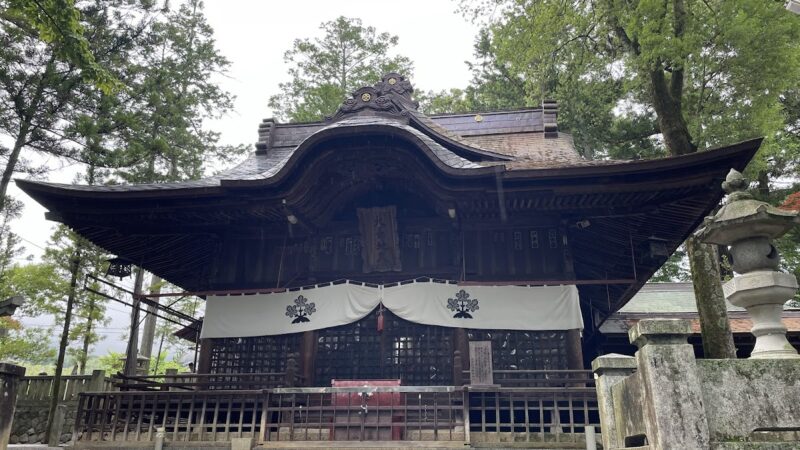
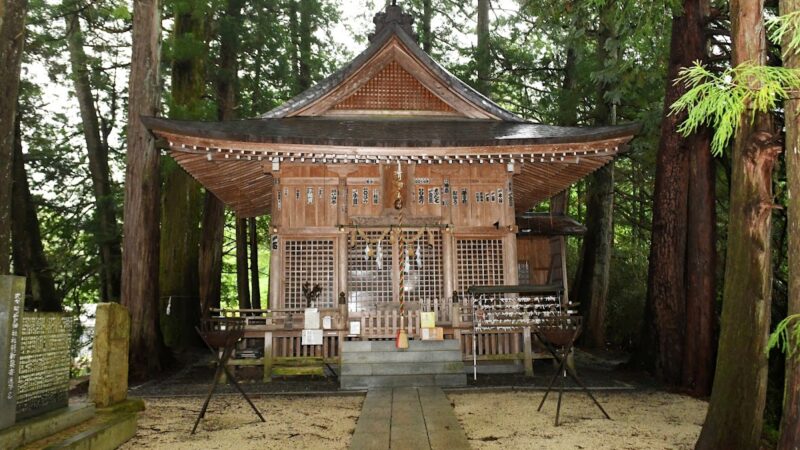
The main hall of Suwa Shrine is built in the traditional style of shrine architecture. Although small in scale, it is carefully maintained by the faith of the local people, preserving a clean and solemn atmosphere.
Atmosphere of the Shrine Grounds
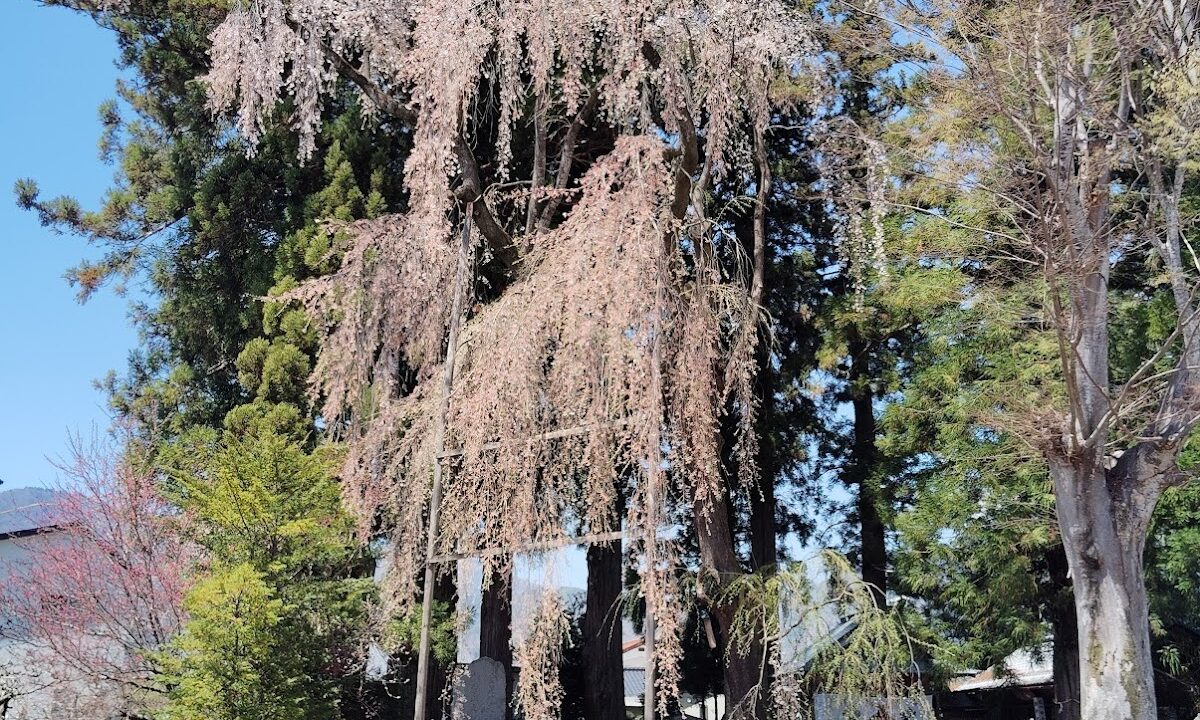
Suwa Shrine in Kanae-Isshiki is a shrine quietly nestled within a residential area. The shrine grounds are planted with ancient trees, allowing visitors to experience the beauty of nature throughout the seasons. The scenery is particularly beautiful during the fresh greenery of spring and the vibrant autumn foliage.
Stone Monuments and Memorials
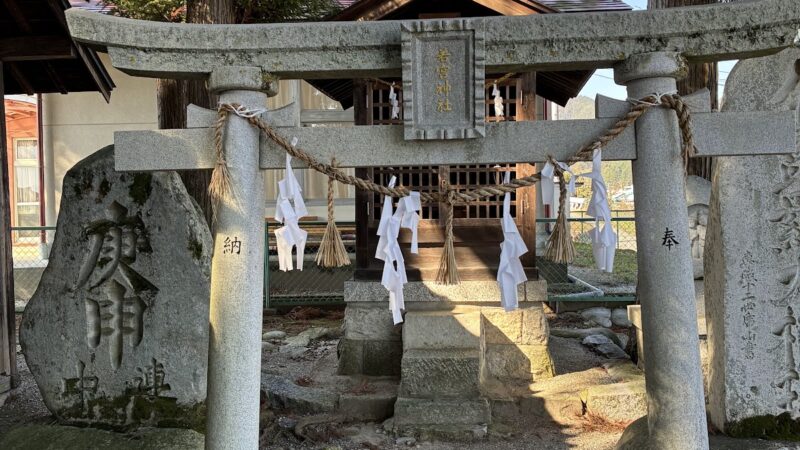
Sometimes, stone monuments and memorials that tell the history of the region are erected within the shrine grounds. These are valuable historical documents that convey the history of the region’s development and records of donations made to the shrine.
Annual Events and Festivals
Annual Festival (Autumn Festival)
The most important event at Suwa Shrine is the annual festival. While the timing varies by region, it is generally held in autumn, expressing gratitude for a bountiful harvest and praying for the peace and prosperity of the community.
New Year’s Visit
At the start of the new year, local residents visit the shrine for their first shrine visit of the year, praying for safety and well-being for their families throughout the year. Although it is a small shrine, it is an important New Year’s tradition for the local people.
Other Annual Events
- Setsubun Festival: Traditional events such as bean-throwing
- Natsukoshi no Harae: A Shinto ritual to purify oneself of impurities accumulated over the past six months
- Shichi-Go-San: A visit to celebrate the growth of children
How to Visit and Manners
Basic Visiting Etiquette
When visiting Suwa Shrine, please observe the following basic etiquette:
- Bow before passing through the torii gate: As a greeting before entering the sacred area
- Purify yourself at the water basin: Cleanse your hands and mouth to purify your mind and body
- Walk along the edge of the path: The center is considered the path for the gods
- Worship in front of the main hall: Two bows, two claps, and one bow is the basic method
- Exit quietly: Bow again after leaving the torii gate
Attire for Visiting the Shrine
There are no specific dress code requirements, but clean and respectful attire is preferred, as it is a sacred place.
Photography
Photography is generally permitted within the shrine grounds, but photography inside the main hall and during religious ceremonies should be avoided. Please also be considerate of other visitors.
Goshuin (Shrine Seals)
Issuance of Goshuin
As Suwa Shrine in Kanai-isshiki is a small shrine, goshuin may not be available at all times. If you wish to receive a goshuin, please note the following:
- The chief priest may not be present at all times.
- We recommend contacting other shrines or the Iida City Tourist Association in advance.
- Goshuin may be available on special days such as the annual festival.
Goshuincho (Shrine Seal Book)
For those starting to collect goshuin for the first time, it is recommended to purchase a goshuincho at the shrine or bookstore before visiting. Remember that goshuin are proof of your visit, not a stamp rally.
Access Information
Access by Car
Access from the Chuo Expressway:
- Approximately 10 minutes from Iida IC
- Parking: There may be some parking space on the temple grounds or nearby.
From Major Roads:
- From National Route 153 (Sanshu Kaido), head towards the Kanae area.
- As you will be driving on local residential streets, caution is advised when driving through residential areas.
Access by Public Transportation
JR Iida Line:
- Within walking distance from Kanae Station or Kiriishi Station (approximately 15-20 minutes).
- Local buses are also available, but the number of services is limited, so prior confirmation is necessary.
Route Bus:
- Take a route bus operating within Iida City towards the Kanae area.
- A few minutes’ walk from the nearest bus stop.
Landmarks in the Surrounding Area
Since Kanae-Isshiki is a residential area, we recommend using a car navigation system or a smartphone map app. Local residents are often happy to provide directions.
Nearby Tourist Attractions
Major Tourist Attractions in Iida City
When visiting Suwa Shrine, why not also visit other tourist attractions in Iida City?
Iida Castle Ruins & Iida City Museum of Art:
- A facility where you can learn about the history and culture of Iida City.
- Approximately 10 minutes by car from Suwa Shrine.
Moto-Zenkoji Temple:
- The temple where the principal image of Zenkoji Temple was first enshrined.
- It is said, “Visit Moto-Zenkoji Temple at least once; visiting only Zenkoji Temple is an incomplete pilgrimage.”
Tenryukyo Gorge:
- A scenic spot where you can enjoy the beauty of the Tenryu River gorge.
- Boat trips and walks along the promenade are popular.
Around the Kanae District
Suwa Shrine at Kanae Kirishi:
- Another Suwa Shrine within the same Kanae district.
- A “Suwa Shrine Pilgrimage” visiting multiple Suwa Shrines is also interesting.
Apple Orchards & Farm Produce Direct Sales Outlets:
- Fruit cultivation is thriving in the Iida region, and you can enjoy apple picking depending on the season.
Iida City and Suwa Faith
The Spread of Suwa Faith in Shinshu
Nagano Prefecture (Shinshu) is the home of Suwa Grand Shrine, and Suwa shrines are distributed throughout the prefecture. The southern Shinshu region, including Iida City, is no exception, with many villages bearing Suwa shrines.
Characteristics of Suwa Faith
Suwa faith has the following characteristics:
- Onbashira Festival: A grand festival held once every seven years (Suwa Grand Shrine)
- Character as a Hunting God: Worship of the god of mountains and hunting
- Aspect as an Agricultural God: God of water and abundant harvests
- Reverence as a War God: Worshiped by many warlords, including Takeda Shingen
A Faith Rooted in the Region
The Suwa Shrine in Kanaiisshiki has also inherited these traditions of Suwa faith, while fostering a unique regional history and culture. Although not a large shrine, it is an irreplaceable presence for the local community.
Precautions When Visiting the Shrine
Considerations for a Shrine Located in a Residential Area
Since Suwa Shrine in Kanae-Isshiki is located in a residential area, please be mindful of the following points:
- Consideration for Noise: Please refrain from loud conversations and making noise.
- Parking: Please avoid street parking as it will inconvenience nearby residents.
- Take Your Trash Home: To keep the shrine grounds clean, please be sure to take your trash home with you.
- Entry onto Private Property: Please do not enter areas other than the shrine grounds.
Visiting Hours
The shrine grounds are generally open at all times, but it is advisable to avoid visiting early in the morning or late at night out of consideration for the neighbors. We recommend visiting during daylight hours.
Local History and Culture
Origins of the Kanae District
The Kanae district is a district of Iida City consisting of Kanae-Nada-cho, Kanae-Isshiki, Kanae-Kiriishi, Kanae-Nakadaira, and Kanae-Shimoyama. Located on the river terrace of the Tenryu River, the area has developed primarily through agriculture since ancient times.
Traditional Events and Festivals
The region has a variety of traditional events, including the annual festival of Suwa Shrine. These events strengthen community bonds and play an important role in passing on traditional culture to future generations.
Role in Modern Times
Even in today’s increasingly urbanized world, Suwa Shrine continues to function as a spiritual anchor for local residents and as the center of the community. It is a beloved place visited at important life events such as New Year’s visits, Shichi-Go-San (a traditional rite of passage for children), and exorcisms.
Shrine Culture in Iida City
Diverse Shrines
Besides Suwa Shrine, Iida City has various other shrines, including Hachiman Shrine, Tenmangu Shrine, and Inari Shrine. Each has its own unique characteristics that reflect the history and culture of the region.
Shrines and Community Building
Shrines are not merely religious facilities; they are cultural assets that convey the history of the region and serve as nexus points for the community. Through festivals and cleaning activities, it also serves as a place for community interaction.
Recommendation for Visiting Shrines
Why Visit Small Local Shrines?
While famous grand shrines are wonderful, small, locally rooted shrines possess a unique history and warmth specific to the region. Suwa Shrine in Kanaiisshiki is a precious place that has been preserved by the faith of the local people.
How to Enjoy Shrine Visits
When visiting Iida City, visiting several shrines is an interesting experience. Experiencing the individuality and historical differences of each shrine deepens your understanding of the region.
Heartfelt Worship
Shrine visits are not merely sightseeing or seeking blessings; they are also an opportunity to express gratitude and find inner peace. The time spent praying in the quiet shrine grounds will be a precious moment away from the hustle and bustle of everyday life.
Summary
Suwa Shrine in Kanaiisshiki, Iida City, Nagano Prefecture, has long been revered as a local guardian deity. This shrine enshrines Takeminakata-no-kami as its principal deity and is believed to bestow blessings such as good fortune in competitions, abundant harvests, and protection from evil.
Although small in scale, it is carefully preserved by local residents and plays a central role in the community through annual events such as festivals and New Year’s visits. When visiting Iida City, be sure to visit Suwa Shrine and experience the history and culture of the region.
As it is located in a residential area, please be considerate of the neighbors when visiting and offer your prayers quietly and respectfully. We hope you will enjoy the warm and solemn atmosphere that can only be felt at such a small shrine.