Imabuku Shrine (Nagasaki Prefecture) Complete Guide | History, Benefits, Access, and Visiting Information
Nagasaki Prefecture boasts numerous historical shrines, but this article provides a detailed introduction to Imabuku Shrine, which enjoys deep roots in the local community. This article comprehensively covers the historical background, benefits, worship methods, and access information of Imabuku Shrine, providing helpful information for those considering a visit.
What is Imabuku Shrine?
Imafuku Shrine is a shrine located in Nagasaki Prefecture, and has long been revered by local residents. The place name “Imafuku” has the auspicious meaning of “good fortune is coming now,” and has long been a spiritual haven for people praying for happiness.
The shrine is cherished as the local guardian deity, a place where people pray for abundant harvests, family safety, and business prosperity. The shrine grounds are enveloped in tranquility, making it a place to escape the hustle and bustle of the city and find peace of mind. It attracts not only locals but also visitors from outside the prefecture.
History and Origin of Imafuku Shrine
Founding History
The founding date of Imafuku Shrine is inferred from local oral traditions and ancient documents. Like many shrines in Nagasaki Prefecture, Imafuku Shrine is deeply intertwined with the history of regional development, and it is believed to have been founded by the pioneers who cultivated the land, praying for abundant harvests and peace in the region.
Historical Changes
Nagasaki Prefecture was a region strongly affected by the anti-Christian policies during the Edo period. Within this historical context, shrines played an important role as a spiritual pillar for local residents. Despite various social changes, such as the Meiji-era separation of Shinto and Buddhism and the post-war religious reforms, Imafuku Shrine has survived as a center of local faith.
Connection with the Community
Imafuku Shrine has functioned not only as a religious facility but also as a center of the local community. The festivals and events held throughout the year serve as a place for interaction among local residents, fostering bonds across generations.
Deities and Benefits
About the Deities
The deities enshrined at Imafuku Shrine have been revered since ancient times as guardian deities of the region. Some shrines enshrine multiple deities, and various benefits can be expected depending on the divine virtues of each deity.
Generally, deities enshrined as local guardian deities include Okuninushi-no-Mikoto, Susanoo-no-Mikoto, and Amaterasu-Omikami, each possessing divine virtues such as matchmaking, protection from evil, and national peace.
Main Benefits
The main benefits you can expect at Imafuku Shrine include the following:
Family Safety and Harmony
It is believed that the shrine protects the health and peaceful lives of families. Many people visit the shrine when building a new house or moving.
Business Prosperity and Success
Many business owners and self-employed individuals visit the shrine to pray for the development of their businesses. Due to the auspicious name “Imafuku,” many also pray for the success of new ventures.
Prayers for Abundant Harvest
In agricultural regions, the traditional belief in praying for a bountiful harvest continues. Special prayers are sometimes held before rice planting in spring and during the autumn harvest season.
Protection from Misfortune and Disaster
It is believed to offer protection from misfortune during unlucky years and from various disasters in daily life.
Matchmaking and Successful Relationships
Many visitors come to pray for good encounters and harmonious relationships.
Highlights of the Shrine Grounds
Main Hall and Worship Hall
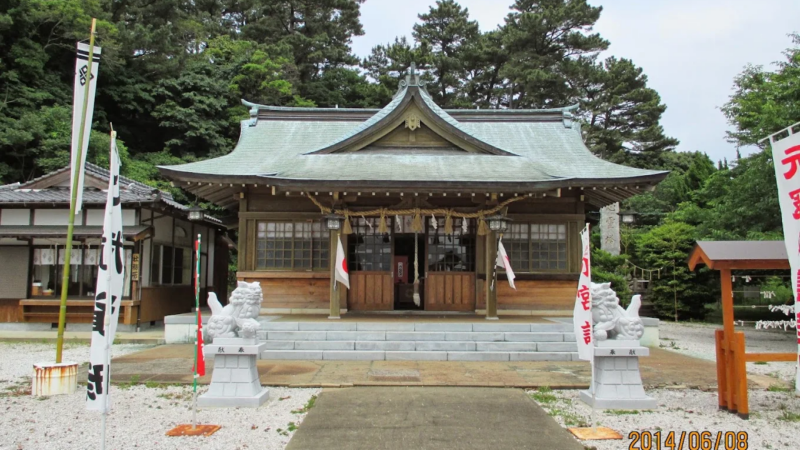
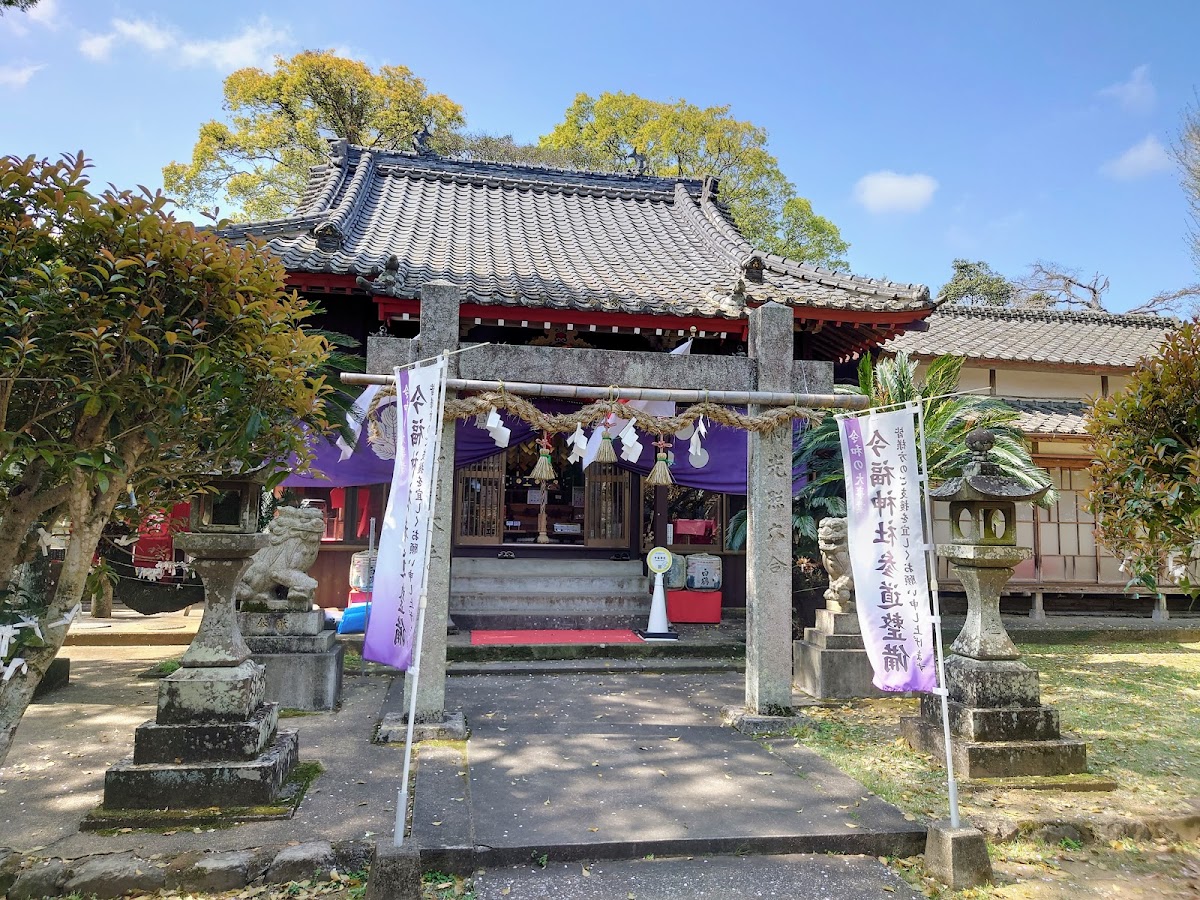
The main hall of Imafuku Shrine maintains the style of traditional shrine architecture. The wooden structure is carefully maintained through regular repairs, allowing visitors to feel the weight and solemnity of history. At the main hall, you can show respect to the gods by praying with the correct etiquette.
Torii Gate and Approach
The torii gate, standing at the entrance of a shrine, serves as a boundary separating the sacred realm from the secular world. The correct etiquette is to bow before passing through the torii gate. It is recommended to avoid walking in the center of the approach, as the center is considered the path of the gods.
Water Basin (Chozuya)
There is a water basin (chozuya) for purifying the body and mind before praying. By following the correct water basin etiquette, you can approach the shrine with a pure heart.
Subsidiary Shrines and Auxiliary Shrines
Besides the main shrine, there may be several smaller shrines within the grounds. These are called auxiliary shrines and minor shrines, each enshrining a different deity, allowing you to seek diverse blessings.
Sacred Trees and Nature
Sometimes, sacred trees over several hundred years old stand within the shrine grounds. Ancient trees are cherished as sacred places where deities reside, and many worshippers pray before them. The beauty of nature throughout the seasons is also one of the shrine’s attractions.
How to Worship and Manners
Proper Worship Etiquette
There are traditional customs for worshipping at shrines. By following the steps below, you can appropriately show respect to the deities.
1. Bowing at the Torii Gate
Before passing through the torii gate, stop and bow slightly. This shows respect for entering the sacred area.
2. How to Walk Along the Path
Walk along the edge of the path. The center is called “seichu” and is considered the path of the deities.
3. Proper Hand-Washing Ritual
- Take the ladle with your right hand and wash your left hand.
- Switch the ladle to your left hand and wash your right hand.
- Switch the ladle back to your right hand, receive water in your left hand, and rinse your mouth.
- Wash your left hand once more.
- Hold the ladle upright, let water flow over the handle, and return it to its original place.
4. Worship at the Main Hall (Two Bows, Two Claps, One Bow)
- Gently place your offering in the offering box.
- Ring the bell if there is one.
- Bow deeply twice (Two Bows).
- Clasp your hands twice at chest height (Two Claps).
- Pray with your hands clasped together.
- Bow deeply once (One Bow).
5. Bowing Upon Exit
When leaving the shrine grounds, turn around and bow after passing through the torii gate.
Attire for Worship
Everyday clothes are acceptable, but overly casual or revealing clothing should be avoided. Especially when receiving formal prayers, proper attire is recommended.
Photography Etiquette
Photography is generally permitted within the shrine grounds, but may be prohibited inside the main hall or in sacred areas. Always check the signs and be considerate of other visitors.
Annual Events and Festivals
Main Annual Events
Imafuku Shrine holds various festivals throughout the year. These events are important opportunities for preserving local traditional culture.
Hatsumode (January 1st-3rd)
Many visitors come for Hatsumode to pray for happiness in the new year. As the saying goes, “The plan for the year is made on New Year’s Day,” and prayers are offered for safety and prosperity in the new year.
Setsubun Festival (around February 3rd)
Events such as bean-throwing are held to ward off evil and invite good fortune. In some regions, mochi (rice cake) throwing is also performed.
Spring Grand Festival
An important festival celebrating the arrival of spring and praying for a bountiful harvest. In some regions, a procession of portable shrines may take place.
Summer Purification Ceremony (June 30th)
A Shinto ritual to purify oneself of the impurities accumulated over the past six months and pray for good health for the remaining half of the year. A ritual of passing through a ring of reeds may also be performed.
Autumn Grand Festival
A festival to express gratitude for the harvest and to offer offerings to the gods. Traditional local performing arts may also be offered.
Shichi-Go-San (around November 15th)
A celebration of children’s growth and prayers for their future health. It is a lively event attended by many families.
Year-End Purification Ceremony (December 31st)
A Shinto ritual to purify oneself of the impurities accumulated over the year and welcome the new year with a refreshed spirit.
Participation in Festivals
Many local festivals are open to general visitors. These offer a valuable opportunity to experience local traditional culture, so please feel free to participate if you are interested.
About Goshuin (Shrine Seals) and Souvenirs
Goshuin (Shrine Seals)
In recent years, collecting goshuin has become a popular hobby. You may be able to obtain a goshuin at Imafuku Shrine. A goshuin is not simply a stamp; it is a precious token received from the shrine as proof of your visit.
Manners for Receiving a Goshuin:
- Always pray before receiving a goshuin.
- Prepare a goshuin notebook (avoid using regular notebooks or colored paper).
- Prepare a donation (around 300-500 yen).
- Request using polite language.
- Wait quietly while the goshuin is being written.
Amulets and Souvenirs
Shrines offer a variety of amulets and souvenirs. Each has its own wish and meaning, allowing you to choose one that suits your needs.
Main Types of Amulets:
- Traffic Safety Amulet
- Academic Success Amulet
- Health Amulet
- Matchmaking Amulet
- Protection from Evil Spirits Amulet
- Safe Childbirth Amulet
- Business Prosperity Amulet
It is generally recommended to replace amulets with new ones every year. The correct way to handle old amulets is to return them to the shrine and have them burned in a ceremonial burning.
Access Information
Location
When planning a visit to Imafuku Shrine, it is recommended to confirm the exact location beforehand. Since there may be shrines with the same or similar names in Nagasaki Prefecture, it is advisable to check the address and phone number in advance.
Transportation Access
Using Public Transportation
Check the distance and travel time from the nearest station or bus stop in advance. Public transportation in Nagasaki Prefecture may have limited service, so checking the timetable is important.
Using a Car
Check the access route from major roads and enter the address into your car navigation system for a smoother journey. Some roads are narrow, so if you plan to visit in a large vehicle, please check in advance.
Parking Information
The availability and capacity of parking vary depending on the size of the shrine. During busy periods such as New Year’s Day and annual festivals, temporary parking lots may be set up. During major festivals, it is advisable to consider using public transportation or arriving early.
Visiting Hours
While the shrine grounds are generally open for free visits during the day, the opening hours of the shrine office may be limited. If you wish to obtain a Goshuin (shrine stamp) or amulet, it is recommended to check the shrine office’s opening hours in advance.
General Opening Hours:
- Weekdays: 9:00 AM – 5:00 PM
- Weekends and Holidays: 9:00 AM – 5:00 PM
However, these hours may change depending on the season and events.
Nearby Tourist Attractions
Charms of Nagasaki Prefecture
When visiting Imafuku Shrine, exploring the surrounding tourist attractions will allow you to experience the charms of Nagasaki Prefecture more deeply. Historical Buildings
Nagasaki Prefecture has a history of being the only window to the West during Japan’s Edo period isolationist policy, fostering a unique culture. Numerous churches and Western-style buildings, unlike those found in other regions, exist.
Natural Scenery
Blessed with abundant nature, including beautiful coastlines and mountains, Nagasaki Prefecture offers stunning scenery throughout the seasons.
Cuisine
Enjoy Nagasaki’s unique local cuisine and sweets, such as champon, sara udon, and castella.
Model Course Combining Shrine Visit and Sightseeing
By planning a day that efficiently visits surrounding tourist spots, centered around a visit to Imafuku Shrine, you can have a fulfilling day. Gathering information at local tourist information centers or asking locals for recommendations is also a good idea.
Points to Note When Visiting
Weather and Clothing
Nagasaki Prefecture has a relatively mild climate, but there are temperature differences depending on the season. Especially in winter, there can be strong winds, so warm clothing is necessary. Also, don’t forget to prepare rain gear during the rainy season and typhoon season.
Since some areas of the shrine grounds are unpaved, we recommend wearing comfortable shoes. Particular caution is needed during rainy weather, as the ground can become slippery.
Accessibility Information
Some shrines have many stairs or may be difficult to access by wheelchair. If you are visiting with elderly people or those with disabilities, it is advisable to check the shrine grounds beforehand.
Pet Policy
Policies regarding bringing pets to shrines vary by shrine. Generally, it is discouraged to bring dogs or cats onto the grounds, but it may be possible if they are carried or in a carrier. We recommend checking in advance.
Crowded Periods
The following periods are expected to be particularly crowded:
- New Year’s visit period (January 1st-3rd)
- Shichi-Go-San season (mid-November)
- Grand festival days
- Year-end and New Year holidays
If you wish to avoid crowds, we recommend visiting on weekday mornings or outside of these periods. ## Mindset for Visiting Imafuku Shrine
Significance of Shrine Visits
Shrine visits are not simply places to make wishes, but also places to express daily gratitude to the gods. It is important to visit with a feeling of gratitude for things that may seem taken for granted, such as good health, the safety of family, and the ability to work.
How to Make Wishes
When making wishes during a visit, it is considered best to make specific and positive wishes. Positive wishes such as “May I become XX” are recommended over negative wishes such as “May XX not happen.”
Also, when making a wish, it is considered good to tell the gods your name and address in your heart. This is so that the gods will recognize you.
Continuous Visits
The connection with a shrine does not end with a single visit. Building a continuous relationship by making a thank-you visit when a wish is granted, or by visiting regularly to report on your current situation, fosters a deeper faith.
Engagement with the Local Community
Ujiko System
People living in the area are called “ujiko” (parishioners), and they play a role in protecting and supporting the local guardian deity. Ujiko cooperate in the maintenance and management of the shrine and the operation of festivals, passing down local traditions across generations.
Community Contribution Activities
Many shrines engage in various community contribution activities, such as community cleanups, children’s events, and activities to preserve traditional culture. These activities demonstrate that shrines function not merely as religious institutions, but as the center of the local community.
Volunteer and Service Activities
Some shrines recruit volunteers for tasks such as cleaning the shrine grounds and assisting with festivals. Supporting the shrine as a member of the community is both a contribution to the community and a service to the deity.
The Future of Imafuku Shrine
Inheritance of Tradition
In today’s society, where the birthrate is declining and the population is aging, passing on the traditions of shrines to the next generation is a crucial issue. Imafuku Shrine may also be undertaking initiatives to convey the significance of the shrine and Japanese traditional culture to younger generations.
Role in Modern Society
In modern society, shrines are precious places where one can find peace of mind. Taking time to reflect on oneself in the tranquil grounds, away from the hustle and bustle of daily life, has a positive impact on mental health.
Value as a Tourism Resource
Local shrines are also important tourism resources that convey the history and culture of the area. Through appropriate information dissemination and preservation activities, it is hoped that Imafuku Shrine will become a place known and visited by many people.
Summary
Imafuku Shrine, a historical shrine located in Nagasaki Prefecture, continues to be a center of faith for the local residents. As its auspicious name “Imafuku” suggests, it is a place that brings good fortune to worshippers and is cherished by many.
Visiting a shrine becomes more meaningful when proper etiquette and manners are observed. We hope you will use the worship methods introduced in this article as a reference and offer your prayers with sincerity.
Visiting Imafuku Shrine will be more than just sightseeing; it will be a valuable opportunity to experience traditional Japanese culture and reflect on oneself. When you visit Nagasaki Prefecture, be sure to stop by Imafuku Shrine and experience its history and atmosphere firsthand.
Shrines are treasures of the region and cultural heritage of Japan. By treating them with respect, each individual can ensure that this precious culture is passed down to future generations. We hope that Imafuku Shrine will continue to exist as a spiritual haven for many people and a source of pride for the region.
May abundant blessings from the gods of Imafuku Shrine be bestowed upon all who visit.