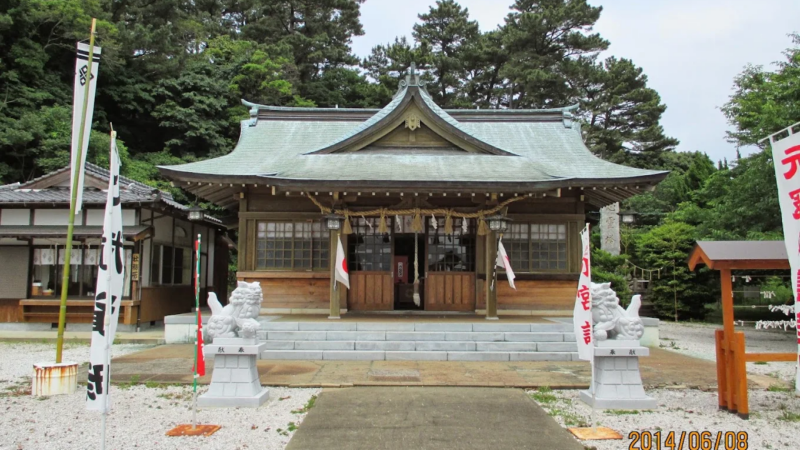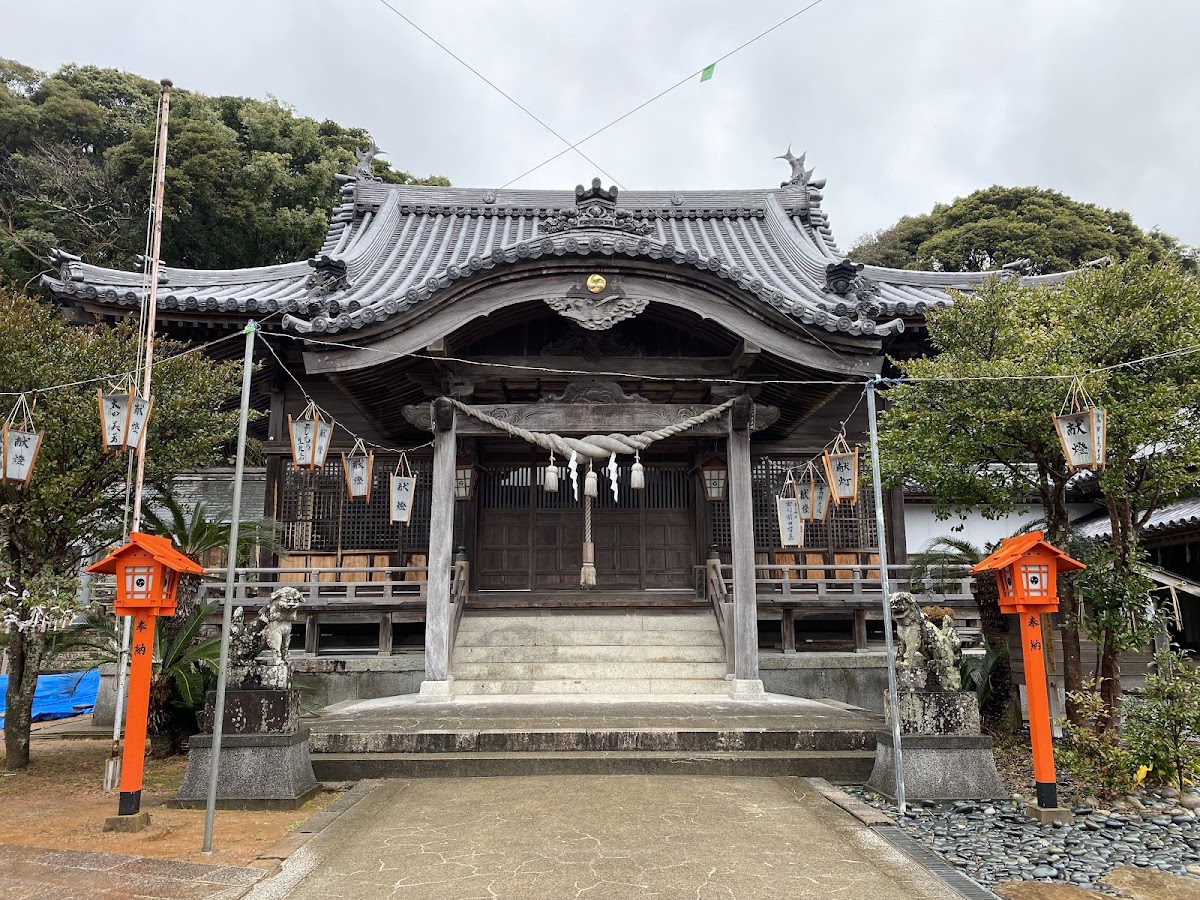
Aogata Shrine (Nagasaki Prefecture) Complete Guide | A Sacred Site of Sanno Faith, Preserved Through 1000 Years of History and Kamigoto Kagura
Located in Aogata-go, Shinkamigoto-cho, Minamimatsuura-gun, Nagasaki Prefecture, Aogata Shrine is a venerable shrine boasting a history of over 1000 years. Since its founding in 1005 (Kanko 2), it has been a spiritual pillar of the region, attracting worshippers and serving as a valuable cultural asset where the Kamigoto Kagura, a prefecturally designated intangible folk cultural property, is performed. This article comprehensively introduces information you should know before visiting Aogata Shrine, including its history, enshrined deities, annual events, and surrounding tourist spots.
History of Aogata Shrine | A 1000-Year Story Beginning with Prayers for the Repelling of Korean Ships
Circumstances of Founding and Events of 1005 (Kanko 2)
The founding of Aogata Shrine is described in detail in the “Aogata Shrine Detailed Account.” In 1005, during the Kankō era, a Korean ship invaded this area. The local lord, the Kiyohara clan, visited this place to pray for the surrender of the enemy. Their prayers were successful, and they were able to repel the enemy. Therefore, in August of that year, they erected a shrine and enshrined Ōkuninushi-no-Mikoto, which is considered the beginning of Aogata Shrine.
This founding story is not merely a legend, but an important historical record demonstrating the connection between national defense awareness and faith at the time. In mid-Heian period Japan, prayer to gods and Buddhas played a crucial role in countering threats from foreign enemies, and Aogata Shrine was born as a symbolic representation of this.
History as Sannō-gū and Sannō Faith
The old name of Aogata Shrine was “Sannō-gū,” and like the deity enshrined at Ōtake Hie Shrine on the summit of Mt. Sannō, it is based on Sannō faith. Sanno worship originates from Hiyoshi Taisha (Sanno Gongen), the guardian deity of Enryaku-ji Temple on Mount Hiei, and was spread by Saichō.
The presence of Sanno worship in Shin-Kamigoto Town is evident from the fact that Aogata Shrine functioned as a place of worship for Sanno-yama in Arakawa-go. This form of worship is a typical example of Shinbutsu-shūgō (syncretism of Buddhism and Shinto), and is recognized as a component cultural property of the Japan Heritage site “Border Islands: Iki, Tsushima, and Gotō.”
Restoration during the Kenkyū era and the achievements of Fujiwara no Jinkaku
During the Kenkyū era (1190-1199), the shrine buildings were constructed by Fujiwara no Jinkaku, who was appointed as the jitō (land steward). Jinkaku’s second son, Ietaka, made Aogata his base and adopted the name Aogata. The existence of this Aogata clan is the origin of the current place name “Aogata.”
During the Ryōnin era (1238-1239), Aogata Ietaka further developed the shrine, giving it the appearance of a proper Shinto shrine. Records from this period indicate that Aogata Shrine functioned not only as a place of worship but also as a symbol of legitimacy for local rule.
Changes Since the Meiji Era and into the Present
In 1871 (Meiji 4), due to the separation of Shinto and Buddhism, the shrine was renamed from “Sannō-gū” to “Aogata Shrine” and designated a village shrine. In 1931 (Showa 6), it was elevated to a regional shrine, further increasing its importance in the region.
In 1953 (Showa 28), it was incorporated as the religious corporation Aogata Shrine, and has continued to function as a center of local faith to this day. Throughout this long history, Aogata Shrine has adapted to changing times while preserving its traditions since its founding.
Deities and Divine Virtues | The Land of Aogata Protected by Seven Gods
Main Deity: Ōnamuchi-no-Mikoto
The main deity of Aogata Shrine is Ōnamuchi-no-Mikoto. Ōnamuchi-no-Mikoto is another name for Ōkuninushi-no-Mikoto and is widely worshipped as the god of nation-building, matchmaking, and agriculture. This deity has been enshrined since the shrine’s founding and forms the core of the faith at Aogata Shrine.
Other Deities
In addition to Ōkuninushi-no-Mikoto, the following six deities are enshrined at Aogata Shrine:
- Kuninotokotachi-no-Mikoto: God of creation
- Ninigi-no-Mikoto: God of the descent of the heavenly grandchild
- Ame-no-Oshihomimi-no-Mikoto: Father of Ninigi-no-Mikoto
- Kashikone-no-Mikoto: God of abundant harvests
- Izanami-no-Mikoto: Goddess of creation
- Kuninosatsuchi-no-Mikoto: God of land formation
These seven deities possess diverse divine virtues, including national peace and security, abundant harvests, maritime safety, and matchmaking, and have protected all aspects of the islanders’ lives.
Structure of Shrines and Subsidiary Shrines
Besides the main shrine, Aogata Shrine has three subsidiary shrines within its grounds.
Inari Shrine
This subsidiary shrine enshrines Inari, the god of business prosperity and abundant harvests. As a guardian deity of the island’s economic activities, it enjoys fervent devotion from local shopkeepers and farmers.
Taga Shrine
Known as a god of longevity and matchmaking, Taga Shrine enshrines Izanagi-no-Mikoto and Izanami-no-Mikoto. Many worshippers visit at important life events, and it is a popular place for prayers for family safety.
Yasaka Shrine
Yasaka Shrine, which enshrines Susanoo-no-Mikoto, the god of warding off disease and misfortune, is deeply connected to the summer Gion Festival. It attracts a constant stream of worshippers praying for good health.
Kamigoto Kagura | Traditional Performing Arts Designated as a Prefectural Intangible Folk Cultural Property
History and Characteristics of Kamigoto Kagura
Designated as a Nagasaki Prefecture Intangible Folk Cultural Property in 1981, “Kamigoto Kagura” is a traditional performing art dedicated at the festival of Aogata Shrine. Developed as a unique form of Kagura specific to the Goto Islands, this art form features performances based on myths and legends, expressing gratitude to the gods and praying for a bountiful harvest and safety at sea.
The distinctive features of Kamigoto Kagura lie in its theatrical elements using masks and the powerful rhythm of drums. Many of the performances, such as “Ama-no-Iwato” and “The Slaying of Yamata no Orochi,” are based on Japanese mythology, embodying the region’s cultural identity.
Festivals in which Kagura is performed
Kamigoto Kagura is performed at two major festivals each year:
Autumn Grand Festival (November 2nd & 3rd)
The Autumn Grand Festival, the largest festival of Aogata Shrine, features a portable shrine procession, lion dance, and the performance of Kamigoto Kagura. Local residents participate wholeheartedly, and the area around the shrine is filled with the excitement of the festival. Numerous stalls are set up, making it a major event attracting many tourists from outside the island.
Summer Gion Festival (July 16th & 17th)
Kamigoto Kagura is also performed at the Gion Festival, the festival of Yasaka Shrine. This festival, which prays for the eradication of disease, is a deeply rooted summer tradition in the community, and the Kagura, performed throughout the night, creates a mystical atmosphere.
Access and Visiting Information for Aogata Shrine
Basic Information
- Location: 1395-10 Aogata-go, Shinkamigoto-cho, Minamimatsuura-gun, Nagasaki Prefecture 857-4404
- Phone Number: 0959-52-2336
- Visiting Hours: Open all day (Shrine office open weekdays 9:00 AM – 5:00 PM)
- Parking: Available (Free)
- Admission Fee: Free
Access Method
Access by Boat
To reach Shinkamigoto-cho, take a high-speed boat or ferry from Nagasaki Port or Sasebo Port.
- From Nagasaki Port to Arikawa Port: Approximately 1 hour 30 minutes by high-speed ferry, approximately 3 hours by regular ferry.
- From Sasebo Port to Arikawa Port: Approximately 1 hour 30 minutes by high-speed ferry, approximately 2 hours 30 minutes by regular ferry.
From Arikawa Port to Aogata Shrine: Approximately 15 minutes by car, approximately 20 minutes by local bus.
Transportation within the Island
Aogata area is the center of Shin-Kamigoto Town, and rental cars, taxis, and local buses are available. There are also many accommodations in the Aogata area, making it a convenient base for sightseeing.
Points to Note When Visiting
Aogata Shrine is located on a small hill, and from the grounds you can see the townscape of Aogata and the sea. When visiting, it is recommended to pay respects not only to the main shrine but also to the three subsidiary shrines within the grounds. Also, you can experience a special atmosphere during festival periods, so if possible, plan your visit for early November or mid-July.
Tourist Attractions Around Aogata Shrine
When visiting Aogata Shrine, we recommend also exploring other attractive spots in Shin-Kamigoto Town.
Kannon-dake Park
Located about a 10-minute drive from the Aogata area, Kannon-dake Park offers a spectacular view of the Goto Sea from its observation deck at an altitude of approximately 300 meters. On clear days, you can see as far as Hirado and Iki, and it’s also known as a famous spot for sunsets.
Aogata Church
Within walking distance of Aogata Shrine, Aogata Church is one of the churches that symbolizes Shin-Kamigoto Town, where Catholic faith is deeply rooted. Its beautiful white building offers a contrasting charm to the shrine, showcasing the allure of Western architecture.
Hime Shrine
Another historical shrine in Shin-Kamigoto Town, Hime Shrine is also worth a visit. It enshrines a guardian deity of women and attracts worshippers seeking safe childbirth and matchmaking.
Sofukun Shrine
A major shrine in Shin-Kamigoto Town, alongside Aogata Shrine, it enshrines Sofukun, a figure who appears in the pioneering myths of the Goto Islands. It’s an important shrine for understanding the island’s origins.
Ubamegashi (Prefectural Natural Monument)
Within Shin-Kamigoto Town stands a giant Ubamegashi tree, designated a natural monument of Nagasaki Prefecture. This tree, estimated to be several hundred years old, symbolizes the island’s rich natural environment.
Shiroyama Observatory
From the Shiroyama Observatory, overlooking the Aogata district, you can enjoy panoramic views of the town and its beautiful coastline. The scenery is particularly spectacular at sunrise and sunset.
Jofuku-ji Temple and Joraku-in Temple
Jofuku-ji Temple and Joraku-in Temple are deeply connected to the history of Aogata Shrine. They are valuable historical sites that offer a glimpse into the era of syncretism between Shinto and Buddhism.
Aogata Shrine and the Japan Heritage Site “Border Islands”
Aogata Shrine is one of the cultural properties that make up the Japan Heritage Site “Border Islands: Iki, Tsushima, and Goto – A Bridge from Ancient Times,” which was certified in 2015.
Sanno Faith Associated with Saicho
The value of Aogata Shrine as a Japan Heritage Site lies in the fact that it demonstrates how the Sanno faith, spread by Saicho, reached the Goto Islands. From the time of the Japanese envoys to Tang China, the Goto Islands were at the forefront of exchange with the continent and also served as a route for the spread of Buddhist culture.
The Sanno faith of Aogata Shrine is not merely a religious phenomenon, but an important cultural heritage that tells the story of cultural exchange, national defense awareness, and the nature of regional governance from ancient to medieval times.
Historical Role as Border Islands
The very origin of its founding—the invasion of Korean ships in 1005—demonstrates the role that the Goto Islands have played as “border islands.” Aogata Shrine preserves the history of the Goto Islands, which served as both a frontline defense against foreign invaders and a gateway for the reception of continental culture.
The Significance of Visiting Aogata Shrine | A Sacred Site Where History and Faith Breathe
Aogata Shrine is not merely a tourist spot. For over 1000 years, it has been a living cultural asset, attracting the faith of local people and preserving and passing down their culture.
Stepping onto the shrine grounds, you can feel the weight of history in the tranquil atmosphere. The Kamigoto Kagura, performed at the autumn festival and the summer Gion Festival, remains an important cultural activity that embodies the region’s identity even today.
When visiting Shin-Kamigoto Town, be sure to visit Aogata Shrine and experience the island’s history and culture. Within the shrine’s quiet ambiance, you will surely feel the 1000-year story of the Goto Islands.
Despite its location on an island in Nagasaki Prefecture, Aogata Shrine is an indispensable presence for understanding Japanese history and culture. As a precious sacred site where we can glimpse the depths of Japanese culture from diverse perspectives, including Sanno faith, syncretism of Shinto and Buddhism, national defense awareness, regional governance, and the transmission of traditional performing arts, it is a cultural heritage that should be carefully protected and passed down to future generations.