Enpukuji Temple (Ikoma City, Nara Prefecture) Complete Guide: History, Important Cultural Properties, and Access Information
About Enpukuji Temple
Enpukuji Temple is an ancient Shingon Ritsu sect temple located in Ari-cho, Ikoma City, Nara Prefecture. Its mountain name is Ryuge-san, and it stands in a quiet environment on the mountainside overlooking the Ikoma Valley. It is also known as the 36th temple of the Eighty-Eight Sacred Sites of Northern Yamato, and has long been a center of local faith.
According to temple tradition, it is said to have been founded by Gyoki Bodhisattva during the Tenpyo-Shoho era (749-757). While it is a temple with a long history dating back to the Nara period, the detailed history since its founding is unclear due to repeated fires. However, the existing buildings and cultural properties are valuable relics that convey the long history this temple has walked.
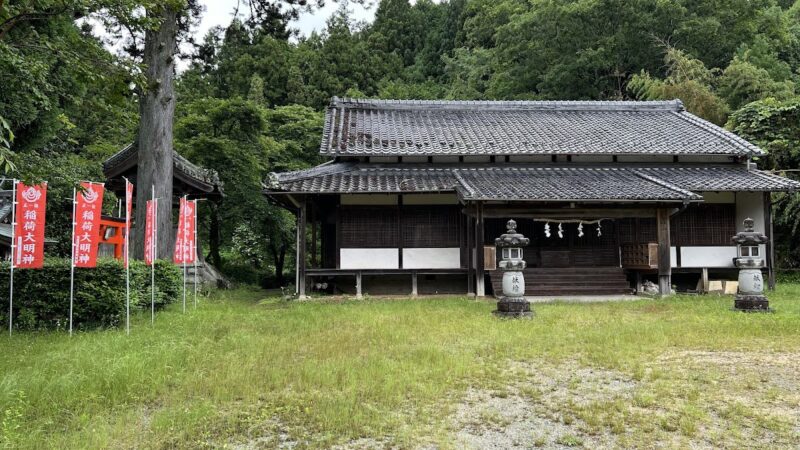
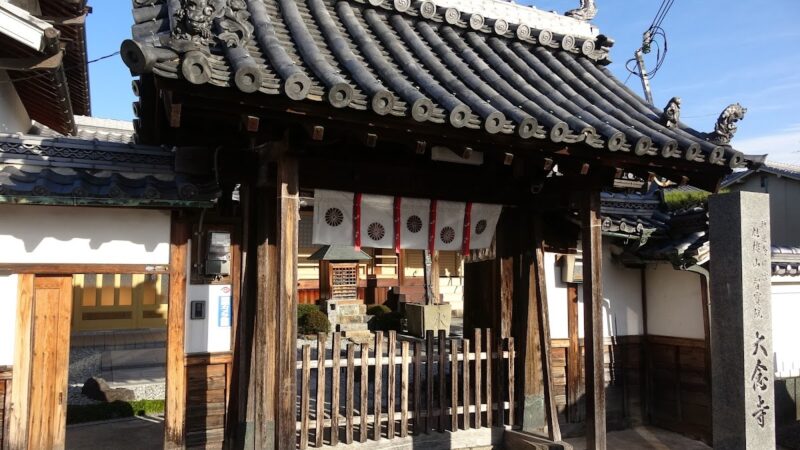
The temple grounds are enveloped in silence, providing peace of mind to visitors. Located on the mountainside of Ikoma City, the temple grounds offer beautiful views of the Ikoma Valley, allowing visitors to experience the changing seasons.
History of Enpuku-ji Temple
Founding and Gyoki Bodhisattva
Enpuku-ji Temple is said to have been founded during the Tenpyo-Shoho era (749-757), with Gyoki Bodhisattva as its founder. Gyoki was a high-ranking priest of the Nara period, known for his dedication to spreading Buddhism among the common people and his social work. Many temples associated with Gyoki exist around Mount Ikoma, and Enpuku-ji Temple is one of them, serving as a center of local faith.
Gyoki also contributed to the construction of the Great Buddha of Todai-ji Temple, and the temples he is said to have founded are known as the “Forty-Nine Temples of Gyoki.” Enpuku-ji Temple may also belong to this lineage, making it an important institution that preserves the Buddhist culture of the Nara period.
History of Fire and Reconstruction
The history of Enpuku-ji Temple is also a history of battling fire. Since its founding, the temple has suffered numerous fires, resulting in the loss of many buildings and valuable historical documents. Therefore, detailed records and history from the time of its founding are unclear.
However, the main hall, rebuilt during the Kamakura period, has survived many difficulties and remains to this day. This main hall is designated as a National Important Cultural Property, a valuable cultural asset demonstrating the architectural techniques and the power of faith of the time. Despite the significant losses from fires, the temple has continued to be maintained thanks to the fervent faith of the local people.
Conversion to Shingon Ritsu Sect
Enpuku-ji Temple currently belongs to the Shingon Ritsu sect. The Shingon Ritsu sect was founded by Eison during the Kamakura period and is characterized by its emphasis on Shingon Esoteric Buddhism and the practice of precepts. Eison operated from Saidai-ji Temple and converted many temples to the Shingon Ritsu sect.
The exact time when Enpuku-ji Temple became a Shingon Ritsu sect temple is unclear, but it may be related to its reconstruction during the Kamakura period. As a Shingon Ritsu sect temple, Enpuku-ji Temple has served as both a place of rigorous training emphasizing precepts and a center for the relief of the common people.
Important Cultural Properties and Highlights
Main Hall (Nationally Designated Important Cultural Property)
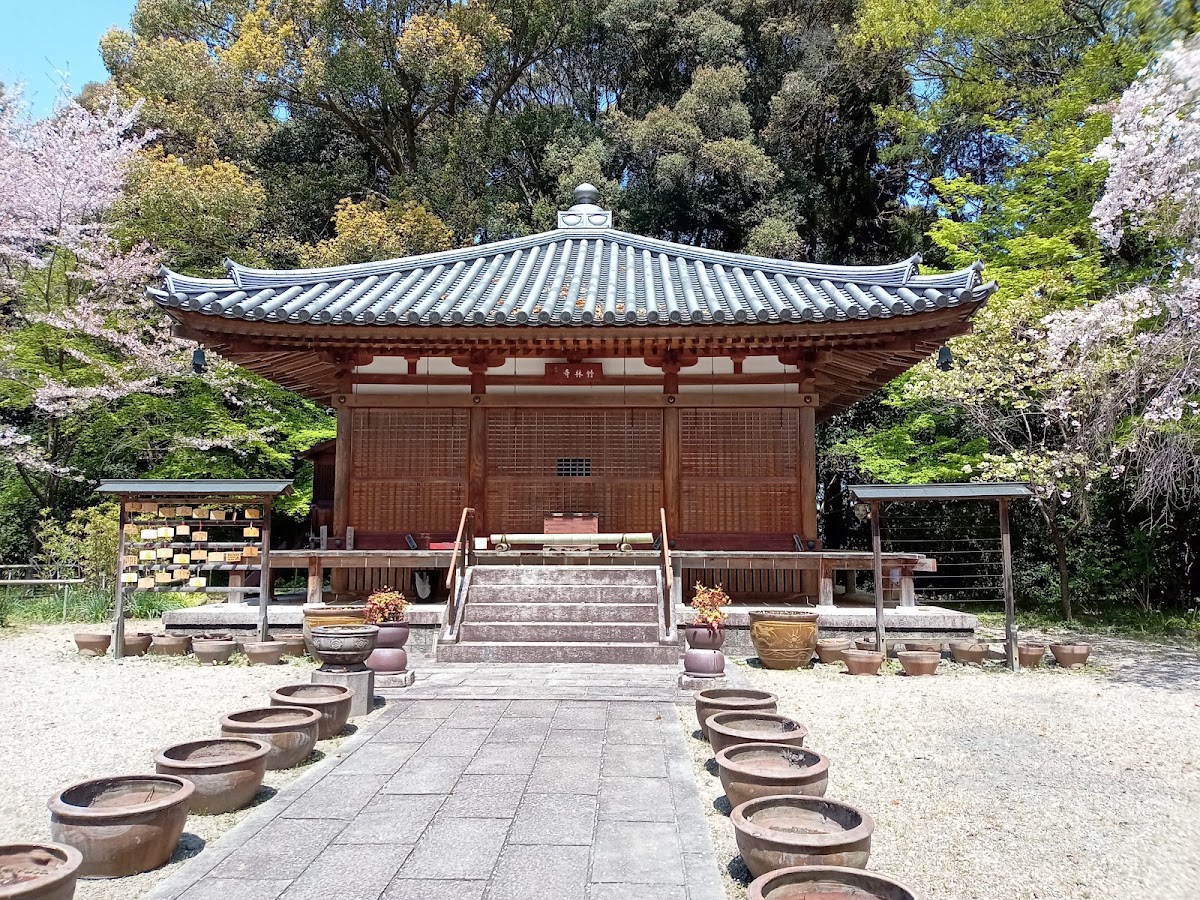
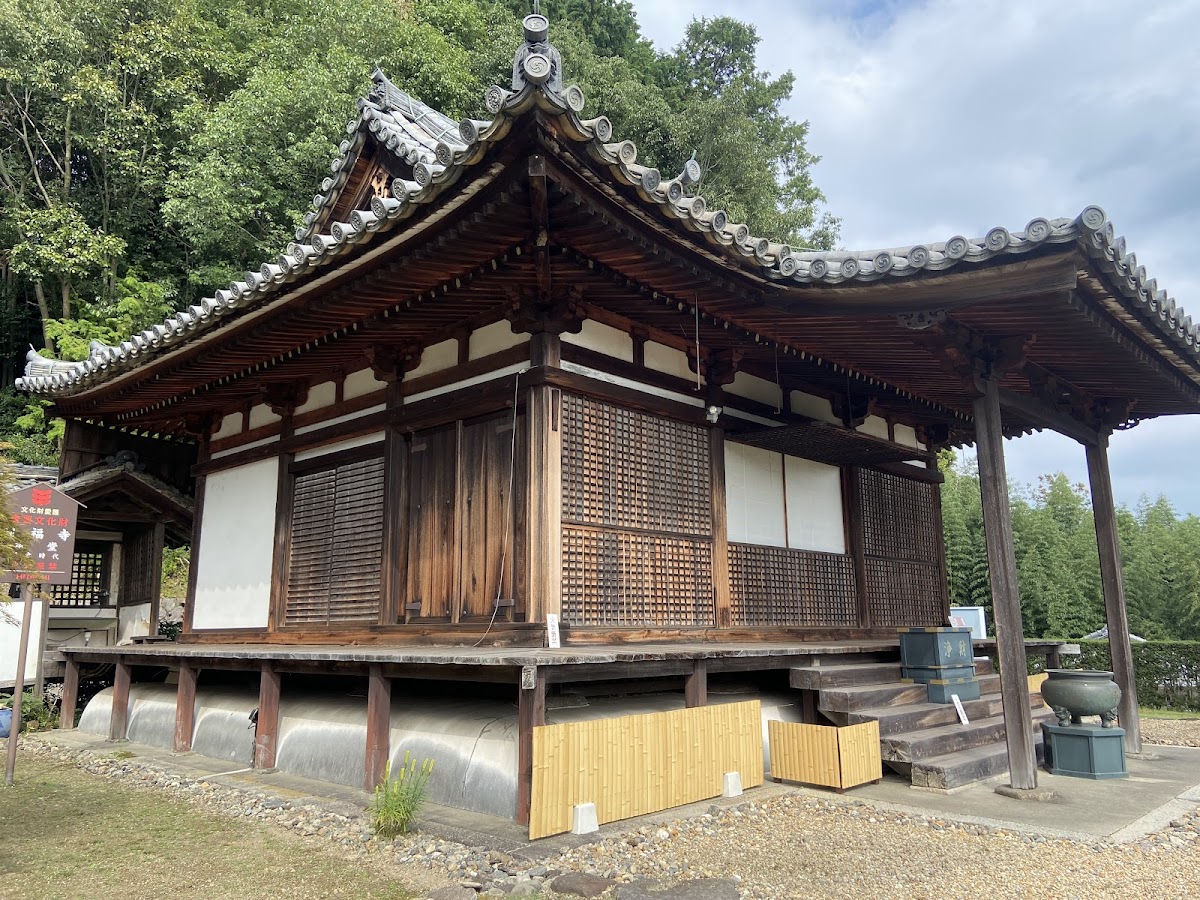
The main hall of Enpuku-ji Temple is believed to be a Kamakura period building and is designated as a National Important Cultural Property. As the only building to have survived numerous fires, it possesses extremely high historical value.
The architectural style of the main hall retains many characteristics of the Kamakura period, demonstrating the high level of architectural technology of the time. The roof is a hip-and-gable style, characterized by a simple yet powerful structure. The interior houses the principal image of Buddha, creating a solemn atmosphere.
The details of the architecture reveal techniques unique to the Kamakura period, making it an important resource for architectural history research. The way the pillars and beams are assembled, and the structure of the eaves, are examples of the finest carpentry techniques of the time.
Hōkyōintō Pagoda (Nationally Designated Important Cultural Property)
Along with the main hall, the Hōkyōintō pagoda located on the temple grounds is designated as an Important Cultural Property. The Hōkyōintō is a Buddhist stupa built to enshrine the Hōkyōin Dharani Sutra, and was also erected as a memorial tower or tomb.
The Hōkyōintō pagoda at Enpuku-ji Temple retains its beautiful stone form and is one of the representative works of medieval stone art. The decorations and proportions of each part, from the base to the finial, are well-balanced, demonstrating the high level of stonemasonry at the time.
It is possible that Sanskrit characters or Buddhist images are carved into the pagoda body, indicating its important role as an object of worship. Having withstood the elements for hundreds of years, it is truly a living witness to history.
Atmosphere and Nature of the Temple Grounds
The grounds of Enpuku-ji Temple offer a tranquil space, taking advantage of its location on the slopes of Mount Ikoma. Surrounded by trees, you can experience the changing seasons.
In spring, cherry blossoms and fresh greenery; in summer, deep green; in autumn, vibrant autumn leaves; and in winter, a tranquil landscape—each season offers a different face. The view overlooking the Ikoma Valley is also magnificent, and on clear days, you can see far into the distance.
The temple grounds are not large, but they are well-maintained and have a warm, welcoming atmosphere for visitors. It’s the perfect place to escape the hustle and bustle of the city and find peace of mind.
36th Temple of the Yamato Northern Eighty-Eight Sacred Sites
Enpuku-ji Temple is designated as the 36th temple of the Yamato Northern Eighty-Eight Sacred Sites. The Yamato Northern Eighty-Eight Sacred Sites is a pilgrimage route visiting 88 temples scattered throughout the northern region of Nara Prefecture, attracting many pilgrims.
This pilgrimage, modeled after the Shikoku Eighty-Eight Sacred Sites, plays an important role in supporting the region’s Buddhist culture. Each temple on the pilgrimage route has its own unique history and beliefs, allowing pilgrims to experience the local culture and history.
Enpuku-ji Temple offers Goshuin (temple stamps) to pilgrims. The Goshuin bears the temple’s mountain name, “Ryūge-zan,” and its temple number, “No. 36,” serving as a memento of the pilgrimage. It’s a temple worth visiting not only for those undertaking the pilgrimage but also for those who collect Goshuin as a hobby.
Goshuin Information
Enpuku-ji Temple offers Goshuin to visitors. Goshuin are cherished by many visitors as proof of their visit and as a tangible record of their connection with the temple.
The Goshuin features the temple’s mountain name, “Ryūge-zan,” and its name, “Enpuku-ji,” written in ink, and stamped with a red seal. As it is also a temple on the Yamato Northern Eighty-Eight Sacred Sites pilgrimage route, it is compatible with Goshuin notebooks used for pilgrimages.
When receiving a Goshuin (temple stamp), it is customary to visit the main hall first and then request it at the reception area. Bring your Goshuincho (stamp book) and make your request politely. Note that Goshuin may be pre-printed, so it is recommended to check beforehand.
Visiting hours are generally until around 4 PM, so it’s important to visit with plenty of time. Especially in winter, the sun sets early, so try to visit earlier.
Access
Access by Train
If visiting Enpuku-ji Temple by train, the nearest station is Minami-Ikoma Station on the Kintetsu Ikoma Line. It is approximately 1.6 kilometers northwest of the station.
While it is possible to access the temple on foot from Minami-Ikoma Station, it is located on a mountainside, so you will be walking uphill. The walk takes approximately 20-25 minutes. Those who are not confident in their physical fitness or who want to save time may consider taking a taxi.
The route from the station to the temple goes through a residential area and then into a mountain path. There are signs along the way, but it’s best to check the route beforehand using a map app.
Access by Car
If you’re coming by car, you can access it from Ikoma city center via the prefectural road. For car navigation, it’s best to enter “390 Ari-cho, Ikoma City, Nara Prefecture” or “Enpuku-ji Temple.”
Regarding parking, there may be a few spaces on or around the temple grounds, but it’s recommended to check in advance. Especially on weekends and during events, it can get crowded, so consider using public transportation.
It takes about 10-15 minutes by car from the center of Ikoma city. The roads are relatively well-maintained, but there are some mountainous sections, so caution is needed while driving.
Address and Basic Information
- Address: 390 Ari-cho, Ikoma City, Nara Prefecture 630-0233
- Sect: Shingon Ritsu Sect
- Mountain Name: Ryugezan
- Pilgrimage Site: 36th of the Eighty-Eight Sacred Sites of Northern Yamato
- Visiting Hours: Generally until around 4 PM (may vary depending on the season)
- Admission Fee: Information is limited, so it is recommended to check before visiting.
Nearby Attractions and Information
Tourist Spots in Ikoma City
When visiting Enpuku-ji Temple, it is recommended to also visit other tourist spots in Ikoma City.
Mount Ikoma is a symbol of the city, and there is an amusement park and cable car at the summit. The view from the summit is magnificent, offering a panoramic view of the Osaka Plain and the Nara Basin.
Hozanji Temple is a major temple of the Shingon Ritsu sect located on the slopes of Mount Ikoma, and is affectionately known as “Ikoma’s Shoten-san.” It is known for its blessings of business prosperity, attracting many worshippers. As it belongs to the same Shingon Ritsu sect as Enpukuji Temple, visiting both is recommended.
Chikurinji Temple is also an ancient temple located in Ikoma City, and is associated with Gyoki. Visiting temples said to have been founded by Gyoki, like Enpukuji Temple, allows you to experience the depth of Buddhist culture in this region.
History and Culture of Ikoma City
Ikoma City is located in the northwestern part of Nara Prefecture and has flourished since ancient times as a transportation hub connecting Nara and Osaka. Many ancient shrines and temples are scattered throughout the city, giving it a rich historical and cultural heritage.
The area around Mount Ikoma has been an object of worship since ancient times and was known as a training ground for Shugendo practitioners. Temples on the mountainside, including Enpukuji Temple, convey this history of faith to the present day. The city also has the Ikoma Furusato Museum, where you can learn about the local history and culture. Visiting before or after your visit to Enpuku-ji Temple will allow you to understand the local history more deeply.
Manners and Precautions for Visiting a Temple
Etiquette for Visiting a Temple
When visiting Enpuku-ji Temple, please observe basic temple visiting manners.
- Bow at the Temple Gate: Bow at the temple gate before entering the temple grounds.
- Purification at the Water Basin: If there is a water basin, purify your hands and mouth.
- Worship at the Main Hall: Join your hands in prayer in front of the main hall and offer your prayers quietly.
- Photography: Refrain from taking photographs in areas where photography is prohibited, such as inside the main hall.
- Respectfulness: Be quiet on the temple grounds and be considerate of other visitors.
Clothing and Belongings
Please dress appropriately for visiting a temple. It’s best to avoid overly revealing or flashy clothing.
As the temple is located on a mountainside, comfortable walking shoes are recommended. Particular caution is needed during rainy weather and winter, as the ground can be slippery.
If you plan to receive a temple stamp (Goshuin), it’s advisable to bring a stamp book, writing utensils, and small change.
Visiting Hours and Seasons
Visiting hours are generally until around 4 PM, but this may vary depending on the season and weather. Especially in winter, sunset is early, so visiting in the morning or early afternoon is recommended.
Spring cherry blossoms and autumn foliage are particularly beautiful seasons, making them highly recommended. However, as it’s a mountainous area, be sure to take precautions against insects in summer and warm clothing in winter.
Cultural Value of Enpuku-ji Temple
Significance in Architectural History
The main hall of Enpuku-ji Temple is a valuable historical structure that preserves the architecture of the Kamakura period. While many ancient buildings remain in Nara Prefecture, examples of regional temple architecture from the Kamakura period are limited, making the main hall of Enpuku-ji Temple of high academic value.
In the study of architectural styles, the main hall of Enpuku-ji Temple is an important document that illustrates the characteristics of regional Buddhist temple architecture at that time. It is characterized by its incorporation of central styles while also showing unique regional ingenuity.
Hōkyōintō Pagoda as Stone Art
The Hōkyōintō pagoda is one of the representative forms of medieval stone art. The Hōkyōintō pagoda at Enpuku-ji Temple is in excellent condition and is an important work for understanding the level of stonemasonry at that time.
The proportions and decorations of each part of the pagoda are highly regarded from an art historical perspective and are considered one of the standard examples for the study of medieval stone art. It is also indispensable for understanding the regional stone culture.
Role in Regional Culture
Enpuku-ji Temple has played an important role throughout its long history as one of the centers of Buddhist culture in the Ikoma region. As one of the 88 sacred sites of northern Yamato, it forms part of the local faith network.
For local residents, it is the family temple that their ancestors have visited for generations, and an important element of their regional identity. It also plays a role in supporting the unity of the local community through festivals and memorial services.
Significance of Visiting Enpuku-ji Temple
Dialogue with History
Visiting Enpuku-ji Temple is an opportunity to engage in dialogue with its long history, which dates back to the Nara period. The story of its founding, said to have been established by Gyoki, its history of overcoming numerous fires, and the cultural assets that have been preserved and passed down to the present day—all of these speak to the richness of Japanese Buddhist culture.
Stepping into the main hall from the Kamakura period, you can offer prayers in the same space as people from hundreds of years ago. It is a precious experience that allows you to feel the transmission of spirituality across time.
Peace of Mind in Silence and Nature
Resting yourself away from the hustle and bustle of modern society and finding peace of mind in the quiet environment of the mountainside is another significant aspect of visiting Enpuku-ji Temple. The panoramic views overlooking the Ikoma Valley, the ever-changing beauty of nature throughout the seasons, and the tranquility that permeates the temple grounds—all of these bring peace to the hearts of visitors.
Taking a break from the hustle and bustle of everyday life and having time to reflect on oneself—Enpuku-ji Temple offers an ideal place for this.
Learning about the Importance of Cultural Property Preservation
By seeing the main hall and the Hōkyōintō pagoda, both designated as Important Cultural Properties, up close, one can truly appreciate the importance of cultural property preservation. These cultural assets have been protected and passed down to the present day through the efforts of our ancestors.
We, too, have a responsibility to pass on these precious cultural heritages to future generations. Visiting Enpuku-ji Temple will be a good opportunity to consider the significance of cultural property preservation.
Summary
Enpuku-ji Temple is an ancient Shingon Ritsu sect temple nestled on the mountainside in Ikoma City, Nara Prefecture. It is said to have been founded by Gyōki during the Tenpyō-Shōhō era and has attracted the faith of the local community throughout its long history.
The main hall and Hōkyōintō pagoda from the Kamakura period, which have survived numerous fires, are designated as important national cultural properties and possess high historical and artistic value. It is also known as the 36th temple of the Yamato Northern Eighty-Eight Sacred Sites Pilgrimage, attracting many pilgrims.
The tranquil environment overlooking the Ikoma Valley, the changing seasons, and the solemn atmosphere of the temple grounds offer peace of mind to visitors. It is a temple worth visiting for various purposes, whether you want to experience Nara’s history and culture, find peace in a quiet place, or enjoy collecting temple stamps.
It is accessible by a 20-25 minute walk from Kintetsu Minami-Ikoma Station, or by car. Visiting hours are until around 4 PM, so it is recommended to allow ample time for your visit. When you visit Ikoma City, be sure to visit Enpuku-ji Temple and experience its history, culture, and serene atmosphere.