Enryuji Temple (Uda City, Nara Prefecture) Complete Guide | History, Access, and Nearby Temple Information
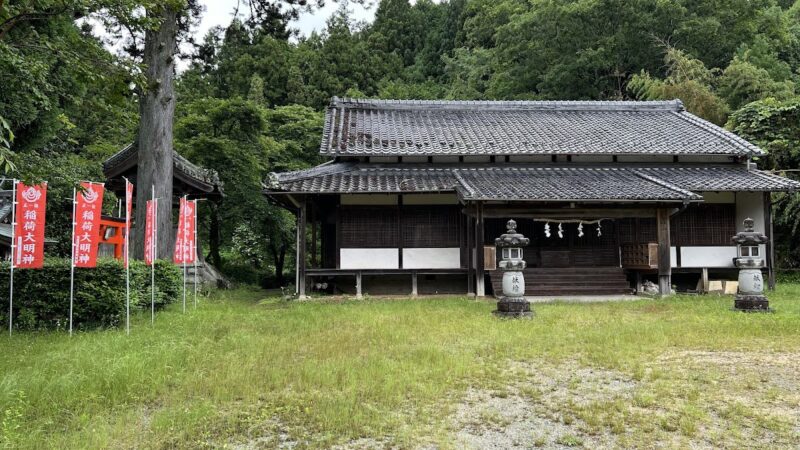
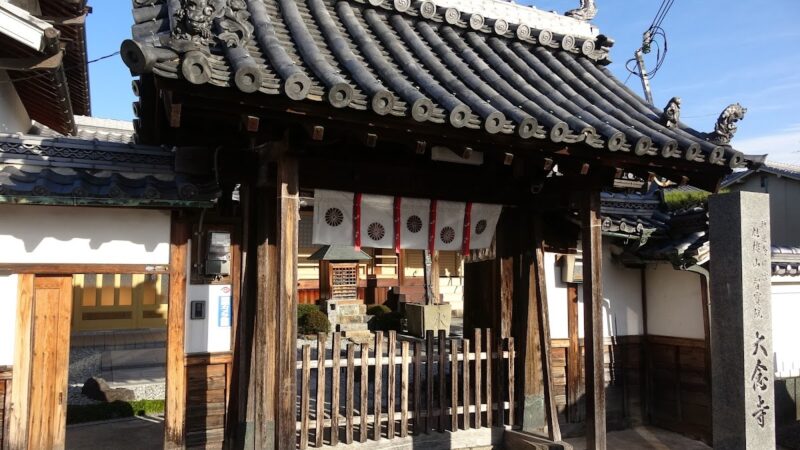
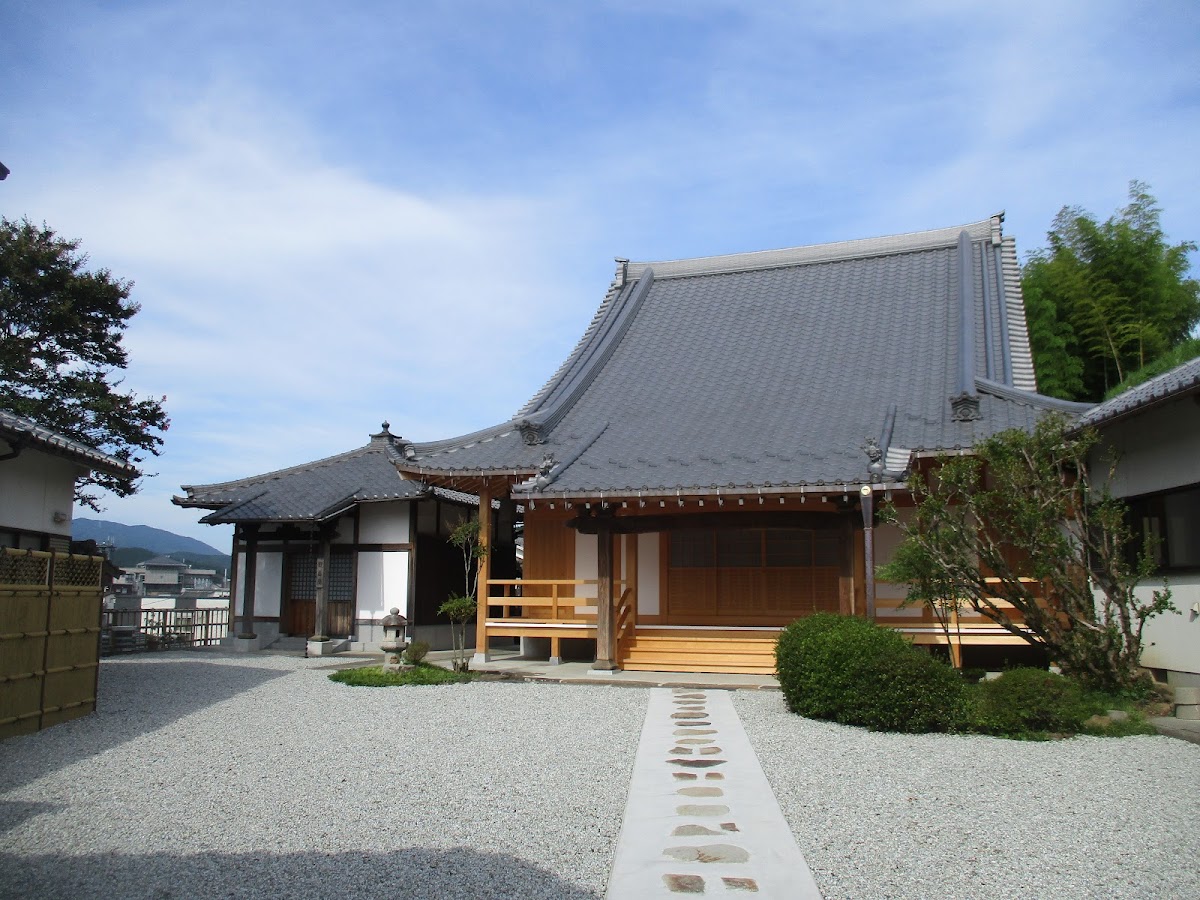
Located in Haibara Hagiwara, Uda City, Nara Prefecture, Enryuji Temple is a historic temple belonging to the Jodo Shinshu Honganji sect. Uda City has long been located in the eastern part of Yamato Province and is known as a region where Buddhist culture is deeply rooted. This article provides comprehensive information useful for those considering a visit or interested in temple research, from detailed information about Enryuji Temple to nearby temples, access methods, and the Buddhist culture of Uda City.
Basic Information about Enryuji Temple
Temple Overview
Temple Name: Enryuji Temple
Location: 2314 Hagiwara, Haibara, Uda City, Nara Prefecture 633-0253
Sect: Jodo Shinshu Honganji School (Nishi Honganji School)
Corporate Number: 8150005004503
Enryuji Temple is one of six temples named “Enryuji” throughout Japan, and ranks 1830th in size nationwide. While there are numerous temples in Nara Prefecture, Uda City alone has 98 temples, playing a central role in regional Buddhist faith.
About Jodo Shinshu Honganji School
Jodo Shinshu Honganji School is one of the largest Buddhist sects in Japan, founded by Shinran Shonin. With Nishi Honganji Temple in Kyoto as its head temple, Jodo Shinshu Buddhism teaches that by chanting “Namu Amida Butsu,” one can attain rebirth in the Pure Land through the power of Amida Buddha’s vow.
The following are some of the characteristics of Jodo Shinshu Buddhism:
- Teaching of Salvation by Other Power: Belief in salvation through the power of Amida Buddha’s vow, not through one’s own power.
- Lay-Centered Faith: Practice of faith in daily life, regardless of whether one is ordained or a layperson.
- Funerals and Memorial Services: Emphasis on ancestral worship and memorial services for the deceased, and a well-developed danka (parishioner) system.
Enryuji Temple also supports the religious lives of local people based on these teachings of the Jodo Shinshu Honganji sect.
How to Access Enryuji Temple
Access by Public Transportation
Nearest Station: Haibara Station, Kintetsu Osaka Line
Distance from Station: Approximately 7.3 km
Haibara Station is a major station on the Kintetsu Osaka Line and is easily accessible from both Osaka and Nara. However, since Enryuji Temple is approximately 7.3 km from the station, you should consider the following access methods:
- Taxi: Approximately 15 minutes by taxi from Haibara Station
- Local Bus: Take a Nara Kotsu bus bound for Hagiwara
- Rental Car: Rent a car near Haibara Station and travel freely
Access by Car
Major Roads: Use National Route 165 and National Route 369
Nearest Interchange: Approximately 20 km from the Hari Interchange on the Meihan Expressway (National Route 25)
Access by car is the most convenient. Since the Haibara Hagiwara area of Uda City is located in a mountainous area, we recommend entering the address “2314 Haibara Hagiwara, Uda City, Nara Prefecture” into your car navigation system.
Regarding parking availability, we recommend contacting Enryuji Temple directly before your visit.
History and Buddhist Culture of Uda City
Overview of Uda City
Uda City was formed in 2006 through the merger of Haibara Town, Ouda Town, Utano Town, and Muro Village. Known as “Uda” since ancient times, it is a historical region appearing in the *Nihon Shoki* and *Kojiki*.
Main Features:
- Located in a mountainous area, it boasts a rich natural environment.
- A tradition of medicinal herb cultivation (such as Yamato Toki).
- Numerous ancient temples, including Muro-ji Temple.
- Preservation of historical townscapes (such as Matsuyama district).
Temple Culture of Uda City
Uda City has 98 temples, with temples of diverse sects coexisting. The main Buddhist sects include:
Tendai Sect: Ancient temples dating back to the Heian period, such as Murō-ji Temple
Shingon Sect: Temples associated with Kūkai, such as Ōno-ji Temple
Jōdo Sect: Raikō-ji Temple, Saikō-ji Temple, etc.
Jōdo Shinshū Sect: Numerous temples including Enryū-ji Temple, Anyō-ji Temple, Anraku-ji Temple, Renshō-ji Temple, Kyōan-ji Temple, Yōzen-ji Temple, etc.
Sōtō Sect: Eishō-ji Temple, etc.
Ōbaku Sect: Enkō-ji Temple, etc.
Nichiren Sect: Takayanagi-ji Temple, etc.
These temples have supported the religious lives of local residents while upholding the teachings of their respective sects.
Temple Information around Enryū-ji Temple
In addition to Enryū-ji Temple, there are many other temples in the Haibara area of Uda City and the surrounding areas. For those planning a temple tour, we introduce some of the major temples.
Jōdo Shinshū Temples
Anyō-ji Temple: A Jōdo Shinshū Honganji-ha temple in Uda City. These temples are beloved by local parishioners.
Anrakuji: Also a Jodo Shinshu temple, it performs memorial services and funerals.
Renshoji: A historical temple that transmits the teachings of Jodo Shinshu.
Kyoanji: Functions as a center of local faith.
Yozenji: A temple that connects with the community through the danka (parishioner) system.
These temples belong to the same Jodo Shinshu Honganji sect as Enryuji Temple and continue to transmit the teachings of Shinran Shonin to the present day.
Other Buddhist Temples
Raigoji Temple: A Jodo sect temple that believes in the welcoming of Amida Buddha.
Saikoji Temple: Engaged in community-based temple activities.
Enkoji Temple: An Obaku sect temple characterized by its Chinese-style architecture.
Takayanagi Temple: A Tendai sect temple with a long history.
Eishoji Temple: A Soto sect temple that emphasizes Zen meditation.
Representative Temples of Uda City
Murouji Temple: An ancient Shingon sect temple known as “Women’s Koya.” It boasts a national treasure five-story pagoda and main hall, and is also famous for its rhododendrons.
Onoji Temple: A Shingon sect temple known for its Miroku rock-carved Buddha. Its weeping cherry blossoms are beautiful in spring.
These famous temples are also popular tourist spots, and visiting them in conjunction with Enryuji Temple will allow you to gain a deeper understanding of Uda City’s Buddhist culture.
About Temple Cemeteries and Burial Grounds
Information on Enryuji Temple’s Cemetery
Enryuji Temple may manage a temple cemetery for its parishioners. The following are some characteristics of temple cemeteries:
Advantages:
- Peace of mind knowing the temple will provide permanent management and memorial services
- Convenience of holding memorial services and annual memorial services at the same temple
- Ability to honor ancestors in a religious atmosphere
- Ability to participate in a community as a parishioner
Points to Consider:
- Often requires becoming a parishioner
- Potential costs such as parishioner fees and maintenance fees
- Limited to certain denominations (Jodo Shinshu Honganji sect)
Choosing a Burial Ground/Cemetery in the Uda City Area
In recent years, various forms of memorial services have become popular, in addition to traditional cemeteries:
Tree Burial: A nature-oriented burial method using a tree as a grave marker instead of a tombstone. Environmentally friendly, and plans that do not require a successor are also available.
Columbarium: A form of burial where cremated remains are placed in an indoor facility. Unaffected by weather, and can be installed even in urban areas.
Temple Cemeteries: Traditional cemeteries managed by temples like Enryu-ji Temple.
Private Cemeteries: An increasing number of cemeteries are available regardless of religion.
Modern Issues Regarding Graves
Grave Closure: Due to the declining birthrate, aging population, and migration to urban areas, there is an increasing number of cases where people are unable to maintain distant graves. Enryu-ji Temple may also offer consultations regarding perpetual memorial services and reburial of graves.
Successor Issues: If there are no children, or if children live far away, succession of the grave becomes an issue. Options such as perpetual memorial graves and communal graves are being considered.
Transparency of Costs: It is important to confirm the total costs in advance, including grave acquisition costs, gravestone costs, and annual maintenance fees.
Memorial Services and Events at Enryuji Temple
Main Memorial Services of Jodo Shinshu Buddhism
At Enryuji Temple, a temple of the Jodo Shinshu Honganji sect, the following memorial services are believed to be held:
Hoonko: The most important memorial service commemorating the death anniversary of Shinran Shonin (28th November in the old calendar, 16th January in the new calendar)
Eitaikyo: A memorial service for the repose of ancestors’ souls
Obon Memorial Service: An event to welcome the spirits of ancestors as part of the Obon festival
Higan-e: A memorial service held mainly around the spring and autumn equinoxes
Annual Memorial Service: Memorial services held on the anniversary of the deceased’s death, such as the first, third, and seventh anniversaries
Funerals and Memorial Services
In Jodo Shinshu Buddhism, funerals are positioned as “rituals for attaining rebirth in paradise.” This ceremony serves to confirm that the deceased attained rebirth in the Pure Land through the power of Amida Buddha’s vow, and provides an opportunity for the bereaved family to encounter Buddhist teachings.
Enryu-ji Temple conducts funerals and memorial services for its parishioners, supporting people in the community during important life events.
Uda City Sightseeing and Temple Tours
Uda City Tourist Attractions
When visiting Enryuji Temple, we recommend also visiting other tourist attractions in Uda City:
Muroji Temple: A famous temple where national treasure architecture and natural beauty harmonize.
Onoji Temple: A famous spot for rock-carved Buddha statues and cherry blossoms.
Matsuyama District: A historic townscape designated as an Important Preservation District for Groups of Traditional Buildings.
Matabei Cherry Tree: A magnificent weeping cherry tree over 300 years old.
Medicinal Herb Garden: A facility where you can learn about Uda’s medicinal herb culture.
Model Temple Tour Courses
Full-Day Course:
Morning: Visit Muroji Temple → Visit Onoji Temple
Lunch: Local cuisine in Uda City
Afternoon: Visit Enryuji Temple → Stroll through Matsuyama District
Half-Day Course:
Haibara Station → Visit Enryuji Temple → Tour of surrounding Jodo Shinshu temples → Haibara Station
Access and Accommodation in Uda City
Access:
- From Osaka: Approximately 1 hour 30 minutes by Kintetsu Osaka Line
- From Nara City: Approximately 40 minutes by car
- From Kyoto: Approximately 1 hour 30 minutes by car
Accommodation:
There are guesthouses and inns in Uda City, and hot spring inns are scattered around Muroji Temple. A 1-night, 2-day trip is recommended if you want to enjoy visiting temples at a leisurely pace.
Enryuji Temple and the Local Community
The Danka System and Local Community
Enryuji Temple is deeply connected to the local community through the Danka system (parishioner system). The Danka system (parishioner system) originates from the temple registration system of the Edo period and plays the following roles in modern times:
- Religious role: Supporting religious life through funerals, memorial services, and annual events
- Social role: A place for interaction among local residents and the transmission of traditional culture
- Educational role: Character development and moral education through Buddhist teachings
Depopulation and Challenges for Temples
In the mountainous areas of Nara Prefecture, including Uda City, population decline and aging are progressing. This is affecting temple management, with challenges such as a decrease in the number of parishioners, securing funds for temple maintenance, and succession problems.
On the other hand, attempts are being made to build new relationships with migrants from urban areas and tourists, and the role of temples is also changing.
The Teachings of Jodo Shinshu Buddhism and Modern Society
The Teachings of Shinran Shonin
Shinran Shonin (1173-1263), the founder of Jodo Shinshu Buddhism, expounded unique teachings such as the “theory of salvation for evil people.” The core of its teachings is:
- Reliance on Other Power: Salvation not through one’s own power, but through the power of Amida Buddha’s vow
- Rebirth in the Pure Land: Rebirth in the Pure Land is possible through chanting “Namu Amida Butsu”
- Salvation for the Wicked: Ordinary people, filled with worldly desires, are precisely the ones who are saved by Amida Buddha
- Equality: Salvation is granted regardless of monastic or lay status, gender, or social status
Significance in Modern Times
The teachings of Jodo Shinshu Buddhism offer many insights even in modern society:
- Exploring the Meaning of Life: Finding spiritual fulfillment that is often lost amidst material abundance
- Establishing a View of Life and Death: Living better in the present by contemplating death
- The Philosophy of Coexistence: An attitude of living with compassion for others
- A Heart of Gratitude: Awareness of being supported by all things
Enryu-ji Temple is believed to continue its activities to transmit these teachings to the modern world.
Important Notes When Visiting Enryuji Temple
Temple Etiquette
When visiting a temple, please observe the following manners:
- Dress Code: Avoid revealing clothing and wear clean attire.
- Greetings: Bow at the temple gate before entering the grounds.
- Quiet: Do not speak loudly or make noise.
- Photography: Refrain from taking photos in areas where photography is prohibited. If unsure, please check.
- Smoking: Smoking is strictly prohibited on the temple grounds.
- Garbage: Always take your trash with you.
About Visiting and Worshiping
Enryuji Temple is not a tourist temple, but a place of worship for the local community. We recommend checking the following points before your visit:
- Visiting Hours: Confirm in advance whether the temple is open to the public.
- Visiting Hours: Check the visiting hours.
- Memorial Service Schedule: Check the schedule of memorial services and events (some may be open to the public).
- Parking: Check the availability and location of parking spaces.
Inquiries
For detailed information and inquiries regarding visits, we recommend contacting Enryuji Temple directly. Contacting them in advance with the address and map information will ensure a more fulfilling visit.
Nara Prefecture’s Temple Culture and the Position of Enryuji Temple
Buddhist History in Nara Prefecture
Nara Prefecture boasts a history of over 1300 years as the birthplace of Japanese Buddhism:
- Asuka Period: The oldest temples, such as Horyu-ji and Asuka-dera, were established.
- Nara Period: Temples of the Six Schools of Nara, such as Todai-ji and Kofuku-ji, flourished.
- Heian Period and Beyond: Esoteric Buddhist temples, such as the Tendai and Shingon schools, developed.
- Kamakura Period: The spread of new Buddhist sects such as the Jodo and Jodo Shinshu schools.
Enryuji Temple in Uda City, within this long history of Buddhism, has supported local faith as a temple that follows the lineage of Jodo Shinshu, which began in the Kamakura period.
Jodo Shinshu Temples in Nara Prefecture
Numerous Jodo Shinshu temples exist in Nara Prefecture, with many scattered throughout rural areas and towns, particularly those with parishioners. Enryuji Temple is one such example, playing a vital role in supporting the religious lives of the people in the Haibara district of Uda City.
Summary: The Charm of Enryuji Temple and the Significance of Visiting It
Enryuji Temple is a Jodo Shinshu Honganji-ha temple located in Haibara Hagiwara, Uda City, Nara Prefecture. While not as well-known as the more famous tourist destinations of Muroji Temple and Onoji Temple, it has a long history as a place of faith deeply rooted in the community, accompanying people through their lives.
Characteristics of Enryuji Temple:
- A temple that transmits the teachings of the Jodo Shinshu Honganji sect
- Functions as a family temple for the Haibara district of Uda City
- Contributes to the community through funerals, memorial services, and annual events
- Plays a part in the temple culture of Uda City, which has 98 temples
Significance of Visiting:
- An opportunity to experience the teachings of Jodo Shinshu Buddhism
- Understanding the history and culture of the region
- Finding peace of mind in a quiet environment
- As part of a temple tour of Uda City
By visiting Enryuji Temple, you can experience the atmosphere of a temple deeply rooted in the community, something you can’t experience at tourist temples. Furthermore, by visiting it in conjunction with Uda City’s rich nature, historical townscape, and famous temples such as Muroji Temple, you can experience the diverse Buddhist culture of Nara Prefecture.
For those interested in cemeteries and perpetual memorial services, those who wish to deepen their faith in Jodo Shinshu Buddhism, and those interested in the history and culture of Uda City, Enryuji Temple is a temple worth visiting. By contacting the temple in advance and observing appropriate manners, you can have a fulfilling temple experience. Uda City is a region in Nara Prefecture rich in nature and history. Why not take this opportunity to rediscover the charm of this area while visiting Enryu-ji Temple?