Seiryu-ji Temple (Uda City, Nara Prefecture) Complete Guide | History, Access, and Highlights Explained in Detail
Located in Hagiwara, Haibara-ku, Uda City, Nara Prefecture, Seiryu-ji Temple is a historic temple belonging to the Shinmon-ryu branch of the Nichiren sect. It boasts the unusual feature of having both a temple and a shrine on the same grounds, and is known for its many attractions, including a wooden standing statue of Fudo Myoo and the dragon and tiger paintings at Seiryu Shrine. This article provides a comprehensive overview of Seiryu-ji Temple, including detailed information, historical background, access methods, and highlights.
Basic Information about Shoryuji Temple
Temple Overview
Temple Name: Shoryuji Temple
Location: 256 Hagiwara, Haibara-ku, Uda City, Nara Prefecture
Postal Code: 633-0253
Phone Number: 0745-82-3365
Sect: Hokke-shu Shinmon-ryu
Corporate Number: 7150005004529
Shoryuji Temple is one of 37 temples named “Shoryuji” throughout Japan. Located in the naturally rich area of Uda City, Nara Prefecture, it has a long history as a place of worship for local residents.
About the Sect: Hokke-shu Shinmon-ryu
The Hokke-shu Shinmon-ryu, to which Shoryuji Temple belongs, is a branch of the Hokke sect that inherits the teachings of Nichiren Shonin. The Shinmon school of Nichiren Buddhism is characterized by its faith centered on the chanting of the title “Namu Myoho Renge Kyo,” with the Lotus Sutra as its fundamental scripture. The Shinmon school has its head temple in Kyoto and is known as a sect with many temples throughout Japan.
Temples of the Shinmon school of Nichiren Buddhism are characterized by their strong ties with parishioners and the performance of ceremonies and events based on the teachings of Nichiren Shonin. Seiryu-ji Temple also plays an important role in supporting the faith of the local people.
How to access Seiryu-ji Temple
Access by train
Nearest station: Kintetsu Osaka Line, “Haibara Station”
Seiryu-ji Temple is approximately 7.3 km from Haibara Station, and takes about 1 hour and 40 minutes on foot. You can access the temple from the station using the following methods:
- By Taxi: Approximately 15 minutes by taxi from Haibara Station
- By Bus: Take a Nara Kotsu bus and get off at the “Tamatatebashi” bus stop, then walk for approximately 7-12 minutes (approximately 560m).
- On Foot: For those in good physical condition, a walking route of approximately 23 minutes is also possible (approximately 1.9km).
Access by Car
Access by car is the most convenient. Please set your car navigation system to 256 Hagiwara, Haibara-ku, Uda City, Nara Prefecture. There are parking spaces nearby, but it is recommended to check with the temple in advance.
Surrounding Geographical Environment
Seiryu-ji Temple is located in the mountainous area of Haibara-ku, Uda City, in a quiet environment surrounded by nature. The Uda River flows nearby, and you can enjoy beautiful scenery throughout the seasons. The scenery is particularly beautiful during the cherry blossom season in spring and the autumn foliage season, making it well worth a visit.
History and Origins of Seiryu-ji Temple
Background of its Founding
While there is limited documentation regarding the exact founding date of Seiryu-ji Temple, the Uda region of Nara Prefecture is known as a region where Buddhist culture has flourished since ancient times. Many ancient temples, including Murō-ji Temple, exist in Uda City, and Seiryu-ji Temple has also played a part in the Buddhist history of this region.
The name “Seiryu” (青龍) is thought to originate from the Azure Dragon (青龍), one of the Four Symbols in Buddhism and Chinese thought (a divine beast that guards the east). It is also deeply connected to water and dragon deity worship, and its connection to the dragon deity worship prevalent in the Uda region is particularly interesting.
Relationship with the Hokke-shu Shinmon-ryu School
The reason Seiryu-ji Temple came to belong to the Hokke-shu Shinmon-ryu school is rooted in the historical background of the spread of Nichiren Buddhist teachings throughout Japan. The Hokke-shu, which emphasizes the teachings of the Lotus Sutra, gained many followers from the medieval to the early modern period and established temples throughout the country.
It is believed that Seiryu-ji Temple, within this context, came to play a role in supporting local faith as a temple of the Nichiren Shinmon sect. Even today, it continues to transmit the teachings of the Lotus Sutra while maintaining strong ties with its parishioners.
Highlights of Seiryu-ji Temple
Wooden Standing Statue of Fudo Myoo
One of Seiryu-ji Temple’s most important cultural assets is the wooden standing statue of Fudo Myoo. Fudo Myoo is an important Buddhist deity in Shingon Esoteric Buddhism, depicted in a powerful form that severs worldly desires.
This statue is highly regarded as an excellent example of Buddhist sculpture, meticulously carved down to the smallest detail, and is a valuable resource for understanding regional Buddhist art. The wrathful expression of Fudo Myoo and the halo enveloped in flames clearly demonstrate the characteristics of Esoteric Buddhist art.
Seiryu Shrine
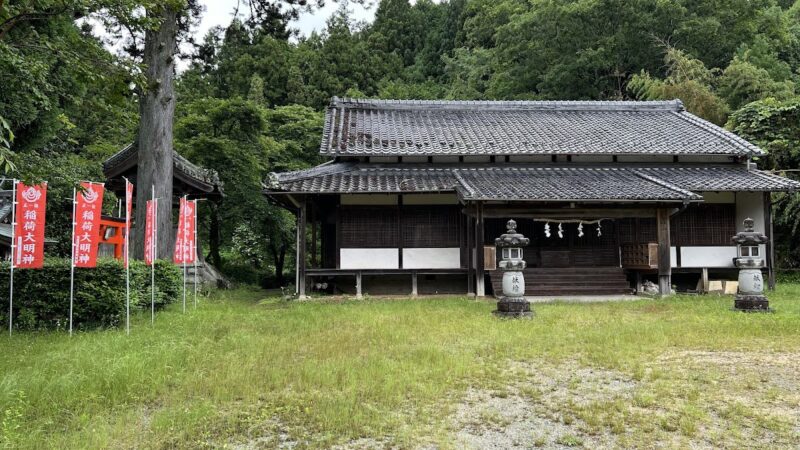
Within the grounds of Seiryu-ji Temple lies Seiryu Shrine, preserving the form of syncretism between Shinto and Buddhism where temples and shrines coexist. Following the Meiji-era decree separating Shinto and Buddhism, many temples separated their shrines from their temples. However, at Seiryu-ji Temple, both still coexist on the same grounds.
The greatest highlight of Seiryu Shrine is the painting of a dragon and tiger on the shrine building. The powerful brushstrokes of the dragon and tiger captivate visitors. The dragon is considered a water and rain god, while the tiger is a guardian deity of the mountains, each holding significant meaning.
Atmosphere of the Temple Grounds
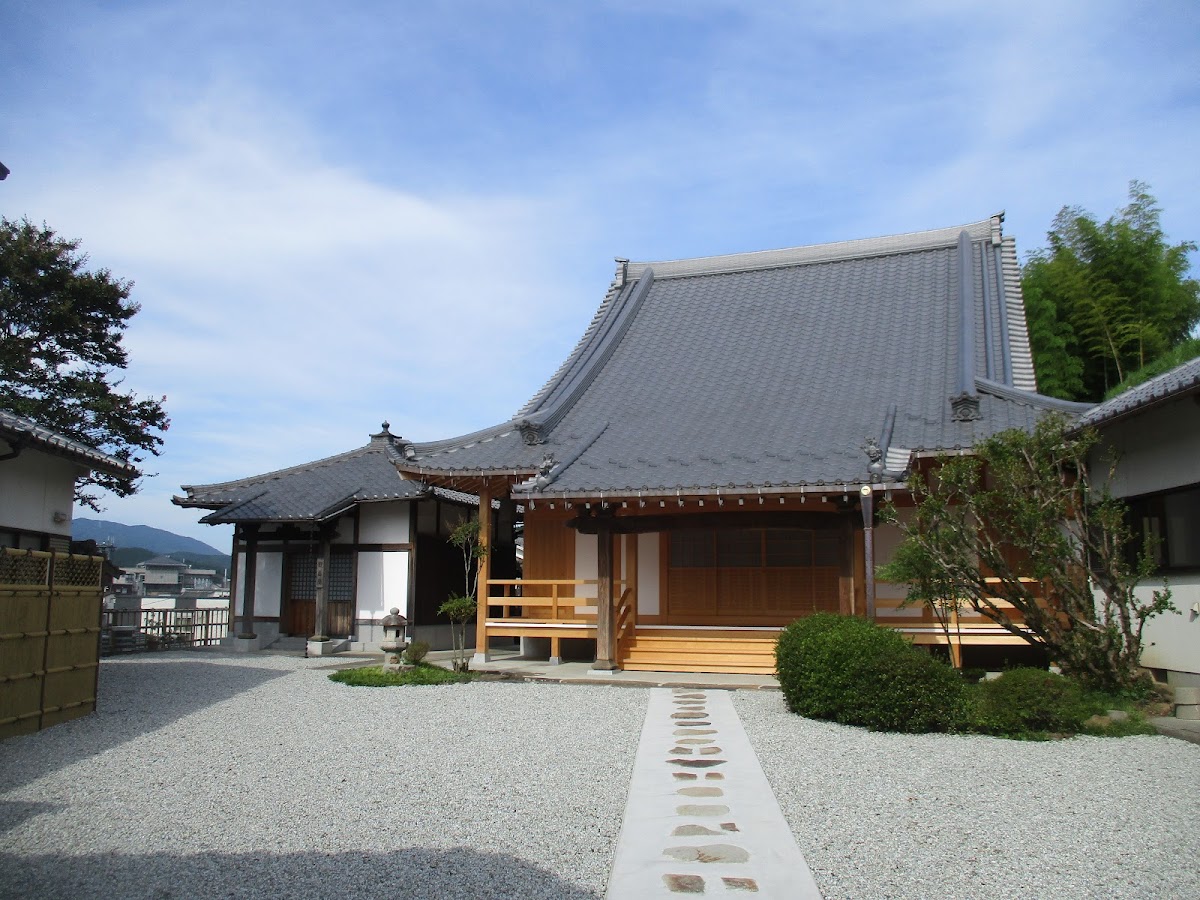
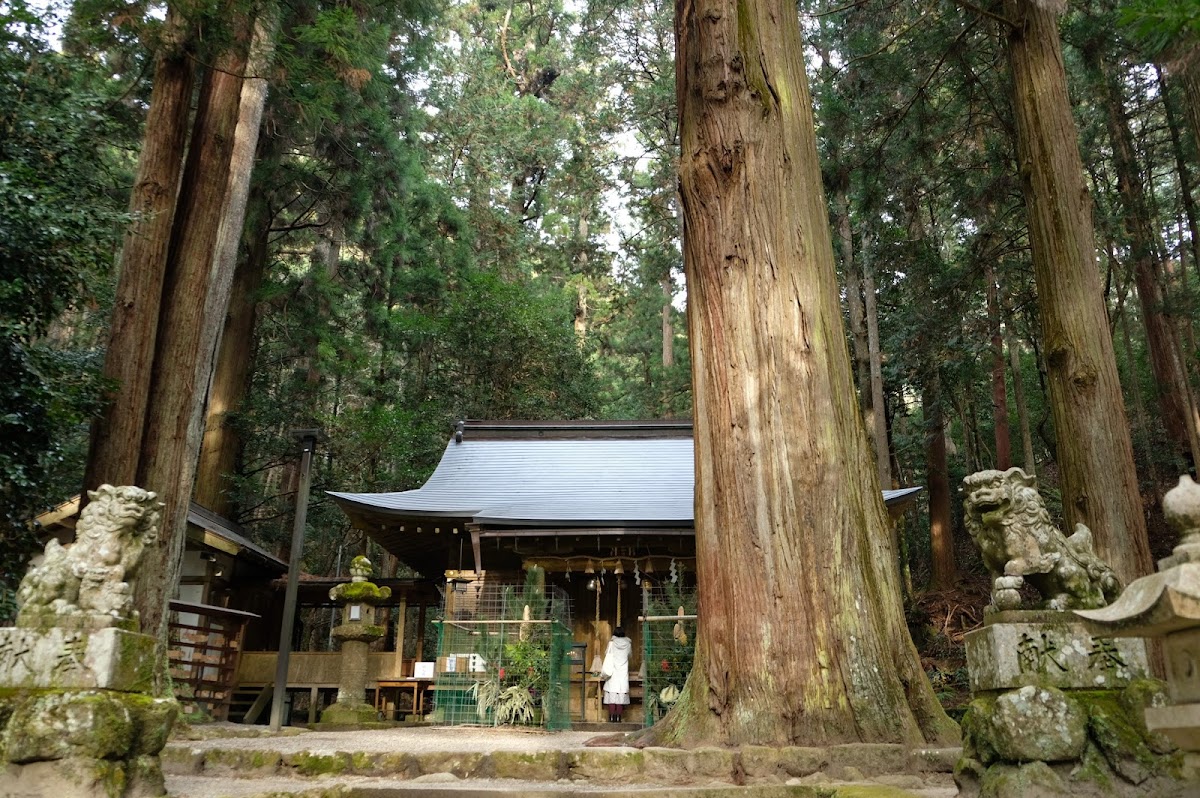
The grounds of Seiryu-ji Temple are a tranquil space surrounded by nature. Located in a mountainous area, it offers a peaceful environment for worship, far removed from the hustle and bustle of the city. The grounds are filled with ancient trees, allowing visitors to experience the changing seasons.
Especially in the early morning and at dusk, the sacred atmosphere is even stronger, making it the perfect time for a calm and peaceful visit.
Dragon God Worship and Seiryu-ji Temple in Uda City
Dragon God Spots in Uda City
Uda City has numerous shrines and spots with “dragon” in their name. The most famous is the Muro Ryuketsu Shrine in the Muro district, where numerous legends of the dragon god remain. Muro Ryuketsu Shrine has a longer history than Muro-ji Temple and is known as a shrine dedicated to the water god and the dragon god.
In addition, the following dragon god-related spots exist in Uda City:
- Muro Ryuketsu Shrine: An ancient shrine dedicated to the water god and the dragon god
- Ryuchin Falls: A mystical waterfall with legends of the dragon god
- Kichijo Ryuketsu: A cave said to be inhabited by a dragon
The Relationship Between Seiryu-ji Temple and Dragon God Worship
The name “Seiryu” (青龍) in Seiryu-ji Temple, and the Seiryu Shrine located within its grounds, are thought to have a deep connection to the dragon god worship rooted in the Uda region. The dragon god, as the god who controls water, was especially important to people engaged in agriculture.
In the Uda region, blessed with abundant water resources including the Uda River, the belief in the dragon god has been strong since ancient times, and Seiryu-ji Temple has become deeply rooted in the local community as part of this religious culture. ## How to Worship at Seiryu-ji Temple
Basic Worship Etiquette
At Seiryu-ji Temple, a temple of the Nichiren Shinmon sect, the following is the basic worship etiquette:
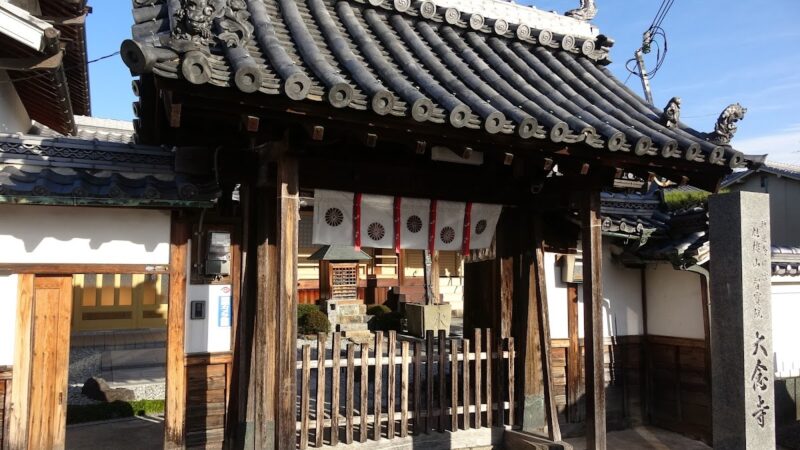
- Bow at the Temple Gate: Bow at the temple gate before entering the temple grounds.
- Purification at the Water Basin: If there is a water basin, purify your hands and mouth.
- Worship at the Main Hall: Join your hands in prayer in front of the main hall and chant “Namu Myoho Renge Kyo.”
- Offering a Coin: Offer a coin with sincerity.
- Worship at Seiryu Shrine: At the shrine, worship using the Shinto method of two bows, two claps, and one bow.
Points to Note During Worship
- Worship quietly and be considerate of other worshippers.
- Take photographs only in designated areas.
- Limit eating and drinking on the temple grounds.
- Please take your trash with you.
Tourist Spots Around Seiryu-ji Temple
Muro-ji Temple
Muro-ji Temple, located about 20 minutes by car from Seiryu-ji Temple, is an ancient Shingon Buddhist temple known as “Women’s Koya.” It is a famous temple with many cultural assets, including a national treasure five-story pagoda, and is a must-see spot when visiting Uda City.
Muro-ryuketsu Shrine
Near Muro-ji Temple, Ryuketsu Shrine is a shrine dedicated to the water god, the dragon god, and is filled with a dignified and sacred atmosphere. It is also a popular power spot, attracting many worshippers.
Uda Matsuyama District
The Uda Matsuyama district, designated as an Important Preservation District for Groups of Traditional Buildings, is a beautiful area that retains the townscape of the Edo period. Old townhouses and pharmaceutical wholesalers line the streets, making it ideal for historical walks.
Ouda Onsen Akinonoyu
If you want to soothe your fatigue from sightseeing, Ouda Onsen Akinonoyu is recommended. You can spend a relaxing time at this local hot spring facility.
Seiryu-ji Temple and Cemetery/Burial Park Information
About Temple Cemeteries
Seiryu-ji Temple, as a temple of the Nichiren Shinmon sect, manages a cemetery for its parishioners. Temple cemeteries have the following characteristics:
- Sectarian Restrictions: Primarily for parishioners of the Nichiren Shinmon sect
- Perpetual Memorial Service: Perpetual memorial services are provided by the temple
- Peace of Mind Management: The temple takes responsibility for managing the cemetery
- Convenience of Memorial Services: Memorial services can be held on the same grounds
Consultation Regarding Graves
If you are interested in using a cemetery at Seiryu-ji Temple, perpetual memorial services, or tree burial, we recommend contacting the temple directly. The phone number is 0745-82-3365.
Recently, interest in the following forms of memorial services has been increasing:
- Perpetual Memorial Grave: Even without successors, the temple will provide perpetual memorial services.
- Tree Burial: A form of memorial service that returns to nature.
- Columbarium: Indoor storage of remains.
Regarding Reburial (Moving a Grave)
If you are considering relocating a grave from another cemetery to Seiryu-ji Temple, the following procedures are required:
- Obtaining a Reburial Permit: Apply to the municipality where the current grave is located.
- Obtaining an Acceptance Certificate: Obtain this from Seiryu-ji Temple.
- Transporting the Remains: Transfer the remains using appropriate methods.
- Interment at the New Cemetery: Hold an interment ceremony at Seiryu-ji Temple.
For further details, we recommend contacting Uda City Hall or Seiryu-ji Temple directly.
Temple Culture of Uda City
Major Temples in Uda City
Besides Seiryu-ji Temple, Uda City has many other temples:
- Muro-ji Temple: The head temple of the Muro-ji branch of the Shingon sect
- Ono-ji Temple: An ancient temple known as the western main gate of Muro-ji Temple
- Butsuryu-ji Temple: Famous for having the oldest and largest cherry tree in the prefecture
- Saiko-ji Temple: A temple that attracts local faith
These temples, while belonging to different sects, contribute to the Buddhist culture of the Uda region.
Seiryu-ji Temples in Nara Prefecture
There may be multiple temples named Seiryu-ji in Nara Prefecture, but the Seiryu-ji Temple in Hagiwara, Haibara-ku, Uda City, is a temple of the Nichiren Shinmon-ryu sect and has its own unique history and characteristics. It is important to check the location and sect to avoid confusion with other Seiryu-ji temples.
Practical Information for Visiting Seiryu-ji Temple
Visiting Hours
It is recommended to check with the temple in advance regarding visiting hours. Generally, daytime hours (around 9:00 AM to 5:00 PM) are suitable for visiting, but hours may change if there are religious services or events.
Admission Fee
There is no admission fee for regular visits, but fees may apply for special viewings or viewing of cultural properties. Please contact the temple directly for details.
Annual Events
As a temple of the Nichiren sect, Seiryu-ji Temple is believed to hold the following annual events:
- New Year’s Day: Shusho-e (New Year’s service)
- Spring and Autumn Equinoxes: Higan-e (Equinox service)
- Obon: Urabon-e (Buddhist festival)
- Nichiren Shonin Related Services: Services held on the anniversary of the founder’s death, etc.
Please check with the temple for specific dates.
Nearby Accommodations
The following types of accommodations are available around Uda City:
- Guesthouses/Inns: Enjoy warm local hospitality
- Business Hotels: Several around Haibara Station
- Hot Spring Inns: Around Ouda Onsen
- Traditional House Inns: Accommodations utilizing historical buildings
Dining Options
Uda City is a region rich in Yamato vegetables and local ingredients. You can enjoy the following types of cuisine:
- Somen Noodles: A specialty of Uda
- Kudzu Cuisine: Dishes using Yoshino kudzu
- Local Vegetable Dishes: Dishes using fresh vegetables
- Ancient Rice: Dishes using historical rice varieties
Summary: The Charm of Seiryu-ji Temple
Located in Hagiwara, Haibara-ku, Uda City, Nara Prefecture, Seiryu-ji Temple is a historical temple of the Hokke-shu Shinmon-ryu sect that has supported the faith of the region. Seiryu-ji Temple boasts many attractions, including a valuable wooden statue of Fudo Myoo (Acala), the dragon and tiger paintings at Seiryu Shrine, and its unusual form as a temple and shrine coexisting.
Its connection to the dragon god worship deeply rooted throughout Uda City is also fascinating, and visiting it along with other dragon god spots such as Muro Ryuketsu Shrine will allow you to gain a deeper understanding of the region’s religious culture.
Nestled in a rich natural environment, Seiryu-ji Temple offers a peaceful place to worship, perfect for calming the mind and escaping from daily life. When visiting Uda City in Nara Prefecture, be sure to visit Seiryu-ji Temple.
Before visiting, it is recommended to call in advance (0745-82-3365) to obtain the latest information on access and visiting hours. Planning your visit from Haibara Station on the Kintetsu Osaka Line and combining it with other nearby tourist spots will allow you to enjoy a more fulfilling sightseeing experience in Uda City.