Complete Guide to Okuraji Temple (Uda City, Nara Prefecture): The Ancient Temple in the “Hidden Village” Beloved by Masako Shirasu
Nestled deep in the mountains of Kurino, Ouda, Uda City, Nara Prefecture, Okuraji Temple is an ancient temple of the Ryumon Shingon sect with a long history. Known for its appearance in Masako Shirasu’s travelogue, “Kakure-zato” (Hidden Village), this temple maintains a tranquil and wabi-sabi atmosphere even today. This article will fully convey the charm of this little-known temple, from its history, buildings, cultural assets, to visiting information.
About Okuraji Temple
Okuraji Temple is a Ryumon Shingon sect temple located at 906 Kurino, Ouda, Uda City, Nara Prefecture. Its mountain name is Unkanzan, its temple name is Iōin, and its principal image is Yakushi Nyorai (Medicine Buddha).
Basic Information
- Official Name: Unkanzan Iōin Ōzōji Temple
- Sect: Ryūmon Shingon Buddhism (Yamato Ryūmon Shingon Buddhism Ryūmon School)
- Principal Image: Yakushi Nyorai (Medicine Buddha)
- Location: 906 Kurino, Ōuda, Uda City, Nara Prefecture
- Founding: Traditionally during the time of Prince Shōtoku
Uda City was known as Akino in ancient times and is a historical region mentioned in the Manyōshū (Collection of Ten Thousand Leaves). Ōzōji Temple is located in the mountains along the national highway leading from the center of Uda City towards Yoshino, truly a place worthy of being called a “hidden village.”
History of Ōzōji Temple
Founding Legend and Prince Shōtoku
According to temple tradition, Ōzōji Temple was founded by Prince Shōtoku. Prince Shōtoku was a prominent figure during the Asuka period (late 6th to early 7th century) and is known for his efforts in promoting Buddhism. The fact that Ōkura-ji Temple is said to have been founded by Prince Shōtoku speaks to the ancient Buddhist culture in this region.
However, historical records are scarce, and the exact founding date remains uncertain. Nevertheless, it is undeniable that this region has been an important place of worship since ancient times.
The Legend of Kōbō Daishi Kūkai and “Moto-Kōya”
A noteworthy aspect of Ōkura-ji Temple’s history is its connection to Kōbō Daishi Kūkai. According to legend, after returning from Tang China, Kūkai first entered this mountain and established a training hall for esoteric Buddhism. For this reason, Ōkura-ji Temple has also been called “Moto-Kōya” (Original Kōya).
While Kukai is said to have founded Mount Koya in 816 AD, the tradition that he practiced esoteric Buddhism in this Uda region before that indicates that Daizoji Temple played an important role as a center of Shingon esoteric Buddhism.
Connection with En no Ozunu
En no Ozunu (En no Gyoja), considered the founder of Shugendo, is also said to have used this area as a training ground. The Uda region is close to Yoshino and has long been one of the centers of mountain worship. Since En no Ozunu is believed to have been active in the late 7th century, it can be inferred that the area around Daizoji Temple was recognized as a sacred site from the early days of Buddhism’s introduction to Japan.
History from the Medieval Period Onward
In the medieval period, Daizoji Temple developed as a Shingon Buddhist temple. In 1240 AD, during the mid-Kamakura period, a thirteen-story stone pagoda was erected on the temple grounds. This stone pagoda, as described later, is an important cultural property known to be the work of the renowned stonemason, Ino Yukisue.
It has continued to function as a center of local faith since the Edo period, and continues to uphold its religious traditions in the quiet mountains to this day.
Temple Grounds and Buildings
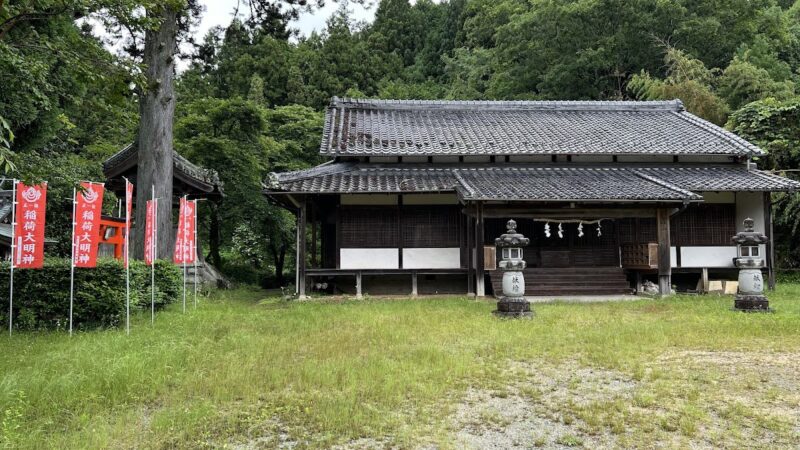
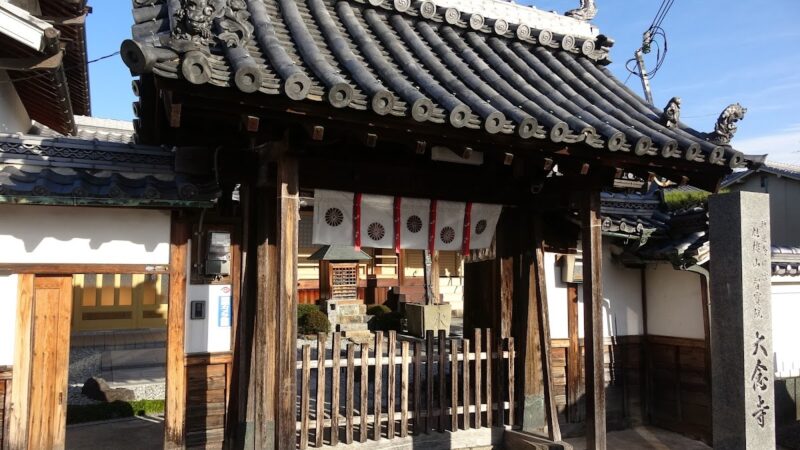
The grounds of Daizoji Temple are located in the mountains of Uda City, offering visitors profound tranquility and spiritual peace. Upon passing through the temple gate, visitors are greeted by a well-maintained garden and historic buildings.
Main Hall (Important Cultural Property)
The main hall of Daizoji Temple is a valuable building designated as a National Important Cultural Property. It is a temple that preserves the architectural style of the Muromachi period, and enshrines Yakushi Nyorai (Medicine Buddha) as its principal image.
While the architectural style of the main hall is based on the Japanese style, it also possesses the solemnity characteristic of esoteric Buddhist temples. Inside, Buddhist statues, including the Yakushi Nyorai statue, are enshrined, creating a serene space.
Mikage-do Hall (Important Cultural Property)
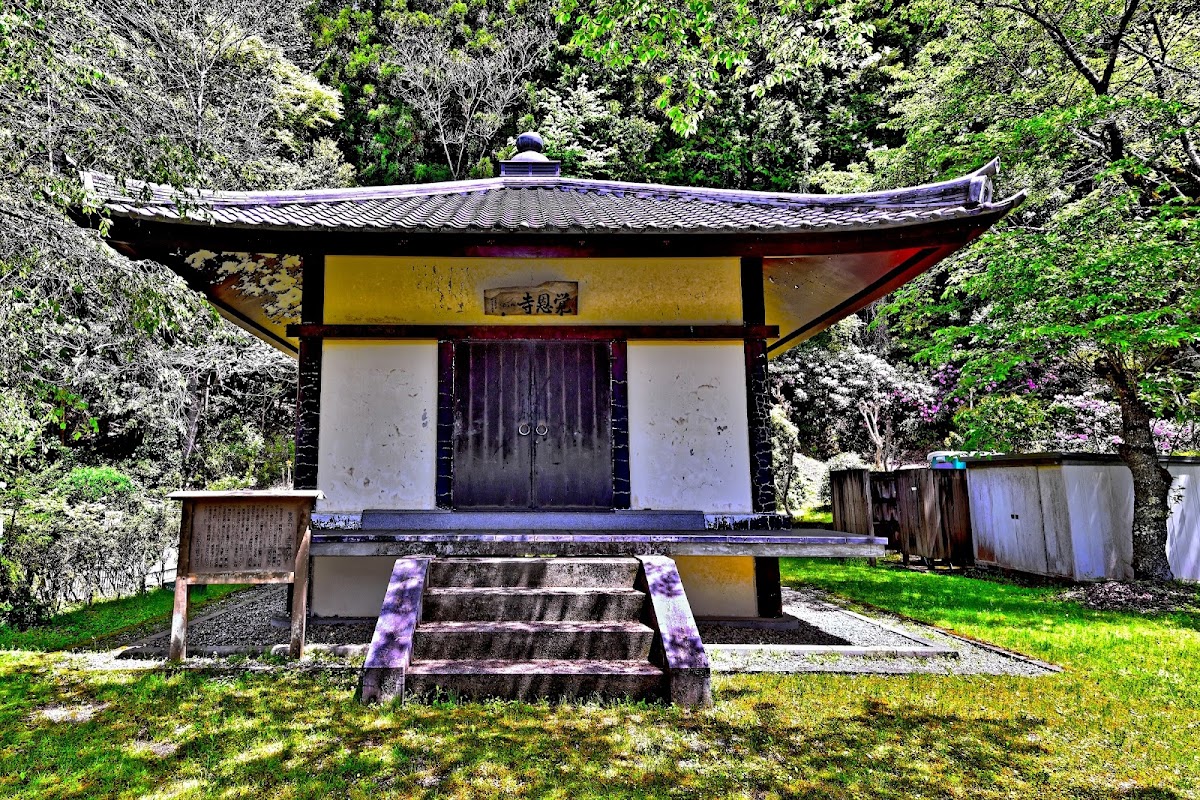
Alongside the main hall, the Mikage-do Hall is designated as an Important Cultural Property. The Mikage-do Hall enshrines a statue of Kobo Daishi Kukai and holds an important position in Shingon Buddhist temples.
The Mikage-do Hall of Daizo-ji Temple is highly valued in architectural history as a valuable structure that preserves the architectural style of the medieval period.
Garden
The temple grounds’ garden is praised by visitors for being “very well-maintained.” Harmonizing with the natural environment of the mountains, the garden displays different expressions throughout the seasons, soothing the hearts of visitors.
The wabi-sabi atmosphere described by Masako Shirasu in her novel “Kakure-zato” (Hidden Village) remains undiminished even after more than 40 years, and this garden is an important element that contributes to that atmosphere.
Cultural Properties
Daizo-ji Temple possesses many valuable cultural properties, including nationally designated Important Cultural Properties and Nara Prefecture designated Tangible Cultural Properties.
Important Cultural Property
Main Hall
As mentioned above, the main hall is designated as a National Important Cultural Property. As a valuable historical structure that conveys the architectural techniques of the Muromachi period, it occupies an important position in architectural history research.
Mikage-do Hall
The Mikage-do Hall is also protected by the government as an Important Cultural Property. As a building that tells the history of the worship of Kobo Daishi, it has high value both from a religious and architectural history perspective.
Nara Prefecture Designated Tangible Cultural Property
Thirteen-Story Stone Pagoda
The thirteen-story stone pagoda located within the grounds of Daizo-ji Temple is protected as a Nara Prefecture Designated Tangible Cultural Property. This stone pagoda was erected in the second year of En’o (1240) during the mid-Kamakura period. It is a magnificent stone structure made of granite, standing approximately 417 centimeters tall.
The most notable feature of this stone pagoda is that its creator has been identified. This pagoda is known to be the work of the renowned stonemason Ino Yukisue (also known as Ino Yukisue), and is the same stonemason who created the thirteen-story stone pagoda at Hannya-ji Temple in Nara City.
Ino Yukisue was a stonemason who was active during the Kamakura period and is known for his significant contributions to the development of Japanese stonework culture. The thirteen-story stone pagoda at Daizo-ji Temple is one of his representative works, demonstrating his high level of skill, and holds an important position in the history of stonework art.
The pagoda consists of thirteen stories, and the orderly stacking of each story demonstrates the pinnacle of Kamakura-period stonework techniques. This pagoda, which has stood without collapsing for so many years, is a valuable cultural asset that speaks to the high level of stonemasonry at that time.
Other Cultural Assets
In addition to the principal image of Yakushi Nyorai (Medicine Buddha), many Buddhist statues and implements have been preserved on the temple grounds. These are carefully preserved as valuable legacies that tell the long history of Daizo-ji Temple.
Masako Shirasu’s “Hidden Villages” and Daizoji Temple
One of the reasons Daizoji Temple became widely known is the travelogue “Hidden Villages” by essayist Masako Shirasu. From the 1960s to the 1970s, Shirasu visited and explored the “hidden villages” of Nara, capturing their beauty and spirituality in her writing.
Daizoji Temple in “Hidden Villages”
When Masako Shirasu visited Daizoji Temple, she was deeply impressed by its tranquility and wabi-sabi atmosphere in the mountains. Her writing, conveying the true essence of ancient temples untouched by tourism, resonated with many readers.
Even now, more than 40 years after the publication of “Hidden Villages,” Daizoji Temple retains much of that atmosphere. Visitors can still experience the serene atmosphere and unique space where time seems to stand still, just as Shirasu likely felt.
The Spirit of a “Hidden Village” Passed Down to the Modern Age
The fact that Daizoji Temple still maintains the atmosphere of a “hidden village” is thanks to the efforts of temple officials and the understanding of the local people. By avoiding excessive tourism and maintaining a quiet environment for worship, the spirit that Masako Shirasu cherished is preserved.
Access Methods
Daizoji Temple is located in the mountains, so access requires careful consideration. Detailed transportation information is provided below.
Access by Public Transportation
Nearest Stations
- Kintetsu Osaka Line “Haibara Station”: The most common access point
- Kintetsu Osaka Line “Hase-dera Station”: For those visiting in conjunction with a visit to Hase-dera Temple
- Kintetsu Osaka Line “Yamato-Asakura Station”: A bit further away, but still usable
Access by Bus
Buses operate from Kintetsu Haibara Station. However, since the number of buses is limited, we recommend checking the timetable in advance. Access from the bus stop to the temple grounds is on foot.
Access by Car
Routes from Major Roads
- From Osaka: Approximately 30 minutes from the Nishimeihan Expressway, Hari IC, via National Route 369
- From Nagoya: Approximately 30 minutes from the Meihan Expressway, Hari IC, via National Route 369
- From Nara City: Approximately 1 hour south on National Route 369
Parking
There is parking space on the temple grounds, but it requires driving on narrow mountain roads, so extreme caution is necessary. In particular, there are places where passing oncoming vehicles is difficult, so please drive carefully.
Notes on Access
Daizo-ji Temple is a mountain temple, and access may be difficult depending on road conditions and weather. Please note the following:
- Snow and Icy Conditions in Winter: Roads may be icy or covered in snow during winter.
- Narrow Mountain Roads: Some sections of the road are narrow; please avoid accessing the area with large vehicles.
- Accuracy of Car Navigation: Due to the mountainous location, car navigation directions may be inaccurate.
- Cell Phone Signal: Signal reception may be poor in some areas.
Visiting Information and Precautions
Guidelines for Visiting
Daizo-ji Temple is a quiet mountain temple, and there are several points to note when visiting. Please observe the following points when visiting.
Basic Manners
- Maintaining Silence: Please be quiet within the temple grounds and be considerate of other visitors.
- Photography: While photography of the exterior of buildings is permitted, photography inside the halls may be prohibited. Please check in advance
- Smoking and Eating/Drinking: Smoking is strictly prohibited on the temple grounds. Please refrain from eating and drinking outside of designated areas.
- Taking Your Trash Home: Please be sure to take your trash home with you.
Visiting Hours and Admission Fee
We recommend checking the visiting hours and admission fee for Daizoji Temple in advance. There may be times when the temple is closed due to events or religious services.
Group Visits
If you wish to visit as a group, please be sure to contact the temple in advance to arrange a date and time. As it is a temple located in the mountains, sudden visits by large groups should be avoided.
Attire
As it is a temple located in the mountains, we recommend wearing comfortable clothing and shoes suitable for walking. Especially in rainy weather or during winter, please choose non-slip shoes.
Nearby Attractions
When visiting Daizoji Temple, you can also visit other tourist spots around Uda City.
Historical Buildings of Uda City
Besides Daizoji Temple, Uda City boasts many other historical buildings. The townscape of Ouda has been designated a National Important Preservation District for Groups of Traditional Buildings, with rows of townhouses retaining the atmosphere of the Edo period.
Akino
In ancient times, this area was called Akino and is a historical place mentioned in the Manyoshu (an ancient collection of Japanese poetry). You can enjoy a historical walk while feeling the atmosphere of ancient times.
Muroji Temple and Hase-dera Temple
Around Uda City, there are also famous ancient temples such as Muroji Temple and Hase-dera Temple. Visiting these temples together will allow you to gain a deeper understanding of Nara’s Buddhist culture.
The Charm of Daizoji Temple and its Future Preservation
Value as a “Hidden Village”
The greatest charm of Daizoji Temple is that it continues to maintain its atmosphere as a “hidden village” even in modern times. Its avoidance of excessive tourism and emphasis on tranquility and spirituality makes it a valuable presence in modern society.
Preservation of Cultural Properties
It is our responsibility as modern people to pass on valuable cultural properties, such as the main hall and the Mikage-do hall (both designated Important Cultural Properties), and the thirteen-story stone pagoda (a Nara Prefecture designated cultural property), to future generations. Appropriate preservation and management, along with ongoing repairs and restorations as needed, are desirable.
Relationship with the Community
Daizo-ji Temple is operated by a corporate group of stakeholders and is managed independently of the local community, neighborhood associations, city government, and tourism organizations. This independence contributes to maintaining the temple’s tranquil environment.
On the other hand, as a regional cultural property, it is also important to maintain an appropriate relationship with the local community while passing on its value to future generations.
Summary
Located in Kurino, Ouda, Uda City, Nara Prefecture, Daizo-ji Temple is a historical temple with a legend of being founded by Prince Shotoku and where Kobo Daishi Kukai is said to have established a training hall for esoteric Buddhism. As a temple of the Ryumon Shingon sect, its official name is Unkanzan Iōin Daizōji, and it enshrines Yakushi Nyorai (the Medicine Buddha) as its principal deity.
Within the temple grounds, there are many valuable cultural assets, including the main hall and the Mikage-dō (Founder’s Hall), which are designated as important national cultural properties, and the thirteen-story stone pagoda (made by Igyōmatsu), which is a designated tangible cultural property of Nara Prefecture. It is also known for appearing in Masako Shirasu’s novel “Kakure-zato” (Hidden Village), and it continues to maintain its tranquil, wabi-sabi atmosphere.
Access is by bus or car from Kintetsu Haibara Station, but as it is a temple located in the mountains, sufficient preparation and caution are necessary for a visit. As it is a temple that values tranquility, visitors are expected to observe proper etiquette and worship with a quiet heart.
Daizōji Temple is a precious place that conveys the spirit of a “hidden village,” which is gradually disappearing in modern times. Its history, cultural assets, and serene atmosphere will surely give visitors a deep sense of spiritual fulfillment. This is a famous temple that you should definitely visit when touring the ancient temples of Nara.