Complete Guide to Kakuonji Temple (Uda City, Nara Prefecture) | Exploring the History of National Treasure-Class Buddhist Statues and the Thirteen-Story Stone Pagoda
Kakuonji Temple, quietly nestled in Maki, Ouda-ku, Uda City, Nara Prefecture, is a historic temple housing precious Buddhist statues from the Heian to Kamakura periods. Known as the family temple of the Maki Teikane clan, who played an active role on the Southern Court side, it preserves many cultural assets, including a wooden seated statue of Yakushi Nyorai (Medicine Buddha) and a thirteen-story stone pagoda, both designated as important national cultural properties.
This article comprehensively introduces information you should know before visiting Kakuonji Temple, including its history, details of its Buddhist statues, access methods, and nearby tourist spots.
What is Kakuonji Temple? | An Overview of an Ancient Temple Associated with the Southern Court
Kakuonji Temple is a temple of the Yuzu Nenbutsu sect located in Maki, Ouda-ku, Uda City, Nara Prefecture. Situated in the small hamlet of Maki, it is currently carefully managed by 12 local residents.
History and Origins of the Temple
Kakuonji Temple is said to have been founded as the family temple of the Maki Sadami clan, who were active on the Southern Court side during the Nanboku-cho period. The Maki clan was known as loyal retainers of the Southern Court and played an important role in this region.
However, during the Sengoku period, it is said that the temple was destroyed by fire during a conflict led by Tsutsui Junkei, a warlord of Yamato Province. This fire resulted in the loss of much of the temple’s detailed history and records. Currently, only a thirteen-story stone pagoda from the medieval period, a storage building, and valuable Buddhist statues remain.
Present-day Kakuonji Temple
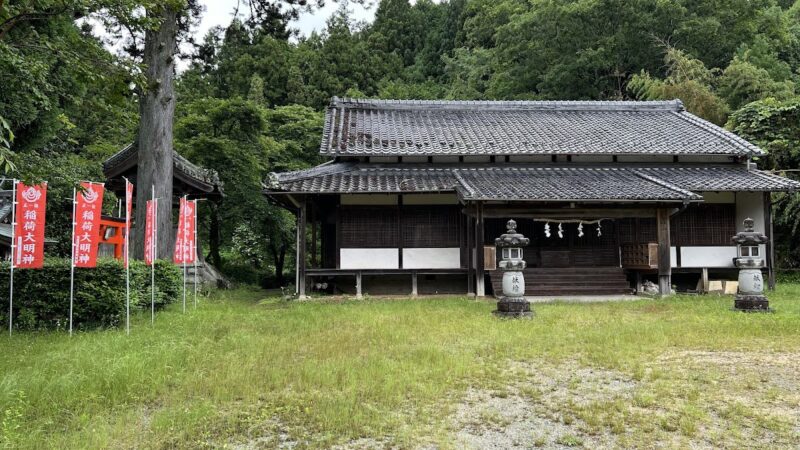
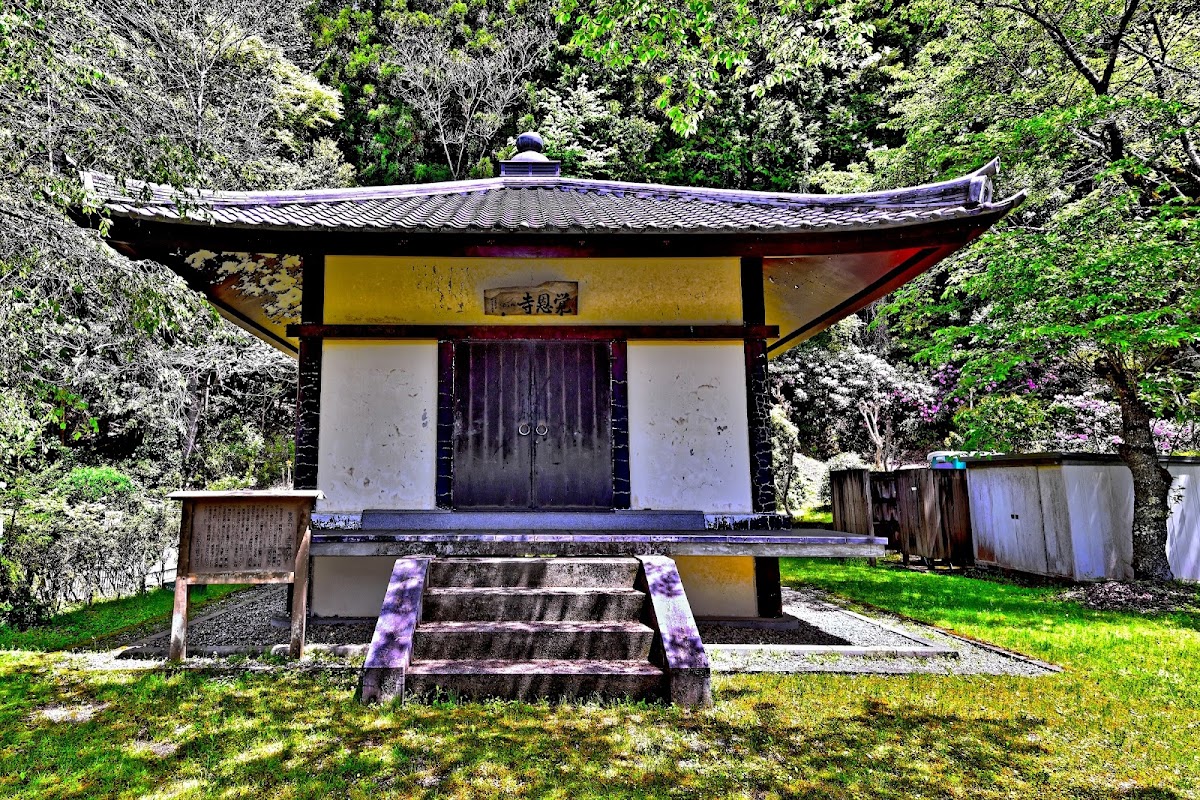
While the present-day Kakuonji Temple does not retain the appearance of its former grand complex, its storage building houses valuable Buddhist statues from the Heian to Kamakura periods, maintaining its value as a treasure trove of Buddhist art. Within the temple grounds, the thirteen-story stone pagoda, designated a National Important Cultural Property, stands quietly, evoking the temple’s former glory.
Present-day Kakuonji Temple
The present-day Kakuonji Temple does not retain the appearance of its former grand complex, but its storage building houses valuable Buddhist statues from the Heian to Kamakura periods, maintaining its value as a treasure trove of Buddhist art. Within the temple grounds stands the thirteen-story stone pagoda, designated a National Important Cultural Property, quietly, reminding us of its former glory. ## Cultural Properties of Kakuonji Temple | Nationally Designated Important Cultural Properties and Prefecturally Designated Cultural Properties
Kakuonji Temple houses several valuable cultural properties designated by the national government and Nara Prefecture.
Wooden Seated Statue of Yakushi Nyorai (Nationally Designated Important Cultural Property)
The most important cultural property of Kakuonji Temple is a wooden seated statue of Yakushi Nyorai, created during the Heian period (Fujiwara period).
Characteristics of the Buddha Statue:
- Period: Heian period (Fujiwara period)
- Material and Technique: Cypress wood, joined-wood construction, lacquer and gold leaf finish
- Height: 44.2 cm
- Designation: Nationally Designated Important Cultural Property
Artistic Value:
This seated statue of Yakushi Nyorai is characterized by its extremely gentle expression and the elegant depiction of its body and clothing. Influenced by the Jocho style of the late Heian period, it exhibits meticulous carving technique and a refined aesthetic sense.
The Yosegi-zukuri technique, a method of creating Buddhist statues by combining multiple pieces of wood, developed from the mid-Heian period onward. The urushi-haku finish, a technique of applying gold leaf over lacquer, gives the statue a magnificent radiance.
Despite its small size, this statue is a valuable example that strongly retains the characteristics of Heian period Buddhist sculpture and has been designated an Important Cultural Property.
Wooden Amida Buddha Seated Statue (Nara Prefecture Designated Cultural Property)
Housed in the storage facility alongside the Yakushi Nyorai (Medicine Buddha) seated statue is a wooden Amida Buddha seated statue from the Kamakura period.
Characteristics of the Buddhist Statue:
- Period: Late Kamakura Period
- Designation: Nara Prefecture Designated Cultural Property
Artistic Value:
This Amida Buddha seated statue, exhibiting the style of the late Kamakura period, represents a shift from the elegant style of the Heian period to a more realistic and powerful expression. This is a valuable example that allows us to appreciate the changes in Buddhist sculpture styles over time by comparing it with a seated Yakushi Nyorai statue from the Heian period.
Thirteen-Storied Stone Pagoda (Nationally Designated Important Cultural Property)
Within the grounds of Kakuonji Temple stands a thirteen-storied stone pagoda believed to have been erected between the late Kamakura period and the Nanboku-cho period.
Features of the Stone Pagoda:
- Period: Late Kamakura period to Nanboku-cho period
- Material: Quartz trachyte
- Height: 415cm (approx. 4.15m)
- Structure: Stands on a double base
- Designation: Nationally Designated Important Cultural Property
Historical Value:
This thirteen-storied stone pagoda is believed to have been erected as a memorial tower for the Maki Teikane family. It has a rare double base structure and is carefully crafted from hard quartz trachyte.
The thirteen-tiered structure is believed to be related to the belief in the Thirteen Buddhas in Buddhism and the doctrines of Esoteric Buddhism, and it is highly regarded as a masterpiece of medieval stone art. Having survived warfare to this day, this stone pagoda is an important historical relic that conveys the history of Kakuonji Temple.
How to Access Kakuonji Temple
Kakuonji Temple is located in a mountainous area of Uda City, Nara Prefecture, so caution is advised when accessing it by public transportation.
Access by Train and Bus
Nearest Station: Kintetsu Osaka Line “Haibara Station”
Access Procedure:
- From Kintetsu Haibara Station, take the Nara Kotsu bus (South Exit Platform 2 or 3) bound for “Ouda” (approximately 15 minutes)
- Transfer to the Ouda Community Bus at the “Ouda” bus stop
- Get off at the “Senbonbashi” bus stop
- Approximately 10 minutes on foot
Notes:
- Community bus service is limited, so it is recommended to check the timetable in advance.
- Service may be even less frequent on weekends and holidays.
Access by Car
Access by car is the most convenient.
From Major Roads:
- Approximately 30 minutes from Meihan National Highway “Hari IC”
- Approximately 40 minutes from Keina-Wa Expressway “Gosho-Minami IC”
Parking:
There is parking space on the temple grounds or nearby, but as it is a small temple, it is recommended to check in advance. ### Walking Route from the Nearest Station
While it is possible to access the temple on foot from Kintetsu Osaka Line’s “Yamato-Kamiichi Station,” the distance is considerable (approximately 3-4 km), so we recommend using a bus or car.
Visiting Information and Precautions
About Visiting
Kakuonji Temple is normally closed to the public. Advance reservations are required to view the important cultural property Buddhist statues housed in the temple’s storage facility.
How to Make a Reservation for Visiting:
- Prior contact with the head of the Maki district is required.
- Inquiries can also be made through the Uda City Board of Education Cultural Properties Division (TEL: 0745-83-2251).
Notes on Visiting:
- As it is managed by a small community, consideration for local residents is necessary during visits.
- Please confirm in advance whether photography is permitted.
- Please confirm the admission fee when making a reservation.
Basic Information
Location: 633-2143 Maki, Ouda-ku, Uda City, Nara Prefecture
Sect: Yuzu Nembutsu Sect
Contact: Uda City Board of Education Cultural Properties Division (TEL: 0745-83-2251)
Visiting Hours: Reservation required (normally closed to the public)
Admission Fee: Please inquire
Parking: Available (small)
Tourist Attractions Around Kakuonji Temple
When visiting Kakuonji Temple, we recommend also visiting other attractive tourist spots in Uda City. ### Matsuyama District Townscape (Important Preservation District for Groups of Traditional Buildings)
Located about 10 minutes by car from Kakuonji Temple, the Matsuyama district preserves a beautiful townscape lined with Edo-period townhouses. Designated as a National Important Preservation District for Groups of Traditional Buildings, it offers a historical atmosphere.
Uda Matsuyama Castle Ruins
On the mountaintop behind the Matsuyama district lie the ruins of Uda Matsuyama Castle. Selected as one of the Continued Top 100 Japanese Castles, the castle tower offers a panoramic view of the Uda Basin.
Matabei Cherry Tree
In spring, the Matabei Cherry Tree, a representative cherry blossom spot in Uda City, blooms magnificently. This giant weeping cherry tree, over 300 years old, attracts many tourists when in full bloom. It’s about 15 minutes by car from Kakuonji Temple.
Muroji Temple
Muroji Temple, known as “Women’s Koya,” is about 20 minutes by car from Kakuonji Temple. This is a renowned temple possessing numerous cultural assets, including the national treasure five-story pagoda and the main hall.
Ohno-dera Temple
Located along the Muro River, Ohno-dera Temple features a massive rock-carved Buddha image on the opposite bank. In spring, the weeping cherry blossoms are beautiful, making it well worth a visit along with Kakuon-ji Temple.
History and Culture of Uda City
Uda City, where Kakuon-ji Temple is located, is a region that played an important historical role from ancient to medieval times.
Ancient Uda
Uda, which appears in the Kojiki and Nihon Shoki, is known as a place associated with the legend of Emperor Jimmu’s eastern expedition. It had deep ties with the Yamato court from ancient times, and many burial mounds and ruins remain.
Medieval Uda and the Southern Court
During the Nanboku-cho period (Northern and Southern Courts period), the Uda region was one of the important bases of the Southern Court. Many samurai, including the Maki clan (the family temple of Kakuon-ji Temple), were active on the Southern Court’s side. The history of this era is etched into the thirteen-story stone pagoda and Buddhist statues of Kakuonji Temple.
Uda in the Early Modern Period
During the Edo period, Uda flourished as a castle town of the Uda-Matsuyama Domain, and medicinal herb cultivation and pharmaceutical industries developed. The townscape of the Matsuyama district, which remains today, conveys the prosperity of this era.
Gourmet Information around Uda City
When visiting Kakuonji Temple, be sure to enjoy the unique cuisine of Uda City.
Local Sake of Uda
Uda City has several sake breweries, producing high-quality local sake. Made from pure water and high-quality rice, this sake makes an ideal souvenir.
Yamato Chicken
Yamato chicken, a specialty of Nara Prefecture, can also be enjoyed in Uda City. Characterized by its firm texture and rich flavor, it is served in dishes such as oyakodon (chicken and egg rice bowl) and yakitori (grilled chicken skewers).
Vegetable Dishes in Uda
Uda City is located at a high altitude with significant temperature differences, resulting in delicious vegetables. Many restaurants serving dishes made with fresh, locally sourced vegetables are scattered throughout the area.
Kudzu Mochi and Kudzu Noodles
Nara Prefecture is famous for its kudzu production, and you can enjoy authentic kudzu mochi and kudzu noodles in Uda City. Their beautiful, translucent appearance and smooth texture are their main attractions.
Recommended Accommodations in Uda City
If you want to fully enjoy sightseeing in Uda City, including Kakuonji Temple, staying in the city or nearby is recommended.
Accommodations in Uda City
Uda City has various accommodations, including hot spring inns, guesthouses, and minshuku (traditional Japanese inns). Many offer dishes made with local ingredients, allowing you to enjoy a relaxing time.
Accommodations in Nearby Areas
There are also accommodations around Muro Onsen and Haibara, offering good access to Kakuonji Temple. You can relax and soothe your travel fatigue in the hot springs.
Best Season to Visit Kakuonji Temple
Kakuonji Temple is open year-round (reservations required), but the surrounding scenery changes significantly with the seasons.
Spring (March-May)
Spring is the most beautiful season in Uda City. Cherry blossoms, including the Matabei Cherry Tree, bloom throughout the city. The mountains surrounding Kakuonji Temple are enveloped in fresh greenery, creating a refreshing atmosphere for worship.
Summer (June-August)
Summer is a pleasant season with lush greenery and a cool mountain climate. However, insect repellent is necessary due to the mountainous terrain.
Autumn (September-November)
Autumn is the season of autumn leaves, and the entire city of Uda is beautifully colored. The best time to visit is especially from late October to mid-November. Nearby temples such as Muroji Temple are also known as famous spots for autumn foliage.
Winter (December-February)
Winter is a quiet season for worship, with fewer tourists. While snow sometimes accumulates, the thirteen-story stone pagoda in the snowy landscape is quite picturesque. However, caution is needed due to icy roads.
Cultural Property Preservation Activities at Kakuonji Temple
The valuable cultural properties of Kakuonji Temple are protected through the dedicated efforts of local residents.
Community Management
Currently, 12 households in the Maki district cooperate to manage Kakuonji Temple. Their daily efforts, including maintaining the storage facilities and checking the preservation status of the cultural properties, ensure that these important cultural properties are passed on to future generations.
Initiatives by Uda City
The Cultural Properties Division of the Uda City Board of Education is actively working to protect the cultural properties of Kakuonji Temple. Regular surveys, preservation status checks, and restoration work as needed are carried out.
Request to Visitors
When visiting Kakuonji Temple, please cooperate with the following:
- Always make a reservation in advance
- Be considerate of the lives of local residents
- Do not directly touch cultural properties
- Do not enter areas other than designated areas
- Please take all your trash with you
Summary | The Charm and Value of Visiting Kakuonji Temple
Kakuonji Temple, located in Maki, Ouda, Uda City, Nara Prefecture, is an ancient temple possessing valuable cultural properties including a wooden seated statue of Yakushi Nyorai from the Heian period (National Important Cultural Property), a wooden seated statue of Amida Nyorai from the Kamakura period (Nara Prefecture Designated Cultural Property), and a thirteen-story stone pagoda (National Important Cultural Property).
Founded as the family temple of the Maki Teikane family during the Nanboku-cho period, it survived the wars of the Sengoku period and is now carefully preserved by the people of a small village. Because it is usually closed to the public, advance reservations are required for visits, but this allows visitors to quietly appreciate the valuable cultural properties in a peaceful environment.
Besides Kakuonji Temple, Uda City boasts numerous other attractive tourist spots, including the Matsuyama district’s townscape, Muroji Temple, and Matabei Cherry Tree. A journey exploring Uda City’s history and culture, centered around Kakuonji Temple, will be a valuable experience in discovering new facets of Nara’s charm.
When planning your visit, please be sure to contact the temple in advance, be considerate of the local residents, and cherish your encounter with this precious cultural heritage.
Frequently Asked Questions (FAQ)
Can I visit Kakuonji Temple without a reservation?
Kakuonji Temple is normally closed to the public, so visits without a reservation are not possible. To view the important cultural property Buddha statues housed in the temple’s storage, you must make a reservation in advance by contacting the head of the Maki district or the Uda City Board of Education Cultural Properties Division (TEL: 0745-83-2251).
How much is the entrance fee for Kakuonji Temple?
The entrance fee must be confirmed at the time of reservation. As it is a small temple managed by local residents, visiting conditions may vary depending on the circumstances.
What is the most convenient way to access Kakuonji Temple?
Access by car is the most convenient. If using public transport, you will need to transfer buses from Kintetsu Haibara Station, and since the number of community buses is limited, checking the timetable in advance is essential.
Is photography allowed at Kakuonji Temple?
Please check whether photography is permitted when making a reservation or visiting. Photography may be restricted for reasons related to the protection and management of important cultural properties.
When was the thirteen-story stone pagoda at Kakuonji Temple built?
The thirteen-story stone pagoda is believed to have been built during the late Kamakura period to the Nanboku-cho period. It is thought to have been erected as a memorial tower for the Maki Sadakan family and is designated as a national important cultural property.
What are some recommended tourist spots around Kakuonji Temple?
Recommended attractions include the Matsuyama district’s Important Preservation District for Groups of Traditional Buildings, the ruins of Uda Matsuyama Castle, Muroji Temple, Matabei Cherry Tree, and Onoji Temple. All are about a 10-20 minute drive from Kakuonji Temple.
What is the best season to visit Kakuonji Temple?
Spring (cherry blossom season) and autumn (autumn foliage season) are especially recommended. The surrounding natural scenery is beautiful, and the entire city of Uda enters its tourist season. However, if you prefer a quiet visit, winter, when there are fewer tourists, is also a good option.