Complete Guide to Shorenji Temple (Uda City, Nara Prefecture): The Charm of the Nunnery that Became the Setting for the Legend of Princess Chujo and Zeami’s Noh Plays
Shorenji Temple, nestled in Ugashi, Utano-ku, Uda City, Nara Prefecture, is a Jodo sect nunnery steeped in deep history and legend. It has long captivated the hearts of many as the site of Princess Chujo’s tragic story and her miraculous reunion with her father, and as the setting for Zeami’s Noh play “Hibariyama.” This article comprehensively introduces detailed information you should know before visiting Shorenji Temple, including its history, highlights, access methods, and surrounding area.
Basic Information on Shorenji Temple
Location and Access
Address: 1439 Ugashi, Utano-ku, Uda City, Nara Prefecture 633-2223
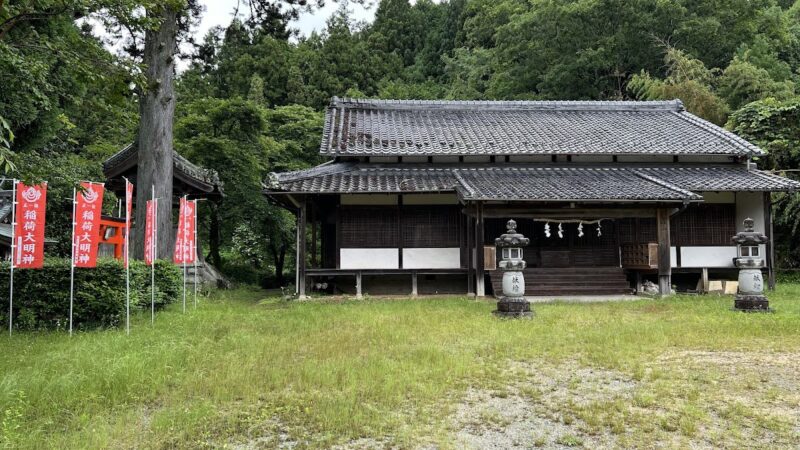
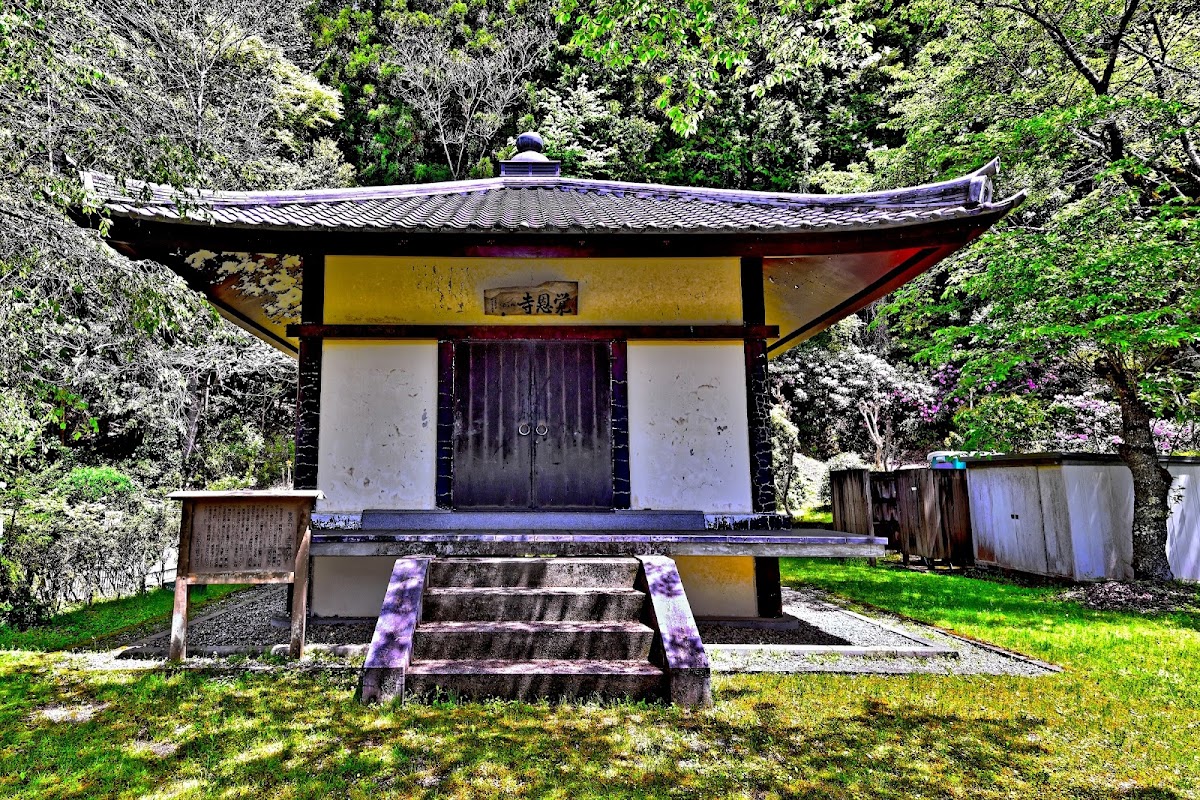
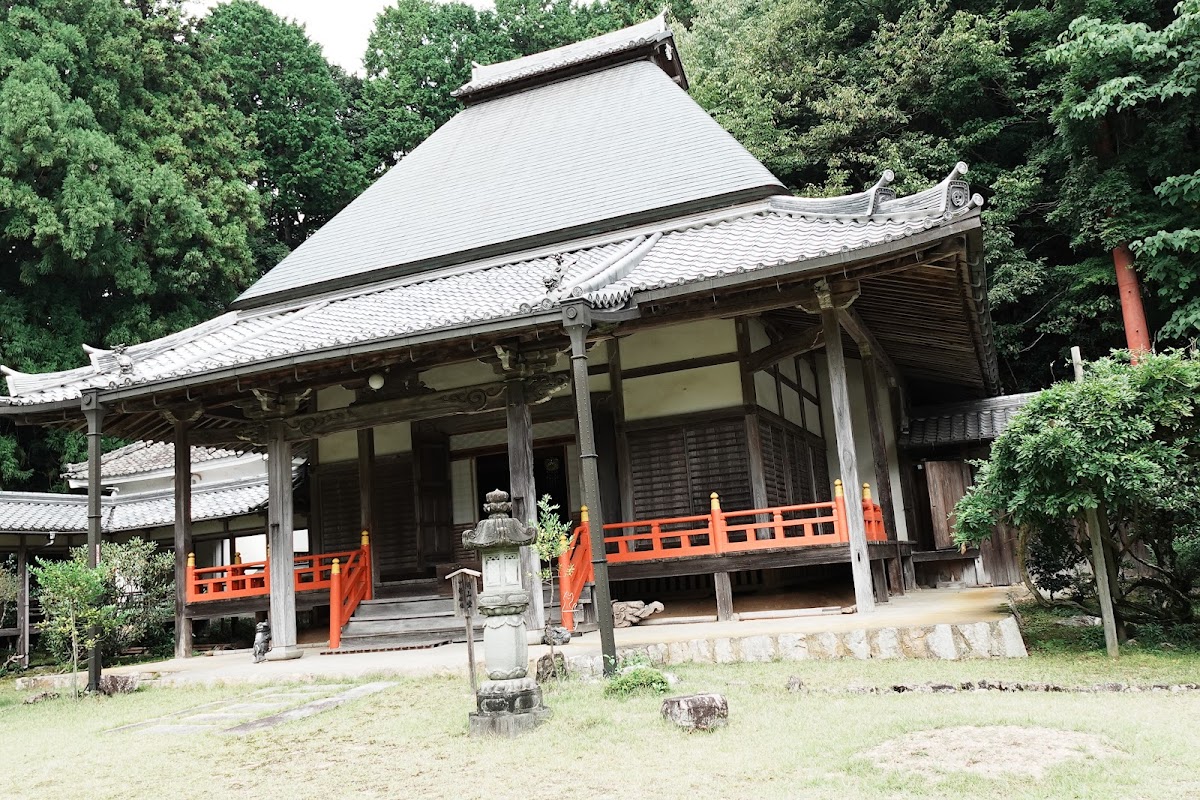
Shorenji Temple is a secluded temple located deep in the mountains of Uda City, characterized by its tranquil environment. The nearest station is Haibara Station on the Kintetsu Osaka Line, approximately 7.3 km away.
Transportation Access:
- By Train/Bus: Approximately 20 minutes by bus from Kintetsu Haibara Station, get off at the “Ugashi” bus stop, then a few minutes’ walk.
- By Car: Approximately 30 minutes from the Hari Interchange on the Meihan Expressway, or approximately 50 minutes from the Koriyama Interchange on the Nishi-Meihan Expressway.
Due to its mountainous location, public transportation is limited. We recommend checking the bus timetable before your visit.
Visiting Hours and Fees
Visiting Hours: 9:00 AM – 4:00 PM
Holidays: Open all year round
Admission Fee: Please contact the temple directly for information.
Sect and Mountain Name
Sect: Jodo Sect
Mountain Name: Hibariyama
As a Jodo Sect temple, it enshrines Amida Buddha as its principal deity and teaches the doctrine of attaining rebirth in paradise through chanting the Buddha’s name.
History and Origin of Shorenji Temple
The Legend of Princess Chujo: A Story of Tragedy and Reunion
The legend of Princess Chujo is indispensable when discussing the history of Shorenji Temple. This story is known as a subject of classical Japanese literature and Noh theater, and has been passed down through generations.
The Story of Princess Chujo:
Born in the Nara period as the beloved daughter of Minister of the Right Fujiwara Toyonari, Princess Chujo lost her mother at a young age. Lord Toyonari took a stepmother, but she was jealous of the beautiful and intelligent Princess Chujo and spread various slanders about her to his father.
Due to her stepmother’s machinations, Princess Chujo was exiled to Hibariyama (the area where Shorenji Temple is now located) at the tender age of 14. Though she had resigned herself to death, she was saved by the kind compassion of her retainer, Matsui Katota and his wife, and was allowed to live peacefully in this place.
Several years later, Lord Toyonari, visiting the area for hunting, coincidentally reunited with his daughter, Princess Chujo. Having learned of his stepmother’s machinations, Lord Toyonari deeply regretted his actions, and father and daughter had a moving reunion. Because of this miraculous event, Shorenji Temple became known as “the temple where dreams come true and you can meet the person you long to see.”
The setting of Zeami’s Noh play “Hibariyama”
Zeami, a Noh actor of the Muromachi period, created the Noh play “Hibariyama” based on the story of Princess Chujo. Shorenji Temple is the very setting for this Noh play and holds significant importance in the history of Noh theater.
“Hibariyama” beautifully depicts the tragedy and redemption of Princess Chujo and her reunion with her father, and is still performed today by many Noh schools, including the Kanze school. From the perspectives of literature and performing arts, Shorenji Temple occupies an important place in the history of Japanese culture.
History as a Nunnery
Shorenji Temple has a long history as a nunnery (a temple where female monks reside). Derived from the legend of Princess Chujo, it has functioned as a place of solace and faith for women. Even today, it maintains a serene and elegant atmosphere befitting a nunnery, offering peace to visitors.
While there are many famous temples in Nara Prefecture, Shorenji Temple, which conveys its own unique history and culture as a nunnery, is a valuable cultural asset of Uda City.
Highlights and Cultural Assets of Shorenji Temple
Relics Related to Princess Chujo
Shorenji Temple preserves valuable cultural assets related to Princess Chujo.
Images and Sculptures of Princess Chujo:
Images and sculptures of Princess Chujo are enshrined within the temple, conveying her beauty and tragic fate. These statues are objects of worship for visitors, and many come with the wish to “meet the person they long to see.”
Edo Period Buddha Footprint Stone
Shorenji Temple still possesses a Buddha footprint stone created during the Edo period. A Buddha footprint stone is a stone carving of the footprints of Shakyamuni Buddha, and is an important form of Buddhist art.
The Buddha footprint stone originated in ancient India as a symbolic representation of Buddha and was introduced to Japan during the Nara period. The Buddha footprint stone at Shorenji Temple, as an example from the Edo period, is a valuable resource for understanding the religious practices and stone carving techniques of that time.
Nature and Scenery of the Temple Grounds
A Famous Spot for Autumn Foliage
Shorenji Temple is also known for the beauty of its autumn leaves. In autumn, the leaves that adorn the temple grounds, combined with the tranquil, deep mountain environment, create a particularly beautiful atmosphere.
Best Time to See Autumn Leaves: Typically early to late November
Located in a mountainous area far from the hustle and bustle of the city, you can enjoy the autumn leaves in a peaceful atmosphere. Because it’s not a heavily commercialized tourist spot, it can be considered a hidden gem where you can quietly appreciate the beauty of nature.
The Atmosphere of a Solitary Temple Deep in the Mountains
The greatest charm of Shorenji Temple lies in its location. The tranquil environment surrounded by mountains creates an atmosphere of a place for spiritual training, far removed from the secular world.
A “solitary temple” refers to a temple built alone in a location far from any settlement. Such an environment is suitable for deep meditation and spiritual training, bringing peace of mind to visitors.
Visiting and Praying at Shorenji Temple
Faith as a Temple Where Dreams Come True and You Can Meet Those You Long For
Based on the legend of the miraculous reunion of Princess Chujo and her father, Shorenji Temple attracts worshippers as a temple where dreams come true and you can meet those you long for.
People who visit with these wishes:
- Those who wish to be reunited with separated family and friends
- Those seeking good fortune in relationships or marriage
- Those praying for improved interpersonal relationships
- Those seeking inner peace
Many visitors, especially those with wishes related to human relationships, can offer heartfelt prayers in the tranquil temple grounds.
Etiquette and Manners for Visiting
At Shorenji Temple, a nunnery, in addition to general temple visiting manners, please pay attention to the following points.
- Maintain silence: As this is a place of ascetic practice located deep in the mountains, please refrain from loud conversations.
- Photography: It is recommended to check in advance whether photography is permitted on the temple grounds.
- Attire: Avoid revealing clothing and visit in modest attire.
- Strict adherence to visiting hours: Please adhere to the visiting hours until 4 PM and plan your visit with ample time.
Tourist attractions around Shorenji Temple
Highlights of Uda City
When visiting Shorenji Temple, it is recommended to also visit other tourist attractions in Uda City.
Muroji Temple
A historic Shingon Buddhist temple located in Muroji, Uda City, known as “Women’s Koya.” It boasts a national treasure five-story pagoda and beautiful natural scenery. It is approximately a 30-minute drive from Shorenji Temple.
Ohno-dera Temple
This temple was founded as the western main gate of Murō-ji Temple. It is famous for the Miroku Buddha carved into the rock face on the opposite bank (a national historic site and scenic spot). In spring, a 300-year-old weeping cherry tree blooms beautifully.
Matabei Cherry Tree
A magnificent 300-year-old weeping cherry tree associated with the legend of the Sengoku period warlord Gotō Matabei. It is a representative cherry blossom viewing spot in Uda City, attracting many tourists during the spring blooming season.
Hase-dera Temple (Sakurai City)
Located about 40 minutes by car from Shōren-ji Temple, Hase-dera Temple is the head temple of the Buzan branch of the Shingon sect, known nationwide as the “Temple of Flowers.” It is especially breathtaking during the peony season (late April to early May).
When planning a temple tour in Nara Prefecture, a sightseeing route combining Shōren-ji Temple and Hase-dera Temple is also popular.
Detailed Access Information to Shorenji Temple
Access by Public Transportation
Using Kintetsu Railway:
- From Osaka: Get off at Haibara Station on the Kintetsu Osaka Line (approximately 1 hour by limited express train from Osaka Namba Station)
- From Kyoto/Nara: Get off at Haibara Station on the Kintetsu Osaka Line (transfer at Yamato-Yagi Station)
Using Bus:
From Haibara Station, take the Nara Kotsu bus bound for Utano and get off at the Ugashi bus stop (approximately 20 minutes). Shorenji Temple is a few minutes’ walk from the bus stop.
Important Note: Since the number of buses is limited, we strongly recommend checking the Nara Kotsu timetable in advance. It may be particularly crowded on holidays and during peak tourist seasons.
Access by Car
From Osaka:
- Approximately 50 minutes from the Nishimeihan Expressway “Koriyama IC” via National Route 24, National Route 165, and prefectural roads.
- Approximately 30 minutes from the Meihan Expressway “Hari IC” via National Route 369 and prefectural roads.
From Kyoto/Nara:
- Approximately 50 minutes from the Keina-Wa Expressway “Koriyama Minami IC” via National Route 24, National Route 165, and prefectural roads.
Parking: There is parking space on the temple grounds, but it is recommended to check with the temple in advance for details.
Car Navigation Settings
Please search by address “1439 Ugashi, Utano-ku, Uda City, Nara Prefecture” or phone number. Since it is in a mountainous area, the use of the latest navigation systems and map apps is recommended.
Best Season to Visit Shorenji Temple
Spring (March-May)
The season of fresh greenery brings vibrant beauty to the mountain’s natural landscape. You can also enjoy sightseeing in combination with nearby cherry blossom viewing spots.
Summer (June-August)
The temple grounds, enveloped in lush greenery, are cool and offer a respite from the city heat. However, since it’s in a mountainous area, insect repellent is necessary.
Autumn (September-November)
The most recommended season. Especially during the autumn foliage season in November, the temple grounds are adorned with beautiful autumn leaves, captivating visitors. The best time to see the autumn leaves is usually from early to late November.
Winter (December-February)
The temple grounds, enveloped in silence during winter, exude an even more solemn atmosphere. Snow sometimes accumulates, and the snow-covered Shorenji Temple is also charming. However, since roads may be icy in winter, caution is necessary when accessing the temple by car.
About Uda City, Utano District
Regional Characteristics
Utano District, where Shorenji Temple is located, is a naturally rich area in the eastern part of Nara Prefecture. Agriculture has flourished here since ancient times, and it is particularly known for tea cultivation.
History of Uda City:
Uda City was formed in 2006 through the merger of Ouda Town, Utano Town, Haibara Town, and Muro Village. Known as “Uda” since ancient times, it is a historical region that even appears in the *Nihon Shoki* (Chronicles of Japan).
Culture and Industry of Uda
Medicinal Herb Production Area: Uda City has long been known as a “town of medicine” due to its thriving cultivation of medicinal herbs.
Traditional Crafts: Traditional crafts such as Uda paper are still practiced.
Agricultural Products: The area boasts a wealth of specialty products bearing the name “Yamato,” such as Yamato tea, Yamato angelica, and Yamato yam.
Shorenji Temple and the Teachings of the Jodo Sect
What is the Jodo Sect?
The Jodo Sect, to which Shorenji Temple belongs, is a Buddhist sect founded by the Kamakura period monk Honen Shonin (1133-1212).
Teachings of the Jodo Sect:
- The teaching that anyone can be reborn in the Pure Land by believing in the original vow of Amida Buddha and chanting the Nembutsu, “Namu Amida Butsu.”
- It preaches exclusive Nembutsu practice (making Nembutsu the sole focus of practice).
- Its simple methods of practice made it widely accepted not only by the nobility but also by commoners.
Faith at Shorenji Temple
At Shorenji Temple, based on the teachings of the Jodo Sect, Amida Buddha is enshrined as the principal deity. Connected to the legend of Princess Chujo, it has attracted local faith as a temple that fulfills people’s wishes and brings spiritual salvation.
The Jodo sect’s teaching of salvation through chanting the Buddha’s name resonates with the compassion and salvation of those who have suffered hardships like Princess Chujo, forming the core of the faith at Shorenji Temple.
Notes and Useful Information for Visitors
Clothing and Items to Bring
- Clothing: As it is located in a mountainous area, dress appropriately for the season. Take precautions against the cold in autumn and winter, and insect repellent in summer.
- Footwear: Some parts of the temple grounds are unpaved, so comfortable walking shoes are recommended.
- Items to Bring: Drinking water, rain gear, camera (please confirm permission for photography).
Accessibility Information
Due to its location as a secluded temple in a mountainous area, accessibility is limited. If you are considering visiting in a wheelchair, it is recommended that you contact the temple in advance.
Nearby Restaurants and Rest Areas
There are few restaurants or rest areas around Shorenji Temple, so it is recommended to eat near Haibara Station or in Uda city center before visiting, or bring your own lunch.
Inquiries
For detailed information and the latest status regarding visits, please contact Shorenji Temple directly. Advance notice is required, especially for group visits or special viewing requests.
Summary: The Charm of Shorenji Temple
Shorenji Temple in Uda City, Nara Prefecture, is a historically significant Jodo sect nunnery that combines the moving legend of Princess Chujo with the cultural value of being the setting for Zeami’s Noh play “Hibariyama.”
Main Attractions of Shorenji Temple:
- Historical Value: As the site of the miraculous reunion between Princess Chujo and her father, it attracts worshippers as “the temple where dreams come true with the person you long to meet.”
- Cultural Significance: As the setting for Zeami’s Noh play “Hibariyama,” it holds an important position in the history of Noh theater.
- Natural Beauty: A tranquil environment deep in the mountains and the beautiful autumn foliage.
- Cultural Assets: Valuable relics such as portraits and sculptures of Princess Chujo, and a Buddha footprint stone from the Edo period.
- Spiritual Peace: The serene atmosphere of a secluded temple, far removed from the secular world.
A journey to seek inner peace, away from the hustle and bustle of the city, while contemplating history and legend. Shorenji Temple is the perfect place to spend such a special time.
When visiting Uda City, Nara Prefecture, be sure to visit Shorenji Temple and experience the story of Princess Chujo and the tranquility of this mountain temple. It will surely be a memorable and special experience.