Jōkaku-ji Temple (Fugen-san) Complete Guide | History, Highlights, and Access Information for a Hidden Gem in Nara Prefecture
Nara Prefecture boasts numerous temples, but Jōkaku-ji Temple is a venerable temple affectionately known locally as “Fugen-san.” This article provides a detailed explanation of everything you need to know before visiting, including the temple’s history, the background of its faith, highlights within the grounds, annual events, and access information.
What is Jōkaku-ji Temple (Fugen-san)?
Jōkaku-ji Temple is a Buddhist temple located in Nara Prefecture, affectionately known as “Fugen-san” by the local people. This name originates from the temple’s principal deity, Fugen Bodhisattva, and has long been a center of faith for local residents.
Origin of “Fugen-san”
Fugen Bodhisattva is an important Bodhisattva in Buddhism, paired with Manjushri Bodhisattva, who symbolizes wisdom, and is considered to preside over compassion and practice. Because Jōkaku-ji Temple enshrines Fugen Bodhisattva as its principal deity, it came to be affectionately called “Fugen-san” by locals.
History of Jōkaku-ji Temple
Founding History
While there are various theories regarding the founding date of Jōkaku-ji Temple, it has long been a temple rooted in Nara, playing a central role in local faith. During the Nara and Heian periods, as Buddhism spread throughout Japan, temples were built in various locations, and Jōkaku-ji Temple is believed to have been established within this trend.
Historical Changes
Throughout its long history, Jōkaku-ji Temple has experienced several reconstructions and restorations. Despite suffering damage from wars and natural disasters, it has been protected by the fervent faith of local residents, and its traditions continue to this day.
During the Edo period, temples played a vital role within the local danka (parishioner) system, functioning as a spiritual pillar for the people. Even during the anti-Buddhist movement of the Meiji era, the temples were preserved through the efforts of the local people, and their history continues to this day.
About the Worship of Fugen Bodhisattva
Who is Fugen Bodhisattva?
Fugen Bodhisattva, known as “Samantabhadra” in Sanskrit, means “the universally wise one.” In Mahayana Buddhism, he holds an important position alongside Manjushri Bodhisattva as an attendant to Shakyamuni Buddha.
Fugen Bodhisattva is usually depicted riding a white elephant. This white elephant symbolizes purity of mind and strength, and is often depicted with six tusks.
Merits of Samantabhadra Bodhisattva
Faith in Samantabhadra Bodhisattva is believed to bring the following merits:
- Longevity: Extends life and protects health
- Eradication of Sin: Cleanses past evil deeds
- Increased Wisdom: Grants correct judgment and wisdom
- Fulfillment of Wishes: Grants righteous wishes
- Protection of Women: Particularly attracts the faith of women, protecting safe childbirth and child-rearing
Relationship with the Lotus Sutra
Samantabhadra Bodhisattva appears in the “Chapter on the Encouragement of Samantabhadra Bodhisattva” of the Lotus Sutra, and is said to protect those who uphold the Lotus Sutra. Therefore, faith in Samantabhadra Bodhisattva is particularly strong in Buddhist sects that emphasize the Lotus Sutra, such as the Tendai and Nichiren sects.
Jōkaku-ji Temple Grounds and Highlights
Main Hall
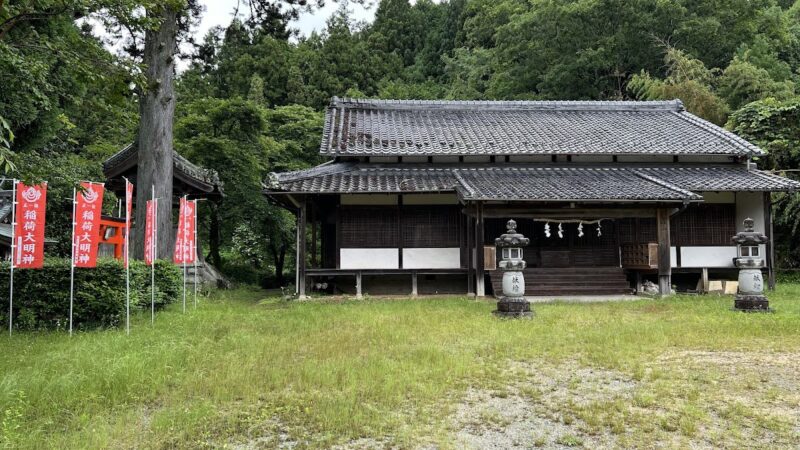
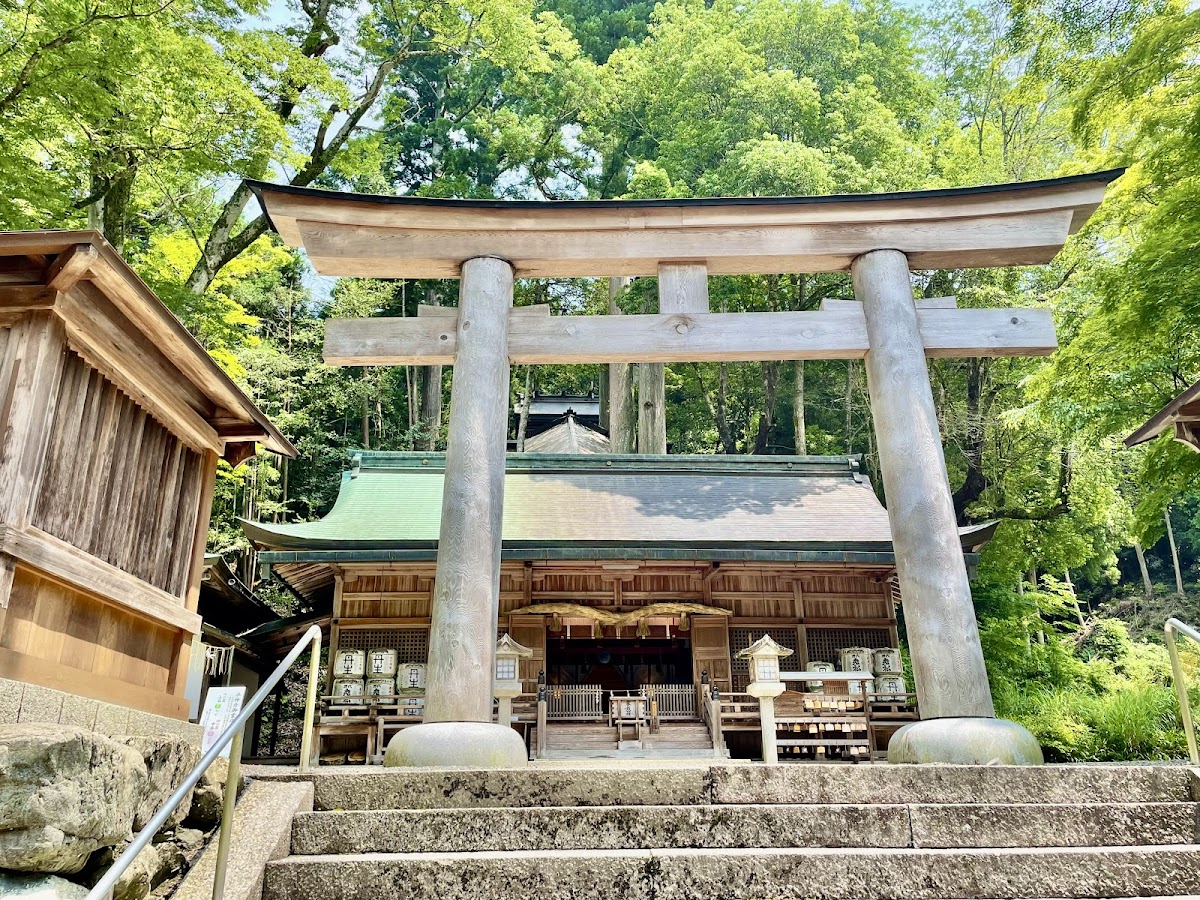
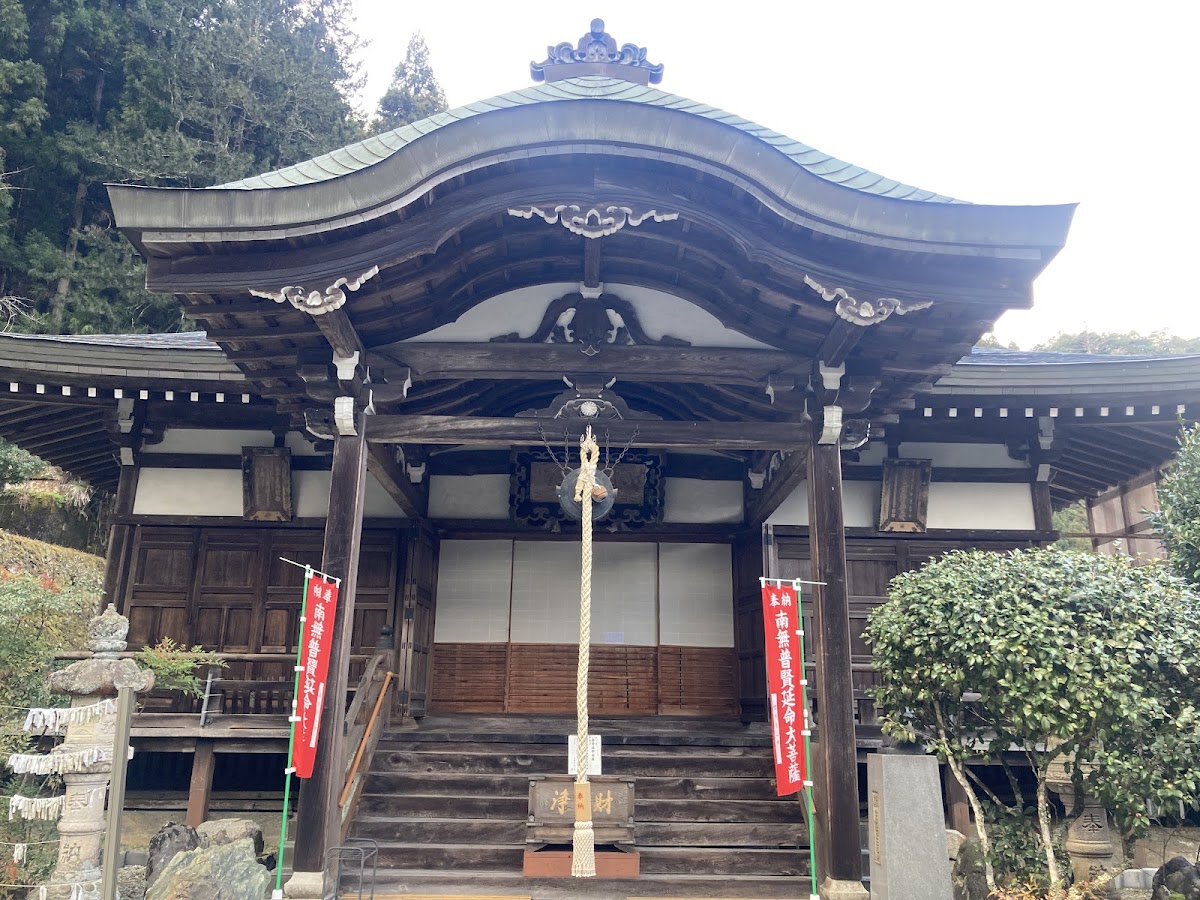
The main hall of Jōkaku-ji Temple, the central building of the temple, houses a statue of Fugen Bodhisattva. The architectural style incorporates traditional Japanese elements, creating a serene atmosphere for worship.
Inside the main hall, in addition to the principal image of Fugen Bodhisattva, several other Buddhist statues, including attendant deities and guardian deities, are enshrined, making it a worthwhile visit for those interested in Buddhist art.
Nature within the Temple Grounds
The grounds of Jōkaku-ji Temple feature gardens and trees that allow visitors to enjoy the changing seasons. In particular:
- Spring: Cherry blossoms and plum blossoms bloom beautifully
- Summer: Lush greenery covers the grounds
- Autumn: Autumn leaves color the grounds
- Winter: Enjoy the tranquil snowscape
The temple grounds, which show different expressions with each season, offer a sense of peace and tranquility to visitors.
Stone Monuments and Buddha Statues
Throughout the temple grounds are numerous stone monuments and Buddha statues erected by successive chief priests and parishioners. These are valuable cultural assets that tell the history of the temple and offer insights into the local religious practices from the Edo period to the Meiji era.
Annual Events
Jōkaku-ji Temple holds various Buddhist events throughout the year.
Main Annual Events
First Three Days of the New Year
Many worshippers visit for their first shrine visit of the new year. The temple is bustling with people praying for good health and safety for their families throughout the year.
Spring Equinox Ceremony
For one week centered around the spring equinox, memorial services for ancestors are held. Parishioners gather to express gratitude and offer prayers for their ancestors.
Flower Festival (Buddha’s Birthday)
On April 8th, the birthday of Buddha, a flower shrine is erected and a traditional ceremony of pouring sweet tea over the baby Buddha is held.
Obon (Buddhist All Souls’ Day)
In August, the Urabon-e (Obon Festival) is held to welcome and honor the spirits of ancestors. In some regions, a Segaki (feeding of hungry ghosts) ceremony is also held.
Autumn Equinox Ceremony
Ancestral memorial services are held again, centered around the autumnal equinox.
New Year’s Eve Bell
On New Year’s Eve, the temple bell is rung to cleanse away the 108 worldly desires and welcome the new year.
Special Memorial Services
Special memorial services may be held on occasions such as the anniversary of Fugen Bodhisattva’s festival or the founding anniversary of a temple. It is recommended to inquire with the temple in advance for detailed dates.
Manners and Etiquette for Visiting a Temple
Basic Manners for Visiting a Temple
When visiting Jōkaku-ji Temple, please observe the following basic manners:
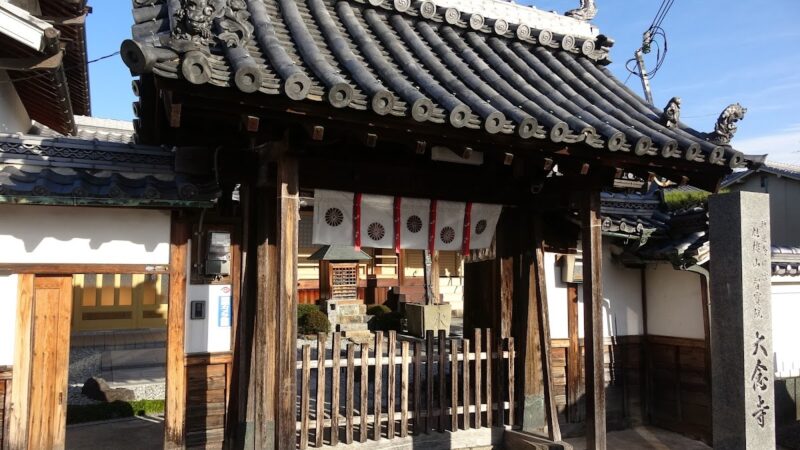
- Bow at the Temple Gate: Bow at the temple gate before entering the temple grounds.
- Purification at the Water Basin: If there is a water basin, purify your hands and mouth.
- Worship at the Main Hall: Join your hands in prayer in front of the main hall and offer your prayers quietly.
- Offering a Money: There is no set amount, but offer it with gratitude.
- Photography: Refrain from taking photographs in areas where photography is prohibited.
- Quietness: Be quiet on the temple grounds and avoid disturbing other visitors.
Clothing
There are no specific dress code regulations, but considering that a temple is a sacred place, it is advisable to avoid overly revealing clothing.
Access Information
Location
It is recommended to check the exact location of Jōkaku-ji Temple in advance. There may be multiple temples with the same or similar names within Nara Prefecture, so please be sure to check the latest information before visiting.
Access by Public Transportation
Generally, there are the following ways to access temples in Nara Prefecture:
By Train
- Take the Kintetsu Nara Line or JR Nara Line to Nara Station
- Take a bus or taxi from the station
By Bus
- Use local bus routes such as Nara Kotsu Bus
- Walk from the nearest bus stop
Access by Car
By Expressway
- Use the Nishi-Meihan Expressway or the Daini-Hanna Expressway
- Exit to local roads from the nearest interchange
Parking
It is necessary to check in advance whether the temple has its own parking lot. If not, you will need to use a nearby coin-operated parking lot.
Important Notes Regarding Access
- Nara city can be crowded during peak tourist season, so please allow ample time for your visit.
- When using a car navigation system, please enter the phone number or exact address.
- Please check the last public transportation times.
Nearby Tourist Attractions
When visiting Jōkaku-ji Temple, visiting nearby tourist attractions will enhance your Nara sightseeing experience.
Nara Park Area
- Todai-ji Temple: A World Heritage Site known for its Great Buddha of Nara
- Kasuga Taisha Shrine: A beautiful shrine painted in vermilion
- Kofuku-ji Temple: The head temple of the Hosso sect, famous for its five-story pagoda
- Nara National Museum: A treasure trove of Buddhist art
Naramachi Area
- Gangoji Temple: An ancient temple registered as a World Heritage Site
- Naramachi Lattice House: Traditional townhouse architecture
- Naramachi Museum: A facility where you can learn about the history of the region
Other Temples and Shrines
- Yakushi-ji Temple: An ancient temple that is a World Heritage Site
- Toshodai-ji Temple: A temple associated with the monk Jianzhen
- Horyu-ji Temple: The world’s oldest wooden architectural complex
Best Season to Visit Jōkaku-ji Temple
Spring (March-May)
This is the season when cherry blossoms and fresh greenery are at their most beautiful, and the nature of the temple grounds is at its most vibrant. Many visitors come, especially during the cherry blossom season. The weather is mild, making it ideal for a stroll.
Summer (June-August)
The greenery is lush, and you can enjoy the coolness of the quiet temple grounds. However, summers in Nara are hot, so heatstroke prevention is necessary. Visiting in the early morning or evening is recommended.
Autumn (September-November)
The temple grounds are beautifully colored during the autumn foliage season, making it ideal for photography. The weather is pleasant, making it the best season for sightseeing.
Winter (December-February)
This is a season with fewer visitors, allowing for a peaceful visit. If it snows, the temple grounds are enveloped in a magical atmosphere. Be sure to dress warmly when visiting.
Experiences at Jōkaku-ji Temple
Sutra Copying/Buddhist Image Copying Experience
Many temples offer experiences in sutra copying and Buddhist image copying. Jōkaku-ji Temple may also offer such programs. It is a valuable opportunity to calm your mind and connect with the teachings of Buddhism.
Zen Meditation and Contemplation
Some temples hold Zen meditation and contemplation sessions. This allows you to escape the hustle and bustle of daily life and have time to quiet your mind.
Goshuin (Temple Seals)
Those who collect Goshuin can receive one as a memento of their visit. Bring your Goshuin book and request it respectfully. Remember that Goshuin are proof of your visit, not a stamp rally.
Connections with the Community
Danka System (Temple Membership System)
Jōkaku-ji Temple has long had deep ties with local residents as a local temple serving as a danka temple. It has played an important role in life’s milestones, such as funerals, memorial services, and ancestral worship.
Participation in Local Events
Temples also function as cultural centers of the community and participate in local festivals and events. Through these activities, they play a role in strengthening the bonds of the local community.
Protection of Cultural Properties
Temples are important places that convey the history and culture of the region. We bear the responsibility of protecting cultural assets such as buildings, Buddhist statues, and ancient documents, and passing them on to future generations.
Notes on Visiting
Visiting Hours
Temples may have set visiting hours. Especially if you wish to view the interior of the main hall, it is necessary to check in advance. Generally:
- Opening: Around 6:00 AM to 8:00 AM
- Closing: Around 4:00 PM to 5:00 PM
These hours may change depending on the season and temple events, so it is recommended to check before visiting.
Admission Fee
While entry to the temple grounds is often free, there may be an admission fee for special viewings such as the interior of the main hall or the treasure hall.
Regarding Photography
Photography is generally permitted on temple grounds, but please note the following:
- Photography is often prohibited inside the main hall.
- Photography of Buddhist statues is especially often prohibited.
- Please be considerate of the privacy of other visitors.
- Use of tripods requires prior permission.
Pets
Many temples request that visitors refrain from bringing pets. Assistance dogs such as guide dogs may be exceptions, but please check in advance.
Nara’s Buddhist Culture and Jōkaku-ji Temple
Characteristics of Nara Buddhism
Nara is an important place, considered the birthplace of Japanese Buddhism. During the Nara period, Heijō-kyō (the capital) was established, and large national temples such as Tōdai-ji and Kōfuku-ji were built. Jōkaku-ji Temple is also situated within this tradition of Nara Buddhism.
The Six Schools of Nara Buddhism
During the Nara period, six schools of Buddhism (the Six Schools of Nara) flourished: the Sanron, Jojitsu, Hossō, Kusha, Kegon, and Ritsu schools. These schools emphasized academic Buddhist research and laid the foundation for Japanese Buddhism.
Integration with Popular Beliefs
Local temples like Jōkaku-ji Temple were deeply intertwined not only with academic Buddhism but also with the beliefs of ordinary people. The worship of Fugen Bodhisattva, in particular, spread among the common people and became deeply rooted as a part of their daily lives.
The Significance of Visiting Jōkaku-ji Temple
Peace of Mind
Modern society is an information-overloaded and stressful environment. Visiting a temple allows you to escape from daily life and have time to calm your mind. Spending time in the quiet temple grounds helps refresh both mind and body.
Dialogue with History
Visiting old temples provides an opportunity to learn what people in the past believed and how they lived. You can receive messages of history from the buildings, Buddha statues, and stone monuments.
Cultural Experience
Visiting Buddhist temples is essential for understanding traditional Japanese culture. You can experience diverse cultural elements such as architecture, art, rituals, and philosophy.
Spiritual Growth
By engaging with Buddhist teachings, you can gain an opportunity to reflect on the meaning of life and how to live. The teachings of Fugen Bodhisattva’s compassion and practice offer many insights for us living in the modern age.
Summary
Jōkaku-ji Temple (Fugen-san) is a historic temple located in Nara Prefecture, and has been cherished by the local people with Fugen Bodhisattva as its principal deity. Throughout its long history, it has played an important role as a center of local faith and a cultural hub.
You can enjoy the changing seasons within the temple grounds, and various Buddhist events are held throughout the year. When visiting Nara, visiting not only famous large temples but also these locally rooted temples will allow you to discover a deeper charm of Nara.
When visiting, observing basic manners and offering quiet prayers will bring peace of mind and spiritual fulfillment. We hope your visit to Jōkaku-ji Temple will be a meaningful experience.
Before your visit, we recommend checking the latest information, including opening hours and event schedules. We hope you enjoy your journey to experience Nara’s rich Buddhist culture and history.