Complete Guide to Niukawakami Shrine: A Thorough Explanation of the History, Benefits, and Visiting Methods of the Upper, Middle, and Lower Shrines
Located in the Yoshino region of Nara Prefecture, Niukawakami Shrine is known as the oldest shrine in Japan dedicated to the water deity and has been deeply revered by the imperial court for prayers for rain and cessation of rain. Currently, it is divided into three shrines: the Upper, Middle, and Lower Shrines, each possessing its own unique history and charm. This article thoroughly explains the history of Niukawakami Shrine, its enshrined deities, benefits, the appeal of visiting all three shrines, and useful information for visitors.
What is Niukawakami Shrine?: The Sacred Site of Japan’s Oldest Water Deity Worship
Since ancient times, Niukawakami Shrine has played an important role as a shrine dedicated to the water deity and as a place of prayer for rain and cessation of rain for the imperial court. The shrine is listed as a Myojin Taisha (a major shrine) in the Engishiki Jinmyocho (a list of shrines compiled in the Heian period) and is one of the 22 shrines (shrines that received special offerings from the imperial court during times of national importance or natural disasters), making it a highly prestigious shrine.
During the Meiji era, it was designated a Kanpei Taisha (a major shrine supported by the government), and currently, as a Beppyo Jinja (a special shrine listed by the Association of Shinto Shrines), it welcomes many worshippers. Notably, this shrine is considered the origin of ema (votive tablets). The custom of offering black horses when praying for rain and white horses when praying for fair weather is believed to have eventually been simplified into the ema.
Historical Background of the Three Separations
Originally, Niukawakami Shrine was a single shrine, but there was a period in history when its location became unclear. From the Edo period to the Meiji era, several candidate locations claimed to be “Niukawakami Shrine,” and ultimately, three shrines were recognized: Kami-sha (Kawakami Village), Naka-sha (Higashi-Yoshino Village), and Shimo-sha (Shimoichi Town). Currently, while each of the three shrines operates independently, they share a common foundation: the worship of the water deity.
Niukawakami Shrine Upper Shrine: Known as the Grand Head Shrine of the Dragon God, a Shrine in the Sky
Location and History
Niukawakami Shrine Upper Shrine is located in Kawakami Village, Yoshino District, Nara Prefecture, and is affectionately known as the “Grand Head Shrine of the Dragon God” and the “Shrine in the Sky.” Situated in a high-altitude mountainous area, its environment, with its flowing, pure water, is truly a fitting place to enshrine the water deity.
It is said to have been founded in 675 AD by Emperor Tenmu, and has worshipped Mizuha-no-me-no-kami, the goddess of water, since ancient times. Records show that successive emperors visited the shrine during their pilgrimages to Yoshino, praying for national peace, abundant harvests, and rain or cessation of rain.
Deities and Blessings
The deity enshrined at the Upper Shrine is Mizuha-no-me-no-kami. This goddess, who presides over all matters related to water, is an important deity appearing in the Kojiki and Nihon Shoki.
Main blessings:
- Rainmaking/stopping rain
- Protection from water-related disasters
- Abundant harvests
- Business prosperity
- Good fortune and prosperity
- Protection from evil
Highlights of the Shrine Grounds
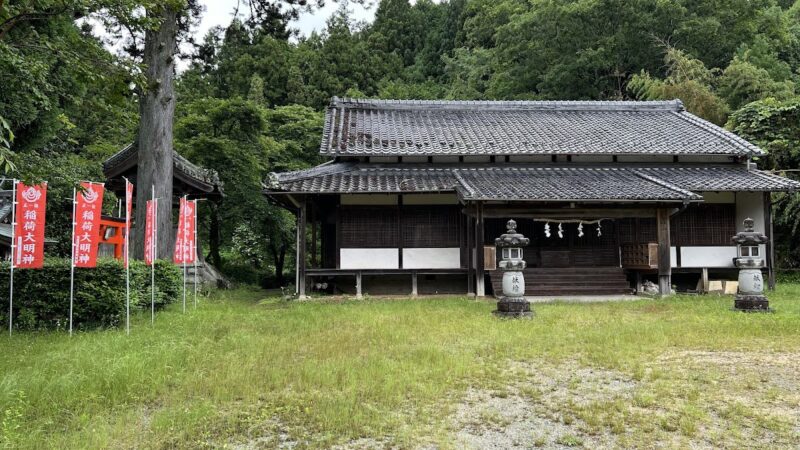
The grounds of the Upper Shrine are surrounded by a rich natural environment, allowing visitors to enjoy beautiful scenery throughout the seasons. The cherry blossoms in spring and the autumn foliage are particularly magnificent. The shrine buildings, including the main hall, preserve the beauty of traditional shrine architecture.
Currently, a restoration and maintenance project for the shrine buildings is underway as part of the “Reiwa Grand Reconstruction,” with efforts being made to preserve the shrine for future generations.
Access Information
- Location: 695 Sako, Kawakami Village, Yoshino District, Nara Prefecture
- Access: Approximately 1 hour by bus from Kintetsu Yamato-Kamiichi Station, get off at “Niukawakami Shrine Mae” bus stop
- Parking: Available (Free)
- Visiting Hours: Grounds are open freely (Shrine office is open from 9:00 to 17:00)
Niukawakami Shrine Chusha: A historical shrine associated with Emperor Jimmu
Location and History
Niukawakami Shrine Chusha is located in Higashi-Yoshino Village, Yoshino District, Nara Prefecture. Situated at the confluence of the Shigo River, Takami River, and Hiburi River, a crucial water point, its location highlights the importance of its position as a shrine dedicated to the water god.
It is said to have been founded in 675 AD (Hakuhō 4th year of Emperor Tenmu’s reign) as a shrine for praying for rain, and there is also a legend that Emperor Jimmu prayed for victory here during his eastern expedition. Furthermore, there is a theory that this site is the location of a detached palace used during the frequent imperial visits to Yoshino from the time of Emperor Tenmu, highlighting its importance in ancient history.
Deity and Blessings
The deity enshrined at the Nakasha (middle shrine) is Mizuha-no-me-no-kami. As a water goddess, she has been worshipped as a deity who brings blessings of water for agriculture and daily life.
Main blessings:
- Rainmaking/stopping rain
- Protection from water-related disasters
- Protection of agriculture
- Healing from illness
- Family safety
Highlights of the Shrine Grounds
The main hall of the Nakasha was built in the Edo period, in Bunsei 12 (1829), and is designated as a cultural property of Higashi-Yoshino Village. Also, the stone lantern within the sacred enclosure bears an inscription from the Kamakura period, Kocho 4 (1264), and is designated as a nationally important cultural property, allowing visitors to see historically valuable cultural assets up close.
The shrine grounds are beautiful with nature changing with the seasons, and the mountain cherry blossoms in spring are especially a delight to visitors.
Access Information
- Location: 968 Ko, Higashiyoshino-mura, Yoshino-gun, Nara Prefecture
- Access: Approximately 50 minutes by bus from Kintetsu Haibara Station, then approximately 15 minutes on foot from the “Aritōshi” bus stop.
- Parking: Available (Free)
- Visiting Hours: Grounds are open freely (Shrine office is open from 9:00 to 17:00)
Niukawakami Shrine Lower Shrine: An ancient shrine known as the birthplace of ema (votive tablets)
Location and History
Niukawakami Shrine Lower Shrine is located in Shimoichi-cho, Yoshino-gun, Nara Prefecture. It is the furthest downstream of the three shrines, situated in a scenic location along the Yoshino River.
The Lower Shrine is particularly known as the “birthplace of ema.” In ancient times, the imperial court would offer black horses to the shrine when praying for rain, and white horses when praying for fair weather. However, as it became difficult to offer live horses, people began to dedicate wooden plaques with pictures of horses on them, and this is believed to be the origin of ema (votive tablets).
This is a prestigious shrine, ranked among the Myojin Taisha (Great Shrines of Myojin), counted among the 22 shrines, and designated a Kanpei Taisha (Great Imperial Shrine) during the Meiji era.
Deities and Blessings
The main deity of the Lower Shrine is Mizuha-no-me-no-kami. As a goddess who governs both the blessings and calamities of water, she has been deeply revered since ancient times.
Main Blessings:
- Rainmaking/Stopping Rain
- Protection from Water-related Disasters
- Abundant Harvest
- Business Prosperity
- Fulfillment of Wishes
- Fulfillment of Wishes Related to Ema
Highlights of the Shrine Grounds
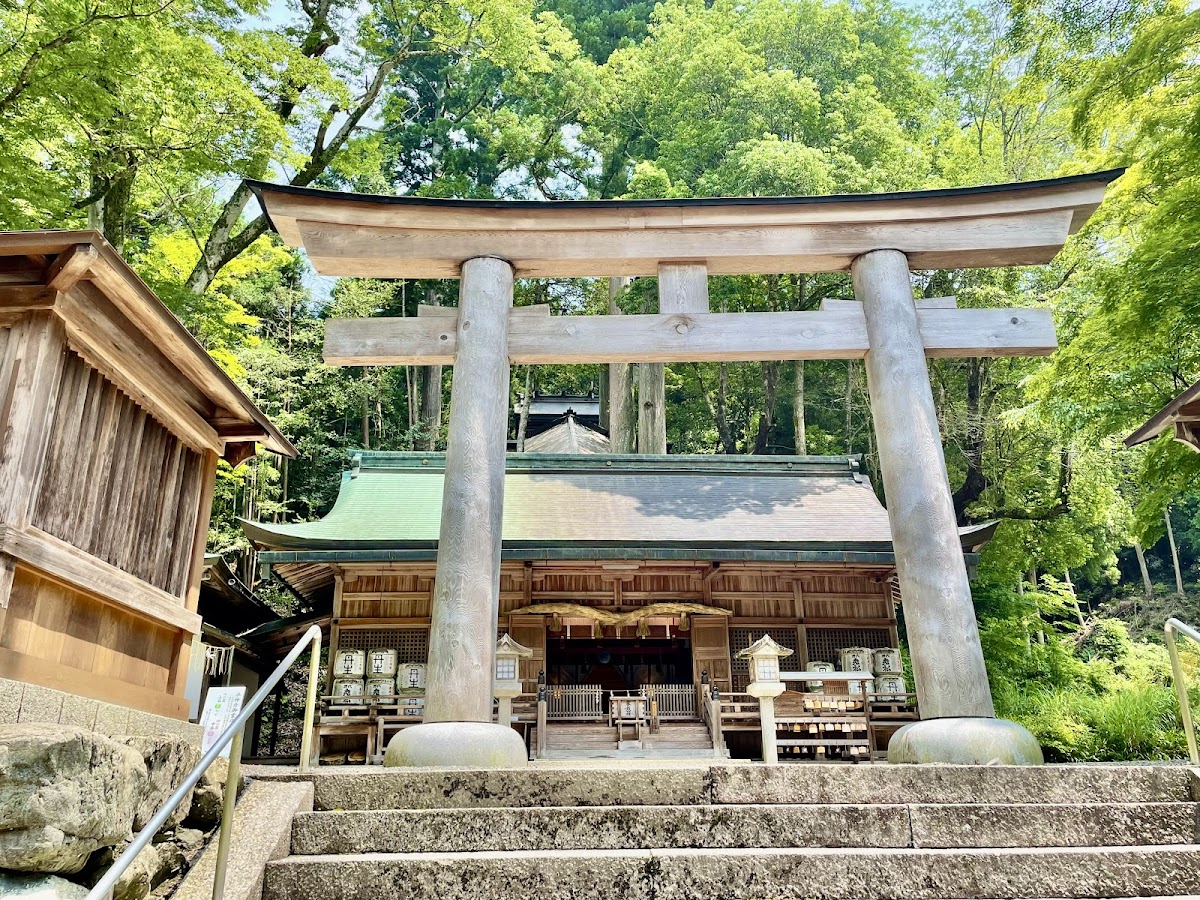
Many ema (votive tablets) are dedicated within the grounds of the Lower Shrine, befitting its status as the birthplace of ema. The main shrine and worship hall retain the beauty of traditional shrine architecture, providing a peaceful place for worship.
The shrine grounds are also rich in nature, allowing visitors to experience the changing seasons. Many visitors come, especially during the cherry blossom season in spring and the autumn foliage season.
Access Information
- Location: 1-1 Hase, Shimoichi-cho, Yoshino-gun, Nara Prefecture
- Access: Approximately 15 minutes on foot from Kintetsu Shimoichiguchi Station, or immediately after alighting at the “Niukawakami Shrine” bus stop on the Nara Kotsu bus.
- Parking: Available (free)
- Visiting Hours: Grounds are freely accessible (Shrine office is open from 9:00 to 17:00)
The Charm of the Three-Shrine and Four-Shrine Pilgrimage
What is the Three-Shrine Pilgrimage?
The “Three-Shrine Pilgrimage,” which visits the Upper, Middle, and Lower Shrines of Niukawakami Shrine, is a popular and special way to deeply experience the worship of the water deity. Each of the three shrines, while having different locations and histories, shares the commonality of enshrining the same water deity. Visiting all three allows you to offer gratitude and prayers for the blessings of water.
It is believed that visiting all three shrines brings deeper blessings, and some shrines offer special stamp books and commemorative items.
What is a Four-Shrine Pilgrimage?
In addition to the three-shrine pilgrimage, a “four-shrine pilgrimage” including Yoshino Jingu Shrine is also recommended. Yoshino Jingu Shrine enshrines Emperor Go-Daigo and is deeply connected to the history of the Yoshino region. A four-shrine pilgrimage offers a fulfilling experience, allowing you to experience both the history of Yoshino and the worship of the water deity.
How to Plan a Three-Shrine Pilgrimage
Since the three shrines are scattered across a wide area of the Yoshino region, planning is necessary to visit them efficiently.
Recommended Route:
- Shimosha (Shimoichi Town): Easiest to access
- Nakasha (Higashiyoshino Village): Approximately 30 minutes by car from Shimosha
- Kamisha (Kawakami Village): Approximately 40 minutes by car from Nakasha
While it’s possible to visit all three shrines in one day, we recommend allowing ample time to visit each shrine at your leisure. Also, if using public transportation, it’s important to check the timetable in advance, as bus services are limited.
Annual Events and Festivals at Niukawakami Shrine
Main Annual Events
Various Shinto rituals and festivals are held at Niukawakami Shrine throughout the year.
- Annual Festival: The most important festival held in spring and autumn at each shrine.
- Rain Prayer Festival: A Shinto ritual that carries on ancient traditions.
- Niiname-sai (Harvest Festival): A festival to give thanks for a bountiful harvest.
- Monthly Festival: A regular Shinto ritual held every month.
Special Shinto Rituals
Of particular note are the rain prayer and rain-stopping rituals that have continued since ancient times. Even today, special prayers are sometimes offered during droughts or prolonged rains, preserving the tradition of the shrine as a place of worship for the water god.
Amulets and Souvenirs
Popular Amulets
Niukawakami Shrine offers a variety of amulets and souvenirs related to the worship of the water god.
- Water Protection Amulet: An amulet that protects you from water-related accidents.
- Good Fortune Amulet: An amulet that enhances your luck.
- Ema (Votive Tablet): A votive tablet on which you write your wish and offer it (especially meaningful at the lower shrine).
- Goshuin (Shrine Seal): You can receive a different design of goshuin at each shrine.
- Three Shrine Pilgrimage Goshuin Book: A special goshuin book commemorating your pilgrimage to the three shrines.
How to Receive the Amulets
The amulets can be received at the shrine office of each shrine. The shrine office is generally open from 9:00 to 17:00, but they may not be able to assist you during religious ceremonies or when the chief priest is absent. Therefore, if you want to be sure to receive your amulet, it is recommended to inquire in advance.
Manners and Etiquette for Worship
Basic Worship Etiquette
When visiting Niukawakami Shrine, please observe the following basic etiquette.
- Bow before passing through the torii gate: A courtesy before entering the sacred area.
- Purify yourself at the water basin: Purify your left hand, right hand, and mouth in that order.
- Walk along the edge of the path: The center is the path for the gods.
- Mannerisms in front of the main hall: Two bows, two claps, and one bow are the basics.
- Bow upon leaving: After passing through the torii gate, turn around and bow.
Photography Etiquette
Photography is generally permitted within the shrine grounds, but it may be advisable to refrain from taking photos inside the main hall or during religious ceremonies. Please check with the shrine office if you have any questions. It is also important to be considerate of other visitors.
Tourist Spots Around Niukawakami Shrine
Charms of the Yoshino Region
When visiting Niukawakami Shrine, you can also enjoy the surrounding tourist spots.
- Mount Yoshino: Registered as a World Heritage Site for its cherry blossoms
- Yoshino Shrine: A shrine dedicated to Emperor Go-Daigo
- Kinpusen-ji Temple: A sacred site of Shugendo (mountain asceticism)
- Yoshino River: Clear stream and beautiful valley
- Nature of Kawakami Village: Abundant forests and clear streams
Hot Springs and Gourmet Food
The Yoshino region has numerous hot spring facilities where you can relax after visiting the temples. You can also enjoy local specialties such as Yoshino kudzu and persimmon leaf sushi.
Detailed Access Information to Niukawakami Shrine
Access by Public Transportation
To the Lower Shrine:
- Approximately 15 minutes on foot from Kintetsu Yoshino Line “Shimoichiguchi Station,” or by bus.
To the Middle Shrine:
- Approximately 50 minutes by Nara Kotsu bus from Kintetsu Osaka Line “Haibara Station,” get off at “Aritōshi,” then approximately 15 minutes on foot.
To the Upper Shrine:
- Approximately 1 hour by Nara Kotsu bus from Kintetsu Yoshino Line “Yamato-Kamiichi Station,” get off at “Niukawakami Shrine-mae.”
Access by Car
To the Lower Shrine:
- Approximately 40 minutes from Minami-Hanna Expressway “Katsuragi IC” via National Route 169.
To the Middle Shrine:
- Approximately 50 minutes from Meihan National Highway “Hari IC” via National Route 369 and Prefectural Road 220.
To the Upper Shrine:
- Approximately 1 hour and 30 minutes from the Minami-Hanna Expressway “Katsuragi IC” via National Route 169.
Each shrine has free parking, but it can get crowded during tourist seasons and festivals.
Points to Note When Visiting Niukawakami Shrine
Seasonal Precautions
- Winter: Snow and icy roads are possible in mountainous areas, so winter tires or chains are necessary.
- Summer: Don’t forget insect repellent.
- Typhoon Season: Check the weather beforehand and refrain from visiting in bad weather.
Clothing and Items to Bring
The shrine grounds are in a rich natural environment, so comfortable shoes and clothing are recommended. Also, the sun is strong in summer, so a hat and sunscreen are advisable.
Summary: Experience the Charm of Niukawakami Shrine
Niukawakami Shrine, as the oldest shrine in Japan dedicated to the water god, has attracted fervent devotion from ancient times to the present day. Each of the three shrines—Kamisha, Chusha, and Shimosha—possesses its own unique history and charm, allowing visitors to deepen their gratitude and prayers for the blessings of water through a pilgrimage to all three.
The shrine where ema (votive tablets) originated, a place for prayers for rain and cessation of rain, and a prestigious shrine that received special offerings from the imperial court as one of the 22 shrines—Niukawakami Shrine encapsulates Japanese history and faith.
When visiting the Yoshino region of Nara Prefecture, be sure to visit Niukawakami Shrine, purify your heart in the grounds where pure water flows, and receive the blessings of the water god. A visit to the shrine, surrounded by the beautiful nature of each season, will surely be an unforgettable experience.
Challenging yourself with a pilgrimage to all three or four shrines will allow you to gain a deeper understanding of Yoshino’s history and nature, making for a more fulfilling pilgrimage. Planning ahead and visiting with ample time will allow you to fully appreciate the charm of Niukawakami Shrine.