About the Nan’en-do Hall
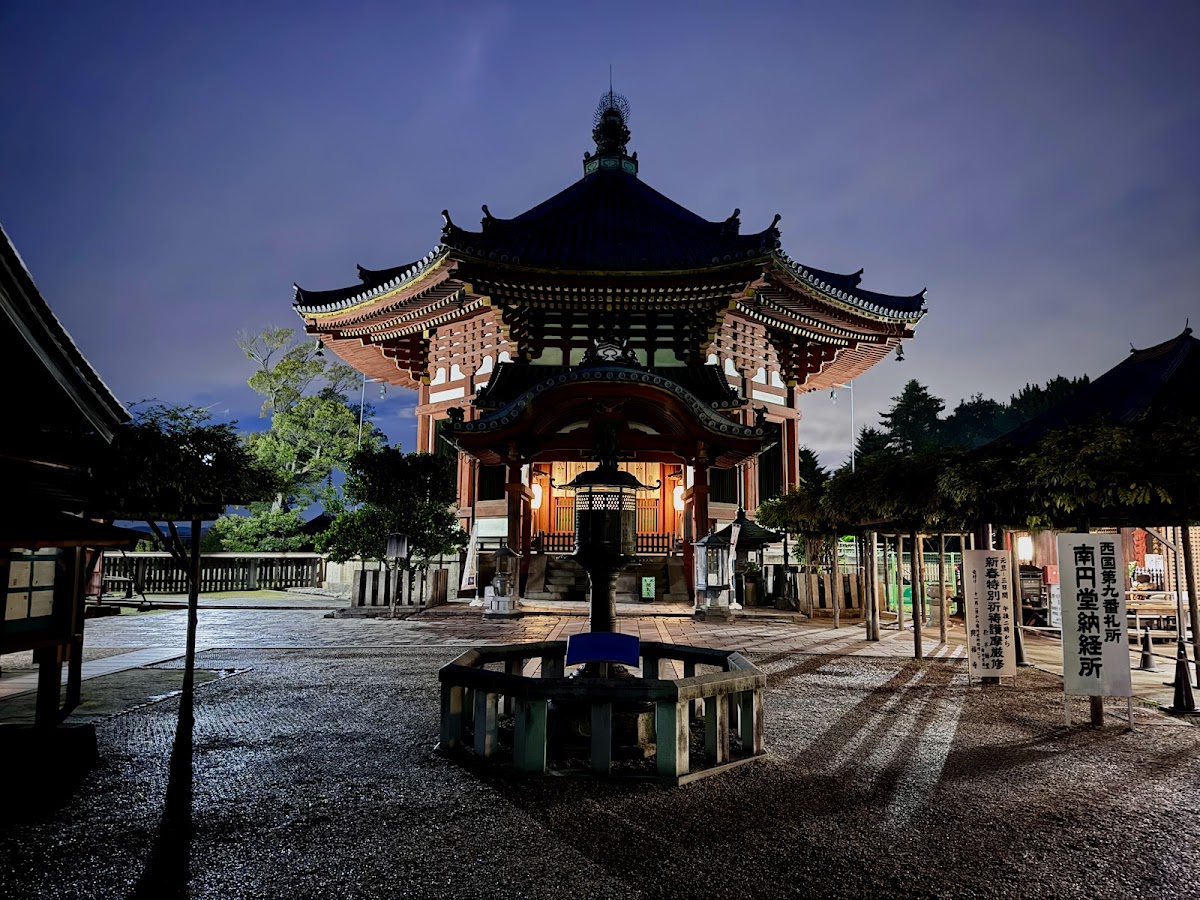
The Nan’en-do Hall is an octagonal hall located within the grounds of Kofuku-ji Temple in Nara City, Nara Prefecture. It was founded in 813 (Kōnin 4) by Fujiwara no Fuyutsugu for the repose of his father, Uchimaro. The current building was rebuilt in 1789 (Kansei 1) and is designated a National Treasure. As the ninth temple on the Saigoku Thirty-Three Kannon Pilgrimage, it is a place of worship visited by many pilgrims.
Architectural Features
The Nan’en-do Hall is an elegant building with an octagonal plan approximately 12 meters in diameter. The roof is a double-layered structure covered with traditional tiles, and intricate bracket systems are arranged beneath the eaves. The octagonal hall style is a Buddhist architectural style introduced from China and was particularly common in Kannon halls in Japan. While Kofuku-ji Temple also has a Hokuen-do Hall, the Nan’en-do Hall is known as one of the largest octagonal halls in Japan.
Points to Note During Your Visit
Principal Image: Seated Statue of Amoghapasha Avalokiteśvara Bodhisattva
The principal image, a seated statue of Amoghapasha Avalokiteśvara Bodhisattva (National Treasure), is enshrined within the hall. This statue is a masterpiece from the Kamakura period, created by Kōkei, Unkei’s father, and stands majestically at approximately 3.36 meters tall. Amoghapasha Avalokiteśvara is a Kannon (Goddess of Mercy) who, wielding a lasso-like ritual implement called a kensaku, vows to save all sentient beings without exception.
Statues of the Four Heavenly Kings and the Six Patriarchs of the Hossō School
The standing statues of the Four Heavenly Kings (National Treasures), which protect the principal image, are also works of Kōkei and are characterized by their powerful forms. Furthermore, the hall also houses statues of the Six Patriarchs of the Hossō school (National Treasures), representing the founders of the Hossō school, demonstrating Kōfuku-ji Temple’s central position within the Hossō school.
About Special Openings
The interior of the Nan-en-do Hall is usually closed to the public, but it is specially opened on October 17th each year, the day of the Great Prajnaparamita Sutra Recitation Ceremony, allowing visitors to view the main image of Buddha. Special openings are also held irregularly, so it is recommended to check the official Kofuku-ji Temple information beforehand.
Benefits
The Nan’en-do Hall is a sacred site dedicated to Kannon, and is believed to offer the following benefits:
- Fulfillment of All Wishes: Due to the vow of Fuku Kensaku Kannon to “save all sentient beings without exception,” it is believed to grant all wishes.
- Protection from Evil and Disaster: Because it is guarded by the Four Heavenly Kings, it is believed to ward off evil spirits and prevent disaster.
- Academic Success: Due to its history as a center of learning for the Hossō sect of Buddhism, it also attracts worshippers seeking academic advancement.
- Rebirth in Paradise: Because it was built for the memorial service of the Fujiwara clan, many visitors come to pray for ancestral repose and peace in the afterlife.
Access
Access by Train
- Approximately 5 minutes on foot from Kintetsu Nara Station (nearest station)
- Approximately 15 minutes on foot from JR Nara Station, or immediately after alighting at the “Prefectural Office” bus stop on the Nara Kotsu bus.
Access by Car
- Approximately 15 minutes from the Horai Interchange on the Daini-Hanna Expressway
- Approximately 30 minutes from the Tenri Interchange on the Meihan National Highway
- Kofuku-ji Temple does not have its own parking lot; please use nearby paid parking lots (such as the Nara Prefectural Parking Lot)
Visiting Information
- Location: 48 Noborioji-cho, Nara City, Nara Prefecture (within the grounds of Kofuku-ji Temple)
- Exterior Viewing: Free
- Interior Viewing: Normally closed to the public (special opening days such as October 17th)
- Temple Stamp Office: You can receive a temple stamp in front of the Nan-en-do Hall (9:00 AM – 5:00 PM)
Nearby Attractions
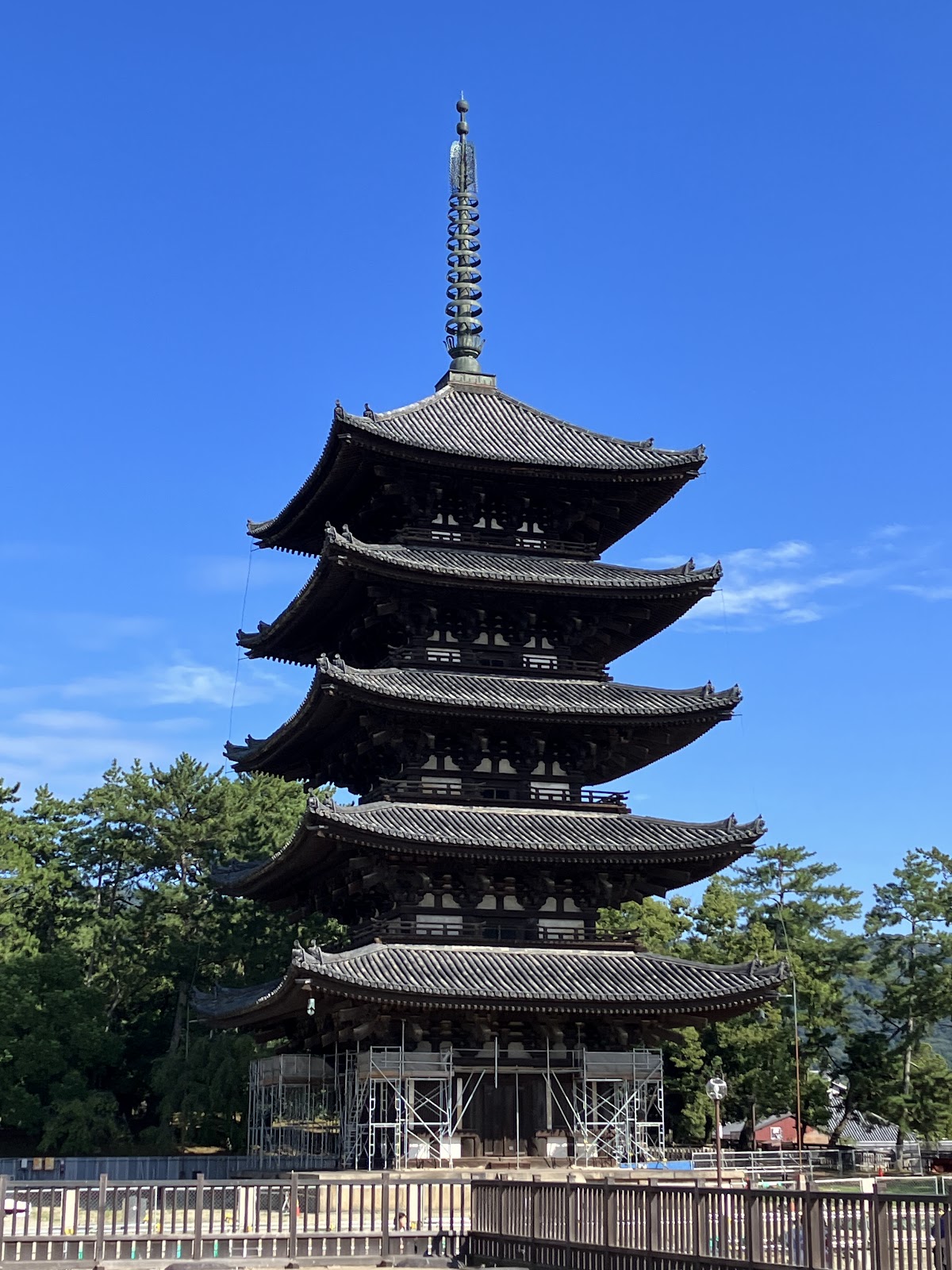
The Nan-en-do Hall is located in the southwest of the Kofuku-ji Temple grounds and can be visited along with other buildings such as the Five-Storied Pagoda, the National Treasure Hall, and the To-kondo Hall. Furthermore, Sarusawa Pond is right in front of it, and the view of the Nan-en-do Hall across the pond is one of Nara’s representative landscapes. You can enjoy particularly beautiful scenery during the wisteria season in spring and the autumn foliage season.