Wakamiya Hachimangu Shrine (Kitsuki City, Oita Prefecture) Complete Guide | Detailed Explanation of 1000 Years of History and Traditional Events
Wakamiya Hachimangu Shrine, located on Mt. Kintaka in Kitsuki City, Oita Prefecture, is an ancient shrine boasting a history of over 1000 years, founded in the first year of the Kanna era (985). It enshrines a divine image invited from Iwashimizu Hachimangu Shrine in Kyoto and has been revered as the guardian shrine of Kitsuki. This article comprehensively introduces information you should know before visiting Wakamiya Hachimangu Shrine, including its detailed history, enshrined deities, traditional events, and access methods.
History and Origins of Wakamiya Hachimangu Shrine
Circumstances of Founding and Relationship with Iwashimizu Hachimangu Shrine
The founding of Wakamiya Hachimangu Shrine dates back to December of the first year of the Kanna era (985), during the reign of Emperor Kazan, the 65th Emperor of Japan. It is said that the shrine’s origins lie in the fact that Ki no Kanesada Ason (ancestor of the Kida family), who held the rank of Junior Fifth Rank, Lower Grade, received an imperial decree and, together with the Dentō Daihōshi, descended to Yasaka-gō, Hayamizu-gun, Bungo Province, to protect the four sacred images of Wakamiya Hachimangu Shrine in Otokoyama, Kyoto.
Initially, it was enshrined as “Hamasha” (beach shrine) in Kashiwajima, Shimoji Village (near the present-day beach in Kitsuki City). These sacred images are precious artifacts passed down through Iwashimizu Hachimangu Shrine, attesting to the high status of Wakamiya Hachimangu Shrine. The shrine is scheduled to celebrate its 1050th anniversary in 2035, and it is an ancient shrine that conveys the weight of a history spanning over a thousand years.
Relocation and Development to Kintakayama
Although Wakamiya Hachimangu Shrine was initially enshrined on the beach, it was later relocated to its current location on Kintakayama. Mount Kintaka is a lush green mountain overlooking the town of Kitsuki, and it has watched over the town for generations.
Since the Middle Ages, Wakamiya Hachiman Shrine has been the guardian shrine of Kitsuki and the center of local faith, boasting a history of over 1030 years. It has a particularly deep connection with the Kitsuki clan, who ruled Kitsuki, and within its grounds stands the Wakan Shogun Shrine, a subsidiary shrine dedicated to Kitsuki Chikashige.
Shrine Rank in Modern Times
Under the modern shrine ranking system of the Meiji era, Wakamiya Hachiman Shrine was ranked as a prefectural shrine. This indicates that it was one of the most prestigious shrines in Oita Prefecture, and that its importance in the region was officially recognized.
Deities and Divine Virtues
Main Deities
The deities enshrined at Wakamiya Hachiman Shrine are the following four:
Ōsazaki-no-Mikoto
The name of Emperor Nintoku, the 16th emperor. He is revered as a benevolent emperor known for the legend of the people’s hearths. He is believed to bestow divine blessings of national peace and stability upon the people.
Uji no Wakiratsuko no Mikoto
A prince of the 15th Emperor Ōjin, and a crown prince renowned for his academic achievements. He is known as a tragic prince who took his own life to relinquish the throne to his older brother, Ōsasagi no Mikoto (later Emperor Nintoku). He is believed to bestow divine blessings of academic success and the virtue of passing on the throne.
Urehime no Mikoto
A princess of Emperor Ōjin.
Kurehime no Mikoto
A princess of Emperor Ōjin.
These deities are enshrined in the Wakamiya (secondary shrine) of Iwashimizu Hachiman-gū, and the name of Wakamiya Hachiman-gū originates from this.
Divine Virtues and Faith
Wakamiya Hachiman Shrine is known for its wide range of divine blessings, including national peace and security, family safety, abundant harvests, academic success, and business prosperity. In particular, as the guardian shrine of Kitsuki, it has attracted fervent devotion for over a thousand years, protecting the development of the region and the peace of its people.
Highlights of the Shrine Grounds
Approach and Torii Gates
The approach to Wakamiya Hachiman Shrine is characterized by its tranquil atmosphere, surrounded by the lush greenery of Mount Kintaka. Multiple torii gates line the approach, beginning with the first torii, followed by the second and third torii gates.
Along the approach, distinctive ball-riding guardian lion-dogs and traditional guardian lion-dogs welcome visitors. As you ascend the gentle stone steps, you can simultaneously feel the weight of history and the beauty of nature.
Shrine Gate and Main Hall
Passing through the brightly colored gate (Shinmon), the shrine grounds unfold before you. The worship hall, like the gate, is vividly colored and features intricate carvings, making it a sight to behold. The main sanctuary sits behind the worship hall, exuding a solemn atmosphere.
The overall layout of the shrine buildings maintains the traditional style of Shinto architecture while being beautifully maintained, leaving visitors deeply impressed.
Water Basin
As you proceed along the approach to the shrine, you will find the water basin. It is customary to purify your mind and body here before praying. Cleanse yourself of worldly impurities at the water basin where pure water flows before approaching the shrine.
Subsidiary Shrines
Wakan Shogun Shrine
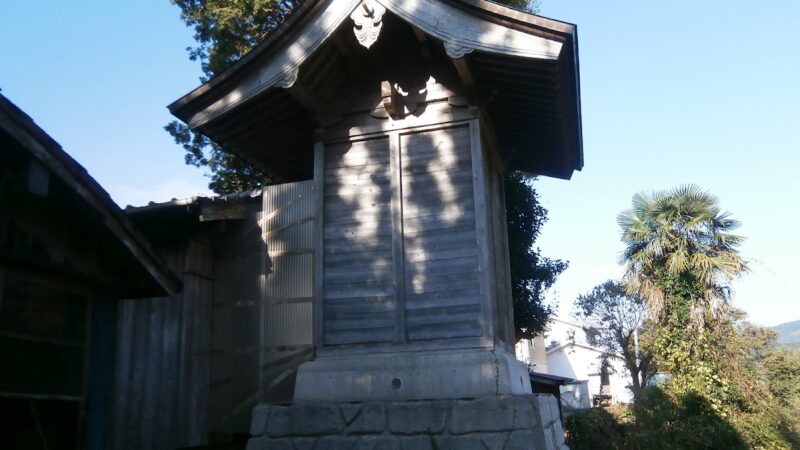
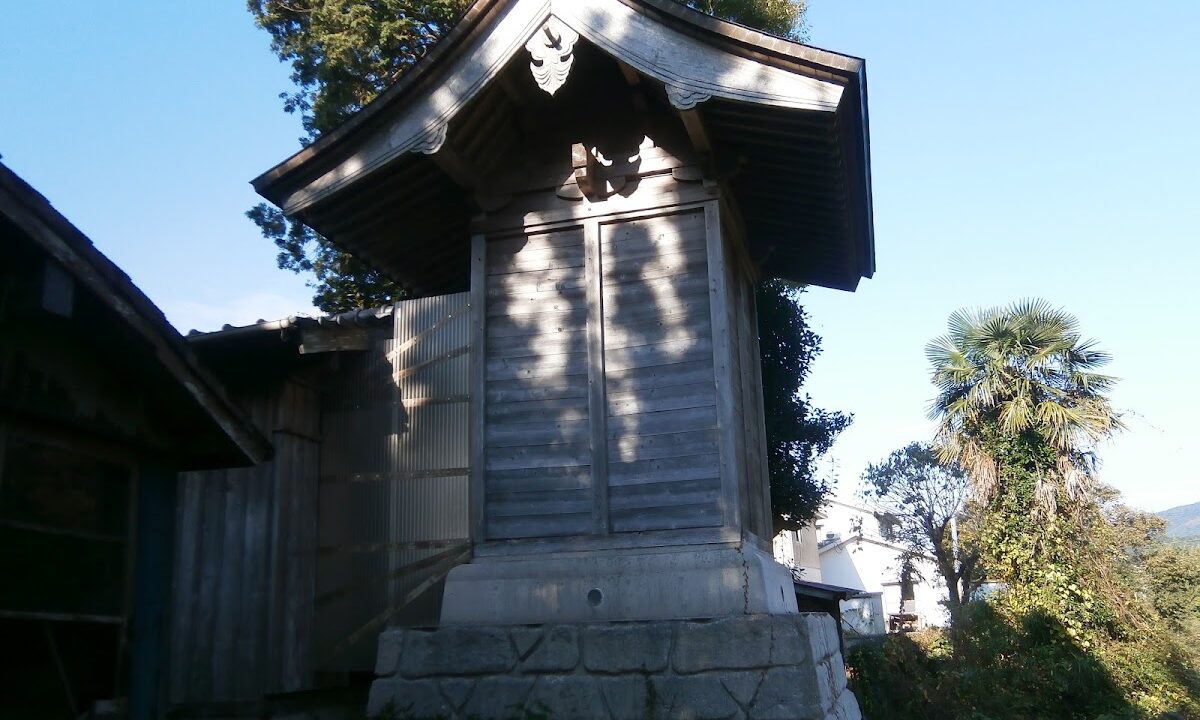
Among the subsidiary shrines on the grounds, the “Wakan Shogun Shrine” is particularly noteworthy. It enshrines Kitsuki Chikashige. The Kitsuki clan was a family of warriors who ruled Kitsuki, and is deeply connected to the history of the region. In addition, several subsidiary shrines and smaller shrines are located within the grounds, each with its own history and beliefs.
Annual Events and Traditional Shinto Rituals
Wakamiya-gaku (Oita Prefecture Intangible Folk Cultural Property)
The most famous traditional event at Wakamiya Hachiman Shrine is “Wakamiya-gaku.” This is a musical performance held during the Mid-Autumn Festival (Grand Festival) in mid-September, and was designated as an Oita Prefecture Intangible Folk Cultural Property in 1961.
Origin of Wakamiya-gaku
Wakamiya-gaku is a traditional performing art said to have been danced before battle to pray for victory. It can be considered a valuable cultural asset that fuses medieval samurai culture and Shinto rituals.
Current Wakamiya-gaku
Currently, children wear grass skirts and straw sandals, carry decorated banners on their backs, and dance while beating drums on their chests. The children’s performance serves as a place for the preservation of local traditions, and attracts many spectators. This festival is memorable for its drum rhythms and the energetic performances of the children.
Rice Planting Festival
The Rice Planting Festival, a prayer for a bountiful harvest, is also an important annual event at Wakamiya Hachiman Shrine. By offering the act of rice planting before the gods, prayers are offered for a good harvest that year. This traditional Shinto ritual, which has continued since the days when agriculture flourished, is still carefully preserved today.
Three Major Festivals
Wakamiya Hachiman Shrine has three major festivals:
Spring Grand Festival (Kinensai)
Held in spring, the Kinensai is an important festival praying for a bountiful harvest and the prosperity of the region.
Annual Grand Festival (Mid-Autumn Festival)
Held in mid-September, this is the most important festival, and the aforementioned Wakamiya-gaku (Wakamiya music) is offered.
Niiname-sai (Harvest Festival)
The Niiname-sai, a festival expressing gratitude for the autumn harvest, is also one of the three major festivals. The year’s harvest is offered before the gods as a token of thanks.
Hojo-e Festival and Japan’s Three Largest Cattle and Horse Markets
The cattle and horse market, which is said to have originated in 1173 (Shoan 3) when a seven-day market was permitted by imperial decree during the Hojo-e festival, was known as one of Japan’s three largest cattle and horse markets. While Hojo-e is a Buddhist ceremony that cherishes the lives of living creatures, it was also held at Shinto shrines, and the markets held during these events were extremely lively.
In the era when the trade of cattle and horses was thriving, the cattle and horse market at Wakamiya Hachiman Shrine was a leading market in Kyushu, attracting many merchants and farmers and playing a central role in the regional economy. Although the cattle and horse market format has now disappeared, its history represents an important aspect of Wakamiya Hachiman Shrine.
Basic Information and Access
Location and Contact Information
Address
665 Miyaji, Kitsuki, Kitsuki City, Oita Prefecture 873-0001
Phone Number
Please check the official website (https://kintakayama.com/) for the latest information. Corporate Number
8320005004923 (※This number may be confused with the corporate number of Wakamiya Hachimangu Shrine in Nohara, Yamaga-cho, so we recommend confirming before your visit.)
Access
Access by Train
Get off at Kitsuki Station on the JR Nippo Main Line. Approximately 10 minutes by taxi or bus from the station.
Access by Car
Approximately 25 minutes by car from Oita Airport. Approximately 10 minutes from the Kitsuki Interchange on the Higashi-Kyushu Expressway. Approximately 5 minutes by car from Kitsuki city center.
Parking
There is a parking lot for visitors. Please check the official website for details.
Visiting Hours
While you can generally visit the shrine grounds freely, there may be limited hours for the shrine office and for receiving Goshuin (shrine stamps). If you wish to request special prayers or Goshuin, please check the official website or inquire by phone in advance.
Goshuin (Shrine Seals) and Gifts
Original Goshuincho (Shrine Seal Book)
Wakamiya Hachiman Shrine offers an original goshuincho (shrine seal book) for Kintakayama Wakamiya Hachiman. The design reflects the shrine’s characteristics and is popular as a memento of your visit.
Goshuin (Shrine Seals)
In addition to regular goshuin, limited edition goshuin are sometimes offered during special festivals. Those wishing to receive a goshuin should visit during the shrine office’s opening hours.
Amulets and Gifts
Various amulets are available for family safety, traffic safety, academic success, etc. Shrine talismans and protective arrows are also available, providing items to support your religious life.
Nearby Tourist Attractions
Kitsuki Castle Town
Located a few minutes’ drive from Wakamiya Hachiman Shrine, Kitsuki Castle Town is a nationally unique town known as a “sandwich-type castle town.” On the two hills of Kitadai and Minamidai, samurai residences line the streets, and a merchant town has formed in the valley between them.
With its cobblestone slopes, white-walled samurai residences, and charming atmosphere perfect for wearing kimono, it has been designated a “historic townscape suitable for kimono,” making it ideal for a stroll.
Kitsuki Castle
Built by the Kitsuki clan during the Muromachi period, Kitsuki Castle now features a replica keep, with the interior housing a museum. From the keep, you can enjoy a panoramic view of Kitsuki city and Beppu Bay, making it a popular scenic spot.
Suya-no-Saka and Shioya-no-Saka
These are beautiful cobblestone slopes representative of the Kitsuki castle town. Suya-no-Saka and Shioya-no-Saka best preserve the atmosphere of the castle town, attracting many tourists. Many tourists rent kimonos to stroll around, and it’s a famous photo spot.
Samurai Residences such as the Ichimatsu Residence and Isoya Residence
Kitsuki has several samurai residences open to the public, offering insights into the lives of samurai during the Edo period. The beautiful gardens and architectural styles are well worth seeing.
History and Culture of Kitsuki City
Origin of the Place Name Kitsuki
The place name Kitsuki was formerly written as “木付” (Kitsuki). It developed as a castle town ruled by the Kitsuki clan and flourished as the castle town of the Kitsuki Domain during the Edo period. The current spelling “杵築” (Kitsuki) became established in the early modern period.
Relationship between Kitsuki and Usa Shrine
Oita Prefecture is home to Usa Shrine, the head shrine of all Hachiman shrines nationwide. While Wakamiya Hachiman Shrine was established by inviting a deity from Iwashimizu Hachiman Shrine, Iwashimizu Hachiman Shrine itself was established by inviting a deity from Usa Shrine, thus indirectly having a deep connection with Usa Shrine.
Wakamiya Hachiman Shrine holds an important position within the network of Hachiman worship in Oita Prefecture.
Manners and Etiquette for Visiting the Shrine
Basic Worship Etiquette
- Bow before passing through the torii gate
- Cleanse your hands and mouth at the water basin
- Avoid walking in the center of the path (the center is the path of the gods)
- Offer your donation in front of the main hall
- Worship with two bows, two claps, and one bow
- Bow again at the torii gate when leaving
Clothing and Belongings
There are no specific regulations, but it is desirable to wear clothing that reflects the sacredness of the place. Since there are stone steps on the path, comfortable shoes are recommended. Remember to take precautions against the heat in summer and warm clothing in winter.
Photography
Photography is generally permitted within the shrine grounds, but there are areas where photography is prohibited, such as inside the main hall. Also, rules regarding photography may be in place during festivals, so please follow the instructions.
Seasonal Highlights
Spring (March-May)
In this season of fresh greenery, the nature of Kintakayama shines beautifully. The Spring Grand Festival (Kinensai) is held, and the temple grounds are enveloped in a refreshing atmosphere. During cherry blossom season, the surrounding Kitsuki castle town is also beautifully colored.
Summer (June-August)
The greenery deepens, and the temple grounds, with their cool shade, are comfortable for summer visits. This is also the time when Shinto rituals such as the Rice Planting Festival are held.
Autumn (September-November)
The Wakamiya-gaku is performed at the annual festival in mid-September, making it the most lively season. The Niiname-sai, a harvest festival to give thanks for the autumn harvest, is also held. During the autumn foliage season, the nature of Kintakayama is beautifully colored.
Winter (December-February)
The temple grounds are enveloped in silence, and the crisp air is pleasant during this season. Many worshippers visit the shrine for Hatsumode (first shrine visit of the year), praying for peace and prosperity in the new year.
Summary
Wakamiya Hachiman Shrine (Wakamiya Hachimangu) is a representative ancient shrine of Kitsuki City, Oita Prefecture, with a history of over 1000 years since its founding in 985. It enshrines a divine image invited from Iwashimizu Hachimangu Shrine in Kyoto and has been revered by the local community as the guardian shrine of Kitsuki.
With its Wakamiya-gaku (a prefectural intangible folk cultural property), the history of one of Japan’s three major cattle and horse markets, its beautiful grounds, and the surrounding environment of the Kitsuki castle town, this shrine possesses many attractions. When you visit Oita Prefecture, be sure to visit Wakamiya Hachiman Shrine and spend some peaceful time in this sacred place where a thousand years of history breathes.
The shrine is scheduled to celebrate its 1050th anniversary in 2035, and will undoubtedly continue to attract attention. Wakamiya Hachiman Shrine, while cherishing its history and traditions, bestows many blessings upon us who live in the modern age. Please experience its profound charm firsthand.