
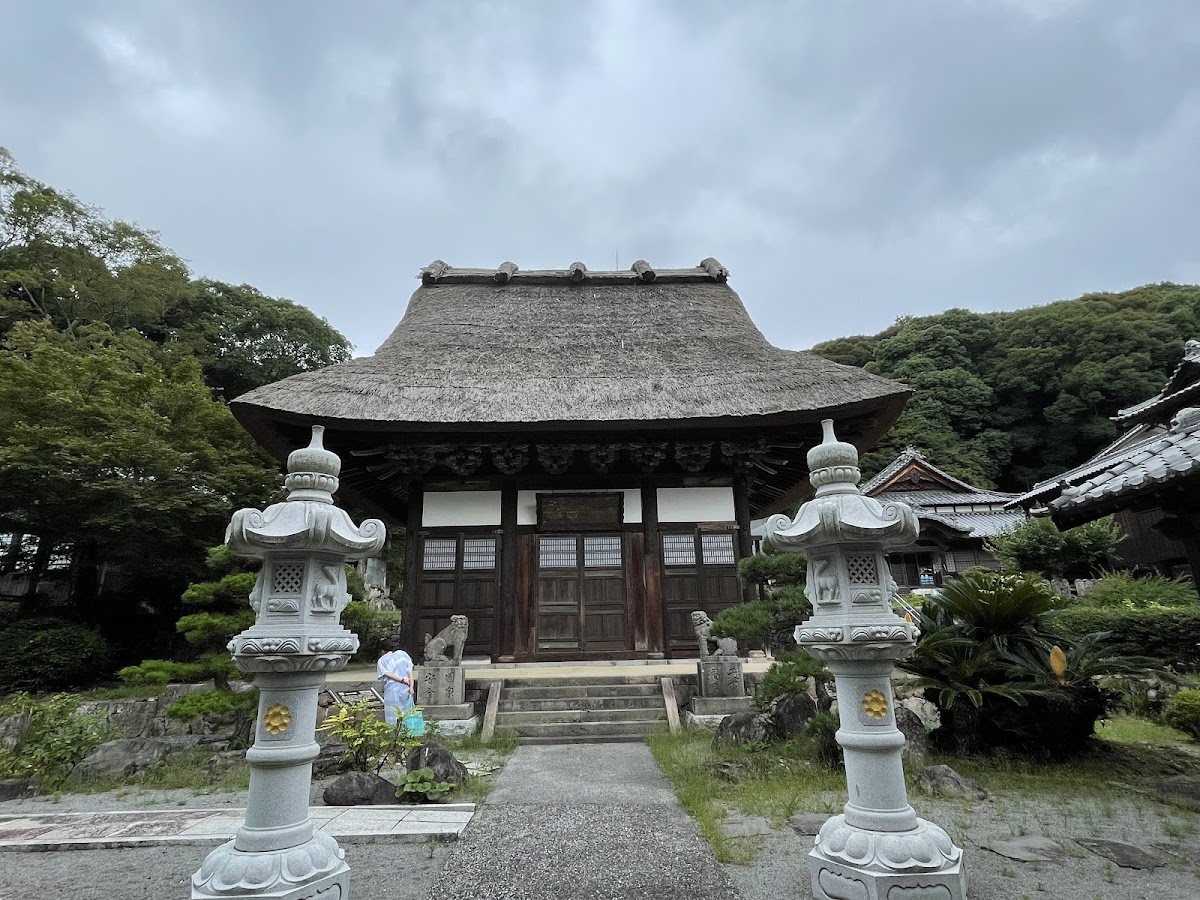
Senpukuji Complete Guide | A Summary of History, Cultural Assets, and Access Information for Senpukuji Temples Nationwide
There are multiple temples named “Senpukuji” throughout Japan, each with its own unique history and culture. Belonging to different sects such as Tendai, Jodo, Soto, and Shingon, they have a long history as centers of local faith. This article provides a detailed explanation of the major Senpukuji temples, including their history, cultural assets, grounds, annual events, and transportation access.
What is Senpukuji?
Senpukuji is the name of temples scattered throughout Japan, pronounced “Senpukuji.” The existence of multiple temples with the same name stems from the fact that in Buddhist temple naming, “Sen” (泉) symbolizes purity and the blessings of Buddhist teachings, while “Fuku” (福) symbolizes happiness and merit, making them auspicious characters. Each Senpukuji temple is deeply intertwined with the history and culture of its region, and has developed in its own unique way.
Senpuku-ji Temple (Tendai Sect), Okegawa City, Saitama Prefecture
History and Origin
Senpuku-ji Temple, located in Okegawa City, Saitama Prefecture, is said to have been founded in 829 (Tenchō 6) by Ennin (Jikaku Daishi) as a Tendai sect temple. Its mountain name is Tōeizan, its temple name is Chokugan-in, and its monastic name is Entonbō. The principal images are Amida Buddha and Jizo Bodhisattva.
Ennin is known as the third head of the Tendai sect and was a high-ranking monk who studied in Tang China. Founded in the early Heian period, this temple developed into an important center of the Tendai sect in the Kanto region. From the medieval to the early modern period, it attracted the faith of local people and flourished particularly as a center of Jizo worship.
Cultural Properties and Highlights
Senpuku-ji Temple in Okegawa City preserves valuable cultural properties that tell the story of its long history. The temple grounds are dotted with historical buildings and stone structures, allowing visitors to feel the weight of history in a tranquil atmosphere.
Numerous important materials for studying local Buddhist culture have been preserved, including Buddhist statues and scriptures based on Tendai sect doctrine, and records left by successive chief priests.
Access
From the west exit of Okegawa Station on the JR Takasaki Line, take the city loop bus (West 10 or West 11) and get off at “Izumino Gakuen-mae,” then walk for about 5 minutes. It is about a 7-minute drive from the Ken-O Expressway Okegawa-Kitamoto Interchange. Parking is available, so you can also visit by private car.
Senpuku-ji Temple (Tendai Sect), Kawasaki City, Kanagawa Prefecture
Temple Characteristics
Senpuku-ji Temple, located in Kawasaki City, Kanagawa Prefecture, is also a Tendai sect temple. Despite its urban location, it maintains a tranquil grounds and serves as a spiritual haven for local residents. It continues to fulfill its role as a traditional temple within a modern urban environment.
Connections with the Community
Izumifuku-ji Temple in Kawasaki City has strong ties to the local community, cherishing its connections with many parishioners through annual events and memorial services. The spirit of “connection,” which has continued since its founding, is carried on into the present day, and activities are being developed to weave the future across generations.
Access
The temple is accessible via the Kawasaki City transportation network. For detailed transportation information, we recommend checking the temple’s official website.
Izumifuku-ji Temple (Jodo Sect), Edogawa Ward, Tokyo
Charms of the Temple Grounds
Izumifuku-ji Temple, located in Higashi-Mizue, Edogawa Ward, Tokyo, is a temple belonging to the Jodo sect. Its mountain name is Hokki-zan. Despite being within Tokyo’s 23 wards, it is blessed with a quiet environment adorned with greenery, and a pleasant breeze blows through the trees in the temple grounds surrounded by a tranquil residential area.
This peaceful space, away from the hustle and bustle of the city, provides peace to visitors. Seasonal flowers and plants are planted on the temple grounds, allowing visitors to feel the changing seasons. ### The Teachings of the Jodo Sect
The Jodo Sect, founded by Honen Shonin, is a teaching that seeks rebirth in the Pure Land by chanting the Nembutsu, “Namu Amida Butsu.” At Senpuku-ji Temple in Edogawa Ward, services and sermons are held based on the doctrines of the Jodo Sect, and efforts are made to educate parishioners in Buddhism.
Annual Events
As a Jodo Sect temple, traditional annual events such as the New Year’s Day Shusho-e, the spring and autumn equinox services, and the Obon Segaki memorial service are held. These events deepen ties with local residents.
Access
Within walking distance from Mizue Station or Shinozaki Station on the Toei Shinjuku Line. Bus routes are also available, making it easily accessible from various parts of Tokyo.
Senpuku-ji Temple (Soto Zen Sect), Kunisaki City, Oita Prefecture
Historical Background
Senpuku-ji Temple, located in Kunisaki City, Oita Prefecture, is a Soto Zen temple with the mountain name Myotoku-zan. It is known as the 23rd temple on the Usa Jingu Rokugo Manzan pilgrimage route. Founded as a Zen training ground, it flourished during the Edo period as the Kyushu head temple of the Soto Zen sect.
While most of the Rokugo Manzan temples are Tendai sect temples, Senpuku-ji Temple, a Soto Zen temple, possesses a unique character, boasting the austere atmosphere characteristic of Zen temples and a beautiful garden.
Cultural Properties and Buildings
Senpuku-ji Temple in Kunisaki City has a main hall and living quarters that preserve the architectural style of the Edo period, allowing visitors to experience the simple yet powerful beauty characteristic of Zen temples. Stone Buddhas and pagodas are scattered throughout the temple grounds, preserving the unique stone culture of the Kunisaki Peninsula.
Pilgrimage
As a pilgrimage site on the Usa Jingu Rokugo Manzan pilgrimage route, it attracts many pilgrims. Through this pilgrimage, one can experience the rich religious culture of the Kunisaki Peninsula.
Access
Approximately 40 minutes by car from Oita Airport, and approximately 30 minutes by bus or taxi from JR Usa Station. Many visitors combine their visit with sightseeing on the Kunisaki Peninsula.
Senpuku-ji Temple, Hitachiota City, Ibaraki Prefecture
Historical Changes
Senpuku-ji Temple in Hitachiota City, Ibaraki Prefecture, is located on the site where Matsuan-ji Temple, a Soto Zen temple, was built as a family temple by Shirato Umanosuke, the lord of Ozato Castle, in the late medieval period. It has deep ties to the Iwaki clan and is an important temple that tells the story of the region’s history during the Sengoku period.
While the temple’s appearance has changed with the times, it has been preserved to this day as a valuable presence that conveys the history of the region.
Connection to Local History
It conveys the history of the Ozato region when it was part of the Iwaki domain and plays an important role as a regional cultural heritage site. Remains and legends from the medieval period can be found within the temple grounds and surrounding area.
Access
Accessible by bus or taxi from Hitachi-Ota Station on the JR Suigun Line. Approximately 20 minutes by car from the Hitachi-Minami-Ota Interchange on the Joban Expressway.
Senpuku-ji Temple (Shingon-shu Chizan-ha) in Nikko City, Tochigi Prefecture
Temple Overview
Senpuku-ji Temple, located in Inokura, Nikko City, Tochigi Prefecture, is a temple of the Shingi Shingon-shu Chizan-ha sect. Its mountain name is Inokura-san, and its temple name is Sukko-in. It has preserved the teachings of Shingon Esoteric Buddhism and attracted the faith of the local community.
Located in the vicinity of Nikko, a historically important religious city, it has developed uniquely as a Shingon Buddhist temple.
Characteristics of Shingon Buddhism
Shingon Buddhism is a sect founded by Kobo Daishi Kukai, and it emphasizes the teachings of Esoteric Buddhism. Through Esoteric Buddhist rituals such as Goma rituals, it prays for the fulfillment of the wishes of its parishioners.
Access
Approximately 15 minutes by bus or taxi from JR Nikko Station or Tobu Nikko Station. Approximately 10 minutes by car from Nikko IC on the Nikko-Utsunomiya Expressway.
Senpuku-ji Temple (Shinshu Otani School), Otsu City, Shiga Prefecture
Jodo Shinshu Temple
Senpuku-ji Temple, located in Imakatada, Otsu City, Shiga Prefecture, is a temple of the Shinshu Otani School (Higashi Honganji School). Based on the teachings of Jodo Shinshu Buddhism, it transmits faith in the original vow of Amida Buddha.
Located in a scenic environment on the shores of Lake Biwa, it offers a peaceful and tranquil place for worship.
Connection with the Community
As a Shinshu temple, it values its connection with its followers and deepens faith through annual events such as the Hoonko (memorial service). It also plays a central role in the local community.
Access
Accessible on foot or by bus from JR Kosei Line Katata Station. It’s relatively close to Kyoto city center and can be visited in conjunction with sightseeing around Lake Biwa.
Annual Events at Senpuku-ji Temple
Each Senpuku-ji temple holds annual events according to its affiliated sect.
Events at Tendai and Shingon Buddhist Temples
- Shōshō-e (January 1st): A Buddhist service celebrating the New Year
- Setsubun-e (around February 3rd): Bean-throwing ceremony and prayer for warding off evil
- Shunki Higan-e (March): Ancestor memorial service
- Kanbutsu-e (April 8th): Flower festival celebrating the birth of Buddha
- Urabon-e (August): A Buddhist service for the Obon festival
- Shūki Higan-e (September): Ancestor memorial service
- Segaki-e: A memorial service for beings in the realm of hungry ghosts
Events at Jōdo Buddhist Temples
- Shōshō-e
- Shunjū Higan-e
- Hanamatsuri
- Segaki-e
- Jūya-hōyō (October): A Jōdo Buddhist service unique to the Jōdo sect
Events at Soto Zen Temples
- Shōshō-e
- Nirvana Ceremony (February 15th): Commemorating the passing of Shakyamuni Buddha
- Spring and Autumn Equinox Ceremony
- Birthday Ceremony
- Obon Ceremony
- Daruma Memorial Service: A memorial service in remembrance of Bodhidharma
Events at Shinshu Temples
- Shōshō-e
- Spring and Autumn Equinox Ceremony
- Birthday Ceremony (May 21st): The birthday of Shinran Shonin
- Hōonkō (November): A memorial service commemorating the death anniversary of Shinran Shonin, the largest event at Shinshu temples
Guidelines for Visiting Senpuku-ji Temple
Temple Visiting Manners
When visiting a temple, please observe the following manners.
- Bow at the Temple Gate: Bow before entering the temple grounds.
- Remain Quiet: Walk quietly within the temple grounds and refrain from loud conversations.
- Worship at the Main Hall: Join your hands in prayer and pray quietly.
- Photography: Permission may be required to photograph the interior of the main hall or the Buddha statues.
- Attire: Clean and subdued clothing is preferred.
Sutra Copying and Temple Seals
At Senpuku-ji Temple, a pilgrimage site, you can receive sutra copying and temple seals. Check the reception hours of the sutra copying office and make your request politely.
Cultural Assets and Buddha Statue Viewing at Senpuku-ji Temple
Each Senpuku-ji Temple possesses valuable cultural assets that have been preserved and passed down through a long history.
Buddha Statues
Excellent Buddha statues by sculptors from various eras are enshrined, including the principal image, attendant Buddhas, and guardian deities. During special viewing opportunities, you can also view hidden Buddha statues that are not usually on display.
Ancient Documents and Scriptures
Valuable ancient documents are preserved here, including temple histories, records of successive head priests, and copied scriptures. These are important resources for local history research.
Buildings
The main hall, temple gate, bell tower, and living quarters, among other buildings dating back to the Edo period, are valuable cultural heritage that convey the architectural techniques and styles of that time.
Gardens
Izumifuku-ji Temple, a Soto Zen Buddhist temple, is particularly noteworthy for its dry landscape garden and pond garden, both expressing the spirit of Zen.
Summary of Access to Izumifuku-ji Temple
Using Public Transportation
It is common to take a bus or taxi from the nearest station to each Izumifuku-ji temple. Checking timetables and fares in advance is recommended.
Using a Private Car
Entering the temple name and address into your car navigation system will allow for smooth access. Parking availability and capacity vary by temple, so prior confirmation is recommended.
Visiting Hours
At most temples, entry to the grounds is generally permitted from sunrise to sunset. The reception hours for the temple office and sutra copying office are typically from 9:00 AM to around 4:00 PM, but this varies by temple.
Senpukuji Temple and the Local Community
Connections with Parishioners
Each Senpukuji temple values its deep connections with its parishioners, followers, and believers. Through funerals, memorial services, and annual memorial services, they provide support and emotional guidance during important life events.
Participation in Local Events
Senpukuji temples actively participate in local festivals and cultural events, fulfilling their role as members of the local community. They also engage in exchanges with children’s groups and senior citizen groups, as well as cleaning activities.
Temple Schools and Buddhist Lectures
Even in modern times, some Senpukuji temples hold lectures on Buddhist teachings, sutra copying sessions, and Zen meditation sessions. These activities are open to the general public, regardless of religion or sect.
The Role of Senpukuji Temple in Passing on the Legacy to the Future
Preservation and Inheritance of Cultural Properties
Appropriate preservation, management, and restoration are carried out to ensure that valuable cultural properties are passed on to future generations. Preservation activities utilizing new technologies, such as digital archiving, are also being promoted.
As a Place of Spiritual Support
In modern society, temples serve as places of solace for people seeking peace of mind. Senpukuji Temple plays an important role as a place that provides time to quietly reflect on oneself, away from the hustle and bustle of daily life.
Connections Across Generations
Cherishing the spirit of “connection” that has continued since its founding, weaving the future across generations—this is the common philosophy of all Senpukuji temples. While preserving tradition, they continue to develop new activities that are in line with the times, contributing to the local community.
Summary
Senpukuji temples, scattered throughout Japan, each possess different sects, histories, and cultures, yet they have all played an important role as centers of faith in their respective regions. Izumifuku-ji Temple, affiliated with the Tendai, Jodo, Soto, Shingon, and Shinshu Otani sects, engages in activities that leverage the unique characteristics of each sect, while cherishing its connections with parishioners and local residents.
While preserving and passing down ancient cultural assets and annual events, Izumifuku-ji Temple continues to explore the role of temples in modern society. By learning about its history, traditions, and future prospects, you can truly appreciate the richness and diversity of Japanese Buddhist culture.
When planning your visit, we recommend checking the official websites of each temple and information from the local tourism association to find out about transportation access, visiting hours, and the schedule of annual events in advance. Enjoy a precious time in the tranquil temple grounds, finding peace of mind and experiencing history and tradition.


