
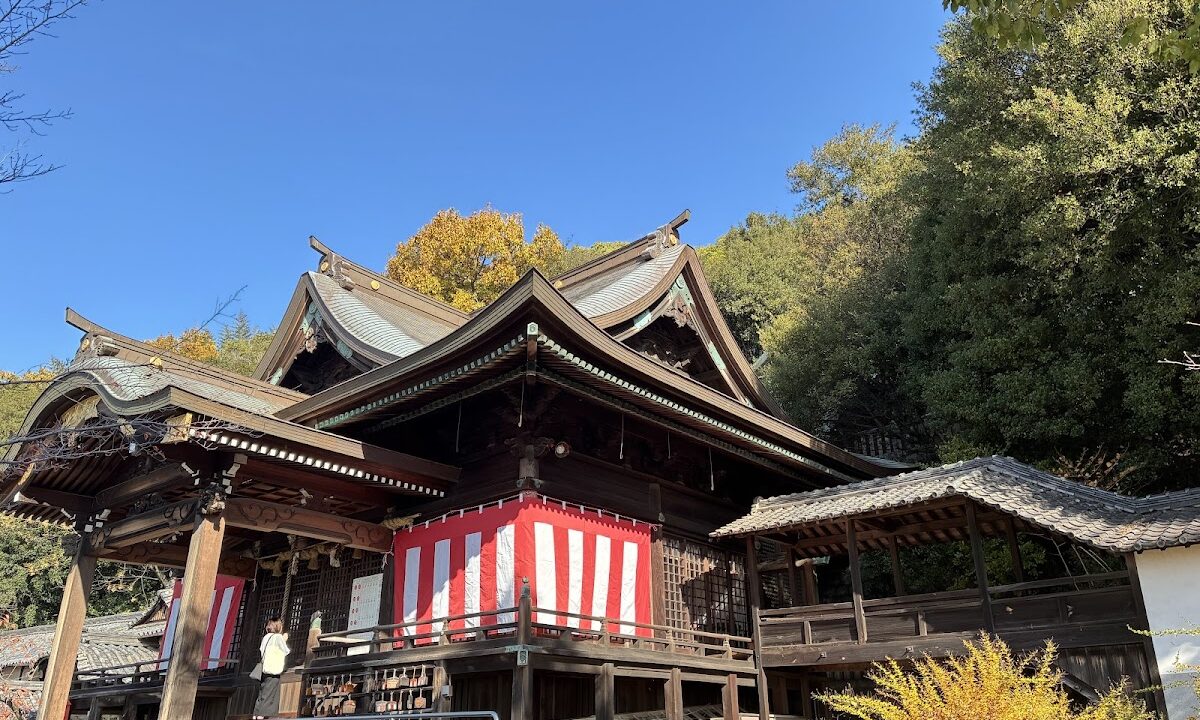
Complete Guide to Heratori Shrine (Okayama Prefecture): A Guardian Deity of Maritime Safety Since the Jinshin War and a Famous Cherry Blossom Spot
Heratori Shrine, located in Nishinoura, Tsurajima-cho, Kurashiki City, Okayama Prefecture, is a historically significant shrine situated on the slopes of Mt. Ohira. It is the only shrine in Japan with the name “Heratori” (meaning “to catch squirrels”), and is revered as a powerful shrine for protection against fire and theft, attracting many worshippers from both within and outside the prefecture. This article provides a detailed overview of Heratori Shrine, including its history, blessings, highlights within the grounds, annual events, and access information.
Table of Contents
- History and Origins of Hetori Shrine
- Deities and Blessings
- Highlights of the Shrine Grounds
- Annual Rituals and Festivals
- Charm as a Cherry Blossom Viewing Spot
- Basic Information and Access
- Points to Note When Visiting
History and Origins of Hetori Shrine
Legend of Founding and the Jinshin War
The founding date of Hetori Shrine is unknown, but according to legend, in ancient times, Tsurajima was an isolated island called “Tsura no Sato.” During the Jinshin War (672 AD), which occurred during the reign of Emperor Tenmu, the 40th emperor of the Nara period, a Shinto priest was gazing at the Seto Inland Sea in front of the shrine’s location when a mystical event occurred: the divine crest of “Hetori” (禆) appeared on the surface of the sea.
In commemoration of this auspicious event, our shrine came to be known as “Hetori Daigongen” and gained reverence as the guardian deity of maritime safety in the waters off Tsurajima and Mizushima. The name “Hetori” is unique to this shrine and is found nowhere else in Japan; in ancient times, it was also called “Umiwakamiya.”
Development and Transformation of the Shrine
Since its founding, Hetori Shrine flourished, boasting a vast precinct and a uniquely designed shrine building. Its magnificent appearance, particularly the corridors surrounding it—considered the finest in the prefecture—attests to its status as a center of faith at the time.
Tsurajima is located at the mouth of the Takahashi River and developed as a key location in the western part of the Mizushima region. As the guardian shrine of the region, Hetori Shrine has attracted the faith of fishermen, sailors, and local residents praying for safe maritime travel.
Former Shrine Rank and Current Status
While Noritori Shrine was formerly an unranked shrine, its spiritual efficacy and importance in the region have led to its designation as an important shrine belonging to the Okayama Prefectural Shrine Association. Its blessings for protection against fire and theft are known not only within the prefecture but also in neighboring prefectures, making it a rare shrine that combines faith and tourism, attracting worshippers from far and wide.
Deities and Blessings
Main Deity
Regarding the deities enshrined at Noritori Shrine, since it is worshipped as a guardian deity of maritime safety, it is believed that sea gods are enshrined there. Its alternative name, “Umi Wakamiya,” also suggests a deep connection to the sea.
Main Blessings
Noritori Shrine is known for its diverse blessings, but it is particularly renowned for the following:
Protection from Fire and Theft
The most famous blessing of Noritori Shrine is protection from fire and theft. This shrine’s miraculous powers are known not only throughout the prefecture but also in neighboring prefectures. Every year on January 6th, during the winter festival, worshippers come from near and far to pray for protection against fire and theft.
Maritime Safety
As is evident from its founding history, it has been revered since ancient times as the guardian deity of maritime safety in the waters around Tsurajima and Mizushima. It is a shrine with strong faith among those involved in fishing and shipping.
Good Fortune and Family Safety
In recent years, many worshippers have visited seeking blessings for good fortune and family safety.
Traffic Safety
In modern times, prayers for traffic safety on land, not just at sea, are also frequently offered.
Company Safety Prayers
Many companies and businesses also pray for safety, and due to its location overlooking the Mizushima industrial zone, factory and corporate personnel can also be seen visiting.
Highlights of the Shrine Grounds
Shrine Building and Corridor
The shrine building of Noritori Shrine is known for its rare palace-style architecture, and was once surrounded by corridors said to be the finest in the prefecture. Even today, it maintains a solemn atmosphere, inspiring a sense of reverence in visitors.
View from the Ema Hall
One of the major attractions of Noritori Shrine is the view from the Ema Hall. Located on the slopes of Mt. Ohira, it offers a panoramic view of the Mizushima Sea and is also known as an observation point for the Mizushima industrial area.
The unique landscape, a blend of the calm waters of the Seto Inland Sea, passing ships, and the modern industrial landscape, is characteristic of this shrine, a rare example of a shrine in the prefecture that combines religious worship with tourism. The view changes dramatically with the seasons, offering a different expression each time you visit.
Noritori Park
The surrounding area, including the shrine grounds, has been developed as Noritori Park, serving as a place of relaxation for citizens. You can enjoy worship and strolling in a rich natural environment.
Plantings on the Shrine Grounds
Hundreds of cherry trees, maple trees, and azaleas are planted on and around the shrine grounds, allowing visitors to enjoy the beauty of each season. The cherry blossom season is particularly spectacular, with approximately 200 cherry trees, mainly Somei Yoshino varieties, in bloom, attracting many visitors.
Annual Rituals and Festivals
Winter Festival (January 6th)
The most important annual event at Hetori Shrine is the Winter Festival, held every year on January 6th. This festival is a Shinto ritual to receive blessings for protection against fire and theft, and attracts many worshippers from near and far.
This festival, held to coincide with the start of winter, is an important event rooted in the community, praying for a safe year. Worshippers receive amulets for protection against fire and theft and pray for the safety of their families.
Cherry Blossom Festival (April)
Every April, the Cherry Blossom Festival is held, attracting many visitors. Approximately 200 cherry trees, mainly Somei Yoshino varieties, bloom in full glory, enveloping the shrine grounds in a vibrant atmosphere.
During the festival, various events are held, bringing together locals and tourists to celebrate the arrival of spring. The view from the middle of Mt. Ohirayama, combined with the cherry blossoms, captivates visitors.
Other Annual Events
Besides the Winter Festival and the Cherry Blossom Festival, various Shinto rituals are performed throughout the year at Hetori Shrine. As the guardian shrine of the region, rituals are held at seasonal turning points, making it a central place of faith for local residents.
Charm as a Cherry Blossom Spot
Spring Colored by Approximately 200 Cherry Trees
Hetori Shrine is known as one of the leading cherry blossom spots in Okayama Prefecture. Approximately 200 cherry trees are planted on the shrine grounds and in Hetori Park, primarily Somei Yoshino varieties. In April, the cherry blossoms bloom all at once, painting the middle slopes of Mt. Ohira pink. The blossoms, growing along the mountainside, possess a three-dimensional beauty; they offer different charms whether viewed from above or below.
A Stunning Cherry Blossom Viewing Spot
The greatest appeal of cherry blossom viewing at Henotori Shrine is the simultaneous enjoyment of cherry blossoms and the view of the Seto Inland Sea. The unique scenery created by the blue sea of Mizushima-nada stretching beyond the fully bloomed cherry blossoms, the passing ships, and the landscape of the Mizushima industrial area offers a luxurious cherry blossom viewing experience unlike any other.
From the ema hall and the elevated areas within the shrine grounds, you can see the sea through a tunnel of cherry blossoms, making it a popular spot for photography.
Natural Beauty Through the Seasons
Besides cherry blossoms, hundreds of maple and azalea trees are planted on the shrine grounds, allowing visitors to enjoy the ever-changing natural beauty throughout the seasons.
- Spring: A beautiful spectacle of cherry blossoms and azaleas
- Summer: The refreshing green of new leaves
- Autumn: The vibrant autumn foliage of maple trees colors the shrine grounds
- Winter: The winter sea viewed through the bare trees
No matter what season you visit, you can encounter the unique beauty of Henotori Shrine.
Basic Information and Access
Location and Contact Information
Address: Nishinoura, Tsurajima-cho, Kurashiki City, Okayama Prefecture
Affiliation: Okayama Prefectural Shrine Association
Access Methods
Public Transportation
- Take a bus from JR Sanyo Main Line “Shin-Kurashiki Station” or “Kurashiki Station”
- Take a bus bound for Tsurajima, get off at the nearest bus stop, and walk.
By Car
- Approximately 20 minutes from Sanyo Expressway “Kurashiki IC”
- Approximately 15 minutes from Seto-Chuo Expressway “Mizushima IC”
- Parking: Parking is available at Hetori Park (may be crowded during the cherry blossom festival)
Visiting Hours
The shrine grounds are generally open for free visits. However, it is recommended to check in advance regarding the issuance of goshuin (shrine stamps) and amulets at the shrine office.
Nearby Tourist Attractions
Numerous tourist attractions in Kurashiki City, including the Kurashiki Bikan Historical Quarter, are located around Hetori Shrine. Incorporating a visit to Henotori Shrine into your Kurashiki sightseeing itinerary will make it even more fulfilling.
Points to Note When Visiting
Recommended Time to Visit
Cherry Blossom Season (Early to Mid-April)
April, when approximately 200 cherry trees are in full bloom, is the most vibrant season for Henotori Shrine. A cherry blossom festival is also held, attracting many visitors. However, crowds are expected, so it is recommended to visit with plenty of time to spare.
Winter Festival (January 6th)
Those seeking protection from fire and theft are recommended to visit during the Winter Festival on January 6th. The shrine is bustling with visitors praying for safety in the new year.
Autumn Foliage Season (November)
Autumn, when the maple trees on the shrine grounds change color, is also a beautiful season. It is less crowded than cherry blossom season, allowing for a more peaceful visit.
Shrine Visiting Etiquette
Hinotori Shrine is a Shinto shrine, so please observe general shrine visiting etiquette:
- Bow before passing through the torii gate.
- Cleanse your hands and mouth at the temizuya (water basin).
- Avoid walking in the center of the approach (the center is the path for the gods).
- Perform “two bows, two claps, one bow” in front of the main hall.
- Maintain silence within the shrine grounds.
Photography
Photography is generally permitted within the shrine grounds, but consideration is needed, such as refraining from taking photos inside the shrine buildings or during Shinto rituals. The view from the ema-den (votive tablet hall) and the cherry blossom scenery are particularly excellent photo spots, so please enjoy them while respecting proper etiquette.
About Goshuin (Shrine Seals)
Hinotori Shrine offers goshuin (shrine seals). Those wishing to receive a goshuin should bring their goshuincho (seal book) and inquire at the shrine office. However, it is recommended to check the shrine office’s opening hours and goshuin availability in advance.
Summary: A Sacred Site Where Faith and Nature Harmonize
Henori Shrine boasts a long history dating back to the Jinshin War and is a unique shrine with the only one in Japan named “Henori.” It offers powerful protection against fire and theft, serves as a guardian deity for maritime safety, and is also a renowned spot with approximately 200 cherry trees in full bloom.
Located on the slopes of Mount Ohira, the shrine grounds offer stunning views of the Mizushima Sea and the Mizushima industrial area. As a rare shrine in the prefecture that combines religious significance with tourism, it continues to attract many visitors.
With its seasonal natural beauty, year-round religious ceremonies, and its role as the guardian shrine of the region, Henori Shrine remains a spiritual pillar of Tsurajima and Kurashiki, continuing from the past to the present and into the future.
When visiting Okayama Prefecture, be sure to visit Henori Shrine and experience its history, nature, and blessings. It will surely be a memorable pilgrimage experience.


