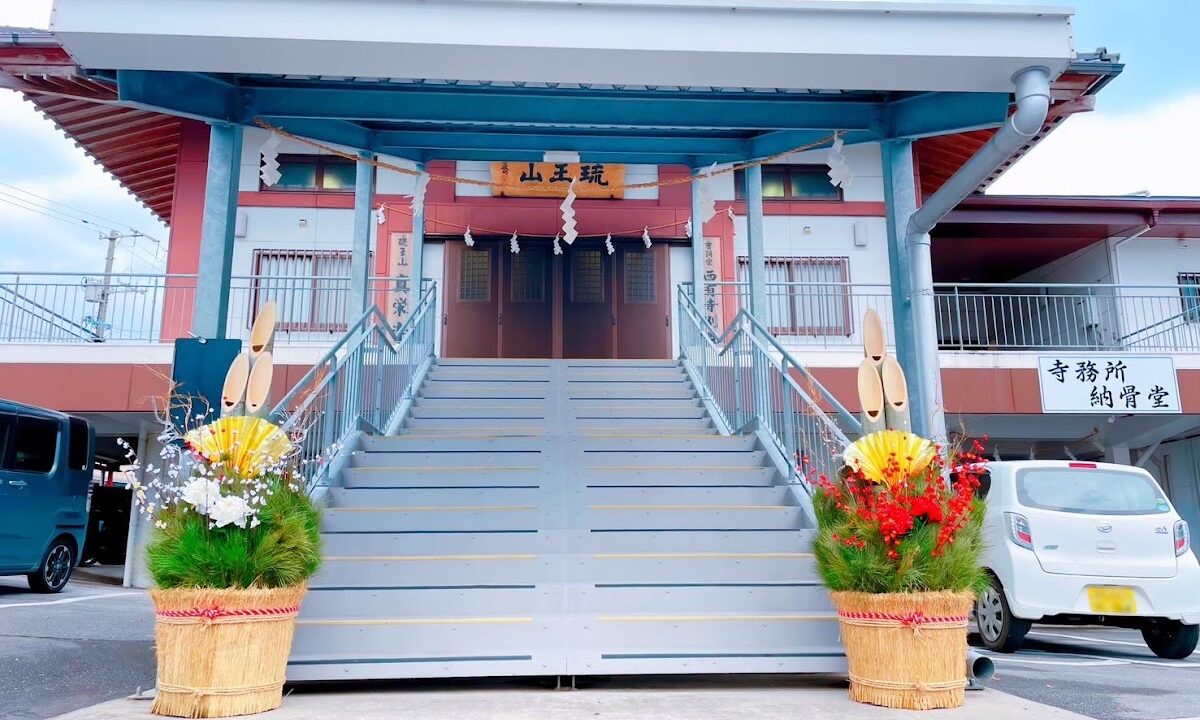
Shin’eiji Temple (Uruma City, Okinawa Prefecture) Complete Guide | History, Goshuin (Temple Seal), and Access Information for the Soto Zen School
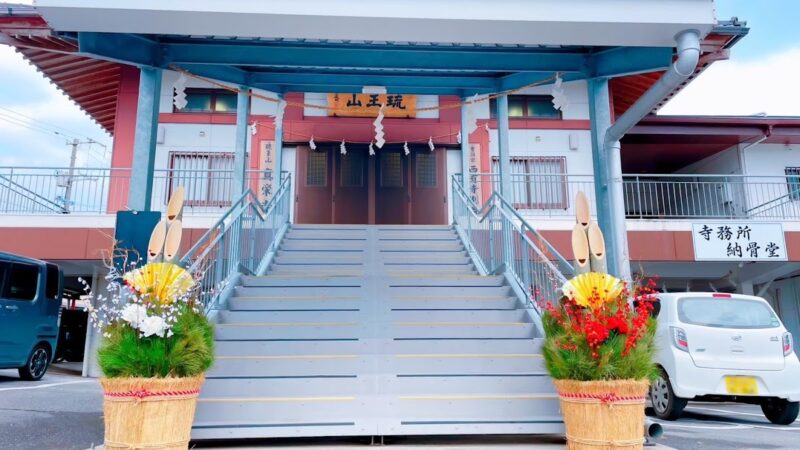
Shin’eiji Temple, located in Einochi, Uruma City, Okinawa Prefecture, is a Soto Zen Buddhist temple also known as Ryuozan. As a branch temple of Seiyuji Temple, it continues to be deeply rooted in the community and is known as the only Soto Zen temple in Okinawa Prefecture. This article comprehensively covers information useful for those considering a visit, including the history of Shin’eiji Temple, the characteristics of its sect, the services offered, goshuin information, and access methods.
Basic Information about Shin’eiji Temple
Location and Access
Address: 1015-2 Einochi, Uruma City, Okinawa Prefecture
Postal Code: 904-2205
Phone Number: 098-972-3501
Corporate Number: 9360005002195
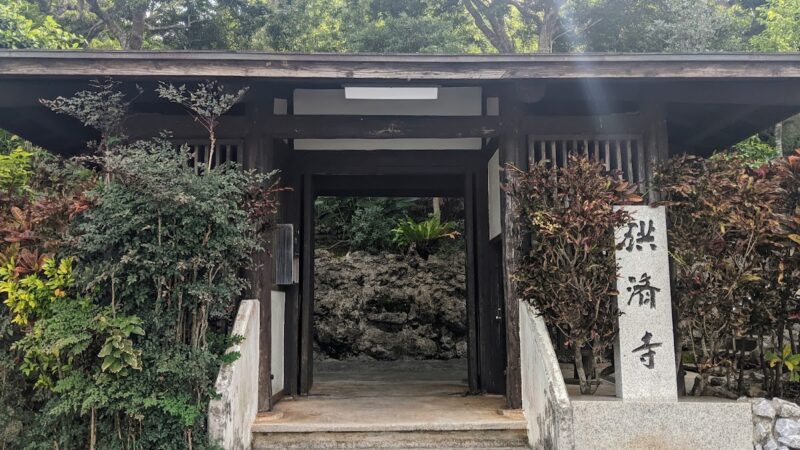
Shin’eiji Temple is located in a quiet residential area slightly away from the center of Uruma City. Surrounded by abundant nature, the temple offers a peaceful and healing environment for visitors.
Business Hours and Service Days
Business Hours: 10:00 AM – 4:00 PM
Closed: Open 365 days a year
Maeji Temple is open 365 days a year, allowing for flexible responses to urgent memorial services and consultations. However, we recommend making a reservation or confirmation by phone before visiting.
History and Origins of Maeji Temple
Origins as a Branch Temple of Seiyuji Temple
Maeji Temple was established as a branch temple of the religious corporation Seiyuji Temple. With a history of over 37 years since its founding, it has been cherished as a place of faith for local residents. The mountain name, Ryuozan, reflects a respect for the history and culture of the Ryukyu Kingdom.
Okinawa Prefecture’s Only Soto Zen Temple
Okinawa Prefecture is historically known for having few Buddhist temples, but Maeji Temple is a valuable presence as the only Soto Zen temple in the prefecture. The Soto Zen sect is a branch of Zen Buddhism that emphasizes meditation (zazen) and the spirit of “shikantaza” (just sitting).
Founded by Zen Master Dogen, the Soto Zen sect is a large denomination with over 14,000 temples throughout Japan. Maeji Temple continues to uphold this tradition in Okinawa, serving as a bridge to transmit Soto Zen culture from mainland Japan to Okinawa.
Services Offered at Maeji Temple
Maeji Temple offers a wide range of services covering all aspects of Buddhist rituals. Below are some of our main services.
Funeral Services
Maeji Temple conducts funerals according to the customs of the Soto Zen sect. While respecting Okinawa’s climate and traditions, we provide respectful ceremonies based on Buddhist teachings. We accept consultations regarding funerals at any time, and pre-consultations are also available.
Memorial Services and Various Buddhist Ceremonies
We hold memorial services to commemorate the deceased, such as the seventh day, forty-ninth day, first anniversary, and third anniversary. We are flexible in accommodating the wishes of the family regarding the scale and format of the service. We also hold memorial services during Obon and Higan.
Perpetual Memorial Service
For those without successors or those concerned about future memorial services, we offer a perpetual memorial service service. Shin’ei-ji Temple will take responsibility for continuing the memorial service in perpetuity, allowing you to entrust your loved one with peace of mind.
Columbarium and Cremated Remains Storage
Shin’ei-ji Temple has a columbarium and offers a cremated remains storage service. We cater to various needs, including temporary storage until a grave is ready, and long-term storage combined with perpetual memorial services.
Consultation on Buddhist Altars and Graves
We also accept consultations regarding the purchase of Buddhist altars and the construction of graves. We offer expert advice on how to harmonize Okinawa’s unique burial customs and traditions with Buddhist traditions.
Groundbreaking Ceremony
We also perform groundbreaking ceremonies for new construction and rebuilding. This is an important ritual to pray to the land gods for the safety of the construction and the prosperity of the building.
Other Buddhist Rituals Consultation
In addition to the above, we accept a wide range of consultations regarding all aspects of Buddhist rituals. We provide careful explanations and support to alleviate anxieties, even for those who are new to Buddhist rituals.
Information on Shin’ei-ji Temple’s Goshuin (Temple Seal)
About the Issuance of Goshuin
Shin’ei-ji Temple issues Goshuin (temple seals). Goshuin are considered important as proof of worship and as a way to forge a connection with the temple. Shin’ei-ji Temple’s Goshuin bears the seal of Ryuo-zan Shin’ei-ji Temple and includes the date of visit.
How to Receive a Goshuin
Those wishing to receive a Goshuin should visit during business hours (10:00 AM to 4:00 PM) and request it at the temple office. Bringing your goshuincho (stamp book) is recommended, but if you don’t have one, you may be given a pre-printed goshuin.
The offering fee (donation) for a goshuin is generally around 300 to 500 yen, but please inquire directly for the specific amount at Maeji Temple.
How to Enjoy Goshuin Pilgrimage
For those collecting goshuin in Okinawa Prefecture, Maeji Temple is a valuable destination. While Okinawa has many Shinto shrines, Buddhist temples are few, and Maeji Temple is the only Soto Zen temple. As part of a goshuin pilgrimage, it’s a place where you can experience the diversity of Okinawa’s religious culture.
How to Access Maeji Temple
Access by Public Transportation
Nearest Bus Stop: Ushirohara (Okinawa City)
Distance from Bus Stop: Approximately 245m (approximately 3 minutes on foot)
Take an Okinawa Prefecture bus and get off at the Ushirohara bus stop, then it’s about a 3-minute walk. Bus services may be limited, so we recommend checking the timetable in advance.
Nearest Station (Reference): Yui Rail Gibo Station (Naha City)
However, direct access from Gibo Station to Maeji Temple is difficult; travel by bus or car is necessary.
Access by Car
Maeji Temple has ample parking. Located in the central part of Okinawa Island, it is accessible by car in approximately 40 minutes to 1 hour from Naha City and approximately 15 minutes from Okinawa City.
Access from Major Roads:
- Approximately 10 minutes from Okinawa Expressway “Okinawa Kita IC”
- Accessible from National Route 329
When using a car navigation system, please enter the phone number (098-972-3501) or address (1015-2 Einochi, Uruma City).
Landmarks in the Area
Maeji Temple is located in a residential area, so it may be a little difficult to find for first-time visitors. There are landmarks nearby, such as the Einohi Community Center and local schools, so you can use these as reference points. If you have any questions, we recommend calling ahead to confirm directions.
Attractions and Spots Around Maeji Temple
When visiting Maeji Temple, visiting the surrounding tourist spots and facilities will make your experience even more fulfilling.
Katsuren Castle Ruins (World Heritage Site)
Katsuren Castle Ruins, located about 15 minutes by car from Maeji Temple, is one of the UNESCO World Heritage Sites, “Gusuku Sites and Related Properties of the Kingdom of Ryukyu.” It is the site of a castle from the Ryukyu Kingdom era, and from the top, you can enjoy a spectacular view of the Pacific Ocean and the East China Sea.
Kaichu Road
Kaichu Road, a representative tourist spot in Uruma City, is about 20 minutes by car from Maeji Temple. This approximately 5km-long road runs over the sea, offering a scenic drive with beautiful ocean views on both sides.
Ikeijima, Miyagijima, Hamahigajima, and Henzajima Islands
Beyond the Kaichu Road lies four remote islands. Each boasts beautiful beaches and historical sites, offering a chance to experience Okinawa’s island culture.
Ishikawa District, Uruma City
Located about 15 minutes north of Maeji Temple by car, the Ishikawa district is home to shopping centers and restaurants, making it convenient for dining and shopping.
Manners and Guidelines for Visiting Maeji Temple
Basic Manners for Visiting Temple
When visiting Maeji Temple, please observe the following basic manners:
- Attire: Clean, understated clothing is preferred. Especially when attending a memorial service, wear mourning attire or semi-formal attire.
- Greetings: Bow upon entering the temple grounds and pray quietly.
- Photography: Obtain permission before taking photographs on the temple grounds. In particular, photography inside the main hall and of Buddha statues should be avoided in some cases.
- Mobile Phones: Please set your mobile phone to silent mode and limit phone calls while on the temple grounds.
- Offerings: When receiving services or attending religious ceremonies, please prepare an appropriate offering. If you are unsure of the amount, please confirm beforehand.
Soto Zen Etiquette
In the Soto Zen sect, the basic practice is to bow with hands clasped together. When visiting the main hall, please follow the procedure below.
- Bow before the main hall.
- Place your offering in the offering box.
- Bow deeply with hands clasped together.
- Offer your prayer quietly.
- Bow again with hands clasped together.
- Step back, bow once more, and exit.
Teachings cherished by Shin’ei-ji Temple
The Spirit of the Soto Zen School
The Soto Zen school considers “Shikantaza,” or “simply sitting in meditation,” as its most important practice. It teaches that meditation itself is the form of Buddha, rather than seeking enlightenment through meditation.
Coexistence with the Community
For over 37 years, Shin’ei-ji Temple has walked hand in hand with the community of Uruma City. It plays an important role as a spiritual center for local residents and as a place for ceremonies at important life milestones.
It harmonizes Okinawa’s unique culture of ancestor worship with Buddhist teachings, continuing its community-based activities.
How to Contact Maeji Temple
Inquiries by Phone
The most reliable way to contact Maeji Temple is by phone.
Phone Number: 098-972-3501
Reception Hours: 10:00 AM – 4:00 PM (Open Year-Round)
We accept consultations regarding all Buddhist matters, including funerals, memorial services, perpetual memorial services, interment, Buddhist altars, graves, and ground-breaking ceremonies. Even first-time visitors will receive courteous service, so please feel free to inquire.
Reservations Before Visiting
Reservations are not required for receiving a Goshuin (temple stamp) or touring the temple grounds. However, if you wish to meet with the head priest or have a detailed consultation, we recommend making a reservation by phone in advance.
Advance reservations are mandatory for consultations regarding memorial services and funerals. Please contact us well in advance as scheduling and detailed discussions are necessary.
Okinawa’s Buddhist Culture and the Role of Maeji Temple
Religious Situation in Okinawa
Okinawa Prefecture has its own unique religious culture, distinct from mainland Japan. Okinawa is characterized by a deep-rooted tradition of ancestor worship and Utaki (sacred grove) worship dating back to the Ryukyu Kingdom era, resulting in an extremely small number of Buddhist temples compared to other prefectures.
There is also a historical background of many temples being lost due to the anti-Buddhist movement of the Meiji era and the Battle of Okinawa during World War II.
Cultural Value of Maeji Temple
Within this context, Maeji Temple, as the only Soto Zen Buddhist temple in Okinawa, is a valuable presence that preserves and transmits Buddhist culture. It plays an important role as a point of contact between mainland Buddhist culture and Okinawan traditional culture, and as a place to harmonize the two.
For people from mainland Japan who have immigrated to Okinawa, and for those who wish to have Buddhist funerals and memorial services, Maeji Temple is a place of spiritual solace.
Summary: The Value of Visiting Maeji Temple
Maeji Temple, a Soto Zen Buddhist temple located in Uruma City, Okinawa Prefecture, has a history of over 37 years and continues to engage in activities rooted in the local community. In addition to being the only Soto Zen Buddhist temple in Okinawa, this temple is characterized by its wide range of services, including funerals, memorial services, and perpetual memorial services.
It is open year-round and has a system in place to flexibly respond to urgent inquiries. Since it also offers Goshuin (temple stamps), it is a recommended spot for those who collect Goshuin.
Shin’ei-ji Temple, surrounded by abundant nature and in a tranquil environment, offers a peaceful place to worship. As a valuable place to experience the diversity of Okinawa’s religious culture, we highly recommend visiting it at least once.
Before visiting, please call (098-972-3501) to confirm business hours and the services you wish to receive, and enjoy a fulfilling worship experience.