Ryukyuzan Hokkeji Temple (Naha City, Okinawa Prefecture) Complete Guide: History, Goshuin (Temple Seal), and Access Information
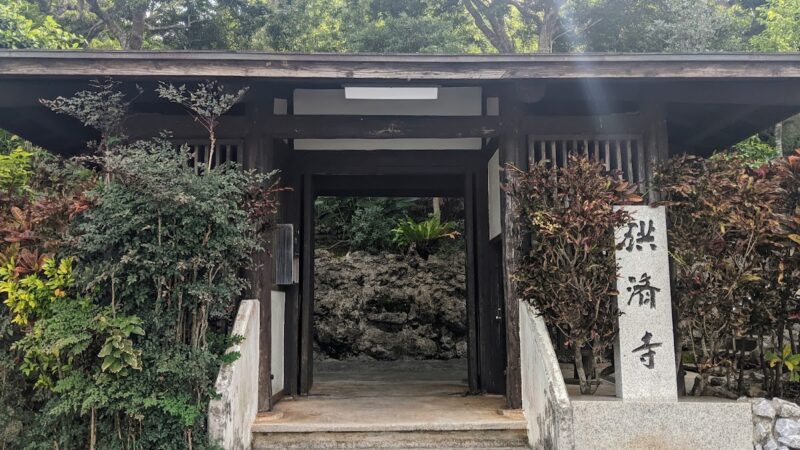
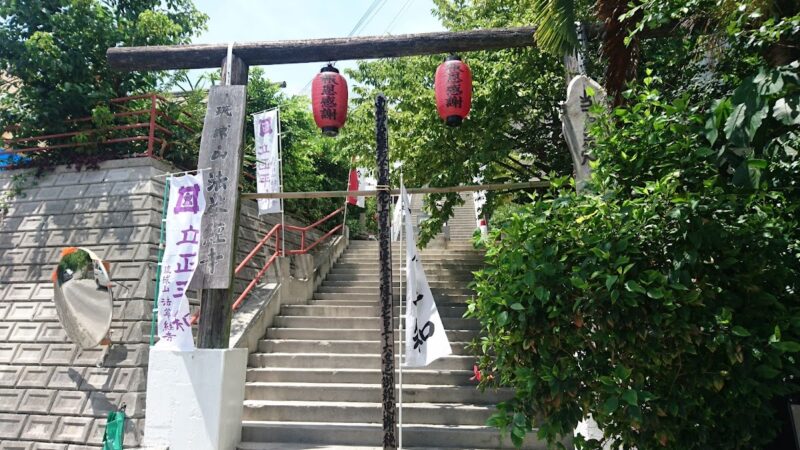
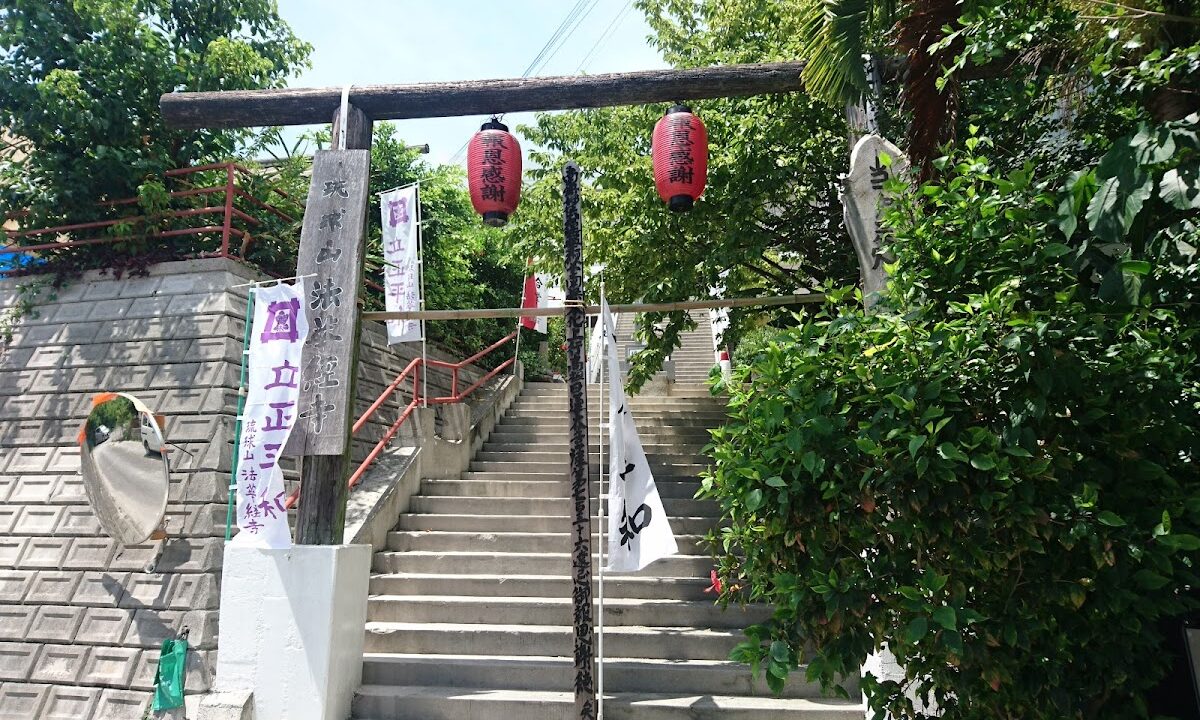
Located in Asato, Naha City, Okinawa Prefecture, Ryukyuzan Hokkeji Temple is a Nichiren Buddhist temple and an important center of Buddhist culture in Okinawa. Despite its convenient location within walking distance of Omoromachi Station, this temple maintains a tranquil environment for worship. This guide provides a detailed explanation, from its historical background to practical information for visitors.
Basic Information on Ryukyuzan Hokkeji Temple
Location and Access
Address: 3-16-1 Asato, Naha City, Okinawa Prefecture 902-0067
Phone Number: 098-862-3741
Ryukyuzan Hokkeji Temple is located in the heart of Naha City, boasting excellent access, just a 2-minute walk from Omoromachi Station on the Okinawa Urban Monorail “Yui Rail.” It’s also conveniently located near the Okinawa Prefectural Museum & Art Museum (Okimyu), making it easy to visit during sightseeing.
Sect and Mountain Name
- Sect: Nichiren Buddhism
- Mountain Name: Ryukyu-zan
- Official Name: Ryukyu-zan Hokke-kyo-ji Temple
Nichiren Buddhism is a Buddhist sect founded by Nichiren Shonin, a monk of the Kamakura period, and considers the Lotus Sutra as its fundamental scripture. Hokke-kyo-ji Temple plays an important role as a center for the propagation of Nichiren Buddhism in Okinawa.
History of Ryukyu-zan Hokke-kyo-ji Temple
The Beginning of Nichiren Buddhism in Okinawa
The history of Nichiren Buddhism in Okinawa begins in 1913 (Taisho 2) with the founding of Zuikoku-zan Myotoku-ji Temple. In Okinawa, where a unique religious culture dating back to the Ryukyu Kingdom era had taken root, the spread of Nichiren Buddhism’s teachings was relatively recent.
Up to the Founding of Hokke-kyo-ji Temple
In 1975 (Showa 50), Nichiren Buddhism dispatched Master Kanuka as a missionary to Okinawa. The previous head priest traveled to Okinawa alone and established the “Nichiren Sect Okinawa Mission Center” in Urasoe City, which is the root of the current Hokkeji Temple.
Initially, missionary activities began in Urasoe City, but in 1978 (Showa 53), the temple relocated to its current location in Asato, Naha City. This relocation was made to seek a location more easily accessible to a wider range of people.
Formal Founding of Ryukyuzan Hokkeji Temple
In 1981 (Showa 56), a momentous year marking the 700th anniversary of the death of Nichiren Shonin, the temple was formally founded as “Ryukyuzan Hokkeji Temple.” At this time, “Ryukyuzan” was adopted as the temple’s mountain name, marking the beginning of its journey as a temple deeply rooted in the Okinawan region.
More than 40 years have passed since its founding, and Hokkeji Temple continues to support local faith as a central Nichiren Sect temple in Naha City.
Succession Ceremony and Generational Change
In 2006, a “Succession Ceremony” was held at Hokkeji Temple. This ceremony is an important ritual in which the head priest of a temple is passed on to the next generation. Through this ceremony, the Dharma lineage, established since the temple’s founding, was securely passed on to the next generation, ensuring the continuation of Nichiren Buddhism’s missionary activities in Okinawa.
About Goshuin and Goshudai
Differences between Goshuin and Goshudai
At Nichiren Buddhist temples, instead of the common Goshuin, you can receive something called a “Goshudai.” A Goshudai features the mantra “Namu Myoho Renge Kyo” and serves as a unique commemoration of a visit to the temple, specific to Nichiren Buddhism.
Goshudai at Hokkeji Temple
At Ryukyuzan Hokkeji Temple, you can receive a Goshudai for a donation of 500 yen. Many visitors receive a Goshudai as a memento of their visit and as proof of their faith.
When receiving a Goshudai (temple stamp), it’s best to prepare your Goshuincho (stamp book) in advance for a smoother experience. Nichiren Buddhist temples discourage mixing Goshuin from other sects with Goshudai in the same book, so it’s recommended to use a dedicated Goshudaicho if possible.
Manners for Receiving a Goshudai
- Complete your prayers first: First, complete your prayers at the main hall before receiving your Goshudai.
- Wait quietly: Wait quietly while your Goshudai is being written.
- Be grateful: A Goshudai is not merely a souvenir, but a symbol of faith.
- Prepare the offering fee: Having 500 yen ready beforehand will ensure a smoother experience.
Detailed Access Information
Access by Public Transportation
Using the Yui Rail
The most convenient access method is using the Okinawa Urban Monorail, “Yui Rail.”
- Nearest Station: Omoromachi Station
- Distance from Station: Approximately 2 minutes on foot (approximately 150 meters)
- Travel Time: Approximately 19 minutes from Naha Airport Station
Omoromachi Station is the central station of Naha’s new city center, surrounded by numerous commercial and cultural facilities. From the station to Hokkeji Temple, the route is mostly flat and takes only about 2 minutes on foot, making it very easily accessible.
Bus Access
If using a local bus, the nearest stop is “Asato.” Multiple bus routes serve this stop, providing access from various locations within Naha City.
Access by Car
From Naha Airport
It takes approximately 15-20 minutes by car from Naha Airport. The most common routes are via National Route 58 or National Route 330.
Parking Information
It is recommended to check the temple’s parking information by phone in advance. Due to its location in the heart of Naha City, there are several coin-operated parking lots nearby.
Phone Number: 098-862-3741
Nearby Landmarks
- Okinawa Prefectural Museum & Art Museum (Okimyu): Within walking distance
- San-A Naha Main Place: Large shopping center
- Shintoshin Park: Lush green park
Using these landmarks, even first-time visitors should be able to find their way without getting lost.
Points to Note Regarding Worship
Visiting Hours
As with most temples, daytime visits are recommended. It is advisable to call ahead to confirm specific visiting hours.
Regarding Attire
There are no specific dress code requirements, but please dress appropriately when visiting a temple. While Okinawa’s climate is warm, it’s best to avoid clothing that exposes too much skin.
Etiquette for Visiting a Temple
The basic etiquette for visiting a Nichiren Buddhist temple is as follows:
- Bow at the temple gate: Bow before entering the temple.
- Purify yourself at the water basin: Purify your hands and mouth.
- Join hands in prayer at the main hall: Join your hands in prayer while chanting “Namu Myoho Renge Kyo.”
- Worship quietly: Worship with sincerity.
Tourist Attractions Around Hokkeji Temple
Okinawa Prefectural Museum & Art Museum (Okimyu)
The Okinawa Prefectural Museum & Art Museum, within walking distance of Hokkeji Temple, is a facility where you can comprehensively learn about Okinawa’s history, culture, and art. You can enjoy a wide range of exhibits, from valuable materials from the Ryukyu Kingdom era to contemporary art.
Naha New City Area
The Naha New City area around Omoromachi Station has many shopping centers, restaurants, and cafes, making it convenient for meals and shopping after visiting the temple.
Kokusai Street
Kokusai Street, located just a few stops away on the Yui Rail, is a classic Okinawa tourist spot. Lined with souvenir shops and restaurants, it offers a vibrant Okinawan atmosphere.
The Role of Nichiren Buddhism and Hokkeji Temple in Okinawa
The Uniqueness of Buddhism in Okinawa
Okinawa is a region where a unique religious culture has developed since the Ryukyu Kingdom era. It has a religious background different from mainland Japan, including an ugan (prayer) culture centered on ancestor worship and the existence of mediums called yuta.
Within this context, various Buddhist sects, including Nichiren Buddhism, have developed their own unique missionary activities while coexisting with Okinawa’s traditional beliefs.
The Role of Hokkeji Temple in the Community
Ryukyuzan Hokkeji Temple, as a central temple of the Nichiren sect in Naha City, plays the following roles:
- Center of Faith: The center of faith activities for Nichiren sect followers
- Performance of Buddhist Services: Conducting Buddhist ceremonies such as funerals and memorial services
- Missionary Activities: Spreading the teachings of the Lotus Sutra
- Community Interaction: Strengthening ties with the local community
Teachings of the Nichiren Sect
The Nichiren sect considers the Lotus Sutra to be the supreme scripture and teaches that one can attain Buddhahood by chanting the title “Namu Myoho Renge Kyo.” Nichiren Shonin was convinced that the Lotus Sutra was the true teaching of Shakyamuni Buddha and dedicated his life to its dissemination.
At Hokkeji Temple, based on the teachings of Nichiren Shonin, we provide Buddhist guidance to people living in modern society.
Visitor Voices and Experiences
A Quiet Space in the City
Many visitors appreciate the temple’s peaceful and tranquil atmosphere, despite its convenient location in the heart of Naha City. The fact that it maintains a secluded and peaceful environment, even though it’s only a two-minute walk from Omoromachi Station, is one of Hokkeji Temple’s greatest attractions.
The Beauty of the Goshuin (Temple Seal)
Many visitors who have received a Goshuin have commented on its beautifully written inscription. They express gratitude for receiving such a heartfelt Goshuin for a mere 500 yen offering.
Easy Access
The temple’s easy accessibility, just a two-minute walk from Omoromachi Station on the Yui Rail, is particularly appreciated by tourists visiting Okinawa. The fact that it can be easily visited without renting a car is a major draw.
Annual Events at Hokkeji Temple
Major Events of the Nichiren Sect
Nichiren sect temples hold various memorial services and events throughout the year. It is believed that the following events are held at Hokkeji Temple:
- Rikkyo Kaishū-e (April 28th): A memorial service commemorating the day Nichiren Shonin founded the sect.
- Kōtan-e (February 16th): A memorial service celebrating the birth of Nichiren Shonin.
- Oeshiki (Around October 13th): The most important memorial service commemorating the anniversary of Nichiren Shonin’s death.
For specific event dates and details, please contact the temple directly.
Frequently Asked Questions (FAQ)
Is it okay for first-time visitors?
Of course, it’s fine. Anyone can visit, even if they are not a follower of the Nichiren sect. As long as you observe basic temple etiquette, first-time visitors can visit with peace of mind. If you have any questions, please feel free to ask the temple staff.
I don’t have a Goshuincho (stamp book). Can I still get a Goshudai (temple stamp)?
Yes, even if you don’t have a Goshudaicho or Goshuincho, you may be able to get a Goshudai written on a piece of paper. However, if you plan to collect Goshudai regularly, we recommend preparing a dedicated Goshudaicho.
Is there parking available?
We recommend checking the availability and number of parking spaces by phone (098-862-3741) in advance. There are also coin-operated parking lots nearby, which you can consider using.
Are there any suitable times to visit?
Generally, the best time to visit is from morning until evening. We recommend checking with the temple in advance for specific visiting hours. There may be times when visits are not possible on days with religious services or other events.
Is photography allowed?
Photography is generally permitted on the temple grounds, as long as it doesn’t disturb other visitors. However, there are areas where photography is restricted, such as inside the main hall. It’s best to check with the temple staff before taking photos.
Can I get a Goshudai (temple stamp) in a Goshuincho (stamp book) from another sect?
In the Nichiren sect, it is considered desirable not to mix Goshuin from other sects with Goshudai in the same book. If possible, we recommend using a Goshudai book specifically for the Nichiren sect.
Can I consult about Buddhist services and funerals?
Yes, Hokkeji Temple accepts consultations regarding Buddhist services such as memorial services and funerals. For details, please contact us directly by phone (098-862-3741).
Summary: The Charm of Ryukyuzan Hokkeji Temple
Ryukyuzan Hokkeji Temple is a valuable temple that maintains a tranquil environment for worship despite its convenient location in the heart of Naha City, Okinawa Prefecture. Beginning with the establishment of the Okinawa Mission Center in 1975 and its official founding in 1981, it has served as a center of Nichiren Buddhism in Okinawa for over 40 years.
Hokkeji Temple boasts many attractions, including its excellent accessibility (just a 2-minute walk from Omoromachi Station), its meticulously written temple seals, and its deeply rooted missionary activities in Okinawa. Why not visit it during your Okinawa sightseeing trip or while you’re in Naha?
Spending time quietly contemplating the teachings of Nichiren Buddhism will be a valuable experience amidst your busy daily life. Located in Asato, Naha City, Ryukyuzan Hokkeji Temple continues to walk hand in hand with the teachings of the Lotus Sutra. We encourage you to visit and experience its history and present firsthand.