Rinkaiji Temple (Naha City, Okinawa Prefecture) | Complete Guide to History, Access, and Sect
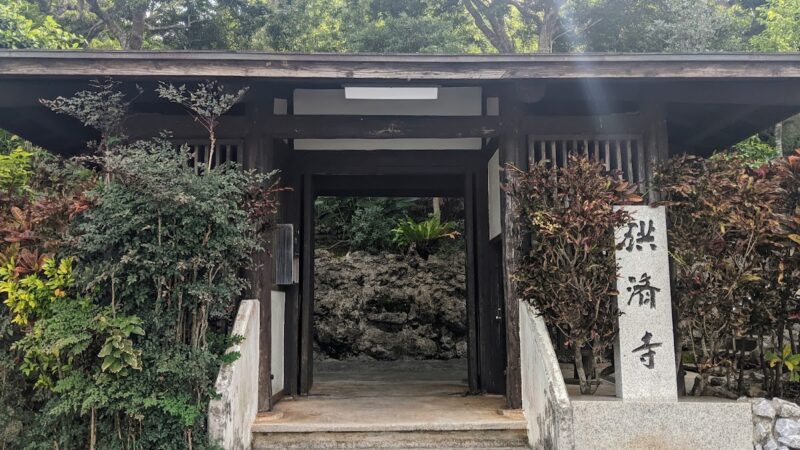
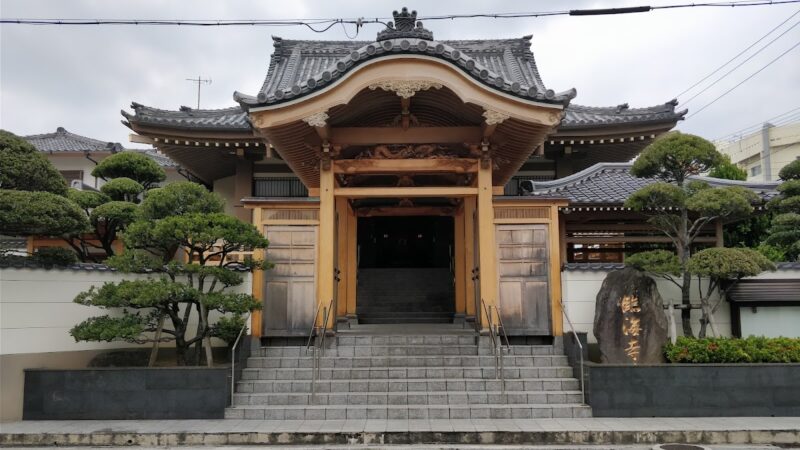
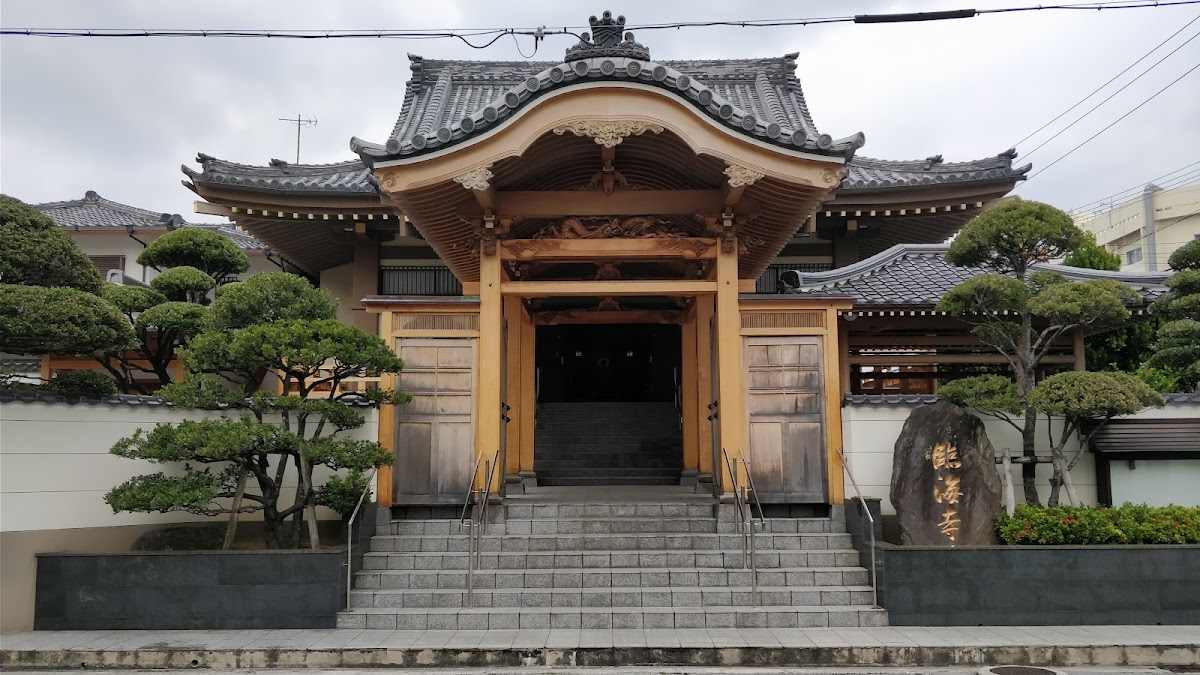
Rinkaiji Temple is a historic temple located in Akebono, Naha City, Okinawa Prefecture. This temple, which has existed since the Ryukyu Kingdom era, has played an important role as a temporary lodging facility for foreigners, taking advantage of its location near Naha Port. This article provides a comprehensive explanation of Rinkaiji Temple’s detailed history, current sect, access methods, and its place in Okinawan Buddhist culture.
Basic Information about Rinkaiji Temple
Location and Access
Address: 1-18-19 Akebono, Naha City, Okinawa Prefecture 900-0002
Phone Number: 098-861-2009
Sect: Toji Shingon Sect
Mountain Name: Okinoyama
Rinkaiji Temple is located in the Akebono district, in the heart of Naha City, and is close to Naha Port. This location is deeply connected to the historical background that dates back to the Ryukyu Kingdom era.
Access from the nearest station
Using the Yui Rail (Okinawa Urban Monorail):
- Nearest station: Miebashi Station
- Walking time from the station: Approximately 10-12 minutes
- Distance: Approximately 800 meters
From Miebashi Station to Rinkaiji Temple, head towards National Route 58 and you will see signs once you enter the Akebono area. Located in the heart of Naha City, it is easily accessible by public transportation.
Access by car:
Approximately 15 minutes by car from Naha Airport. Access is easy using National Route 58. It is recommended to check with the temple in advance regarding parking availability.
History of Rinkaiji Temple
Founding and the Ryukyu Kingdom Era
The exact founding date of Rinkaiji Temple is unknown, but records confirm its existence by the mid-16th century. At the time, Rinkaiji Temple was located midway along the embankment leading to Mie-gusuku (a sacred castle), and it played a unique role, taking advantage of its proximity to Naha Port.
During the Ryukyu Kingdom era, Rinkaiji Temple functioned as the betto-ji (attached temple) of Okinogu Shrine. A betto-ji is a temple attached to a Shinto shrine that manages the shrine and performs Buddhist rituals. This form of syncretism of Shinto and Buddhism was an important element that characterized Ryukyu’s religious culture.
Role as a Foreigner Accommodation Facility
The most distinctive aspect of Rinkaiji Temple’s history is its use as a temporary accommodation facility for foreigners. The Ryukyu Kingdom was a maritime nation that prospered through trade with China, Japan, and Southeast Asian countries, and many foreign ships docked at Naha Port.
Rinkaiji Temple, located near Naha Port, was used as accommodation for these foreign envoys and merchants, and it also functioned as a place for international exchange. This role is an important element that illustrates Rinkaiji Temple’s uniqueness in Okinawan history.
Damage from the Battle of Okinawa and Post-War Reconstruction
During the Battle of Okinawa in 1945, Rinkaiji Temple, like many other temples and shrines in Naha City, suffered extensive damage. The Battle of Okinawa destroyed many of Okinawa’s cultural properties and historical buildings, and Rinkaiji Temple was no exception.
After the war, Rinkaiji Temple was rebuilt at its current location in Akebono 1-chome, Naha City. While the sect and location may have changed during this reconstruction process, it continues to function as a temple that inherits Okinawa’s Buddhist culture.
About Rinkaiji Temple’s Sect
What is the Toji Shingon Sect?
Currently, Rinkaiji Temple belongs to the Toji Shingon Sect. The Toji Shingon Sect is a branch of Shingon Buddhism with Toji Temple (Kyo-o-gokoku-ji) in Kyoto as its head temple, and is a sect that follows the tradition of esoteric Buddhism founded by Kobo Daishi Kukai.
Shingon Buddhism centers on the esoteric teachings of esoteric Buddhism, aiming for immediate enlightenment through the chanting of mantras, and places great importance on rituals such as incantations, prayers, and fire rituals. Several Shingon temples exist in Okinawa Prefecture, and Rinkaiji Temple is one of them, supporting the local Buddhist culture.
Discrepancies in Information Regarding Sects
Some sources state that Rinkaiji Temple belongs to the “Rinzai Myoshinji School.” This may be due to confusion of information or a possible past change in sect. Some temples in Okinawa changed sects during the post-war reconstruction process, so it is recommended to contact the temple directly for accurate information.
Relationship with Okinomiya Shrine
Historical Role as a Betto-ji Temple
Rinkaiji Temple played an important role as the betto-ji temple of Okinomiya Shrine during the Ryukyu Kingdom era. Okinomiya Shrine is one of the eight Ryukyu shrines located in Naha City, a historical shrine situated on Tentozan Mountain.
The Betto-ji system, based on the syncretic belief of Shinto and Buddhism, was a form of operation where shrines and temples were operated together. While it was abolished in mainland Japan by the Meiji-era separation of Shinto and Buddhism, it developed uniquely in Ryukyu. Rinkai-ji Temple played a role in supporting the rituals and management of Okinomiya Shrine from a Buddhist perspective.
Ryukyuan Characteristics of Shinto-Buddhist Syncretism
Ryukyuan religious culture was unique, a complex fusion of indigenous Utaki beliefs, Buddhism, and Shinto. The relationship between Rinkai-ji Temple and Okinomiya Shrine is a valuable example of this unique Ryukyuan form of Shinto-Buddhist syncretism.
The Position of Rinkai-ji Temple in Naha City’s Temple Culture
Temples in Naha during the Ryukyu Kingdom Era
During the Ryukyu Kingdom era, many temples existed in Naha. The major temples included the following:
- Gokoku-ji Temple: The most prestigious temple serving as the family temple of the Ryukyu Kingdom
- Daiten-ji Temple: A Rinzai Zen temple
- Shogen-ji Temple: A Shingon Buddhist temple
- Naminoue-gu Shrine: One of the eight Ryukyu shrines, with its own affiliated temple.
Most of these temples and shrines were destroyed in the Battle of Okinawa, but some were rebuilt after the war. Rinkai-ji Temple also continues to be active today, playing a vital role in Naha’s temple culture.
The Role of Rinkaiji Temple in Modern Times
Currently, Rinkaiji Temple serves the following roles as a local Buddhist temple:
- Funeral and Memorial Service Execution: Conducting funerals and memorial services for parishioners and local residents.
- Perpetual Memorial Services: Providing memorial services such as perpetual memorial graves.
- Preservation of Buddhist Culture: Activities to pass on Okinawan Buddhist culture to future generations.
Nahachi City has several temples of different sects, each supporting the spiritual culture of the region. Rinkaiji Temple, as a temple of the Toji Shingon sect, serves as a center for transmitting the teachings of Shingon Esoteric Buddhism.
Attractions Around Rinkaiji Temple
About the Akebono District of Naha City
The Akebono district of Naha City, where Rinkaiji Temple is located, is close to the center of Naha City and is an area where residential and commercial areas are mixed. It is also close to Naha Port, and can be said to be a place that conveys the former location of Rinkaiji Temple.
Nearby Historical Spots
When visiting Rinkaiji Temple, we recommend also visiting the nearby historical spots:
Naminoue Shrine:
- Approximately 5 minutes by car from Rinkaiji Temple
- One of the eight Ryukyu shrines, a beautiful shrine built on a cliff
- Famous as a New Year’s visit spot for Naha citizens
Fukushu Garden:
- A Chinese-style garden built to commemorate the 10th anniversary of the sister city agreement between Naha City and Fuzhou City, China
- Preserves the history of exchanges with China during the Ryukyu Kingdom era
Shuri Castle Park:
- The site of the Ryukyu Kingdom’s royal castle
- A World Heritage Site (currently under reconstruction after a fire in 2019)
About Visiting Rinkaiji Temple
Precautions When Visiting
When visiting Rinkaiji Temple, please note the following:
- Prior Contact: 1. The main hall may be used for memorial services or other events, so if you want to be sure to visit, it is recommended to call ahead to confirm.
- Attire: When visiting a temple, avoid revealing clothing and aim for modest attire.
- Photography: When taking photographs on the temple grounds, please obtain permission from the temple beforehand.
- Quietness: Temples are places of prayer. Let’s pray quietly.
Shingon Buddhist Worship Etiquette
The basic worship etiquette at a Shingon Buddhist temple is as follows:
- Bow at the Temple Gate: Bow before entering the temple grounds.
- Purify at the Water Basin: Cleanse your hands and mouth.
- Worship at the Main Hall:
- Quietly place your offering in the offering box.
- Join your hands and bow.
- Offer your prayers silently.
- Bow again.
- Bow upon Departure: Bow again when leaving the temple grounds.
Memorial Services and Buddhist Rites Available at Rinkaiji Temple
Funerals and Memorial Services
Rinkaiji Temple can conduct Buddhist funerals and memorial services. A solemn funeral service, conducted according to Shingon Buddhist etiquette, commemorates the deceased and offers comfort to the bereaved family.
Buddhist Memorial Services
The following types of Buddhist memorial services are performed:
- Memorial services on the seventh day, forty-ninth day, etc.
- Annual memorial services on the first anniversary, third anniversary, etc.
- Memorial service for hungry ghosts during Obon
- Memorial service during the equinox
Perpetual Memorial Service
In line with modern lifestyles, perpetual memorial service is also offered. This is gaining attention as a method of memorial service for those who have no successor to their grave or who do not want to burden their descendants.
For detailed costs and conditions, please contact the temple directly.
Okinawan Buddhist Culture and Rinkaiji Temple
History of Buddhism in Okinawa
Buddhism is believed to have been introduced to Okinawa around the 13th century. During the Ryukyu Kingdom era, various sects of Buddhism were introduced through exchanges with China and Japan, and developed uniquely.
A distinctive feature is the fusion of indigenous sacred site beliefs and ancestor worship with Buddhism, forming a unique Ryukyuan religious culture. Many temples, like Rinkaiji Temple, served as the head temples of Shinto shrines, and the syncretism of Shinto and Buddhism remained strong.
The Battle of Okinawa and the Disruption of Temple Culture
The Battle of Okinawa in 1945 dealt a devastating blow to Okinawa’s temple culture. Almost all temples in Naha City were destroyed by fire, and many cultural artifacts and historical documents were lost.
After the war, many temples, including Rinkaiji Temple, were rebuilt, but it was difficult to fully restore them to their pre-war state. Nevertheless, thanks to the faith and efforts of the Okinawan people, temple culture gradually recovered.
The Role of Temples in Modern Okinawa
In modern Okinawa, Buddhist temples play a variety of roles, including:
- Religious Role: Conducting Buddhist ceremonies such as funerals and memorial services
- Cultural Role: Transmitting Okinawan history and culture
- Social Role: Providing spiritual support to local communities
- Educational Role: Nurturing people’s hearts through Buddhist teachings
Rinkaiji Temple also contributes to modern Okinawan society by fulfilling these multifaceted roles.
Practical Information for Visiting Rinkaiji Temple
Opening Hours and Visiting Hours
While most temples are open during the day, it is recommended to check Rinkaiji Temple’s specific opening hours in advance. Visiting may not be possible on days with religious services or events.
Parking Information
Please contact the temple directly regarding parking availability and capacity. Located in the heart of Naha City, it is also conveniently accessible by public transportation.
Nearby Restaurants and Rest Stops
Located in the heart of Naha City, there are numerous restaurants and cafes nearby. You can also enjoy Okinawan cuisine before or after your visit.
Accessibility Information
We recommend checking with the temple in advance regarding accessibility features within the temple grounds. Those wishing to visit in a wheelchair should especially contact the temple beforehand.
Summary
Rinkaiji Temple is a Shingon Buddhist temple located in Naha City, Okinawa Prefecture, with a long history dating back to the Ryukyu Kingdom era. Having played a unique role as the head temple of Okinomiya Shrine and as a temporary lodging facility for foreigners, Rinkaiji Temple is a valuable presence that conveys Okinawa’s history and culture to the present day.
Although damaged during the Battle of Okinawa, it was rebuilt after the war and now provides services such as funerals, memorial services, and perpetual memorial services as a local Buddhist temple. It is conveniently located in the heart of Naha City, Akebono 1-chome, and is easily accessible on foot from Miebashi Station on the Yui Rail.
When visiting Okinawa, visiting historical temples like Rinkaiji Temple, along with famous tourist spots such as Shuri Castle and Naminoue Shrine, will allow you to experience Okinawa’s deep spiritual culture. Rinkaiji Temple, a place of international exchange during the Ryukyu Kingdom era and a site that preserves the culture of syncretism between Shinto and Buddhism, is an important place for understanding Okinawa’s multifaceted history.