Complete Guide to Kin Kannonji Temple (Okinawa Prefecture): A Precious Wooden Building That Survived War and the History of Nichishu Shonin
About Kin Kannonji Temple
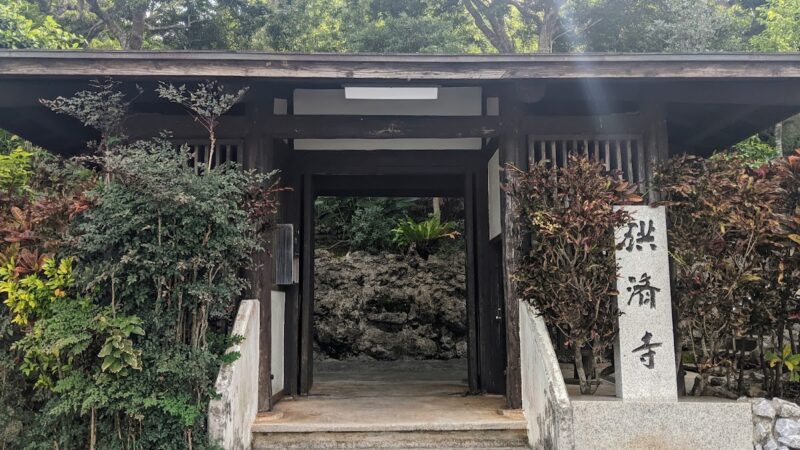
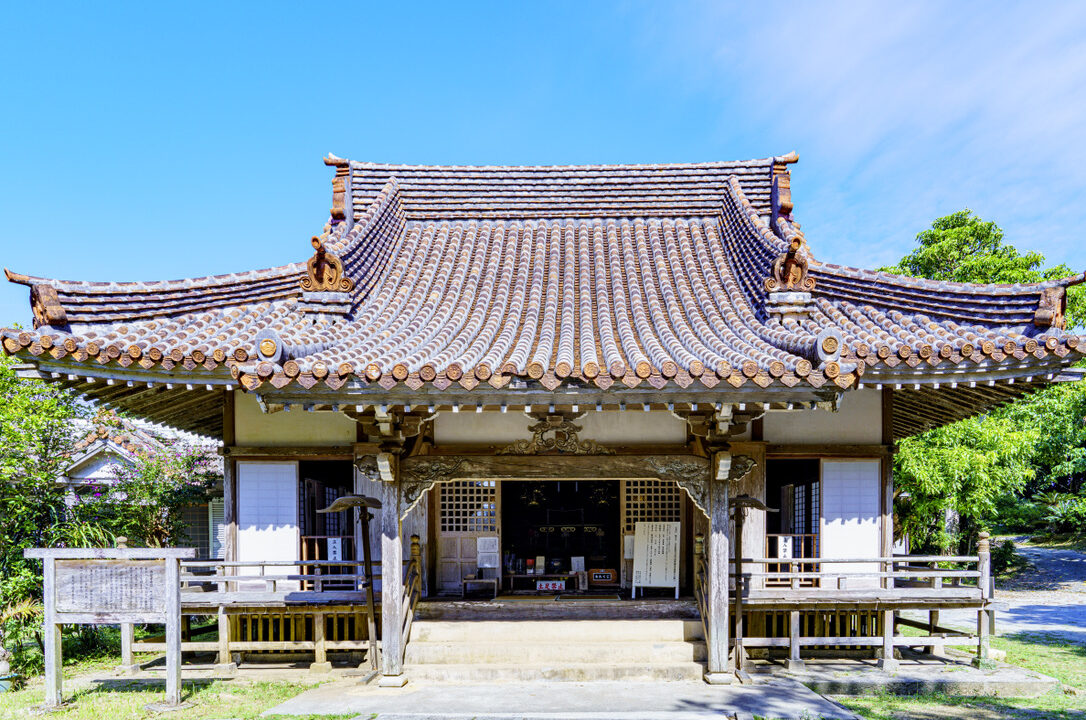
Kin Kannonji Temple is a Shingon Buddhist temple of the Koyasan sect located in Kin Town, Kunigami District, Okinawa Prefecture. Its mountain name is “Kinpusan,” and it enshrines the Holy Kannon as its principal image. It was founded in the 16th century by Nichishu Shonin. In Okinawa Prefecture, where many temples and shrines were destroyed by fire during World War II, it is known as an extremely valuable wooden building that retains the old architectural style of the pre-war era.
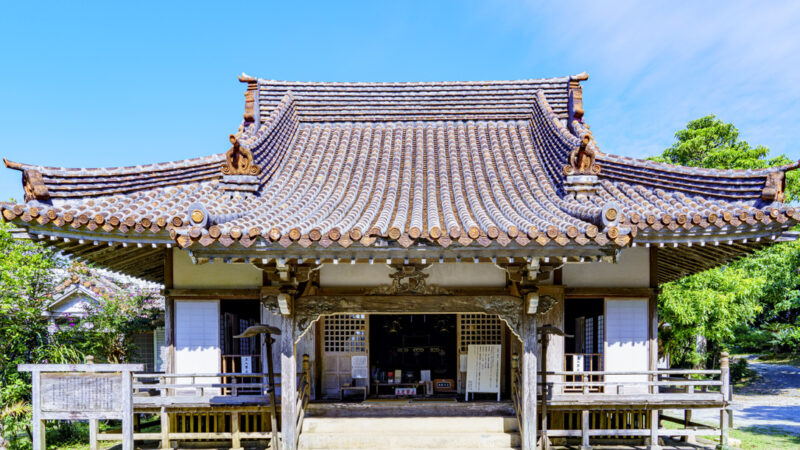
The current main hall was rebuilt in 1942, incorporating architectural techniques from early modern temples and shrines, and occupies an important position in the history of temple architecture in Okinawa. The temple grounds exude a unique atmosphere where history and nature blend, with features such as a giant Fukugi tree estimated to be about 350 years old and Nichishu Cave (a limestone cave) where Kin Gongen and Suiten are enshrined.
History and Background of Kinbu Kannon-ji Temple
Founded by Nichishu Shonin
The history of Kinbu Kannon-ji Temple dates back to 1522 (Daiei 2), in the early 16th century. The founder, Nichishu Shonin, was born in Kozuke Province (present-day Gunma Prefecture). At the age of 19, he suffered a tragic incident in which he accidentally killed a retainer. Deeply repenting for this sin, Nichishu Shonin entered Mount Koya and embarked on a rigorous path of ascetic training.
After his training, Nichishu Shonin set sail from Wakayama Prefecture, aiming for the Western Pure Land, and after a long voyage, arrived at Kin Bay. It was here that he founded Kannon-ji Temple and dedicated himself to spreading Shingon Esoteric Buddhism in Ryukyu. Nichishu Shonin’s footsteps are also deeply connected to the beginnings of Kumano faith in Okinawa, and he is said to have been involved in the founding of Kinbu-gu (Kinbu Gongen).
Development during the Ryukyu Kingdom Era
During the Ryukyu Kingdom era, Kin Kannon-ji Temple developed as a center of local faith. For the people of Ryukyu, Shingon Buddhist temples, which had arrived from mainland Japan, were rare. Furthermore, the dedicated missionary work of Nichishu Shonin attracted many followers. Kannon-ji Temple functioned not merely as a religious facility, but as a spiritual pillar of the local community.
Reconstruction and War Damage Before the War
The existing main hall was rebuilt in 1942. This reconstruction employed traditional techniques of early modern temple architecture, resulting in a unique architectural style adapted to Okinawa’s climate and environment. Towards the end of World War II, Okinawa became the scene of fierce ground battles, and many historical buildings were destroyed. However, Kin Kannon-ji Temple miraculously escaped war damage, becoming a valuable example of pre-war architectural style.
From Post-War to the Present
After the war, Kin Kannon-ji Temple’s historical and cultural value was re-recognized, and it was designated as a Kin Town designated cultural property. Currently, it is one of Kin Town’s representative tourist spots, attracting many worshippers and tourists from both within and outside Okinawa Prefecture.
Highlights of Kin Kannon-ji Temple
Architectural Style of the Main Hall
The main hall of Kin Kannon-ji Temple is of extremely high architectural value as one of the few pre-war wooden buildings in Okinawa Prefecture. Rebuilt in 1942, it utilized traditional early modern temple architecture techniques, showcasing the craftsmanship of artisans in its detailed decorations and structure.
Inside the main hall, the principal image, the Holy Kannon, is enshrined, allowing visitors to worship in a serene atmosphere. The warm space, characteristic of wooden architecture, provides peace of mind to visitors.
Giant 350-Year-Old Fukugi Tree
The most striking feature on the temple grounds is the giant Fukugi tree, estimated to be approximately 350 years old. This Fukugi tree is a living witness to the long history of Kin Kannon-ji Temple, and its majestic presence deeply impresses visitors.
Fukugi trees have long been planted as traditional Okinawan house groves, serving as windbreaks and firebreaks. The Fukugi at Kin Kannon-ji Temple is particularly large, and its beautiful branches make it a popular photography spot for many photography enthusiasts. It can be said to symbolize the history of Okinawa and the power of nature.
The Power Spot of Nisshu Cave (Limestone Cave)
One of the most distinctive features of Kin Kannon-ji Temple is the limestone cave called Nisshu Cave, located at the back of the temple grounds. This cave is said to have been a place of ascetic practice for the monk Nisshu, and it remains a sacred site where Kin Gongen and Suiten are enshrined.
The interior of Hishu Cave is enveloped in a mystical atmosphere. The natural beauty of the stalactite formations and the unique space created by the enshrined deities and Buddhas make it one of Okinawa’s most powerful spiritual spots, attracting many visitors. The cave is cool, and especially in summer, it offers a comfortable feeling like natural air conditioning.
The entrance fee for Hishu Cave is 400 yen, which allows you to tour the cave. Inside the cave, there are Buddha statues and altars, and the candlelight creates a fantastical atmosphere.
Relationship with Kinbu Shrine (Kinbu Gongen)
Kinbu Shrine is located very close to Kinbu Kannon-ji Temple, and the two are closely related. Kinbu Shrine is said to have been founded by Hishu Shonin and holds an important position as the starting point of Kumano faith in Okinawa.
In this region, where the tradition of syncretism of Shinto and Buddhism remains strong, it is believed that visiting both Kannon-ji Temple and Kinbu Shrine together allows for a deeper religious experience. This form of syncretism of Shinto and Buddhism is a very interesting example for understanding Okinawa’s unique religious culture.
Location in relation to Kin-Okawa
Near Kin-Kannon-ji Temple is a spring called Kin-Okawa (Ukkaga). This spring has been an important water source supporting the lives of the local people since ancient times, and pure water still flows from it today. When visiting Kannon-ji Temple, visiting Kin-Okawa will allow you to gain a deeper understanding of the history and culture of Kin Town.
Cultural value of Kin-Kannon-ji Temple
Valuable wooden architecture in Okinawa Prefecture
Many historical buildings in Okinawa Prefecture were destroyed by fire during the Battle of Okinawa in World War II. Wooden buildings, in particular, are vulnerable to fire, and most were lost. In this context, Kin-Kannon-ji Temple, as one of the few pre-war wooden buildings that escaped the ravages of war, possesses extremely high cultural value.
In terms of architectural style, the techniques of early modern temple and shrine architecture have been preserved in a form adapted to Okinawa’s climate and environment, making it an important resource for architectural history research.
Protection as a Kin Town Designated Cultural Property
Recognizing its historical and cultural value, Kin Kannon-ji Temple has been designated as a Kin Town Designated Cultural Property. This ensures that the building is properly preserved and maintained, and efforts continue to pass it on to future generations.
Importance in Okinawa’s Religious History
Kin Kannon-ji Temple is an important historical site demonstrating the spread and establishment of Shingon Esoteric Buddhism in Ryukyu. Since its founding by Nichishu Shonin, it has played a significant role in the development of Buddhist culture in Okinawa. Furthermore, it is indispensable for understanding Okinawa’s unique religious culture, including its connection to Kumano faith and its form of Shinto-Buddhist syncretism.
Access and Basic Information
Location and Contact Information
- Location: 222 Kin, Kin-cho, Kunigami-gun, Okinawa Prefecture
- Phone: 098-968-8581 (Kin Town Tourism Association)
- Sect: Koyasan Shingon Buddhism
- Mountain Name: Kinpusan
- Principal Image: Holy Kannon
Opening Hours and Fees
- Visiting Hours: Generally open during the day (the offering box may be closed around 5:30 PM)
- Admission Fee: Free for the temple grounds
- Hishudo Cave (Limestone Cave): 400 yen
- Closed Days: Open all year round
Access Method
Access by Car
- Approximately 60 minutes by car from Naha Airport
- Approximately 10 minutes from the Kin IC on the Okinawa Expressway
- Parking available (free)
Access by Bus
- Approximately 90 minutes by local bus from Naha Bus Terminal
- Within walking distance from bus stops in Kin Town
Estimated Time of Visit
If you only wish to visit the temple grounds, it will take about 10-15 minutes. If you include a visit to the Hishudo Cave, it will take about 30-40 minutes. If you also plan to visit the nearby Kin Shrine and Kin Daikawa River, it is recommended to allow about an hour.
Attractions around Kin Kannon-ji Temple
Tourist Spots in Kin Town
When visiting Kin Kannon-ji Temple, we recommend also visiting other tourist spots in Kin Town.
- Kinbu Shrine: A shrine closely related to Kannonji Temple
- Kinbu Okawa (Ukkaga): A historic spring
- Nature Mirai-kan: A facility where you can learn about the nature and history of Kinbu Town
- Around Camp Hansen: A unique townscape influenced by American culture
Gourmet Information
Kinbu Town is known as the “birthplace of taco rice,” and there are many taco rice specialty restaurants in the town. It’s recommended to enjoy authentic taco rice after visiting Kannonji Temple. There are also many restaurants serving Okinawan soba and dishes made with local ingredients.
Manners and Precautions for Visiting the Temple
Guidelines for Visiting the Temple
- Please be quiet within the temple grounds and be considerate of other visitors.
- When taking photographs in the main hall or inside the Nisshu Cave, please check your surroundings and act with moderation.
- The Fukugi trees are valuable natural monuments; please be careful not to break or damage their branches.
Clothing
Okinawa has a warm climate year-round, but the Nisshu Cave feels cool. Even in summer, a light jacket is recommended for comfort. Also, some parts of the temple grounds are unpaved, so comfortable walking shoes are recommended.
About Goshuin (Temple Seals)
Goshuin (temple seals) are available at Kinbu Kannonji Temple. Those wishing to receive a goshuin should bring their goshuincho (stamp book) and speak to someone at the temple office. However, staff may not always be present, so it is recommended to contact the temple in advance if you are certain you will receive a goshuin.
The Charm of Kin Kannon-ji Temple and Reasons to Visit
A Unique Space Where History and Nature Blend
The greatest charm of Kin Kannon-ji Temple lies in the magnificent fusion of its nearly 500-year history and Okinawa’s rich natural environment. The three elements—the main hall retaining its pre-war architectural style, the 350-year-old Fukugi tree, and the mystical Nisshu Cave—combine to create a unique atmosphere unlike any other.
A Place Where You Can Feel Okinawa’s History
In Okinawa, where many historical buildings were lost during World War II, Kin Kannon-ji Temple, which retains its pre-war appearance, is a precious place where you can feel Okinawa’s history firsthand. Layers of history overlap, including the dedicated missionary work of Nisshu Shonin, the state of faith during the Ryukyu Kingdom era, and the memories of war.
The Charm as a Power Spot
Nisshu Cave is known as one of Okinawa’s leading power spots, attracting many people seeking peace of mind and the fulfillment of their wishes. The mystical atmosphere inside the cave allows you to forget the hustle and bustle of everyday life and has a calming effect on the mind. ### Convenient Location for Incorporating into Tourist Routes
Kin Town is located on the central east coast of Okinawa Island, making it easily accessible from both Naha and the northern tourist areas. It can be easily combined with resorts in Onna Village and tourist spots in Nago City, allowing for seamless integration into your Okinawa travel itinerary.
Summary: Experience Okinawa’s Deep History at Kin Kannon-ji Temple
Kin Kannon-ji Temple is a Shingon Buddhist temple founded in the 16th century by Nichishu Shonin. As a valuable pre-war wooden building that escaped wartime destruction in Okinawa Prefecture, it possesses extremely high historical and cultural value. It boasts numerous attractions, including a 350-year-old Fukugi tree, the mystical Nichishu Cave, and the main hall incorporating techniques from early modern temple architecture.
When visiting Kin Town, be sure to visit Kin Kannon-ji Temple and experience Okinawa’s deep history and unique religious culture. Following in the footsteps of Nichishu Shonin, you’ll have an unforgettable experience, feeling the passage of nearly 500 years.
While Okinawan tourism often focuses on beautiful beaches and resort hotels, visiting historical sites like Kin Kannon-ji Temple will allow you to gain a deeper understanding of Okinawa’s multifaceted charm. Kin Kannon-ji Temple, where pre-war architecture, Ryukyuan religious culture, and the powerful force of Okinawa’s nature come together, is a special place well worth visiting.