A Thorough Explanation of the History and Charm of Jūseiji Temple – History, Cultural Assets, and Visitor Guide
Jūseiji Temple is one of the many Jōdo-shū temples located throughout Japan, boasting a long history and unique cultural assets. This article provides a detailed explanation of Jūseiji Temple’s history from its founding to the present day, its cultural assets, and visitor information.
What is Jūseiji Temple? – Temple Overview and Basic Information
Jūseiji Temple belongs to the Jōdo-shū sect, and its history and characteristics vary depending on the region. The Jōdo-shū sect, founded by Hōnen Shōnin, is a sect that seeks rebirth in the Pure Land by chanting “Namu Amida Butsu,” with Amida Buddha as its principal deity.
Formal Name and Sect of the Temple
The formal mountain name and temple name of Jūseiji Temple vary by region, but it is often referred to in the form of “○○-san Jūseiji” or “○○-in Jūseiji.” It belongs to the Jōdo-shū sect, and its head temple is Chion-in in Kyoto.
As a Jodo sect temple, Jūsei-ji Temple houses a statue of Amida Buddha in its main hall and serves as a center of faith for its parishioners through daily services and rituals. Within the temple grounds, in addition to the main hall, there are other temple buildings such as a main gate, bell tower, and living quarters, welcoming visitors in a tranquil atmosphere.
The Role of Jūsei-ji Temple in the Region
Jūsei-ji Temple has functioned as an important religious institution in various regions. Temples with the same or similar names exist throughout Japan, including in Tokyo, Kanagawa, Saitama, Chiba, Iwate, and Hiroshima prefectures. Each temple is deeply intertwined with the history and culture of its region, serving as a spiritual pillar for its parishioners and local residents.
The Founding and Historical Background of Jūsei-ji Temple
The founding dates of Jūsei-ji Temples vary, but many were established during the early to mid-Edo period. The temples were built and developed within the context of the social conditions of the time and their relationships with local powerful families and samurai.
Founding History and Founder
The founding of Jūsei-ji Temple was heavily influenced by the support of influential local figures and samurai families. For example, in the early Edo period, under the Tokugawa shogunate’s religious policies, the construction and restoration of temples were promoted throughout the region. Jūsei-ji Temple is believed to have been founded within this historical context as a center of local faith.
While the founders vary from temple to temple, records show that in many cases, local powerful families and samurai families petitioned for the construction of temples and received land from the shogunate. The founders established temples to commemorate themselves and their ancestors, and to provide a place of worship for the local people.
Development During the Edo Period
During the Edo period, Jūsei-ji Temple was granted temple land and functioned as a center of religious activity in the region. Temples at that time were not merely religious institutions; they also served as educational institutions and centers of cultural activity. They established temple schools to teach reading and writing to local children and served as venues for various cultural activities.
Under the management of the Shogunate’s Commissioner of Temples and Shrines, Jūsei-ji Temple maintained its position within the sect by regularly visiting and reporting to the head temple. Furthermore, under the danka system (parishioner system), it forged strong ties with local residents, supporting their religious lives through funerals, memorial services, and annual events.
Changes Since the Meiji Era
After the Meiji Restoration, many temples faced difficult times due to the separation of Shinto and Buddhism and the anti-Buddhist movement. Jūsei-ji Temple was no exception, and its financial foundation changed significantly due to the confiscation of its temple lands and changes in the danka system. However, supported by the deep faith of local residents, it was able to overcome the challenges of the Meiji era.
During the Taisho and Showa eras, some Jūsei-ji temples were forced to relocate due to urban planning and war damage. In particular, temples located in urban areas such as Tokyo and Osaka were relocated due to road widening and land readjustment. The current temple grounds were formed through these historical changes.
Architectural Features and Structure of Jūsei-ji Temple
The grounds of Jūsei-ji Temple exhibit a typical layout for a Jōdo-shū Buddhist temple. The main hall is at the center, surrounded by the temple gate, bell tower, and living quarters, creating an atmosphere that quietly welcomes visitors.
Structure and Design of the Temple Gate
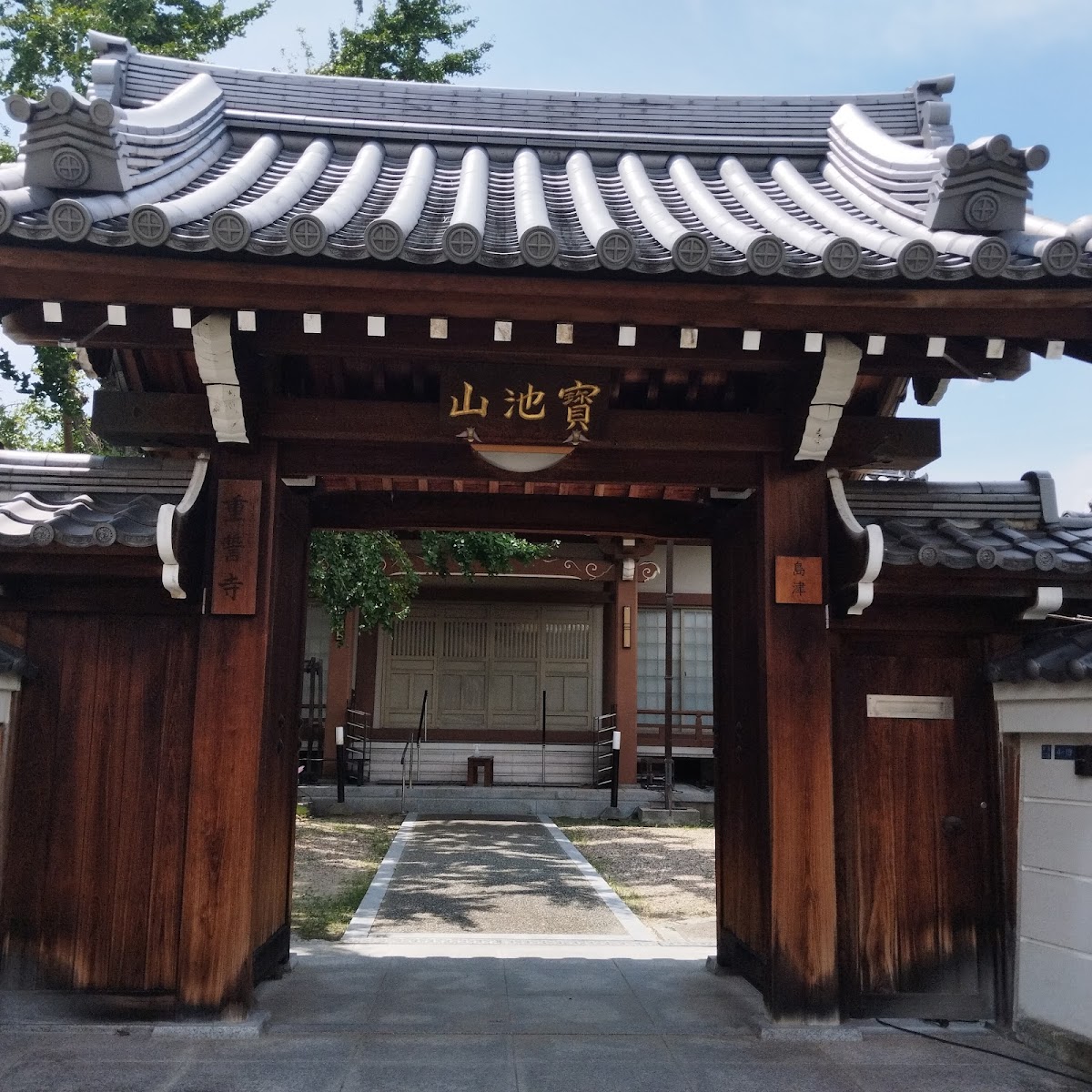
The temple gate of Jūsei-ji Temple plays an important role as the face of the temple. In most cases, it is built as a wooden four-legged gate or in the Yakui-mon style, with a tiled roof. A plaque bearing the temple’s mountain name is displayed on the gate, guiding visitors into the sacred grounds.
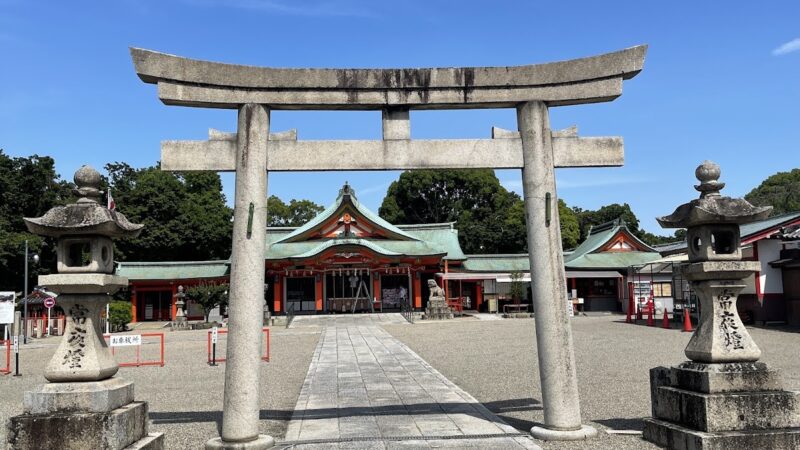
After passing through the temple gate, the path leads to the main hall. Stone lanterns and a water basin are placed on both sides of the path, allowing visitors to purify themselves before proceeding to the main hall. The atmosphere of the temple grounds changes with the seasons; cherry blossoms in spring and autumn leaves in fall delight visitors.
Structure and Interior of the Main Hall
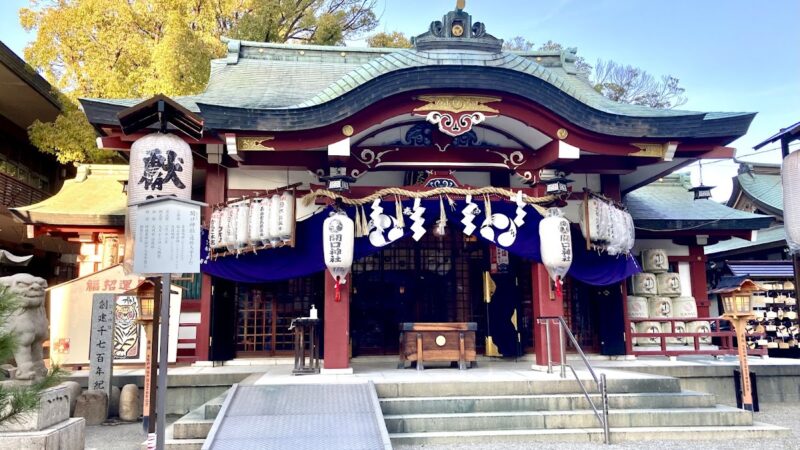
The main hall is the central building of Jūsei-ji Temple and houses the principal image, a statue of Amida Buddha. The wooden main hall follows traditional temple architectural styles, often featuring hip-and-gable or gable roofs.
The interior of the main hall is divided into an inner and outer sanctuary. The inner sanctuary houses the principal image and other Buddhist statues. The outer sanctuary is a seating area for worshippers, where many believers gather during religious services and prayers. The ceilings and pillars sometimes feature intricate carvings, showcasing the excellent craftsmanship of the Edo period.
Other Temple Facilities
The bell tower stands in a corner of the temple grounds and houses a bell that signals the time of day. On New Year’s Eve, local residents gather to ring the bell 108 times, a tradition that continues to this day.
The Kuri (monk’s quarters) serves as the living space for the head priest and temple family, as well as housing the temple’s administrative functions. Some temples have a guest hall, which is used for memorial services and meetings. Behind the temple grounds is a cemetery where the ancestral graves of the temple’s parishioners are located.
Cultural Properties and Treasures of Jūsei-ji Temple
Jūsei-ji Temple houses valuable cultural properties and treasures accumulated over its long history since its founding. These are important historical materials that tell the story of the temple and are also valuable as regional cultural heritage.
Buddhist Statues and Paintings
The principal image, the Amida Buddha statue, is the central object of worship at Jūsei-ji Temple. In most cases, it is a wooden seated or standing statue, adorned with gold leaf, giving it a magnificent appearance. Many date from the Edo period, showcasing the excellent craftsmanship of the Buddhist sculptors of that time.
In addition to the principal image, there are sometimes statues of Kannon Bodhisattva and Seishi Bodhisattva as attendant figures. Furthermore, various Buddhist statues, such as Jizo Bodhisattva and Fudo Myoo, are enshrined within the temple grounds and main hall, each serving as an object of worship.
Regarding Buddhist paintings, the temple sometimes possesses works such as Amida Raigo (paintings of Amida Buddha welcoming the deceased) and Pure Land Mandalas. These are displayed as hanging scrolls during Buddhist ceremonies, visually representing the Pure Land and serving to deepen the faith of believers.
Ancient Documents and Records
Juseiji Temple houses ancient documents that record the temple’s history since its founding. These include documents concerning the temple’s founder, donation documents for temple lands, and letters detailing correspondence with the head temple, representing valuable historical materials from the Edo to Meiji periods.
These ancient documents are important resources not only for understanding the temple’s history but also for understanding the local history and social conditions. For example, the temple’s register of parishioners records the names and death dates of people at the time, making it a valuable source of information for studying local demographics and family lineages.
Crafts and Furniture
The Buddhist implements and ritual objects used in ceremonies are also important cultural assets of Juseiji Temple. The gilded bronze incense burners, vases, and candlesticks feature intricate decorations, demonstrating the high level of metalworking skill during the Edo period. Furthermore, the wooden fish drums, gongs, and chimes have developed unique tones through years of use.
Many temple bells have inscriptions indicating their casting date and the names of their donors, providing clues to the temple’s history. While some bells were lost due to metal requisitioning during the war, those recast after the war are still carefully used today.
Annual Events and Ceremonies at Jūsei-ji Temple
Jūsei-ji Temple, as a Jōdo-shū temple, holds various annual events and ceremonies. These events support the religious lives of the parishioners and also play a role in preserving the traditional culture of the region.
Major Annual Events
At the start of the new year, the Shūshō-e ceremony is held to pray for peace throughout the year and the happiness of the parishioners. During the spring and autumn equinox ceremonies, memorial services for ancestors are held, and many parishioners visit to pay their respects. During the Obon season, the Urabon-e ceremony is held to welcome and honor the spirits of ancestors.
Around April 25th, the anniversary of Honen Shonin’s death, the Founder’s Birthday and Memorial Services are sometimes held. These services include rituals praising Honen Shonin’s teachings and commemorating the merits of chanting the Buddha’s name.
Monthly Services and Dharma Talks
Many Jūsei-ji temples hold monthly services and Dharma talks. On the anniversary of Honen Shonin’s death each month, a chanting service is held in the main hall, and the head priest gives a Dharma talk. These gatherings provide opportunities for parishioners to engage with Buddhist teachings and deepen their faith.
Dharma talks provide easy-to-understand explanations of the doctrines of the Jōdo sect and the basic teachings of Buddhism. Practical content, such as the significance of Buddhism in modern society and ways to practice faith in daily life, is often discussed and is well-received by participants.
Access and Visiting Information for Jūsei-ji Temple
When visiting Jūsei-ji Temple, it is recommended to check access methods and visiting hours in advance.
Transportation Access
Access to Jūsei-ji Temple varies depending on its location, but in most cases, it is within walking distance from the nearest station. For Jūsei-ji Temples in Tokyo, it is often about a 10 to 15 minute walk from a subway or JR line station.
If visiting by car, some temples have parking facilities, but parking spaces may be limited at temples in urban areas. During religious services and events, the use of public transportation is recommended.
Visiting Hours and Viewing
Visiting Jūsei-ji Temple is generally possible during daytime hours. However, opening and closing times vary depending on the temple, so it is recommended to check in advance. While viewing the interior of the main hall is usually free, there may be restrictions during religious services or special periods.
If you wish to have a special viewing or to see cultural properties, you must contact the temple in advance and obtain permission. Addresses and phone numbers can be found on each temple’s website or in local tourist information.
Manners and Etiquette for Visiting Temples
When visiting Jūseiji Temple, it is important to observe basic temple etiquette. Bow before passing through the temple gate, purify your hands and mouth at the water basin, and then proceed to the main hall. Inside the main hall, quietly join your hands in prayer and chant “Namu Amida Butsu” (Homage to Amida Buddha).
Regarding photography, while exterior photography of the temple grounds is generally permitted, photography inside the main hall and of Buddha statues is often prohibited. Please follow the temple’s notices and the instructions of the staff regarding photography.
Jūseiji Temple’s Relationship with the Local Community
Jūseiji Temple has existed not merely as a religious facility, but also through deep ties with the local community.
The Danka System and Local Community
Through the Danka system, which has been in place since the Edo period, Jūseiji Temple has maintained strong ties with local residents. While temple parishioners have provided financial support to temples, temples have traditionally offered spiritual support by performing ancestral rites and various memorial services for their parishioners.
This relationship generally continues today, but with urbanization and the rise of nuclear families, the relationship between parishioners and temples is changing. Many temples maintain the traditional parishioner system while also opening their doors to people outside the parish, becoming more open to the community.
Cultural Activities and Social Contribution
Juseiji Temple engages in various cultural and social contribution activities in addition to religious activities. An increasing number of temples are playing a role as cultural hubs in the community, holding sutra copying sessions and Buddhist lectures, and providing venues for concerts and exhibitions.
Furthermore, they are undertaking initiatives that meet the needs of modern society, such as monitoring the elderly, supporting childcare, and functioning as evacuation shelters during disasters. Through these activities, Juseiji Temple continues to play an important role in the local community.
Characteristics of Juseiji Temple as a Jodo Sect Temple
Juseiji Temple, as a Jodo Sect temple, transmits the unique doctrines and practices of the sect.
The Teachings of the Jodo Sect and Nembutsu
The Jodo Sect is a Buddhist sect founded by Honen Shonin (1133-1212). Honen Shonin taught that anyone can attain rebirth in the Pure Land through the power of Amida Buddha’s vow by chanting “Namu Amida Butsu.” This teaching, which does not require difficult ascetic practices or scholarship, was widely accepted as a path to equal salvation for all.
At Jūsei-ji Temple, this teaching of Nembutsu is central. Nembutsu is chanted during daily services and repeated during religious ceremonies. By chanting Nembutsu in their daily lives, parishioners attain peace of mind and walk the path to rebirth in the Pure Land.
Relationship with the Head Temple
The head temple of the Jodo Sect is Chion-in Temple in Kyoto, and Jūsei-ji Temple also reveres Chion-in Temple as its head temple. The head priest regularly visits the head temple and participates in training sessions and meetings within the sect. Furthermore, during important religious ceremonies, a high-ranking priest from the head temple is sometimes invited to officiate.
While the positioning and status within the sect vary from temple to temple, Jūsei-ji plays a crucial role as a center of the Jōdo sect in the region.
Jūsei-ji’s Present and Future Prospects
In modern society, Jūsei-ji faces various challenges while exploring new possibilities.
Challenges in the Modern Era
Due to the declining birthrate, aging population, and increasing urbanization, many temples face challenges such as a decrease in the number of parishioners and a lack of successors. Securing funds for the preservation of aging buildings and cultural properties is also a major challenge.
In this context, Jūsei-ji is not only relying on the traditional parishioner system but is also working to acquire new followers and secure revenue sources. An increasing number of temples are opening parts of their grounds to community activities or utilizing them as tourist resources.
New Initiatives and Possibilities
Many Jūsei-ji temples are focusing on disseminating information using the internet and social media. Some temples have launched websites to introduce their history and events, and others are broadcasting Dharma talks online.
Furthermore, an increasing number of temples are offering courses that make Buddhism easy to understand, as well as experiential programs such as Zen meditation and sutra copying, as part of their efforts to familiarize younger generations with Buddhism. Through these activities, Jūsei-ji temples are reaffirming the significance of Buddhism in modern society and aiming to pass on their faith in new forms.
Summary – Historical Value and Contemporary Significance of Jūsei-ji Temple
For hundreds of years since its founding, Jūsei-ji Temple has played a vital role as a spiritual pillar of the local community. Its history of surviving while adapting to changing times, from its founding in the Edo period to the transformations of the Meiji era and up to the present day, represents a part of Japanese temple culture.
The cultural properties and buildings it houses are valuable legacies that convey past forms of faith to the present day, and are also important resources for understanding the history of the region. The statue of Amida Buddha enshrined in the main hall and the ancient buildings remaining on the temple grounds speak volumes to us, representing the culmination of the faith and skill of our ancestors.
Even today, Jūsei-ji Temple functions not merely as a historical site, but as a living place of faith. Through annual events and memorial services, it supports the religious lives of its parishioners and serves as a hub for the local community. Furthermore, it seeks new forms of engagement with society through cultural activities and social contributions.
Despite facing challenges unique to modern society, such as a declining birthrate, an aging population, and diversifying values, Jūsei-ji Temple continues to uphold the essential teachings of Buddhism while developing activities that are relevant to the times. The Jōdo-shū faith, centered on the teachings of Nembutsu (recitation of Amida Buddha’s name), remains significant, offering peace of mind and guidance for modern people.
When visiting Jūsei-ji Temple, we recommend quietly contemplating it not merely as a tourist destination, but as a place of faith and culture cultivated over a long history. Passing through the temple gate, soaking up the atmosphere of the grounds, and offering prayers in the main hall, you can experience a tranquil moment away from the hustle and bustle of modern society.
Juseiji Temple will continue to walk alongside the local community, a tradition of faith that has continued from the past to the present and into the future. Understanding, cherishing, and passing on its history and traditions is our responsibility as those living in the modern age.