Complete Guide to Higashi-Kozu Shrine (Osaka Prefecture) | History, Benefits, and Access to Moto-Kozu Shrine, Dedicated to Emperor Nintoku
Higashi-Kozu Shrine, located in Higashi-Kozu-cho, Tennoji-ku, Osaka City, is a historic shrine dedicated to Emperor Nintoku, the 16th Emperor of Japan. Also known as “Moto-Kozu,” this shrine has been cherished by locals as a sacred place for praying for peace and tranquility. This article provides a detailed explanation of Higashi-Kozu Shrine’s history, enshrined deities, highlights of the grounds, benefits, goshuin (shrine seals), and access information.
History and Origins of Higashi-Kozu Shrine
Origins and Ancient Names
The exact year of Higashi-Kozu Shrine’s founding is unknown due to the loss of ancient documents, but it has long been known as “Nintoku-tenno-sha” or “Hirano-sha.” Old maps show it as “Nintoku-tenno-omiya-ato Hirano-sha,” and there is a theory that it is the site of Emperor Nintoku’s imperial palace. In 1898 (Meiji 31), a survey report by Osaka Prefecture pointed out the possibility that this site was the imperial residence of Emperor Nintoku.
History of Relocation
The history of Higashi-Takatsu Shrine involves several relocations. Originally, it is believed to have been located south of Ikukunitama Shrine, but there is a theory that it was moved to its current location during the construction of Osaka Castle by Toyotomi Hideyoshi. Later, in 1932 (Showa 7), it was forced to relocate again due to the expansion of Kintetsu Uehonmachi Station.
The shrine building was destroyed in the Great Osaka Air Raid during World War II, but after post-war reconstruction, the current shrine building was rebuilt in 1967 (Showa 42). This reconstruction speaks to the deep faith and reverence of the local residents for Emperor Nintoku.
Shrine Rank After the Meiji Restoration
After the Meiji Restoration, with the establishment of the shrine system, the shrine’s name was changed from the previous names “Nintoku Tenno Shrine” and “Hirano Shrine” to “Higashi Takatsu-no-miya.” In 1872 (Meiji 5), it was designated a village shrine, establishing its status as a formal shrine. Although its former rank was village shrine, it played an important role as a center of faith in the region.
Deity and Benefits
Main Deity: Emperor Nintoku
The main deity of Higashi Takatsu-no-miya is Emperor Nintoku, the 16th Emperor of Japan. Emperor Nintoku is known as the emperor who moved the capital to Naniwa Takatsu-no-miya and laid the foundation for the development of Osaka. He is buried in the largest burial mound in Japan (Emperor Nintoku’s Mausoleum, now called Daisenryo Kofun) in Sakai City, and his reign is remembered as a “benevolent rule.”
Emperor Nintoku is famous for the anecdote of the “People’s Hearth,” in which he exempted his people from taxes for three years after seeing that no smoke rose from their hearths. This anecdote symbolizes Emperor Nintoku’s compassionate heart and he is revered as a god who brings peace and tranquility.
Enshrined Deity: Iwanohime-no-Mikoto
Higashi-Takatsu Shrine also enshrines Iwanohime-no-Mikoto, the empress of Emperor Nintoku. While there are stories of Iwanohime-no-Mikoto as a jealous empress, she is also worshipped as a guardian deity of fertility, safe childbirth, and child-rearing.
Benefits of Higashi-Takatsu Shrine
The main benefits that can be received at Higashi-Takatsu Shrine are as follows:
- Peace and Tranquility: In honor of Emperor Nintoku’s benevolent rule, prayers for peaceful days are believed to be answered.
- Fertility, Safe Childbirth, and Child-rearing: Visitors pray for the prosperity of their families under the protection of Iwanohime-no-Mikoto.
- Good Fortune and Prosperity: Prayers can be offered for improved luck, drawing on the prosperity of Emperor Nintoku’s reign.
- Protection from Misfortune: Prayers are offered for protection from disaster and safeguarding a peaceful life.
Benefits of Subsidiary Shrines
There are also subsidiary shrines within the grounds, each offering different benefits:
- Prayers for Success in Exams and Academic Achievement: There is a subsidiary shrine dedicated to the god of learning, attracting many students and those preparing for exams.
- Abundant Harvest and Business Prosperity: There is also a subsidiary shrine where prayers for the prosperity of industry and business can be offered.
Highlights of the Shrine Grounds
Main Shrine
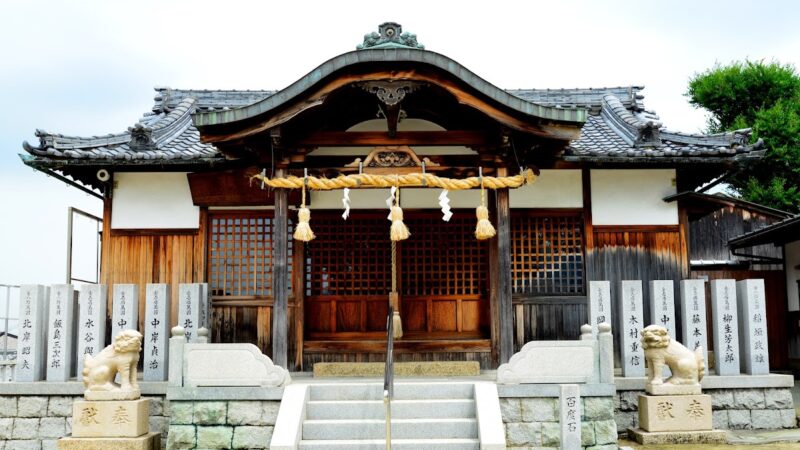
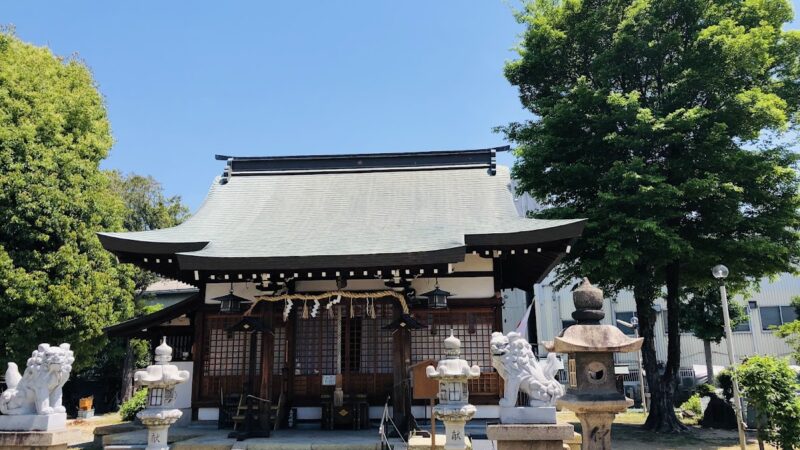
Rebuilt in 1967, the main shrine is cherished by the local community as a symbol of post-war reconstruction. Although constructed of reinforced concrete, it adheres to the traditional style of shrine architecture, creating a solemn atmosphere. Both the main hall and the worship hall are kept clean, warmly welcoming visitors.
Subsidiary Shrines
Several subsidiary shrines are enshrined within the grounds, each with its own unique characteristics. These shrines demonstrate the diversity of faith at Higashi-Takatsu-gu Shrine and serve as a place to receive the various wishes of the local people. When visiting, it is recommended to visit not only the main hall but also the subsidiary shrines and pay your respects to each deity.
Atmosphere of the Shrine Grounds
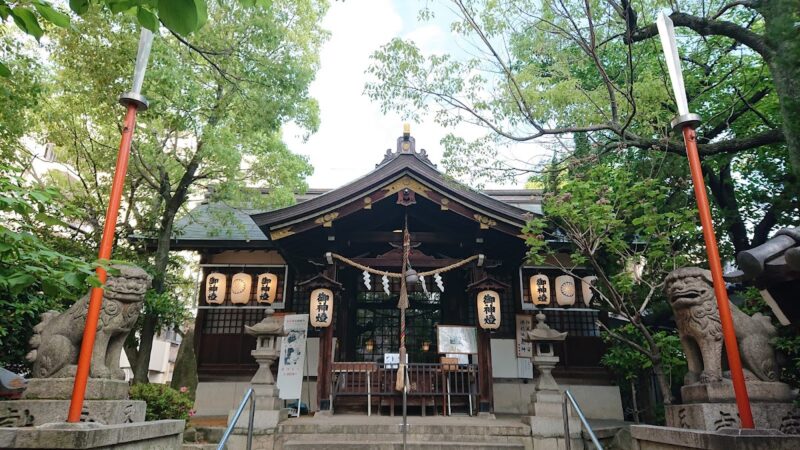
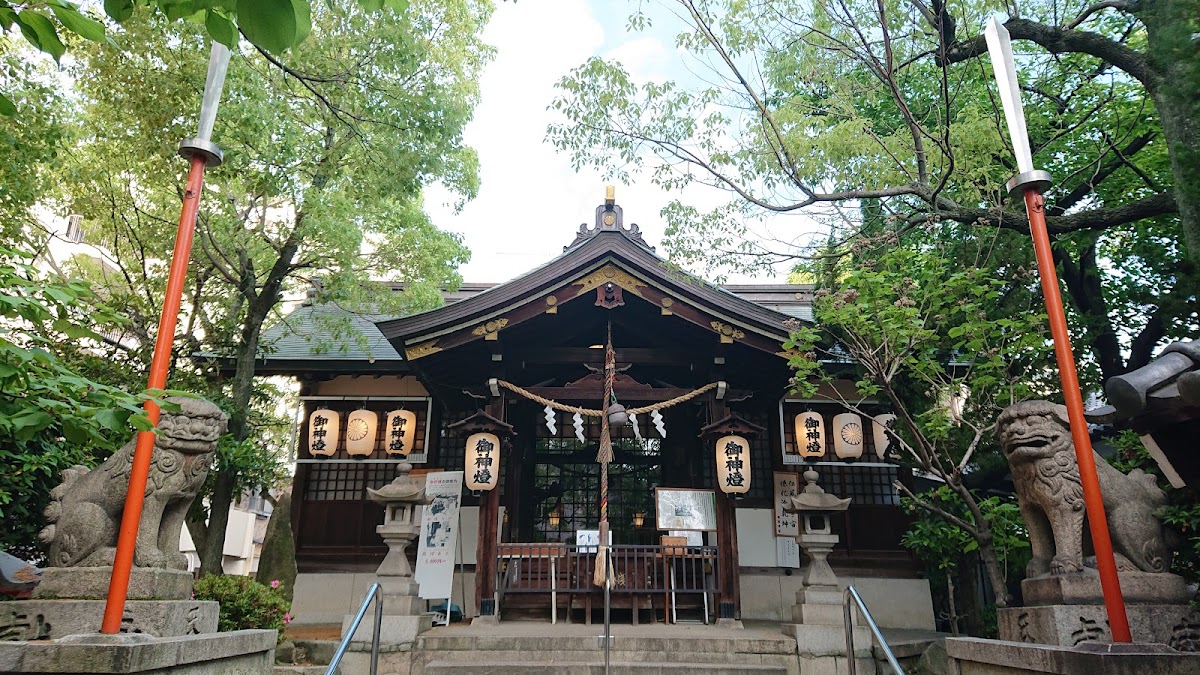
Despite being located in the bustling Uehonmachi area in the heart of Osaka, stepping onto the shrine grounds envelops you in a tranquil atmosphere. Despite its location surrounded by buildings, the lush green grounds serve as an urban oasis, offering peace of mind to visitors. ### Cherry Blossom Festival
At Higashi-Takatsu Shrine, a cherry blossom festival is held every spring. The cherry blossoms in the shrine grounds and surrounding area bloom beautifully, attracting many worshippers and local residents. During cherry blossom season, a special atmosphere permeates the air, celebrating the arrival of spring while commemorating the benevolent rule of Emperor Nintoku. Various events are held during the cherry blossom festival, making it a community gathering place.
Prayers and Offerings
About Prayers
Higashi-Takatsu Shrine accepts various prayers. Prayers can be offered for life’s milestones and wishes, such as safe childbirth, first shrine visit for a newborn, Shichi-Go-San (a traditional Japanese rite of passage for children), protection from evil, and business prosperity. Those wishing to receive prayers are advised to contact the shrine office in advance. Especially during New Year’s and festival periods, crowds are expected, so it’s best to plan ahead.
Goshuin (Shrine Seal)
Higashi-Takatsu Shrine offers Goshuin as proof of worship. The carefully handwritten goshuin (temple/shrine stamps) are a popular memento of their visit. Even those without a goshuincho (stamp book) can receive an original Higashi-Takatsu-gu shrine goshuincho. The designs are inspired by Emperor Nintoku and the shrine’s history, making them valuable collector’s items.
Amulets and Souvenirs
The shrine office offers a variety of amulets and souvenirs. Amulets are available for various blessings, such as peace and tranquility, fertility, safe childbirth, and academic success. Ema (votive tablets) and talismans are also available, which can be used for prayers at home or enshrined on a household altar.
Annual Events and Festivals
Main Annual Events
At Higashi-Takatsu Shrine, various festivals and events are held throughout the year:
- New Year’s Day Festival: The first shrine visit of the year, praying for happiness in the new year, is bustling with many worshippers.
- Setsubun Festival: Events such as bean-throwing are held, and prayers are offered for protection against evil.
- Cherry Blossom Festival: A festival celebrating the arrival of spring, when the cherry blossoms in the shrine grounds are in full bloom.
- Annual Festival: The most important festival of the shrine, offering gratitude and reverence to Emperor Nintoku.
- Shichi-Go-San: In autumn, the shrine is bustling with Shichi-Go-San visits celebrating the growth of children.
- Great Purification Ceremony: The Great Purification Ceremony, held in June and December, cleanses away the sins and impurities accumulated over the past six months.
Characteristics of Festivals
The festivals at Higashi-Takatsu Shrine are characterized by their warmth and deep connection to the local community. Although not large in scale, the shrine holds heartfelt festivals supported by the deep faith of its parishioners and devotees.
Relationship between Higashi-Takatsu-gu and Takatsu-gu
Meaning of “Moto-Takatsu”
Higashi-Takatsu-gu is also called “Moto-Takatsu.” This indicates its historical relationship with Takatsu-gu, located in Chuo-ku, Osaka City. While Takatsu-gu holds a higher rank as a prefectural shrine (now a specially designated shrine), Higashi-Takatsu-gu has also attracted its own unique devotion as an important shrine dedicated to Emperor Nintoku.
Differences between the two shrines
Takatsu-gu is a larger shrine, with Emperor Nintoku as its main deity, and his grandfather Emperor Chuai, grandmother Empress Jingu, and father Emperor Ojin enshrined on the left, while his consort Empress Ashihime and eldest son Emperor Richu are enshrined on the right. On the other hand, Higashi-Takatsu-gu has developed as a community-oriented shrine, primarily dedicated to Emperor Nintoku and Iwanohime-no-Mikoto.
Visiting both shrines will deepen your faith in Emperor Nintoku. Since they are only about a 15-minute walk apart, we recommend visiting both if you have the time.
Access and Visiting Information
Location
Address: 4-8 Higashi-Takatsu-cho, Tennoji-ku, Osaka City, Osaka Prefecture
Higashi-Takatsu Shrine is located in the Uehonmachi area of Tennoji-ku, Osaka City. It is near facilities such as Kintetsu Department Store Uehonmachi and Takatsu Garden, making it easily accessible despite being in the city center.
Access by Train
Nearest Station:
- Kintetsu Osaka Line/Nara Line “Osaka Uehonmachi Station”: Approximately 4 minutes on foot from Exit 11
- Osaka Metro Sennichimae Line/Tanimachi Line “Tanimachi 9-chome Station”: Approximately 5 minutes on foot from Exit 7
Both stations are within a 5-minute walk, making it very convenient to visit using public transportation. It’s easily accessible from major areas of Osaka City, making it a convenient stop during sightseeing.
Parking
Higashi-Takatsu Shrine does not have its own parking lot. If you are visiting by car, you will need to use a nearby coin-operated parking lot. There are several parking lots in the Uehonmachi area, but congestion is expected, especially on weekends and during festivals, so using public transportation is recommended.
Visiting Hours
While visiting the shrine grounds is generally free, the shrine office is open from 9:00 AM to approximately 5:00 PM. Those wishing to receive a Goshuin (shrine stamp), amulet, or receive prayers should visit within these hours.
Etiquette for Visiting Shrines
Please observe basic shrine etiquette when visiting a shrine:
- Bow before passing through the torii gate: This is a courtesy when entering the sacred area.
- Purify yourself at the water basin: Purify your left hand, then your right hand, then your mouth.
- Avoid the center of the path: The center is considered the path of the gods.
- Two bows, two claps, one bow: This is the basic etiquette in front of the main hall.
- Worship quietly: Maintain silence within the shrine grounds.
Nearby Attractions
The Charm of the Uehonmachi Area
The Uehonmachi area, where Higashi-Takatsu Shrine is located, is a fascinating area where Osaka’s history and modernity blend. You can enjoy shopping at Kintetsu Department Store Uehonmachi, attending events at Takatsu Garden, and more, in conjunction with your visit to the shrine.
Nearby Temples and Shrines
There are many other historical temples and shrines scattered around Higashi-Takatsu Shrine. Many of Osaka’s most representative temples and shrines, such as Ikukunitama Shrine, Shitennoji Temple, and Isshinji Temple, are within walking distance or a few train stops away, making them easy to incorporate into your temple and shrine pilgrimage route.
Restaurants and Gourmet Food
Around Uehonmachi, you’ll find a diverse range of restaurants, from long-established Japanese restaurants to modern cafes. Enjoying local cuisine after your visit is highly recommended. In particular, there are many shops serving Osaka’s famous takoyaki and okonomiyaki, which are popular with tourists.
Summary of Higashi-Takatsu Shrine’s Charms
Higashi-Takatsu Shrine, located in the heart of Osaka’s Tennoji Ward, is a valuable shrine that conveys the benevolent rule of Emperor Nintoku. Known as “Moto-Takatsu” since ancient times, it has attracted local faith and, after recovering from war damage, continues to bestow blessings of peace and tranquility upon many visitors.
While the shrine grounds are not particularly large, they offer a serene space away from the hustle and bustle of the city, providing peace of mind to visitors. As a shrine that grants various wishes such as fertility, safe childbirth, child-rearing, and academic success, it attracts not only locals but also worshippers from far away.
Conveniently located within a 5-minute walk from Osaka Uehonmachi Station and Tanimachi 9-chome Station, it’s easy to stop by between sightseeing and shopping. When you visit Osaka, why not visit Higashi-Takatsu Shrine, experience the benevolence of Emperor Nintoku, and offer a prayer for peaceful days?
With its goshuin (shrine stamps), seasonal events, and beautiful cherry blossoms, Higashi-Takatsu Shrine offers new discoveries with every visit. It’s a hidden gem where you can feel the history and culture of Osaka, and a shrine I highly recommend to many.