Complete Guide to Kunijima Shrine (Osaka Prefecture): History, Benefits, Access, and Highlights
Kunijima Shrine, located in Kunijima, Higashiyodogawa Ward, Osaka City, is a historical shrine deeply rooted in the community and has long been cherished by local residents. Situated in a quiet residential area along the Yodo River, the shrine offers a tranquil atmosphere away from the hustle and bustle of the city, providing peace and tranquility to visitors.
This article provides detailed information you should know before visiting Kunijima Shrine, from its historical background and enshrined deities to its benefits, highlights within the grounds, access methods, and annual events.
Basic Information about Kunijima Shrine
Official Name: Kunijima Shrine
Location: Kunijima, Higashiyodogawa-ku, Osaka City, Osaka Prefecture
Main Deity: Susanoo-no-Mikoto
Shrine Rank: Village Shrine
Founding: Details unknown (estimated to be before the Edo period)
Kunijima Shrine has played a central role in the local community as the guardian deity of the Kunijima area in Higashiyodogawa-ku, Osaka City.
History and Origins of Kunijima Shrine
Origin of the Place Name Kunijima
The place name Kunijima is said to originate from the fact that this area was once located on a sandbar or riverbank of the Yodo River, and was overgrown with brushwood (shiba). The reading “Kunijima” was also written as “国島” in ancient times, indicating that this area played an important role as a key point for water transport.
Founding and Development of the Shrine
The exact founding date of Shibajima Shrine is unknown due to the loss of historical documents. However, based on local traditions and the surrounding historical context, it is believed to have been established at least before the Edo period.
The Yodo River basin has a long history of battling floods, and Shibajima Shrine has been revered as a deity of water and protection against disease. In particular, the main deity, Susanoo-no-Mikoto, is known as a god of protection against misfortune and disease, and has been worshipped as a protector of the safety and health of local residents.
Changes Since the Modern Era
Due to the reform of the shrine system during the Meiji era, Shibajima Shrine was ranked as a village shrine. Subsequently, the surrounding environment changed significantly with the urbanization of Osaka, but the shrine has continued to be preserved as a spiritual center for the community to this day.
During the post-war period of rapid economic growth, the Shibajima area also developed as a residential area, and the shrine has functioned as a place for interaction between new and old residents.
Deities and Blessings
Main Deity: Susanoo-no-Mikoto
The main deity of Shibajima Shrine is Susanoo-no-Mikoto, a figure from Japanese mythology. Susanoo-no-Mikoto is the younger brother of Amaterasu-Omikami and is known as a fierce yet powerful god.
Divine Aspects of Susanoo-no-Mikoto:
- God of protection against misfortune and disaster
- God of protection against epidemics
- God of agriculture
- God of waka poetry
- God of matchmaking
Susanoo-no-Mikoto is famous for the myth of slaying the Yamata no Orochi (eight-headed serpent) in Izumo Province and rescuing Kushinada-hime. From this myth, he is worshipped as a god possessing both the strength to overcome difficulties and the compassion to protect people.
Main Benefits of Shibajima Shrine
- Protection from Misfortune and Disaster: The immense power of Susanoo-no-Mikoto protects against all kinds of misfortunes.
- Exorcism and Healing: Wards off disease and protects health.
- Family Safety: Protects the safety and peaceful life of family members.
- Business Prosperity: Watches over the development of local commerce and industry.
- Matchmaking: Brings good relationships and smooths interpersonal relationships.
- Traffic Safety: Prayers for safe travels, based on the shrine’s history of protecting the Yodo River’s water transport.
Highlights of the Shrine Grounds
Main Hall and Worship Hall
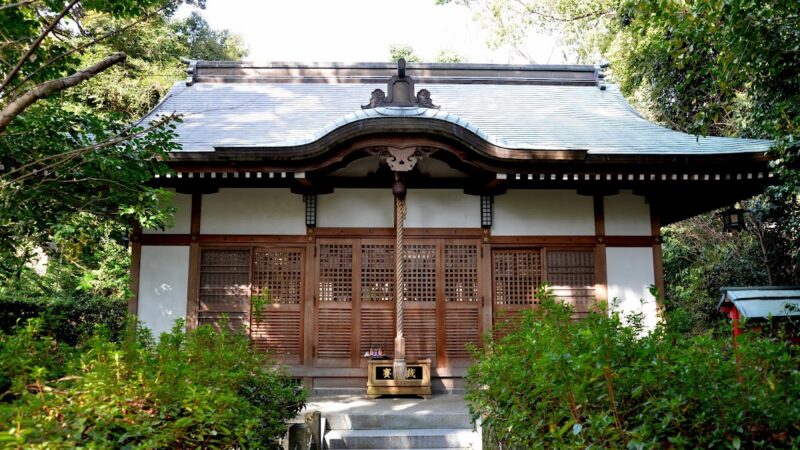
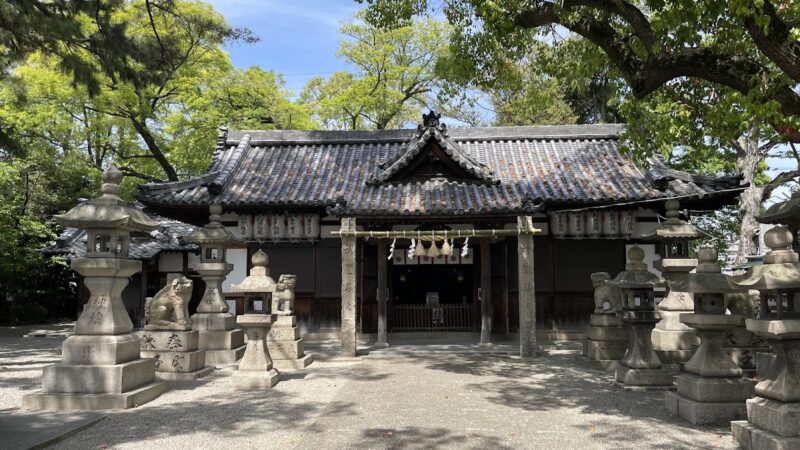
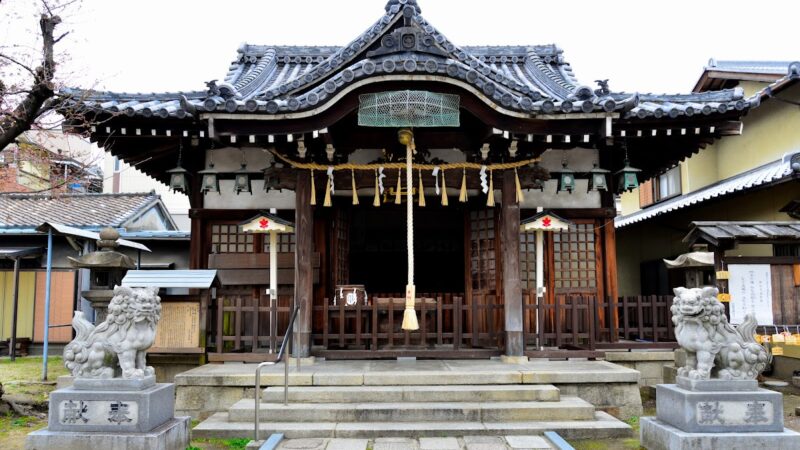
The main hall of Shibajima Shrine is built in the traditional style of shrine architecture. While not large in scale, the carefully maintained shrine reflects the deep faith of the local people in the shrine.
At the worship hall, local residents can be seen quietly offering prayers every day.
Shrines within the Precincts
Within the grounds of Shibajima Shrine, there may be several smaller shrines (subsidiary shrines/outlying shrines). Each of these small shrines offers specific blessings and attracts local devotion.
Komainu (Guardian Dogs) and Stone Monuments
Within the shrine grounds are various donated guardian dog statues and stone monuments. Some of these stone structures have the date of their donation inscribed on them, making them valuable historical documents that tell the story of the shrine.
Sacred Trees and Natural Environment
The shrine grounds are home to many ancient trees, creating a lush green space despite its urban location. The changing natural scenery throughout the seasons is one of the pleasures of visiting the shrine.
Annual Events and Festivals
Shibajima Shrine holds various Shinto rituals and festivals throughout the year.
Main Annual Events
January: First Shrine Visit of the Year/New Year’s Day Festival
As the new year begins, the shrine is bustling with worshippers praying for good health and safety for their families throughout the year. February: Setsubun Festival
Beans are scattered to ward off evil spirits and invite good fortune. This is an important event related to the divine virtue of Susanoo-no-Mikoto, who wards off evil.
July: Summer Festival
As a local summer festival, there may be a portable shrine procession and offering ceremonies. It is an opportunity to deepen the bonds of the local community.
October: Autumn Festival (Grand Festival)
This is the most important festival of the year, celebrating the founding of the shrine and giving thanks for the prosperity of the region and a bountiful harvest.
November: Shichi-Go-San Ceremony
A visit to celebrate the growth of children and pray for their healthy development.
December: Great Purification Ceremony
A Shinto ritual to purify oneself of the impurities of the year and welcome the new year with a fresh start.
*Specific dates and content may change from year to year, so it is recommended to check before visiting.
Access Methods
Access by Train
Shibajima Shrine is most easily accessible by public transportation.
From Hankyu Kyoto Line “Sozenji Station”
- Approximately 10-15 minutes on foot
- Sozenji Station is the nearest station.
From Hankyu Senri Line “Shibajima Station”
- Approximately 10-15 minutes on foot
- Shibajima Station is also accessible.
From JR Tokaido Main Line “Higashiyodogawa Station”
- Approximately 20 minutes on foot, or by bus.
Access by Bus
If using Osaka City Buses, take a bus route that passes through the Shibajima area and walk from the nearest bus stop.
Access by Car
From Major Roads:
- Approximately 10 minutes from the Toyosato Exit of the Hanshin Expressway Route 12 Moriguchi Line
- From National Route 479 (Inner Ring Road), head towards Shibajima
Parking:
Parking at the shrine may be limited, so we recommend using public transportation. If you are visiting by car, please use nearby coin-operated parking lots.
Manners and Etiquette for Visiting Shrines
When visiting Shibajima Shrine, please observe basic shrine visiting manners.
Basic Worship Etiquette
- Bow before passing through the torii gate: Bow as a sign of respect before entering the sacred area.
- Purify yourself at the water basin: If there is a water basin, purify your hands and mouth.
- Avoid walking in the center of the path: The center of the path is considered the path of the gods.
- Etiquette in front of the main hall: Two bows, two claps, and one bow are the basics.
- Be quiet in the shrine grounds: Be mindful that this is a sacred place and worship quietly.
Water Basin Etiquette
- Hold the ladle in your right hand and purify your left hand.
- Switch the ladle to your left hand and purify your right hand.
- Switch the ladle back to your right hand, receive water in your left hand, and rinse your mouth.
- Purify your left hand once more.
- Stand the ladle upright and purify the handle.
- Return the ladle to its original position.
Regarding Goshuin (Shrine Seals):
While some shrines offer Goshuin, we recommend contacting Shibajima Shrine directly regarding their availability.
Small shrines may not have resident priests, so it’s advisable to check in advance if you wish to receive a Goshuin.
Nearby Attractions and Tourist Spots
When visiting Shibajima Shrine, why not also explore the surrounding tourist spots?
Yodogawa Riverbank
The Yodogawa Riverbank, which flows very close to the Shibajima area, is an ideal spot for strolling, jogging, and cycling. Enjoy the spacious environment and the changing seasons.
Other Shrines and Temples in Higashiyodogawa Ward
Higashiyodogawa Ward also has many other historical shrines and temples. Enjoy a shrine pilgrimage.
Access to Tourist Attractions in Osaka City
Higashiyodogawa Ward, where Shibajima Shrine is located, offers good access to major tourist attractions in Osaka City. You can easily travel to Umeda and Shin-Osaka by train in a short time.
History and Culture of the Shibajima Area
History Alongside the Yodo River
The Shibajima area has developed while facing both the blessings and threats of the Yodo River. Agriculture and fishing once thrived, and it also flourished as a transportation hub utilizing the Yodo River’s waterways.
The Struggle Against Floods
The Yodo River basin has historically been hit by floods many times. The faith in Shibajima Shrine embodies the residents’ earnest wish for protection from such floods.
Modernization and Regional Transformation
Since the Meiji era, and especially during the post-war period of rapid economic growth, the Shibajima area underwent rapid urbanization. While farmland and riverside landscapes transformed into residential areas, Shibajima Shrine continues to exist as a spiritual center for the community.
Local Community and the Shrine
Parishioner Organization and Shrine Maintenance
Shibajima Shrine is supported by the local parishioner organization. The dedicated service of the parishioners ensures the cleaning and maintenance of the shrine grounds, as well as the operation of festivals.
As the Center of Local Events
The shrine functions not only as a place of worship, but also as a place where local residents gather and interact. Through festivals and events, intergenerational community bonds are fostered.
Harmony Between Old and New Residents
While urbanization has led to an increase in new residents, the shrine’s events and activities foster interaction between long-time and new residents, cultivating a sense of community unity.
Notes on Visiting the Shrine
Visiting Hours
The shrine grounds are generally open all day, but the shrine office’s operating hours may be limited. If you wish to receive prayers or a Goshuin (shrine stamp), it is recommended to check in advance.
Regarding Attire
While everyday clothing is acceptable for visiting the shrine, please be mindful that it is a sacred place and avoid overly casual or revealing attire.
Regarding Photography
Photography is generally permitted within the shrine grounds, but restrictions may apply inside the main hall or during religious ceremonies. Please check with shrine staff if you have any questions.
Regarding Offerings
If you wish to bring personal offerings, please follow the shrine’s policy. Generally, offerings are placed in the offering box.
What You Can Receive at Shibajima Shrine
Amulets and Lucky Charms
Shibajima Shrine may offer various amulets and lucky charms. You can choose an amulet according to your purpose, such as protection from evil, family safety, or traffic safety.
Ofuda (Talismans)
Ofuda for enshrining in your home’s household shrine are also available. Ofuda are believed to house a divided spirit of the deity and symbolize welcoming the deity into your home.
Ema (Votive Tablets)
Many shrines provide ema, or votive tablets, on which you can write your wishes and offer them to the gods. Entrust your wishes to an ema and send them to the gods.
Seasonal Charms of Shibajima Shrine
Spring (March-May)
The trees in the shrine grounds are enveloped in fresh greenery, a season full of vitality. If cherry trees are planted, you can also enjoy cherry blossom viewing. Visiting the shrine while feeling the arrival of spring is a special experience.
Summer (June-August)
This is the season for summer festivals, and the shrine grounds are bustling with activity. The greenery is lush, and the shade of the trees provides coolness.
Autumn (September-November)
Autumn festivals are held, a time to give thanks for the year’s harvest. It is also a beautiful season for autumn leaves, and the sight of the trees changing color in the shrine grounds is magnificent.
Winter (December-February)
This is a season of important events such as Hatsumode (first shrine visit of the year) and Setsubun Festival. Visiting the shrine in its serene atmosphere is a way to refresh both mind and body.
Q&A about visiting Shibajima Shrine
Q: How long does it take to visit Shibajima Shrine?
A: A typical visit takes about 15-30 minutes. If you plan to stroll around the grounds or explore the surrounding area, allow about an hour.
Q: Can I receive a prayer service?
A: Please contact the shrine directly regarding the availability of prayer services and whether reservations are required. Smaller shrines may require advance reservations.
Q: Is there parking available?
A: Dedicated parking may be limited, so we recommend using public transportation. If you are driving, please use nearby coin-operated parking lots.
Q: Is it accessible for wheelchair users?
A: Accessibility varies depending on the structure of the shrine. There may be steps or other obstacles, so if you have any concerns, we recommend checking in advance.
Q: Is it possible to visit the shrine with a pet?
A: Generally, it is discouraged to bring pets to shrines. If it is unavoidable, care should be taken, such as carrying the pet.
Summary: The Charm of Shibajima Shrine
Shibajima Shrine is a historical shrine deeply rooted in the community, located in the Shibajima area of Higashiyodogawa Ward, Osaka City. It enshrines Susanoo-no-Mikoto as its main deity and is known for its blessings of protection against misfortune, eradication of disease, and family safety.
Despite being in the heart of the city, this shrine has a quiet and peaceful atmosphere, making it a beloved place for local residents to escape the hustle and bustle of everyday life and find peace of mind. Located in Shibajima, a place that has walked hand in hand with the history of the Yodo River, it has watched over the lives of people for many years.
Unlike large-scale tourist shrines, Shibajima Shrine possesses a simple, community-oriented charm. Therefore, visitors can experience the history, culture, and daily lives of the people in the area. When sightseeing in Osaka, taking a short detour to visit a local shrine can be an interesting and insightful experience.
Its convenient location, within walking distance of a Hankyu Railway station, is also a major draw. Please consider visiting Shibajima Shrine in conjunction with your Osaka city sightseeing. The time spent quietly offering prayers while feeling the history of the region will surely be a memorable part of your trip.
We hope that Shibajima Shrine will continue to be a spiritual haven for the local people and a place of peace for visitors for many years to come.