Kiyomihara Shrine (Osaka Prefecture) Complete Guide | History, Goshuin (Shrine Seal), and Access Information for the Shrine Dedicated to Emperor Tenmu
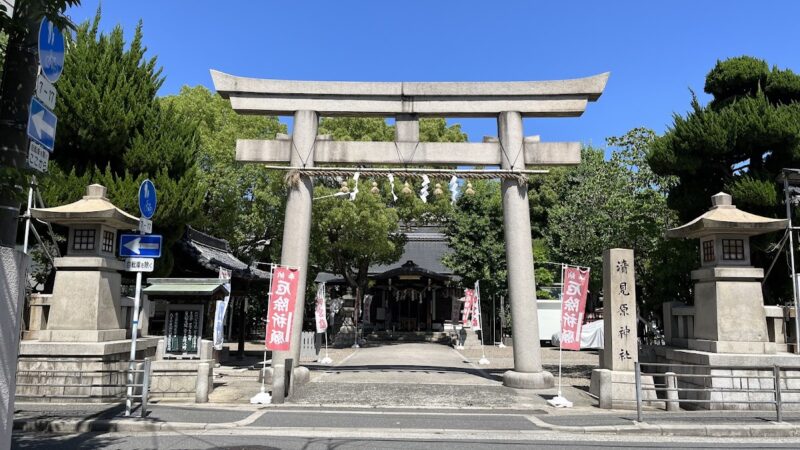
Kiyomihara Shrine, quietly nestled in a residential area of Ikuno Ward, Osaka City, is a rare shrine nationwide that enshrines Emperor Tenmu, an important emperor of ancient Japan, as its main deity. Away from the hustle and bustle of the city, the shrine grounds are steeped in a long history of being cherished by the local community.
About Kiyomihara Shrine
Kiyomihara Shrine is located at 2-24-35 Shoji, Ikuno Ward, Osaka City, Osaka Prefecture. It enshrines Emperor Tenmu as its main deity, along with Susanoo-no-Mikoto, Oyamakui-no-Mikoto, Amenomikumari-no-Kami, and Kuninomikumari-no-Kami.
Its former shrine rank was Village Shrine, and it has long been revered as the local tutelary shrine. Shrines dedicated to Emperor Tenmu are rare throughout Japan, and their rarity has attracted attention from history researchers and shrine enthusiasts alike.
About Emperor Tenmu
Emperor Tenmu (reigned 673-686) was the 40th Emperor of Japan, who ascended the throne during the Asuka period in the late 7th century. He ascended the throne after winning the Jinshin War and established the Asuka Kiyomihara Palace, laying the foundation for the Ritsuryo state. He commissioned the compilation of the Kojiki and Nihon Shoki, and is an important emperor who greatly influenced the formation of Japanese history and culture.
History and Origins of Kiyomihara Shrine
Founding Legend
The exact founding date of Kiyomihara Shrine is unknown due to the loss of shrine records and other documents in past floods. However, according to oral tradition, Emperor Tenmu is said to have rested at the site where the shrine now stands when he traveled from the Asuka Kiyomihara Palace in Yamato Province to Naniwa (present-day Osaka). This legend is the origin of the shrine’s name. It was named “Kiyomihara” after “Kiyomihara,” the site of Emperor Tenmu’s imperial palace. It is believed that in the past, one could see all the way to the sea of Naniwa from this location, and the name “Kiyomi” is thought to represent a beautiful view.
Historical Changes
Kiyomihara Shrine was formerly known as “Tenmu Tenno-gu” or “Koji Shrine” (after the local place name). During the Edo period, it was revered as the tutelary shrine of Koji Village, attracting the faith of local residents and worshipped as a god protecting agriculture and daily life.
Due to the Meiji-era shrine consolidation policy, several surrounding shrines were merged, resulting in the current composition of enshrined deities. Susanoo-no-Mikoto, Oyamakui-no-Mikoto, Ame-no-Mikumari-no-Kami, and Kuni-no-Mikumari-no-Kami are among the deities merged during this period.
Modern Renovations
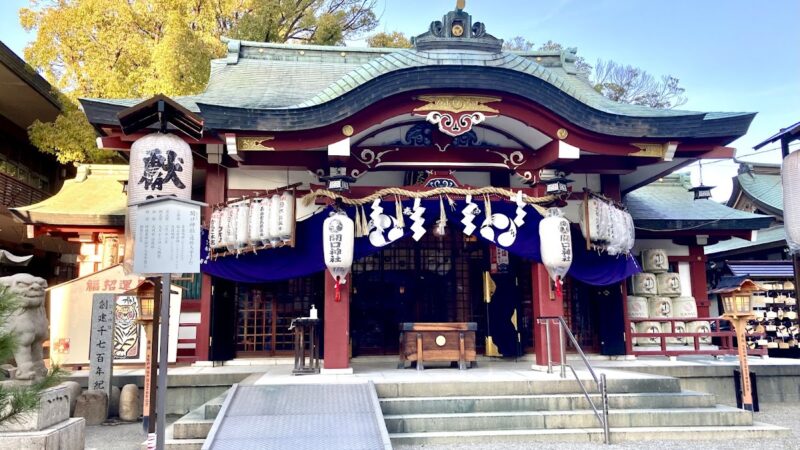
In 2009, a large-scale renovation was carried out, and the shrine building was reborn as a magnificent structure made of Yoshino cypress. This renovation preserves the beauty of traditional shrine architecture while creating a space that is more accessible to modern visitors.
Deities and Blessings
Main Deity: Emperor Tenmu
Emperor Tenmu, the main deity of Kiyomihara Shrine, is worshipped as the god of national governance, learning, and culture. As the emperor who laid the foundation of the Ritsuryo state and ordered the compilation of historical records, visitors come to pray for academic success and the success of cultural endeavors.
Deities Enshrined in the Side Shrine
Susanoo-no-Mikoto: A heroic deity from Japanese mythology, known as the god of protection against misfortune, disaster, and matchmaking.
Oyamakui-no-Mikoto: Worshipped as the god of mountains and agriculture, believed to bring blessings of abundant harvests and business prosperity.
Amatsumizuwake-no-kami and Kunimizuwake-no-kami: These are deities who govern water, revered for securing agricultural water, protecting against floods, and bestowing the blessing of water, the source of life.
Main Benefits
- Academic Success and Passing Exams
- Protection from Evil and Disaster
- Family Safety and Traffic Safety
- Business Prosperity and Success
- Abundant Harvests and Agricultural Protection
- Matchmaking and Good Relationships
Highlights of the Shrine Grounds
Main Hall and Worship Hall
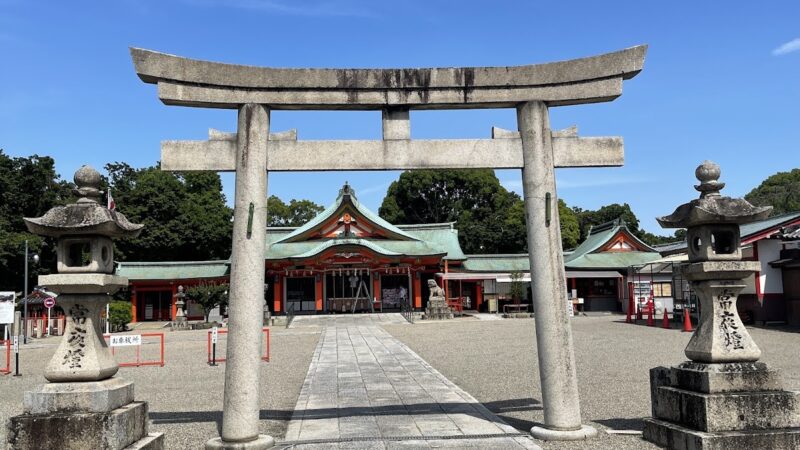
The main hall and worship hall, renovated in 2009, are dignified buildings constructed using Yoshino cypress. The shrine grounds, filled with the scent of cypress, are enveloped in a sacred atmosphere despite being in the middle of the city.
Shrine Office
At the shrine office, where you can receive Goshuin (shrine stamps) and request various prayers, the Shinto priests and parishioners’ representatives will courteously assist you. You can also feel free to ask questions about the shrine and proper etiquette for visiting. ### Atmosphere of the Shrine Grounds
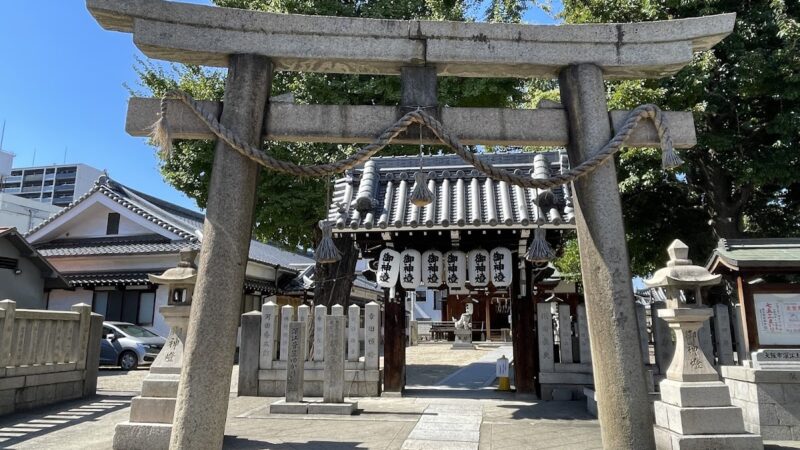
Despite being located in a residential area, the shrine grounds are enveloped in tranquility. The space surrounded by trees provides a healing spot that allows you to forget the hustle and bustle of the city.
Annual Festivals and Events
Kiyomihara Shrine holds various festivals and Shinto rituals throughout the year.
Main Annual Events
New Year’s Day Festival (January 1st): A festival to celebrate the new year and pray for peace throughout the year.
Setsubun Festival (around February 3rd): Includes bean-throwing to ward off evil and pray for good fortune.
Spring Festival: Celebrates the arrival of spring and prays for a bountiful harvest.
Summer Purification Ceremony (June 30th): A Shinto ritual to purify and cleanse away the impurities accumulated over the past six months.
Autumn Festival: Expresses gratitude for the harvest and prays for the prosperity of the community. Traditional local events, such as the Danjiri procession, are also held.
Year-End Purification Ceremony (December 31st): A purification ceremony is held to cleanse away the impurities of the past year and prepare for the New Year.
Connections with the Community
Kiyomihara Shrine is supported by many related organizations, including the Parishioners’ Association, the Women’s Association for Reverence of the Gods, the Danjiri Youth Association and Preservation Society, the Exorcism Association, and the Musicians’ Association (Gagaku Association). Traditional festivals and cultural activities are passed down with the understanding and cooperation of the community.
About Goshuin (Shrine Seals)
Kiyomihara Shrine offers Goshuin as proof of worship.
Features of Goshuin
The Goshuin features the name of “Kiyomihara Shrine” and the date of worship written in ink, along with the shrine’s seal. Due to its value as a rare shrine dedicated to Emperor Tenmu, it is popular among Goshuin collectors.
Issuance Hours
Goshuin (temple/shrine stamps) are issued during the hours the shrine office is open. We recommend calling ahead to confirm. Since the office may be closed, contacting them in advance is essential if you want to be sure to receive a goshuin.
Offering Fee
The offering fee for a goshuin is a typical amount (around 300-500 yen). It’s best to prepare the exact amount to avoid needing change.
Access and Transportation Information
Access by Train
Nearest Station: Osaka Metro Sennichimae Line, “Shoji Station”
- Approximately 2 minutes on foot (approx. 150m) southwest from Exit 4 of Shoji Station
- Very close to the station, excellent access.
Other Accessible Stations:
- Approximately 15 minutes on foot from JR Osaka Loop Line/Kintetsu Nara Line, “Tsuruhashi Station”
- Approximately 10 minutes on foot from Osaka Metro Sennichimae Line/Imazatosuji Line, “Imazato Station”
Access by Car
If using the Hanshin Expressway:
- Approximately 5 minutes from the Higashi-Osaka Line, “Tobu-Ichiba-mae” exit
- Approximately 5 minutes from the Loop Line, “Imazato” exit
Parking
Since the shrine’s dedicated parking is limited, we recommend using public transportation. If you are visiting by car, please use nearby coin-operated parking lots.
Address
2-24-35 Shoji, Ikuno-ku, Osaka City, Osaka Prefecture 544-0022
Manners and Etiquette for Visiting a Shrine
Basic Shrine Visit Etiquette
- Bow before passing through the torii gate: Before entering the sacred area, bow to show respect.
- Purify yourself at the water basin: Purify your left hand, then your right hand, then your mouth, and finally your left hand.
- Walking along the approach: The center of the approach is considered the path of the gods, so walk along the sides.
- Etiquette at the main hall: The basic procedure is two bows, two claps, and one bow.
- Bow deeply twice
- Clap twice at chest height
- Bow deeply once
- When leaving: After leaving the torii gate, turn around and bow once.
Attire for Visiting the Shrine
There are no specific dress code requirements, but clean attire appropriate for a sacred place is desirable. If you are receiving prayers, slightly more formal attire is appropriate.
Nearby Attractions
Ikuno Koreatown
Within walking distance of Kiyomihara Shrine is Osaka’s representative Koreatown. It’s an area where you can experience a different culture, with many Korean restaurants and food shops.
Miyukimori Tenjin Shrine
An ancient shrine located in Ikuno Ward, dedicated to Sugawara no Michizane, the god of learning. Many people visit both Kiyomihara Shrine and Miyukimori Tenjin Shrine.
Tsuruhashi Shopping Street
A lively shopping street where you can enjoy street food and shopping. Recommended for a stroll after visiting the shrine.
Features and Charms of Kiyomihara Shrine
Rarity of Enshrining Emperor Tenmu
Nationwide, there are few shrines that enshrine Emperor Tenmu as their main deity, giving it extremely high historical value. For those interested in ancient history, this is a special place of worship.
A Faith Rooted in the Community
Kiyomihara Shrine, carefully preserved by its parishioners and local residents, maintains a warm atmosphere despite its urban location. It continues to play an important role as the center of local cultural activities and traditional events.
An Oasis in the City
Despite being located in a residential area, the shrine grounds offer a quiet and peaceful space. It is a precious place where one can escape the hustle and bustle of everyday life and worship in peace.
A Shrine Built of Yoshino Cypress
The shrine building, constructed of Yoshino cypress and renovated during the Heisei era, is a magnificent example of architecture that blends traditional beauty with modern technology. The shrine grounds, enveloped in the scent of cypress, offer a sense of peace to visitors.
Cultural Activities of Kiyomihara Shrine
Preservation of Gagaku (Japanese Court Music)
Kiyomihara Shrine has a Gagaku Association (Gagaku Society) that performs and preserves traditional Gagaku music. During festivals, Gagaku (ancient Japanese court music) performances are offered, allowing visitors to experience ancient musical culture.
Danjiri Culture
Efforts are also being made to preserve and pass on Danjiri, a traditional festival culture of Osaka, with youth associations and preservation societies actively involved. At the autumn festival, visitors can witness the magnificent sight of Danjiri parading through the community.
Center of the Local Community
The shrine functions not only as a place of worship but also as a place for community interaction. Through various events, intergenerational community connections are fostered.
Visitor Voices
Visitors to Kiyomihara Shrine have commented, “It’s a precious place where you can quietly worship in the middle of the city,” “It’s a rare shrine dedicated to Emperor Tenmu, and I felt a sense of history,” and “I experienced the warmth of the local people.”
The shrine’s small size, meticulously maintained grounds, high historical value, and warm, community-rooted atmosphere are supported by many visitors.
Summary
Kiyomihara Shrine is a rare shrine nationwide that enshrines Emperor Tenmu as its main deity, and it is an important presence that conveys the history and culture of Ikuno Ward, Osaka City. It possesses many attractions, including its historical ties to the Asuka Kiyomihara Palace, its deeply rooted local faith, and its preservation of traditional culture.
Despite its convenient location just a 2-minute walk from Shoji Station on the Osaka Metro Sennichimae Line, the shrine grounds offer a tranquil escape from the hustle and bustle of the city, making it an ideal environment for peaceful worship.
You can receive a Goshuin (shrine stamp), and various festivals and events are held throughout the year, so there are new discoveries to be made with each visit. When sightseeing in Osaka, be sure to visit the historic Kiyomihara Shrine. You can spend a peaceful time reflecting on the era of Emperor Tenmu.