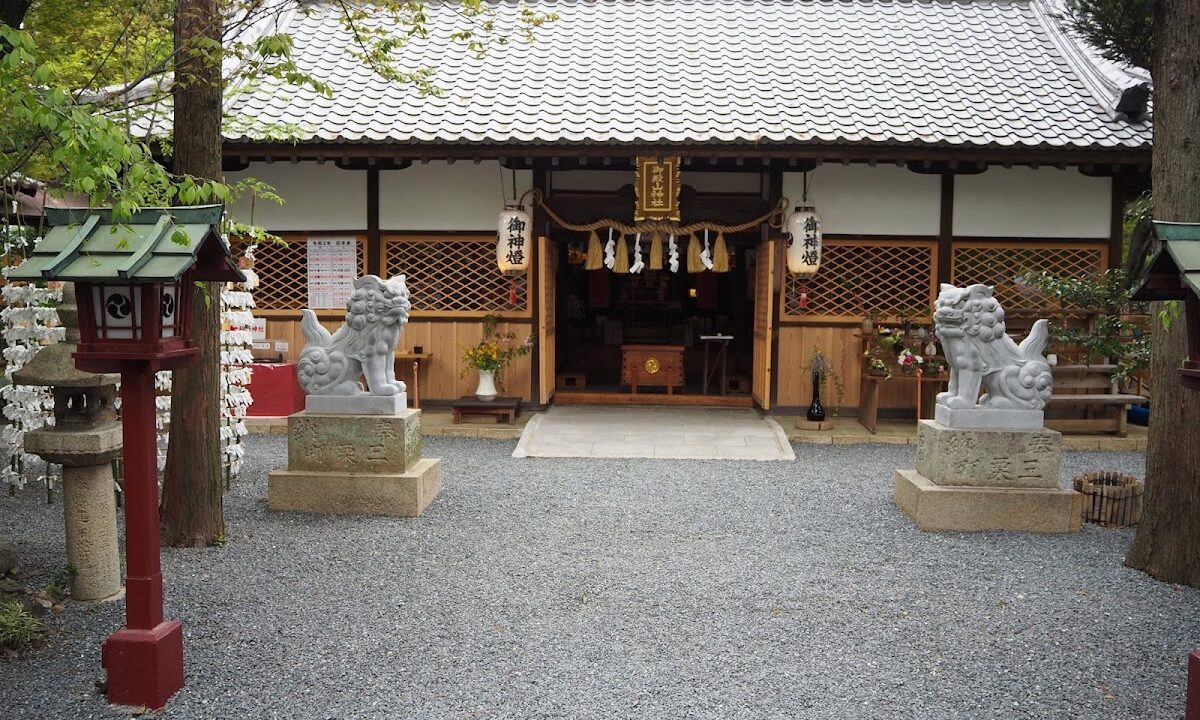
Gotenyama Shrine (Hirakata City, Osaka Prefecture) Complete Guide | History, Goshuin (Shrine Seal), and Access Information
Gotenyama Shrine, located on Gotenyama Hill in Hirakata City, Osaka Prefecture, is a historic shrine situated in a scenic location overlooking the Yodo River. It has ties to the Nagisa-in Palace of Prince Korechika from the Heian period and is cherished as the local guardian shrine. This article provides detailed information useful for visitors, including the history of Gotenyama Shrine, its enshrined deities, goshuin information, and access methods.
Overview and Basic Information of Gotenyama Shrine
Gotenyama Shrine is located at 12-55 Nagisa-Honmachi, Hirakata City, Osaka Prefecture, approximately a 10-minute walk from Gotenyama Station on the Keihan Railway. Built on a hill in Gotenyama, it is also known as a scenic spot offering breathtaking views of the mountain ranges of Yamashiro and Settsu across the Yodo River.
Detailed Information on Gotenyama Shrine
Location: 12-55 Nagisa-Honmachi, Hirakata City, Osaka Prefecture
Deity Enshrined: Hachiman-Okami (Emperor Ojin)
Subsidiary Shrines: Inari Shrine, Kifune Shrine
Annual Festival: October 19th
Spring Festival: April 15th
Nearest Station: Keihan Railway Gotenyama Station (approx. 10-minute walk)
Parking: Available (limited spaces)
Gotenyama Shrine is an officially recognized shrine belonging to the Osaka Prefectural Shrine Association, and serves as the local guardian deity protecting the parishioners around Nagisa-Honmachi, Hirakata City.
History and Origins of Gotenyama Shrine
The history of Gotenyama Shrine dates back to the Heian period. This site was once home to “Nagisa-in,” the residence of Prince Korekata. Prince Korechika was the eldest son of Emperor Montoku and is known for his excellence in scholarship and the arts.
From Nagisain to Gotenyama
The place name “Gotenyama” is derived from Nagisain. It is a historical site that has been familiar to the local people since ancient times as the location of Prince Korechika’s palace. Kannonji Temple was built on the site of Nagisain, and the Awakura Otabisho (temporary shrine) was established adjacent to its grounds, which is the origin of the current Gotenyama Shrine.
Transition from the Edo Period to the Meiji Period
During the Bunsei era of the Edo period (1818-1830), it was called “Nishi-Awakura Shrine.” With the separation of Shinto and Buddhism in the early Meiji period, shrines and temples were clearly distinguished, and a new shrine building was constructed on Gotenyama.
In September 1870 (Meiji 3), the shrine was relocated from Nishiawakura Shrine to its current location on Gotenyama and renamed “Gotenyama Shrine.” From that time until the present, it has been revered by the local people as Gotenyama Shrine.
Deities and Divine Virtues
The main hall of Gotenyama Shrine enshrines Hachiman-Ōkami as its principal deity. Hachiman-Ōkami, whose principal deity is Emperor Ōjin, is a god widely worshipped throughout Japan.
Divine Virtues of Hachiman-Okami
Hachiman-Okami is believed to possess the following divine virtues:
- Victory and Long-Lasting Military Fortune: As a god of war, he bestows the strength to overcome challenges and difficulties in competitions.
- Protection from Misfortune and Disaster: He protects against various calamities.
- Family Safety: He protects the safety and prosperity of families.
- Business Prosperity: He guides businesses towards development and success.
- Child Rearing and Safe Childbirth: He watches over the healthy growth of children.
Deities Enshrined in the Subsidiary Shrines
Within the grounds of Gotenyama Shrine, there are two subsidiary shrines:
Inari Shrine: Dedicated to Ukanomitama-no-kami, it bestows the divine virtues of abundant harvests and business prosperity.
Kifune Shrine: Dedicated to Takaokami-no-kami, the god of water, it is revered for its blessings in rainmaking, stopping rain, and matchmaking.
Gotenyama Shrine Grounds and Highlights
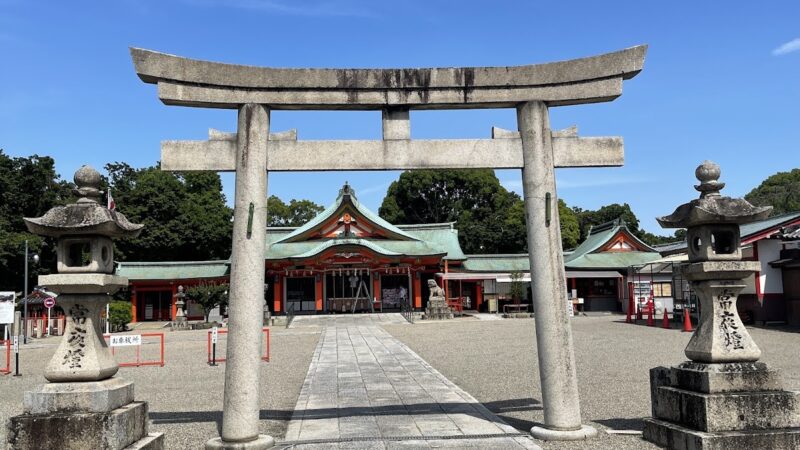
Gotenyama Shrine is situated on a hill in Gotenyama, offering scenic views of the Yodo River and the surrounding area from its grounds.
Main Hall and Worship Hall
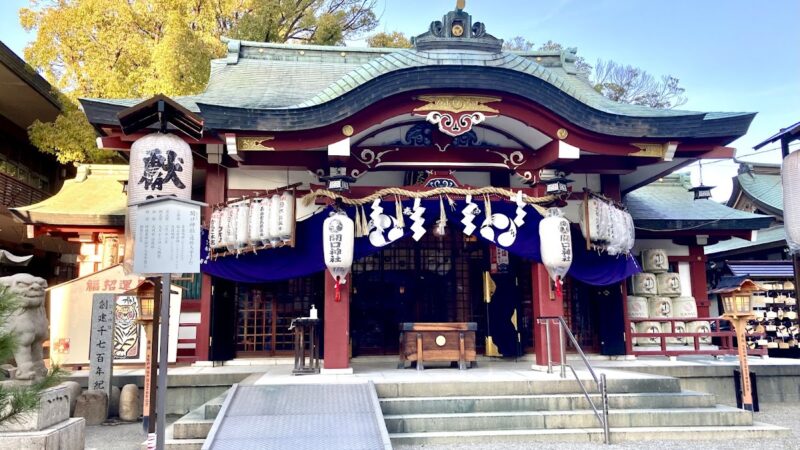
The shrine buildings, constructed in 1870 (Meiji 3), exhibit traditional shrine architecture and exude a tranquil atmosphere. Hachiman-no-Okami is enshrined in the main hall, and worshippers pray at the worship hall using the two bows, two claps, and one bow ritual.
Views from the Shrine Grounds
One of the greatest attractions of Gotenyama Shrine is its location. Situated on a hill, the grounds offer views of the Yodo River and the mountains of Yamashiro and Settsu on the opposite bank. Especially on clear days, a spectacular view unfolds, stretching to distant mountains.
Shrine Precincts and Stone Monuments
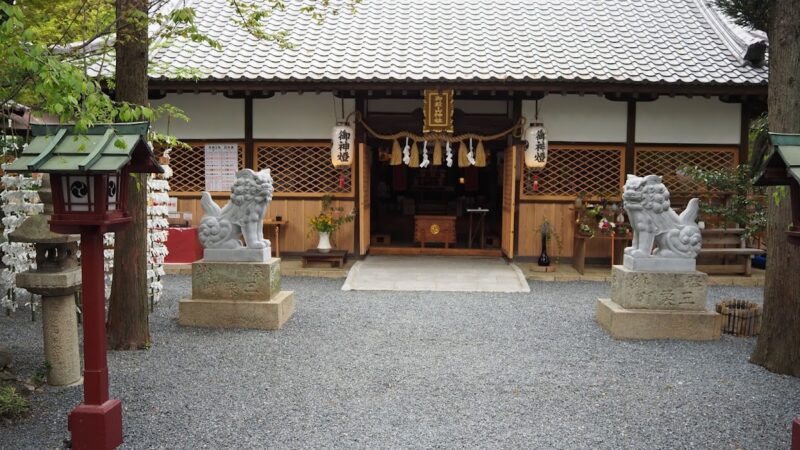
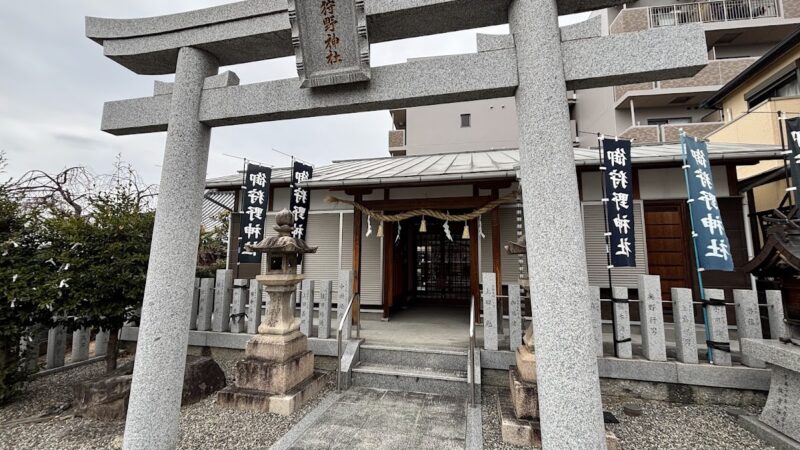
The two shrines within the grounds, Inari Shrine and Kifune Shrine, each attract their own unique devotions. Furthermore, the grounds contain stone monuments and memorials that tell the history of Gotenyama Shrine, allowing visitors to experience the local history.
Goshuin (Shrine Seal) Information
Gotenyama Shrine offers Goshuin (shrine seals). Goshuin are popular among many visitors as proof of their visit and as a record of their connection with the shrine.
Goshuin Reception
Goshuin at Gotenyama Shrine are available at the shrine office. However, since there may not always be a resident priest, it is recommended to call ahead to confirm if you wish to receive a Goshuin.
When receiving a Goshuin (temple/shrine stamp), please note the following:
- Receive the Goshuin after completing your prayers.
- Bring your Goshuincho (stamp book) with you (pre-printed stamps may be available).
- Prepare the offering fee (usually around 300-500 yen).
- Request the stamp using polite language.
Goshuin Design
The Goshuin at Gotenyama Shrine features the shrine’s name and date of visit written in ink, along with the shrine’s seal. Its simple yet dignified design makes it popular among Goshuin collectors.
Annual Events and Festivals
Gotenyama Shrine holds various festivals and events throughout the year.
Annual Festival (October 19th)
The most important festival at Gotenyama Shrine is the Annual Festival, held annually on October 19th. Parishioners and local residents gather to express gratitude to the gods and pray for the peace and prosperity of the community. After the Shinto rituals, it also serves as a place for community interaction.
Spring Festival (April 15th)
The Spring Festival, held on April 15th, celebrates the arrival of spring and prays for a bountiful harvest and peace throughout the year. This festival, held during the beautiful season of fresh greenery, is a quintessential sign of spring’s arrival in the region.
Other Annual Events
- Hatsumode (January 1st-3rd): The shrine is bustling with worshippers praying for safety and prosperity in the new year.
- Setsubun Festival (around February 3rd): Events such as bean-throwing may be held.
- Natsukoshi no Harae (June 30th): A Shinto ritual to purify and cleanse away the impurities accumulated over the past six months.
- Shichi-Go-San Pilgrimage (around November 15th): A pilgrimage to celebrate the growth of children.
Access Information
We will guide you on how to access Gotenyama Shrine.
Access by Train
If using Keihan Railway:
- Get off at Gotenyama Station on the Keihan Main Line, approximately 10 minutes on foot.
- Gotenyama Station is not served by express or rapid express trains; please use local or semi-express trains.
If using JR:
- Get off at Fujisaka Station on the JR Gakken Toshi Line, approximately 15 minutes on foot.
- Or get off at Nagao Station, approximately 20 minutes on foot.
Access by Car
From Osaka City:
- Take National Route 1 or the Daini Keihan Expressway towards Hirakata City.
- Search for “12-55 Nagisa Honmachi, Hirakata City, Osaka Prefecture” or “Gotenyama Shrine” on your car navigation system.
From Kyoto:
- Head south on National Route 1 towards Hirakata City.
Parking is available on the shrine grounds, but spaces are limited, so we recommend using public transportation during festivals and other special occasions.
Directions from Gotenyama Station
- Exit the ticket gate at Keihan Gotenyama Station and head west (towards the Yodo River).
- Walk north along the railway tracks for approximately 300 meters.
- Climb the slope leading to Gotenyama Hill.
- After passing through the residential area, you will see the torii gate of Gotenyama Shrine.
There are signs along the way, but if you are unsure, ask a local for directions; they will kindly assist you.
Nearby Tourist Spots
Around Gotenyama Shrine, there are several spots where you can experience the history and culture of Hirakata City.
Nagisain Ruins
This is the site of Nagisain, the palace of Prince Korechika, which gave rise to the name of Gotenyama Shrine. It now remains as Kannonji Temple, allowing you to reflect on the history of the Heian period. Visiting it together with Gotenyama Shrine will give you a deeper understanding of the local history.
Yodogawa River Park
Descending from Gotenyama towards the Yodogawa River, you’ll find the vast Yodogawa River Park. It’s a popular recreational spot for citizens, offering various leisure activities such as strolling, picnicking, and sports.
Hirakata-juku
Hirakata-juku, which flourished as a post town on the Edo period’s Tokaido highway, retains its historical streetscape. Located just a few stations away from Gotenyama Shrine on the Keihan Railway, it’s a great place for a historical stroll.
Hirakata Park
Hirakata Park, one of Kansai’s leading amusement parks, is also located in Hirakata City. It’s recommended to visit it in conjunction with your shrine visit, especially if you’re visiting with family.
Manners and Etiquette for Visiting Shrines
Here are some basic manners and etiquette guidelines for visiting Gotenyama Shrine.
How to Pass Through the Torii Gate
The torii gate, the entrance to the shrine, marks the boundary between the sacred and secular worlds. Before passing through the torii gate, bow to show respect to the gods. Since the center of the path is considered the gods’ passage, it is polite to walk along the side.
Proper Ritual for Washing Hands
If there is a water basin for washing hands, follow these steps to purify your body and mind:
- Take the ladle with your right hand and wash your left hand.
- Switch the ladle to your left hand and wash your right hand.
- Switch the ladle back to your right hand, receive water in your left hand, and rinse your mouth.
- Wash your left hand again.
- Hold the ladle upright, wash the handle, and return it to its original place.
Proper Ritual for Worshiping at the Main Hall
- Stand in front of the offering box and bow slightly.
- Gently place your offering (do not throw it in).
- If there is a bell, ring it.
- Worship using the two bows, two claps, and one bow ritual.
- Bow deeply twice.
- Clap your hands twice at chest height.
- Pray sincerely.
- Bow deeply once.
Regarding Attire
No special attire is required for daily visits to the shrine, but clean and understated clothing is preferred. When attending prayers or special events, please dress formally.
Prayers and Sorrows at Gotenyama Shrine
Gotenyama Shrine accepts prayers and blessings for various life milestones and wishes.
Main Prayers Offered
- Family Safety: Prayers for the health and safety of all family members
- Business Prosperity: Prayers for the development and prosperity of your business
- Exorcism: Prayers for protection from misfortune during unlucky years
- Traffic Safety: Prayers for vehicle safety and accident prevention
- Prayers for Success in Exams: Prayers for success in exams and tests
- Prayers for Safe Childbirth: Prayers for the health of mother and child and a safe delivery
- First Shrine Visit: Prayers for the healthy growth of the baby
- Shichi-Go-San (7-5-3 Festival): Prayers for the child’s growth and future health
How to Apply for a Prayer
If you wish to have a prayer offered, we recommend contacting the shrine by phone in advance to reserve a date and time. While same-day registration may be possible, it is best to contact in advance as it may not be possible due to the priest’s schedule.
The prayer fee (offering) varies depending on the prayer offered; please confirm when applying.
Connection with the Community
Gotenyama Shrine plays an important role not only as a religious facility but also as a center of the local community.
Parishioners’ Organization and Community Activities
The parishioners’ organization supporting Gotenyama Shrine is involved not only in the maintenance and management of the shrine but also in the operation of local festivals and events. During events such as the annual festival and the spring festival, parishioners cooperate in the preparations, providing an opportunity to deepen community bonds.
Preservation of Local History
The shrine also plays a role in conveying the history of Nagisain, the origin of the place name Gotenyama, and the changes in the region since the Heian period. The very existence of the shrine is living evidence that passes on the history of the region to future generations.
Connection with Children
Through events related to children’s growth, such as Shichi-Go-San (a traditional rite of passage for children) and Hatsumōde (a first shrine visit for newborns), connections are formed between local children and the shrine. These events are important opportunities to pass on traditional Japanese culture to the next generation.
Points to Note When Visiting Gotenyama Shrine
We have compiled points to note for a comfortable visit to Gotenyama Shrine.
Visiting Hours
While you can generally visit the shrine grounds freely, there are limited hours for the shrine office. If you wish to receive a Goshuin (shrine stamp) or prayers, we recommend visiting between 9:00 AM and 4:00 PM.
Slopes and Stairs
Gotenyama Shrine is located on a hill, so the approach includes slopes and stairs. We recommend wearing comfortable shoes. Those with mobility issues should take their time and rest frequently during their visit.
Weather Effects
The ground can become slippery during rainy weather. Particular caution is needed on the stairs. Also, the summer sun is strong, so it’s a good idea to bring a hat, parasol, and water.
Photography
Photography is generally permitted on the shrine grounds, but it is considered good manners to refrain from taking pictures inside the main hall or during Shinto rituals. Please also be considerate of the privacy of other visitors.
Consideration for Neighbors
The area surrounding the shrine is a residential area. When visiting the temple, please be considerate of local residents and avoid disturbing them with loud conversations or illegal parking.
History and Cultural Background of Gotenyama
The name Gotenyama has a deep historical background.
Prince Korechika and Nagisa-in
Prince Korechika (844-897) was born as the first son of Emperor Montoku, but after losing the succession struggle, he is said to have retired to Nagisa-in. The prince, who loved learning and the arts, interacted with many cultural figures in this area, and Nagisa-in became a kind of cultural salon.
Hirakata in the Heian Period
During the Heian period, Hirakata flourished as a key point on the Yodo River waterway connecting Kyoto and Naniwa (Osaka). The presence of Nagisa-in indicates that this area was conveniently located and scenic.
Origin of the Name Gotenyama
The name “Gotenyama” originates from the fact that Nagisain, the palace of Prince Korechika, was located there. As the mountain where the prince’s palace stood, it became a familiar place name to the local people and remains to this day.
Religious Activities in the Edo Period
During the Edo period, it was known as Nishiawakura Shrine and attracted the faith of the local people. In those times, when agriculture was central, it is believed that the shrine was bustling with people praying for abundant harvests and family safety.
Summary: The Charm of Gotenyama Shrine
Gotenyama Shrine has a history dating back to the Heian period and is situated in a scenic location overlooking the Yodo River. It enshrines Hachiman Daishin and is believed to bestow blessings such as good fortune, protection from evil, and family safety.
Its convenient access, approximately a 10-minute walk from Keihan Gotenyama Station, and the beautiful views from the shrine grounds provide peace of mind to visitors. Through annual events such as the annual festival and spring festival, it functions as a central hub for the local community, and is a valuable presence that conveys the history and culture of the region to the present day.
You can also receive a Goshuin (temple/shrine stamp), making it a recommended spot for those who enjoy visiting shrines. When you visit Hirakata City, be sure to visit Gotenyama Shrine and experience the tranquil atmosphere and beautiful scenery of this historic shrine.
Located in the urban area of Hirakata City, Osaka Prefecture, Gotenyama Shrine offers a sense of history and nature, teaching us modern people the importance of traditional Japanese culture. A quiet visit away from the hustle and bustle of everyday life will surely be a memorable experience.