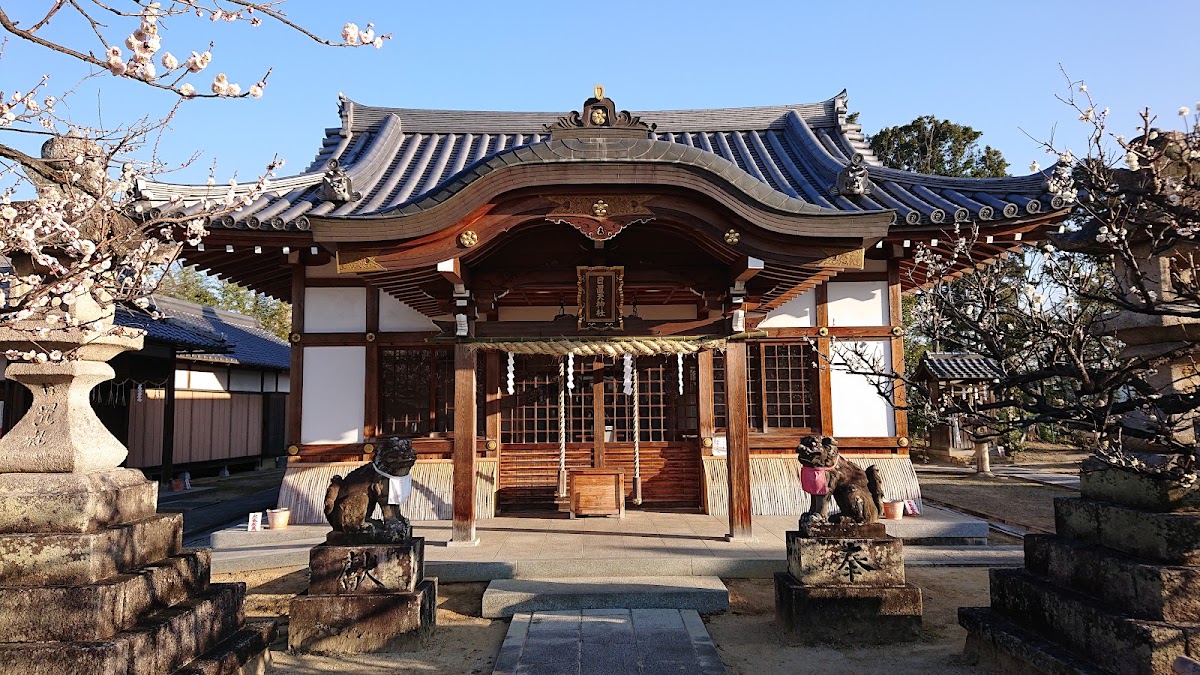
Hioki Tenjin Shrine (Hirakata City, Osaka Prefecture) Complete Guide | History, Deities, Access, and Grounds Information Summary
Hioki Tenjin Shrine, located in Shodai Minami-cho, Hirakata City, Osaka Prefecture, is a historic shrine dedicated to Sugawara no Michizane. Situated along the Higashi Koya Kaido road, it has long been a center of local worship. This article comprehensively introduces information useful for visiting Hioki Tenjin Shrine, including its history, enshrined deities, highlights of the grounds, access methods, and information on Goshuin (shrine stamps).
Basic Information on Hioki Tenjin Shrine
Hioki Tenjin Shrine is located at 2-28-1 Shodai Minami-cho, Hirakata City, Osaka Prefecture, and is within walking distance of Makino Station on the Keihan Main Line. It is a beloved local guardian shrine, and its main deity is Sugawara no Michizane, known as the god of learning.
Basic Information
- Official Name: Hioki Tenjin Shrine
- Address: 2-28-1 Shodai Minamimachi, Hirakata City, Osaka Prefecture 573-1155
- Phone Number: 072-857-7775
- Main Deity: Sugawara no Michizane
- Nearest Station: Makino Station, Keihan Main Line
- Parking: Available (for visitors)
History and Origins of Hioki Tenjin Shrine
Origin of Founding and the Legend of Prince Korekata
The founding date of Hioki Tenjin Shrine is unclear, but it is believed to have been established before the Heian period. The most famous legend associated with the shrine concerns Prince Korekata (844-897).
Prince Korechika was the eldest son of Emperor Seiwa and the grandson of Emperor Montoku. While the prince was falconry hunting in Katanogahara, his beloved falcon disappeared from sight. As sunset approached, the prince is said to have prayed to Tenjin-sama (the deity of learning) for the sun to stop.
This legend is believed to be the origin of the shrine’s name, “Heki Amatsukami-no-miya.” This anecdote not only explains the origin of the shrine’s name but also demonstrates that Tenjin worship already existed in the area during the Heian period.
Hekiyama Ruins and Ancient History
The grounds of Heki Amatsukami-no-miya and its surroundings constitute a complex archaeological site called “Hekiyama Ruins.” Excavations conducted in 1982 (Showa 57) confirmed valuable remains dating from the Kofun period to the medieval period.
The following remains were discovered during the survey:
- Medieval shell layers (shell mounds)
- Ditches and pits, and other living structures
- Artifacts from the Kofun period
These discoveries archaeologically prove that this area was a place of human habitation from ancient times and a sacred site with a long history.
Medieval Prosperity and Heki-go
In the medieval period, the area around Heki Tenjin Shrine flourished as “Heki-go,” a settlement that developed along the Higashi-Koya Road. During this time, shrines and temples lined the streets, competing with each other in number, and it is said to have thrived as a religious and cultural center.
The Higashi-Koya Road was an important route connecting Kyoto and Mount Koya, and many pilgrims and travelers passed through it. Heki-go is thought to have played an important role both commercially and religiously as a key point along this road.
Devastation and Reconstruction Due to War
However, during the Sengoku period (Warring States period) of the 16th century, this area was devastated by the effects of war. Many temples and shrines were destroyed, and the former prosperity was lost.
The Establishment of Shōtei-jinai Village and its Reconstruction as the Temple’s Guardian Shrine
In the mid-16th century, a major turning point occurred in this region. Renjun, the sixth son of Rennyo, the eighth head of the Shinshu Honganji sect, was invited to develop the area as a temple village (Shōtei-jinai Village).
A temple village is an autonomous settlement formed around a Jodo Shinshu temple, and it flourished in various regions during the Sengoku period (Warring States period). It is said that the Heki Tenjin Shrine was rebuilt as the temple’s guardian shrine during the development of Shōtei-jinai Village.
With this reconstruction, the Heki Tenjin Shrine entered a new historical phase and continues to attract worshippers as the guardian deity of the Shōtei region to this day.
Deities and Divine Virtues
Main Deity: Sugawara no Michizane
The main deity enshrined at Hioki Tenjin Shrine is Sugawara no Michizane (845-903). Michizane was a scholar and politician of the Heian period, and is also known as an excellent Chinese poet.
Michizane was highly favored by Emperor Uda and rose to the position of Minister of the Right, but was demoted to Dazaifu due to slander by Fujiwara no Tokihira, where he died. After his death, a series of strange occurrences occurred in Kyoto, leading to the construction of a Tenmangu shrine to appease Michizane’s vengeful spirit, and he came to be worshipped as Tenjin-sama.
Divine Virtues and Faith
Sugawara no Michizane is revered nationwide as the “God of Learning,” and at Hioki Tenjin Shrine, the following divine virtues are believed to be associated with him:
- Academic Success and Passing Exams: Many students and those preparing for exams visit the shrine to pray for academic improvement.
- Literary Improvement: Improvement of artistic talents such as calligraphy and literature.
- Protection from Misfortune and Disaster: Protection from misfortune through the power of Tenjin-sama.
- Prayer for Health: Prayers for the health and safety of the local people.
- Family Safety: Peace and happiness for the family.
Highlights of the Shrine Grounds
Main Hall and Worship Hall
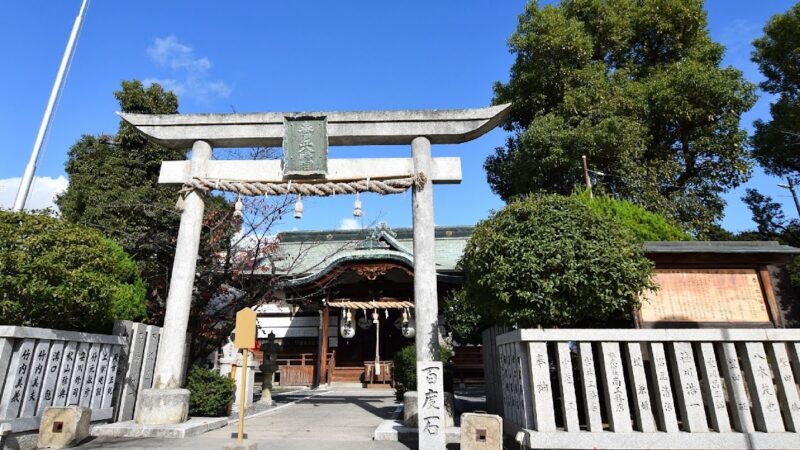
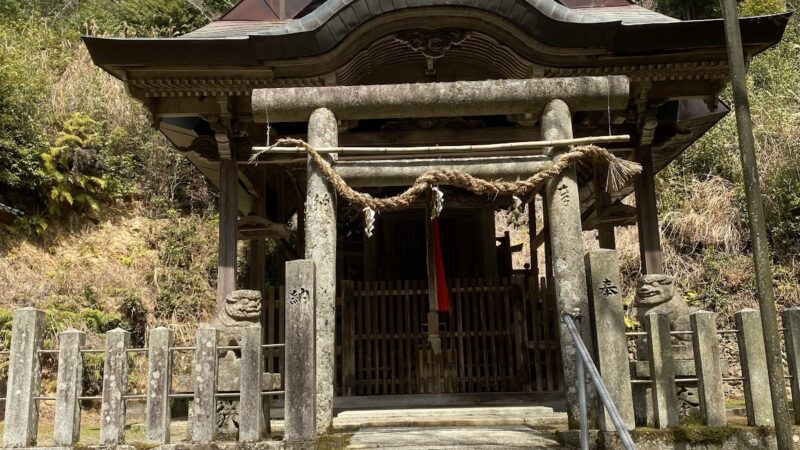
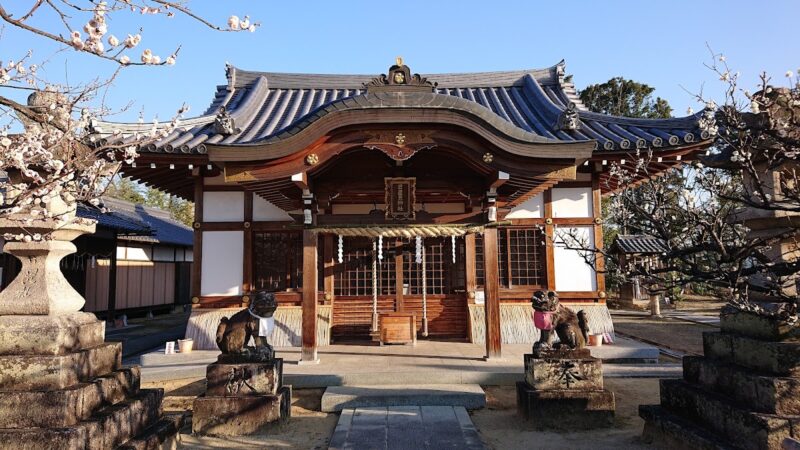
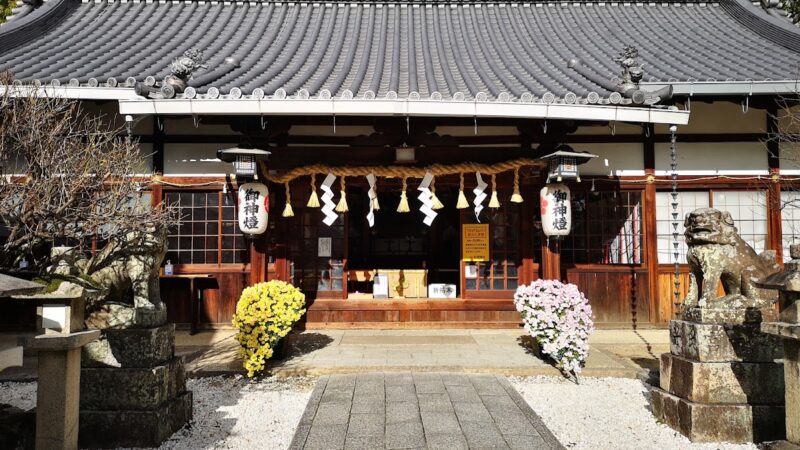
The main hall of Hioki Tenjin Shrine is built in the traditional style of shrine architecture, creating a tranquil atmosphere. In the worship hall, daily visitors offer their prayers, and especially during exam season, many students and their parents visit.
Danjiri Warehouses
The eight danjiri warehouses within the grounds of Hioki Tenjin Shrine are particularly striking. These warehouses store the danjiri (festival floats) used in local festivals, making them important facilities that preserve Hirakata City’s festival culture.
On the day of the annual festival, the warehouses are opened to the public, allowing visitors to see the danjiri up close, something not usually possible. The danjiri, adorned with intricate carvings and decorations, are a testament to the craftsmanship of local artisans and are well worth seeing.
Natural Environment of the Shrine Grounds
The shrine grounds are planted with trees, maintaining a quiet and peaceful atmosphere despite being in an urban area. The grounds, which show different expressions with each season, provide a healing space for visitors.
Historical Value of the Hiokiyama Ruins
As mentioned above, the shrine grounds and surrounding area are archaeologically important as the Hiokiyama Ruins. While the site is not currently prominently marked, being aware that this place was the stage for a continuous history from ancient times deepens the meaning of visiting the shrine.
Annual Events and Festival
Annual Festival (Autumn Festival)
The annual festival of Hioki Tenjin Shrine is a grand event held every year as an important local annual event. On this day, eight danjiri (float) warehouses are opened, and local people gather to enjoy the festival.
The danjiri procession and dedication ceremonies take place, making it an important opportunity to reaffirm the unity of the local community.
New Year’s Visit
Many worshippers visit the shrine for their first shrine visit of the new year. It is bustling with people praying to Sugawara no Michizane, known as the god of learning, for their New Year’s resolutions and success in examinations.
Tenjin Festival Related Events
As a shrine dedicated to Sugawara no Michizane, events related to the Tenjin Festival are also held. These events are passed down to the present day while preserving local traditions.
Access Methods
Access by Train
Using the Keihan Main Line
- Get off at Makino Station: Approximately 26 minutes on foot (approx. 2.1 km)
- Get off at Fujisaka Station: Approximately 34 minutes on foot (approx. 2.7 km)
Makino Station is the closest access route, but it’s a bit of a distance on foot.
Access by Bus
Using Keihan Bus
- Get off at the “Shodai Minamimachi” bus stop: Approximately 3 minutes on foot
Using the bus allows you to get very close to the shrine. Please check the Keihan Bus routes in advance.
Access by Car
The shrine has a parking lot for visitors. It’s conveniently located along the Higashi Koya Kaido road, making it easily accessible by car.
Car Navigation Settings
- Address: 2-28-1 Shodai Minamimachi, Hirakata City, Osaka Prefecture
- Phone Number: 072-857-7775
Nearby Landmarks
The shrine is located along the Higashi Koya Kaido road, so using the road as a landmark will make it easy to find. The Shodai area is a residential area, but the shrine’s torii gate and the trees within the grounds serve as landmarks.
Goshuin Information
You can receive a goshuin (shrine stamp) at Hioki Tenjin Shrine. A goshuin is not only a memento of your visit to the shrine, but also an important way to preserve your connection with the deity.
When receiving a goshuin, please note the following:
- Bring your goshuincho (stamp book)
- Receive the goshuin after completing your prayers
- Check the shrine office’s opening hours in advance
- Prepare the offering fee (usually around 300-500 yen)
Opening hours may vary depending on the shrine, so if you want to be sure to receive a goshuin, it is recommended to call ahead and confirm.
Manners and Etiquette for Visiting Shrines
Basic Etiquette for Visiting Shrines
By following the correct etiquette for visiting shrines, you can offer more heartfelt prayers.
How to Pass Through the Torii Gate
- Bow before passing through the torii gate.
- Walk along the edge of the path, as the center is the path for the gods.
How to Wash Your Hands at the Water Basin
- Take the ladle with your right hand and wash your left hand.
- Switch the ladle to your left hand and wash your right hand.
- Switch the ladle back to your right hand, receive water in your left hand, and rinse your mouth.
- Wash your left hand again.
- Hold the ladle upright, wash the handle, and return it to its original position.
How to Wash Your Hands at the Shrine
- Place your offering in the offering box.
- Ring the bell if there is one.
- Bow twice, clap twice, and bow once.
- Bow deeply twice.
- Clap your hands twice.
- Pray with all your heart.
- Bow deeply once.
Regarding Attire
While it’s fine to wear everyday clothes, please keep the following points in mind:
- Wear clean clothing.
- Avoid revealing clothing.
- For formal prayers, more formal attire is recommended.
Nearby Attractions and Tourist Spots
Higashi-Koya Kaido Road
The Higashi-Koya Kaido Road, which Hioki Tenjin Shrine faces, is a historic road connecting Kyoto and Mount Koya. Historical buildings and temples are scattered along the road, making it ideal for historical walks.
Exploring the History of the Shōtei Area
This area, which developed as Shōtei Terauchi Village, has many places that retain the atmosphere of that time. Exploring the area allows you to feel the history from the medieval to the early modern period.
Other Shrines and Temples in Hirakata City
There are many other shrines and temples in Hirakata City. When visiting Hioki Tenjin Shrine, it is also recommended to visit the surrounding temples and shrines.
Connection to the Community
Role as a Guardian Deity
Hioki Tenjin Shrine is revered as the guardian deity of the Shōtei area, attracting the faith of local residents. Many people visit the shrine for important life events such as a baby’s first shrine visit, Shichi-Go-San (a traditional rite of passage for children), and exorcisms.
Center of the Local Community
Annual events, including the annual festival, are important opportunities to strengthen the bonds of the local community. Intergenerational exchanges are fostered through the maintenance and management of the festival floats and the operation of the festival.
Connection to Education
As a shrine dedicated to the god of learning, it has deep ties with local schools and educational institutions, and many students visit during exam season to pray for success.
Precautions When Visiting
Visiting Hours
It is generally recommended to visit the shrine during the daytime. Avoid visiting at night and visit during daylight hours.
Photography
Photography is generally permitted on the shrine grounds, but please note the following:
- Refrain from taking photos inside the main hall.
- Be considerate of the privacy of other worshippers.
- Check whether photography is permitted during festivals and religious ceremonies.
Pets
Pet policies vary by shrine. It is recommended to check in advance.
Summary
Hioki Tenjin Shrine boasts a long history dating back to the Heian period, and is a fascinating shrine with a multi-layered history, including the legend of Prince Korechika, the Hiokiyama ruins, and the establishment of Shoteiji-uchi village. It enshrines Sugawara no Michizane, the god of learning, and continues to attract the faith of the local people.
The shrine grounds contain eight danjiri (festival float) warehouses, preserving the local festival culture. Its location along the Higashi-Koya Kaido road makes it an ideal base for historical exploration.
When visiting Hirakata City, be sure to visit Hioki Tenjin Shrine and experience its history and atmosphere. Whether you’re praying for academic success or passing exams, taking the time to visit the shrine and reflect on the local history will surely be a memorable experience.
Reconfirming Access Information
- Address: 2-28-1 Shodai Minamimachi, Hirakata City, Osaka Prefecture 573-1155
- Phone: 072-857-7775
- Nearest Station: Approximately 26 minutes on foot from Makino Station on the Keihan Main Line, or approximately 3 minutes on foot from the “Shodai Minamimachi” bus stop.
We hope your visit to Hioki Tenjin Shrine will be meaningful to you.