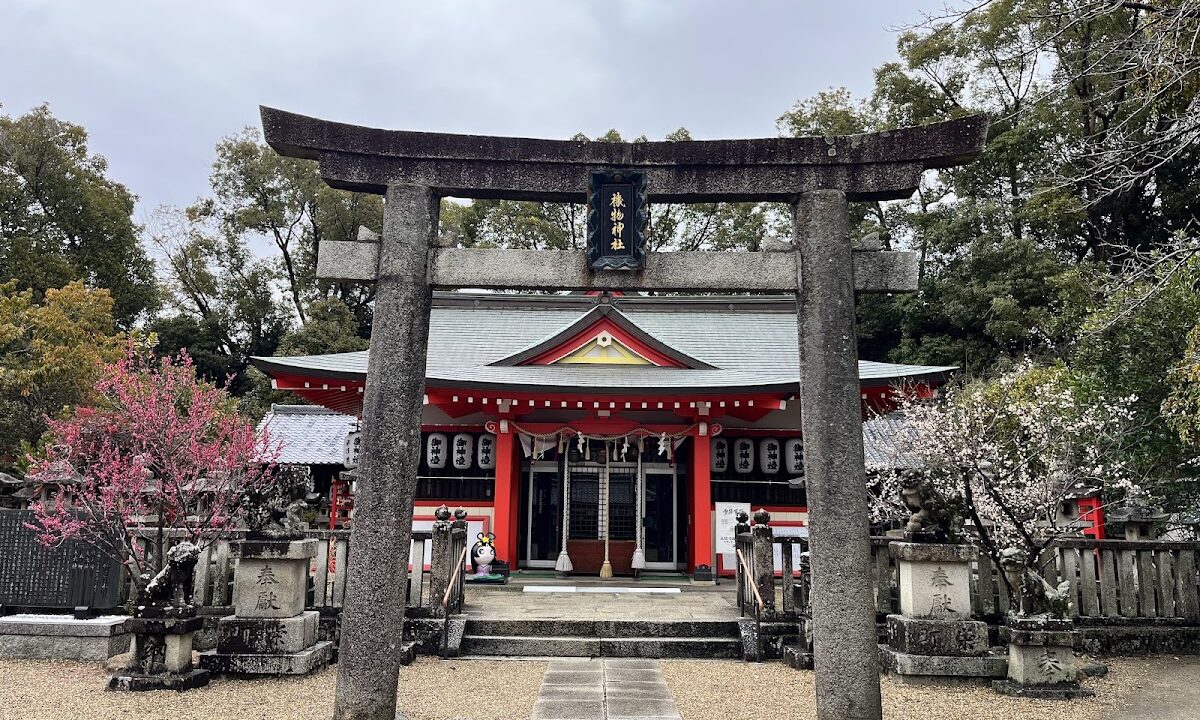
Complete Guide to Hatamono Shrine (Katano City, Osaka Prefecture) | History, Goshuin (Shrine Seals), and Festival Information of the Birthplace of the Tanabata Legend
Hatamono Shrine, located in Kuraji, Katano City, Osaka Prefecture, is an ancient shrine known nationwide as the birthplace of the Tanabata legend. It enshrines Amanotanahatahime-no-Okami, considered the prototype of Orihime (the Weaver Princess), and a grand Tanabata festival is held every July. This article provides a detailed introduction to Hatamono Shrine, from its historical background to information on visiting the shrine and surrounding attractions.
History and Origins of Hatamono Shrine
Deep Connections with the Ancient Immigrant Hata Clan
The founding of Hatamono Shrine dates back to around the 5th or 6th century. During this period, groups of immigrants with advanced sericulture and weaving techniques arrived in the Japanese archipelago from the Chang’an area of mainland China. These skilled artisans were called the Hata clan, and they greatly contributed to the development of the textile industry throughout Japan.
It is believed that some members of the Hata clan, who settled in the Katano area, built a residence at the foot of a mountain now known as Kurajiyama and founded the Hatamono Shrine as the center of their faith. The shrine’s name, “Hatamono,” is said to originate from the “hata” (weaving) of the Hata clan, who made their living from weaving. It has long been affectionately known as “Hatamono-san” by locals.
Positioning as the Origin of the Tanabata Legend
Hatamono Shrine is particularly noteworthy for being considered one of the origins of the Tanabata legend in Japan. The enshrined deity, Amanotanabatahime-no-Okami, is considered the prototype of “Orihime” (the Weaver Princess).
The area around Katano City retains the place name “Amanogawa” (Milky Way), and nearby are numerous historical sites related to the Tanabata legend, such as the Kengyu-seki (Cowherd Stone) and Shokujo-seki (Weaver Girl Stone). This can be considered important evidence that this region has been a center of star worship and weaving culture since ancient times.
Deities and Divine Virtues
Amanotanabatahime-no-Okami
The principal deity of Hataori Shrine is Amanotanabatahime-no-Okami. This deity is considered the goddess of weaving, who was responsible for weaving the sacred garments presented to Amaterasu-Omikami. Although she does not appear directly in the Kojiki or Nihon Shoki, she has been widely revered as Orihime (the Weaver Princess) in folk beliefs.
Expected Divine Blessings
At Hataori Shrine, the following divine blessings are believed to be bestowed:
- Improvement of Skills: As the god of weaving techniques, improvement in all skills and arts.
- Successful Relationship: Based on the legend of Orihime and Hikoboshi, success in love and matchmaking.
- Marital Harmony: As a married couple who rejoice in their annual reunion.
- Industrial Development: Prosperity of various industries, including the textile industry.
- Academic Success: As the god of skill acquisition, improvement in academics.
Especially during the Tanabata season, visitors from all over Japan come seeking good relationships and improvement in their skills.
Hataori Shrine Tanabata Festival | Katano City’s Largest Festival
Overview and Dates of the Tanabata Festival
The Hataori Shrine Tanabata Festival, a major festival representing Katano City, is held annually on July 6th and 7th. The 6th is the eve of the festival, and the 7th is the main festival day. Both days are bustling with many visitors.
Event Period: Every year on July 6th (Eve of the Festival) and July 7th (Main Festival)
Time: From morning to evening on both days (stalls are open from evening until late at night)
Admission Fee: Free
Highlights of the Tanabata Festival
Colorful Tanabata Decorations
The entire shrine grounds are adorned with colorful Tanabata decorations. Wish strips written by visitors are tied to bamboo branches, creating a magical atmosphere as they sway in the wind. Tanabata decorations adorn not only the shrine grounds but also the path leading to the shrine, welcoming visitors.
Numerous Stalls and a Lively Atmosphere
During the festival, numerous stalls line the shrine grounds and surrounding areas. Enjoy the traditional festival atmosphere with takoyaki, yakisoba, goldfish scooping, and more. The usually quiet shrine transforms into a vibrant space filled with visitors from both within and outside Osaka Prefecture, as well as locals.
Special Ritual
On the 7th, the main day of the festival, a special ritual will be held. This ritual, celebrating the once-a-year reunion of Orihime and Hikoboshi, proceeds solemnly in a traditional and elegant atmosphere.
Access and Precautions for the Tanabata Festival
During the festival period, more visitors than usual will come, so please note the following:
- Crowded Times: The busiest time is especially from evening to night on the 7th.
- Parking: While there is a dedicated parking lot, spaces are limited, so using public transportation is recommended.
- Attire: The grounds are gravel, so comfortable walking shoes are recommended.
- Heat Protection: Temperatures are high in early July, so please take precautions against heatstroke.
Highlights of the Shrine Grounds
Main Hall and Worship Hall
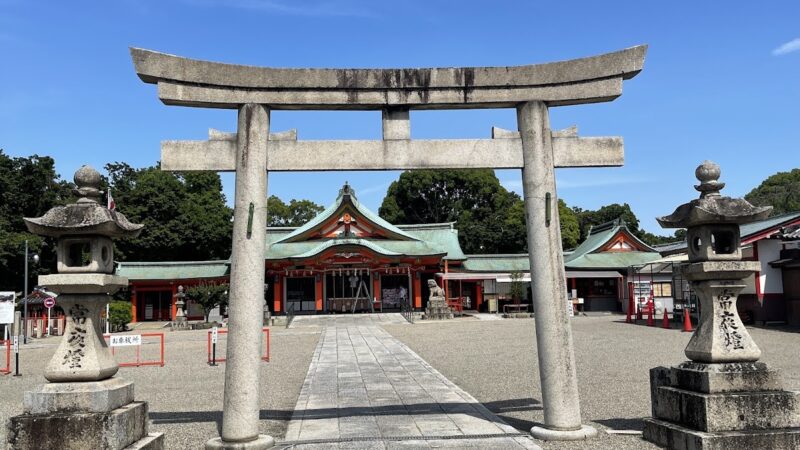
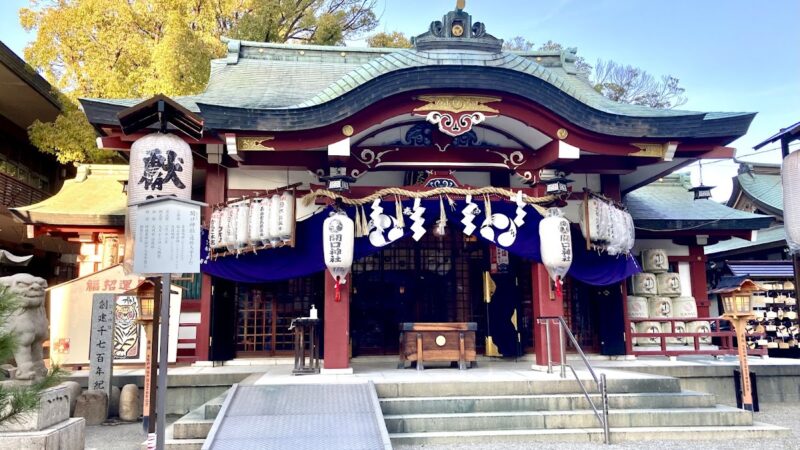
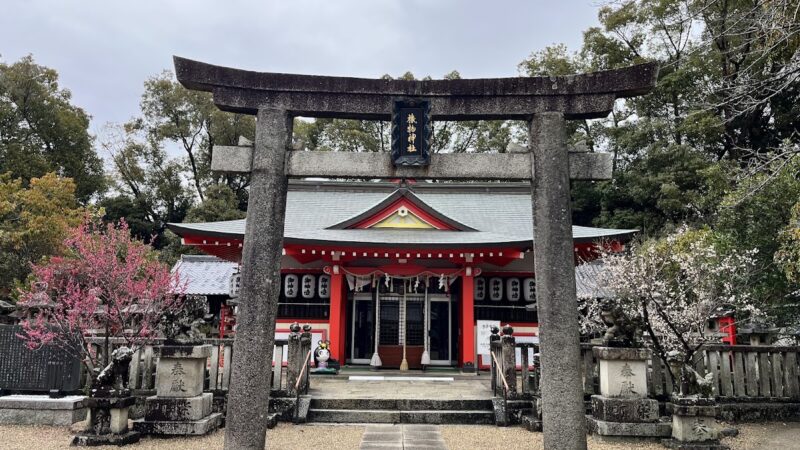
The main hall of Hataori Shrine is a simple yet tasteful wooden structure. A magnificent shimenawa (sacred rope) is stretched in front of the worship hall, creating a sacred atmosphere. The main shrine’s architectural style retains characteristics of traditional local shrine architecture and is considered to have high historical value.
Subsidiary Shrines and Auxiliary Shrines
Several subsidiary shrines are enshrined around the main shrine. Each has a different divine virtue, and visitors can pray according to their own wishes.
Sacred Tree and Natural Environment
Within the shrine grounds stands a sacred tree estimated to be several hundred years old, quietly watching over the history of the shrine. Located at the foot of Kurajiyama Mountain, the shrine is surrounded by abundant nature, which is one of its charms. The trees in the grounds, which show different expressions with each season, provide a sense of peace to visitors.
Goshuin (Shrine Seal) Information
Standard Goshuin
Hataori Shrine offers goshuin (shrine seals) to visitors. They are in the traditional style, with “Hataori Shrine” written in ink and stamped with the shrine’s seal.
Offering Fee: Approximately 300-500 yen (subject to change)
Reception Hours: During the hours the shrine office is open (please check with the shrine for details)
Limited Edition Goshuin Stamps for the Tanabata Festival
During the Tanabata Festival, special limited edition goshuin stamps may be available. These special editions, featuring designs and characters related to Tanabata, are highly popular among collectors, and many people visit the shrine specifically during this period.
About Goshuin Stamp Books
Original goshuin stamp books from Hataori Shrine are also available. Featuring designs inspired by Tanabata and Orihime, they are valuable as souvenirs.
Basic Information and Access
Basic Information about the Shrine
Official Name: Hatamono Shrine
Address: 1-1-7 Kuraji, Katano City, Osaka Prefecture 576-0051
Phone Number: 072-891-4418
Visiting Hours: Grounds are open freely (the shrine office may be unattended at certain times)
Admission Fee: Free
Parking: Available (limited spaces, may be crowded during festivals)
Access by Public Transportation
If using the JR Gakken Toshi Line
- Get off at Tsuda Station on the JR Gakken Toshi Line
- Approximately 20 minutes on foot from the station, or take a Keihan Bus
- Get off at the Kuraji bus stop on the Keihan Bus, approximately 5 minutes on foot
From Tsuda Station, it is a gentle uphill slope, but the route is relatively easy to follow, and there are guide signs along the way. Many people enjoy visiting the shrine on foot, and a stroll while admiring the surrounding townscape is highly recommended.
Access by Keihan Railway
If using the Keihan Railway, you can get off at “Hirakata-shi Station” and then transfer to a Keihan bus to the “Kuraji” bus stop.
Access by Car
Approximately 10 minutes from the Katano-Minami IC on the Second Keihan Expressway
Accessible via National Route 168
Enter “Hataori Shrine” or the address “1-1-7 Kuraji, Katano City, Osaka Prefecture” into your car navigation system. However, during festival periods and on weekends, surrounding roads may be congested, so it is recommended to plan with plenty of time to spare.
Nearby Tourist Spots
Tanabata Legend Related Spots in Katano City
After visiting Hataori Shrine, be sure to also visit the surrounding places associated with the Tanabata legend.
The Milky Way (Amanogawa)
The Amanogawa River, which flows through Katano City, is said to be the model for the “Milky Way” in the Tanabata legend. A walking path is maintained along the river, making it a pleasant place for a stroll.
Kannon-iwa (Kannon Rock)
This giant rock, said to be where Orihime (the Weaver Princess) bid farewell before returning to heaven, is located on the hiking trail of Mt. Katano.
Hoshida Park, Osaka Prefectural Forest
Located about 15 minutes by car from Hataori Shrine, Hoshida Park is a representative nature park of Katano City. The “Star Swing” suspension bridge, 280 meters long and 50 meters above the ground at its highest point, is a popular spot offering a thrilling experience.
In addition to enjoying hiking amidst abundant nature, the observation deck offers panoramic views of the Osaka Plain. You can enjoy beautiful scenery throughout the seasons, from the fresh greenery of spring to the vibrant autumn foliage.
Osaka Metropolitan University Botanical Garden
Located in Kisaichi, Katano City, this botanical garden cultivates approximately 6,000 species of plants on a vast 26-hectare site. While serving as an academic research facility, it is also open to the public and is a popular spot for nature lovers.
Different plants are in bloom each season, and it is especially crowded with visitors during the cherry blossom season in spring and the autumn foliage season.
Nearby Restaurants and Rest Spots
Locally Beloved Cafes
There are many cafes and restaurants scattered throughout Katano City where you can relax after visiting the shrine. An increasing number of establishments offer dishes made with local ingredients and specialty coffee, making them perfect for refreshing yourself during sightseeing.
Osaka/Kitakawachi Area Cuisine
The Kitakawachi area, including Katano City, is an area where you can easily enjoy Osaka’s food culture. There are diverse options, from Osaka specialties like okonomiyaki and takoyaki to local diners loved by the community.
Major Annual Festivals and Events
Tanabata Festival (July 6th and 7th)
As mentioned above, this is the largest festival at Hataori Shrine.
Annual Grand Festival
In autumn, the annual grand festival is held, bringing together local parishioners and devotees. While not as large as the Tanabata Festival, it offers a valuable opportunity to witness traditional Shinto rituals.
New Year’s Visit
In the New Year, the shrine is bustling with worshippers. People visit to pray for good fortune in relationships and improvement in their skills, seeking the blessings of Orihime (the Weaver Princess).
Manners and Etiquette for Visiting a Shrine
Basic Shrine Visit Etiquette
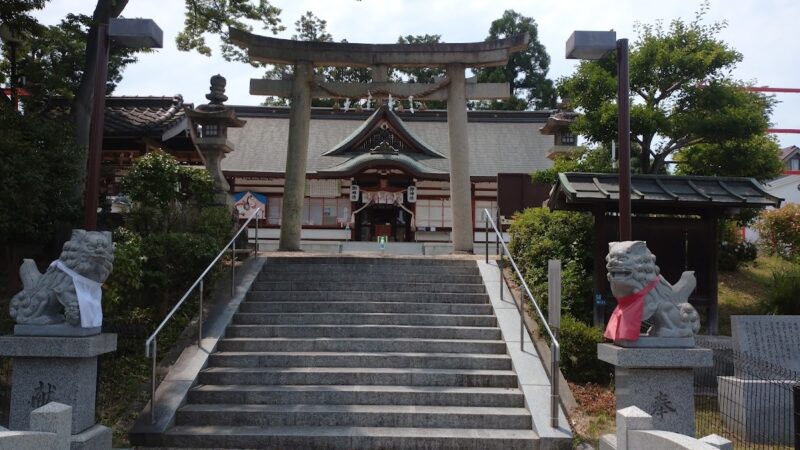
- Bow before passing through the torii gate: This is a sign of respect when entering the sacred area.
- Purify yourself at the water basin: Purify your left hand, then your right hand, then your mouth.
- Walk along the edge of the path: The center is considered the path of the gods.
- Two bows, two claps, one bow: Follow the general shrine visit etiquette.
Regarding Photography
Photography is generally permitted on the shrine grounds, but consideration should be given to avoiding disturbing religious ceremonies or other visitors. Especially during the Tanabata Festival, it gets crowded, so please be mindful of those around you.
Recommended Itineraries for Visiting Hataori Shrine
Half-Day Course
Morning: Visit Hataori Shrine and receive a Goshuin (shrine stamp)
Lunch: Lunch in Katano City or Hirakata City
Afternoon: Stroll along the Amanogawa River or visit Hoshida Park in Osaka Prefectural Forest
Full-Day Course
Morning: Nature observation at the Osaka Metropolitan University Botanical Garden
Lunch: Lunch in Katano City
Afternoon: Visit Hataori Shrine and explore nearby Tanabata legend spots
Evening: Enjoy the sunset from the Star Swing in Hoshida Park
Tanabata Festival Participation Plan
15:00: Arrive early and leisurely explore the shrine grounds
16:00: Receive a Goshuin (shrine stamp) (recommended before crowds)
17:00: Enjoy the time when the stalls begin to open
18:00: Admire the illuminated Tanabata decorations
19:00: Enjoy street food for dinner
History and Culture of Katano City
A Key Trading Hub Since Ancient Times
Katano City has played a vital role in trade with the continent since ancient times. The advanced technologies brought by immigrants greatly contributed to the development of this region, and the textile industry, in particular, formed the foundation of the local economy.
A Center for Star Worship
There is a theory that the name Katano itself means “Kauno,” meaning “a field where heaven and earth meet.” This suggests that ancient people observed stars in this area and worshipped them.
Summary | The Charm of Hataori Shrine
Hataori Shrine is not merely a tourist spot, but a valuable cultural heritage site that conveys the origins of Japan’s Tanabata legend. The history of textile technology brought by the immigrant Hata clan, the prototype of the Orihime legend, and the form of faith rooted in the region are all condensed in this small shrine.
Especially during the Tanabata festival, the ancient star worship and the lively atmosphere of the modern festival merge, offering a unique and special experience. This shrine is well worth visiting not only for those seeking good fortune in love or improvement in their skills, but also for anyone interested in traditional Japanese culture and history.
Located in Katano City, Osaka Prefecture, easily accessible from the city center, yet retaining a rich natural environment and historical atmosphere, Hataori Shrine is a truly remarkable place. Why not visit this ancient shrine, known as the shrine of Orihime (the Weaver Princess)?