Koma Shrine (Yao City, Osaka Prefecture) Complete Guide | History, Goshuin (Shrine Seal), and Access Information
Koma Shrine, located in Kyuhoji, Yao City, Osaka Prefecture, is a historic shrine listed in the Engishiki (ancient Japanese legal code), founded by immigrants of Korean descent. Listed in the Engishiki Jinmyocho (a list of shrines compiled in the Heian period), this shrine boasts a history of over 1100 years, where a unique faith, a fusion of ancient immigrant culture and Japanese Shinto, still thrives.
This article comprehensively covers everything you need to know before visiting Koma Shrine, including its detailed history, enshrined deities, highlights within the grounds, goshuin information, and access methods.
Basic Information about Koma Shrine
Location: 5-4-8 Kyuhoji, Yao City, Osaka Prefecture
Phone Number: 072-923-4235
Nearest Station: Approximately 7 minutes on foot from JR Kansai Main Line “Kyuhoji Station”
Shrine Rank: Shikinaisha (listed in the Engishiki Jinmyocho), Former Gosha (village shrine)
Deities Enshrined: Susanoo-no-Mikoto, Koma-no-Ou Reijin, Gozu Tenno, Koma Okami
Koma Shrine has long been a central shrine in the Kyuhoji area of Yao City, attracting the faith of local residents. Located near the historical townscape of Kyuhoji Terauchi-cho, the surrounding area is culturally rich with numerous historical temples and shrines.
History of Koma Shrine
Founding and Ancient Origins
The exact founding date of Koma Shrine is unknown, but it is listed as “Koma Shrine, Shibukawa District, Kawachi Province” in the “Engishiki” Jinmyocho (a list of shrines compiled in 927 during the mid-Heian period), confirming its existence at least 1100 years ago.
The shrine’s name, “Koma,” is related to “Koma” (高麗), and it is believed that the shrine originated from immigrants of Korean descent who settled in this area and worshipped their ancestral deity. Kawachi Province was known as a region with a large immigrant population in ancient times, and Korean immigrants, in particular, concentrated around Kyuhoji. They brought advanced technology and culture, greatly contributing to the development of this region.
Syncretism with Gozu Tenno Worship
From the medieval period onward, Koma Shrine became widely known as a shrine dedicated to Gozu Tenno. Gozu Tenno was worshipped as a god who wards off epidemics and was syncretized with Susanoo-no-Mikoto. During the Edo period, he was affectionately known locally as “Gozu Tenno of Kyuhoji,” attracting many worshippers seeking protection from misfortune and healing from illness.
With the Meiji-era separation of Shinto and Buddhism, the name “Gozu Tenno,” which had strong Buddhist connotations, ceased to be officially used, and the shrine was reorganized to have Susanoo-no-Mikoto as its principal deity. However, the tradition of Gozu Tenno worship continues in the region.
Relationship between the Jinguji Temple and the Temple Town
Kyoma Shrine once had a Jinguji temple called “Kyuhoji Kannon-in.” This is a remnant of the Shinto-Buddhist syncretism era, indicating that the shrine and temple were integrated to form a center of faith.
Kyuhoji is a region that developed as a temple town centered around the Jodo Shinshu Kyuhoji Gobo (Kenshoji Temple). Kyoma Shrine has served as the guardian shrine of this temple town, playing a vital role as a spiritual pillar of the community.
Changes Since the Modern Era
Regarding the shrine buildings, records show that the buildings were rebuilt in 1582 (Tensho 10), indicating that a magnificent shrine already existed at the end of the Sengoku period. However, in 1969 (Showa 44), the shrine buildings were tragically destroyed by a suspicious fire.
Afterward, through the efforts of the parishioners and local residents, the shrine buildings were rebuilt, resulting in their current form. The reconstruction of the shrine buildings, overcoming the hardship of destruction, embodies the deep faith of the local people and their strong will to continue protecting the shrine.
Deities and Divine Virtues
Main Deity: Susanoo-no-Mikoto
Susanoo-no-Mikoto is a representative god in Japanese mythology, known as the younger brother of Amaterasu-Omikami. While possessing a fierce character, he also has a heroic side, having saved people by slaying the Yamata no Orochi (eight-headed serpent).
Divine Virtues: Protection from evil, eradication of disease, healing from illness, matchmaking, protection of agriculture
Koma-o Reijin/Koma Okami
These deities are worshipped as the ancestral gods of immigrants of Korean descent. It is believed that when these immigrants left their homeland and settled in this area, they worshipped the spirits of their ancestors as gods as a spiritual anchor.
Divine Virtues: Family safety, prosperity of descendants, technological advancement, cultural development
Gozu Tenno
A deity of Buddhist origin, widely worshipped as a god of protection against disease. Identified with Susanoo-no-Mikoto, he particularly garnered fervent devotion from local people during the Edo period as “Gozu Tenno of Kyuhoji.”
Divine Virtues: Eradication of disease, protection from evil, good health
Highlights of the Shrine Grounds
Main Hall
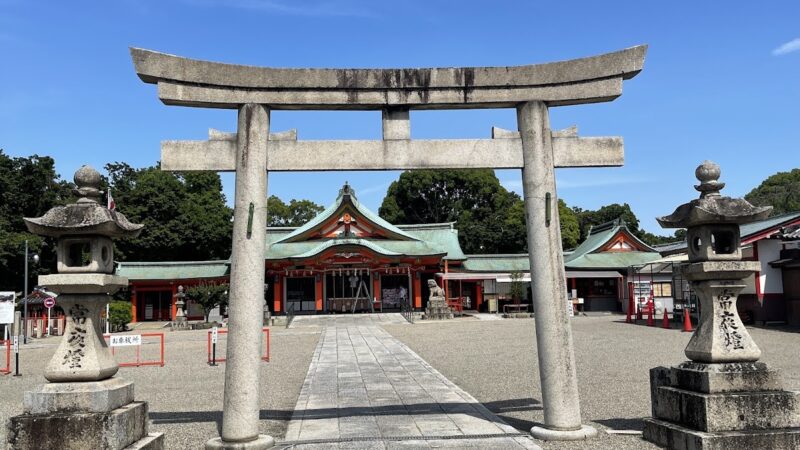
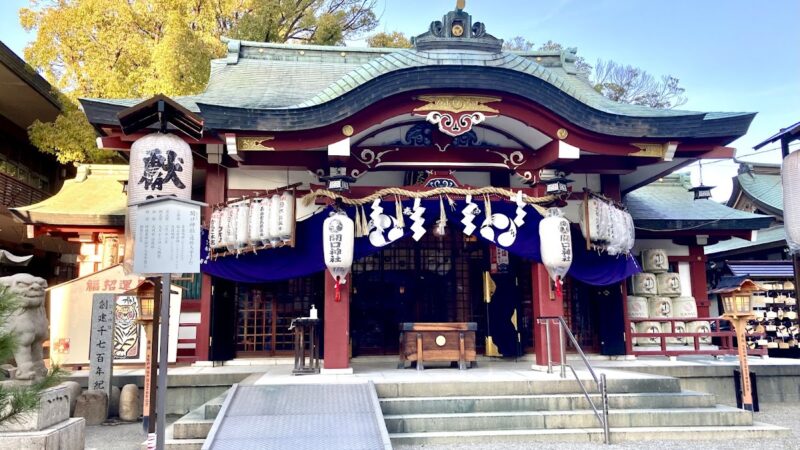
Rebuilt after a fire in 1969, the main hall is a magnificent structure built with modern technology while adhering to traditional shrine architectural styles. The grounds are regularly maintained, creating a refreshing atmosphere.
Itsukushima Shrine (Shrine within the Precincts)
Within the grounds of Koma Shrine lies the Itsukushima Shrine. Itsukushima Shrine enshrines Ichikishima-hime no Mikoto and is worshipped as the god of water and performing arts.
A pond surrounds the shrine, where many carp swim. This pond brings a sense of freshness to the grounds, creating a calming and healing space for visitors. Carp are considered symbols of longevity and success, and watching them swim in the pond is one of the pleasures of visiting the shrine.
Water Basin
A water basin for purifying the body and mind before worship is also provided. By purifying your hands and mouth with the correct etiquette before worship, you can face the gods with a purer heart.
Shrine Office
The shrine office handles the issuance of Goshuin (shrine stamps) and the application for various prayers. Since the chief priest may be absent, it is recommended that those wishing to receive a Goshuin (temple/shrine stamp) call in advance to confirm.
Goshuin and Goshuincho (stamp book) Information
About Goshuin
Goshuin are available at Koma Shrine. The Goshuin will have the shrine name and date of visit written in ink, and the shrine’s seal will be stamped.
Offering Fee: Usually around 300-500 yen (subject to change, please confirm at the time of visit)
Reception Hours: During shrine office hours (prior contact is recommended as the chief priest may be absent)
Phone Number: 072-923-4235
Goshuin are proof of worship and are sacred, unlike stamp rallies. Please be sure to complete your worship before receiving one.
Original Goshuincho
For information on the availability of Koma Shrine’s original Goshuincho, please inquire directly with the shrine. In recent years, many shrines have prepared original design Goshuincho, so it is recommended to check at the time of visit. ## Annual Events and Festivals
Koma Shrine holds various festivals and events throughout the year.
Main Annual Events
- New Year’s Day Festival (January 1st): A festival celebrating the New Year
- Setsubun Festival (Setsubun in February): Prayers for protection against evil and for good fortune
- Spring Grand Festival: Prayers for peace and prosperity in the community
- Summer Purification Ceremony (end of June): Purification of impurities accumulated over the past six months
- Autumn Grand Festival: Prayers for gratitude for the harvest and for the prosperity of the community
- Shichi-Go-San Festival (November): Celebration of children’s growth
- Great Purification Ceremony (end of December): Purification of impurities accumulated over the year
For specific dates and details, please contact the shrine directly or check the latest information on the official Instagram (@komajinjya).
Access and Parking Information
Access by Train
Approximately 7 minutes on foot from JR Kansai Main Line (Yamatoji Line) “Kyuhōji Station”
Kyuhōji Station is easily accessible, approximately 15 minutes from Tennoji Station on the Osaka Loop Line and approximately 10 minutes from JR Namba Station. The walk from the station to the shrine is a quiet route through a residential area, allowing you to experience the historical atmosphere of Kyuhōji Temple Town.
Approximately 15 minutes on foot from Kintetsu Osaka Line “Kyuhōjiguchi Station”
If using Kintetsu, Kyuhōjiguchi Station is the closest, but JR Kyuhōji Station is slightly closer.
Access by Car
Approximately 10 minutes from Hanshin Expressway “Yao IC”
Approximately 15 minutes from Kinki Expressway “Yao IC”
Since the Kyuhōji area is a residential area, please enter “5-4-8 Kyuhōji, Yao City, Osaka Prefecture” or “Kyoma Shrine” into your car navigation system.
Parking
Please inquire with the shrine in advance to see if they have a dedicated parking lot. There are coin-operated parking lots nearby, but spaces are limited, so we recommend using public transportation.
Nearby Attractions and Temples
Kyuhoji Temple Town
The Kyuhoji area, where Koma Shrine is located, is a temple town that developed around Kyuhoji Gobo (Kenshoji Temple), a Jodo Shinshu Buddhist temple. The townscape retains the atmosphere of the Edo period, making it an ideal area for historical walks.
At the Yao City Townscape Center (Temple Town Community Center), you can learn about the history and culture of the temple town.
Yao City Townscape Center
Address: 3-3-20 Kyuhoji, Yao City, Osaka Prefecture
Approximately 5 minutes on foot from Koma Shrine
Kyuhoji Gobo (Kenshoji Temple)
A temple of the Jodo Shinshu Honganji sect, this historic temple was the center of the Kyuhoji temple town. The magnificent main gate and main hall are well worth seeing. ### Other Nearby Shrines
There are many other historical shrines scattered throughout Yao City. After visiting Koma Shrine, we recommend a shrine pilgrimage to the surrounding shrines.
Manners and Etiquette for Visiting Shrines
Observing basic manners when visiting a shrine will make your visit more meaningful.
Basic Shrine Etiquette
- When passing through the torii gate: Bow before entering the shrine grounds. Since the center of the path is considered the path of the gods, walk along the side.
- Purifying at the Water Basin:
- Take the ladle with your right hand and purify your left hand.
- Switch the ladle to your left hand and purify your right hand.
- Switch the ladle back to your right hand, receive water in your left hand, and rinse your mouth.
- Finally, stand the ladle upright and purify the handle.
- Worship at the Main Hall:
- Quietly place your offering in the offering box.
- Ring the bell if there is one.
- Perform the two bows, two claps, one bow (bowing deeply twice, clapping twice, bowing deeply once).
- Upon Exiting: After exiting the torii gate, turn around and bow once.
Regarding Photography
Photography is generally permitted within the shrine grounds, but please refrain from taking pictures inside the main hall or in sacred areas. It is important to be considerate of other worshippers and to take pictures quietly.
Cultural Properties and Characteristics of Koma Shrine
Value as a Shikinaisha Shrine
Koma Shrine is a Shikinaisha shrine listed in the “Engishiki” (a historical document detailing Shinto rituals and laws), and is a prestigious shrine recognized by the imperial court since the Heian period. As an important shrine in Shibukawa District, Kawachi Province, it has been a center of local faith since ancient times.
Traces of Immigrant Culture
As a shrine established by immigrants of Korean descent, it is a valuable example of cultural exchange between Japan and the Korean Peninsula in ancient times. The technology and culture brought by these immigrants greatly contributed to the development of this region.
Koma Shrine can be said to symbolize Japan’s history of multicultural coexistence.
Tradition of Gozu Tenno Worship
Since the Edo period, it has been affectionately known as “Gozu Tenno of Kyuhoji,” and has attracted the faith of local people as a god who wards off epidemics. Even today, worshippers visit to pray for good health and protection from evil.
Visitor Feedback and Reviews
Visitors to Koma Shrine have shared the following comments:
- “A quiet and peaceful shrine. Watching the carp swimming in the pond on the grounds is very calming.”
- “Despite being a historical shrine listed in the Engishiki (ancient Japanese legal code), it has a warm atmosphere deeply rooted in the local community.”
- “Visiting it in conjunction with a stroll through the Kyuhoji temple town allows you to feel the depth of its history.”
- “A valuable shrine where you can learn about the history of immigrants.”
Recommended Points for Visiting Koma Shrine
Recommended for History Enthusiasts
As a shrine listed in the Engishiki with over 1100 years of history, you can learn about the multi-layered history of the Gozu Tenno (Ox-Headed Heavenly King) culture of immigrants from Korea, the Gozu Tenno faith, and the history of the temple town.
For Those Who Want to Worship in Peace
Located in a residential area away from the hustle and bustle of the city, you can worship in a peaceful atmosphere.
For Those Collecting Goshuin (Shrine Seals)
You can receive a formal goshuin from this Engishiki shrine (priestly check in advance as the priest may not always be present).
Combined with a Local Stroll
Visiting Koma Shrine in conjunction with a stroll through the historic townscape of Kyuhoji Terauchi-cho will make your experience even more fulfilling.
How to Check the Latest Information
You can check the latest information about Koma Shrine in the following ways:
Official Instagram: @komajinjya
The latest information, such as festival schedules and the appearance of the shrine grounds, is posted here.
Telephone: 072-923-4235
You can directly inquire about visiting hours, issuance of Goshuin (shrine stamps), and prayer requests.
Osaka Prefectural Shrine Association Website
Basic information about Koma Shrine is posted here.
Summary
Koma Shrine is a historical Shikinaisha (shrine listed in the Engishiki) located in Kyuhoji, Yao City, Osaka Prefecture. It originated when immigrants of Korean descent enshrined their ancestral deity, and has become associated with the Gozu Tenno faith, becoming affectionately known as “Gozu Tenno of Kyuhoji” by the local people.
Despite its history spanning over 1100 years, this shrine maintains a warm, community-oriented atmosphere, offering numerous attractions such as the Itsukushima Shrine within its grounds and a pond where carp swim.
Conveniently located about a 7-minute walk from JR Kyuhoji Station, it’s easily accessible, and a visit in conjunction with a historical stroll through Kyuhoji Temple Town will make for a more fulfilling experience.
The shrine offers various divine blessings, including protection from evil, healing from illness, and family safety, and offers Goshuin (stamped seals) (prior confirmation required). It’s especially recommended for those seeking a quiet visit, those interested in history, and those wanting to experience local culture.
If you have the opportunity to visit Yao City, Osaka Prefecture, why not pay a visit to Koma Shrine? The time spent offering quiet prayers in this place of ancient faith will surely be a memorable experience.