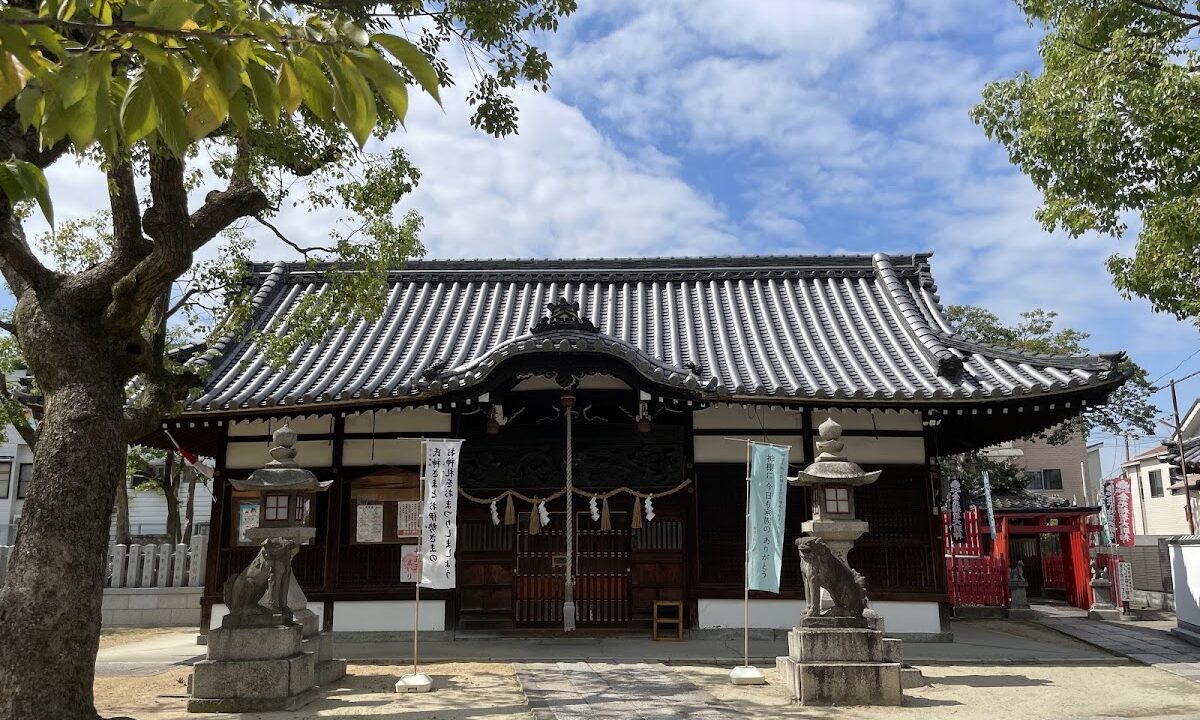
Complete Guide to Uriwari Tenjin Shrine (Osaka Prefecture) | History, Goshuin (Shrine Seal), Access, and Benefits Explained in Detail
Uriwari Tenjin Shrine, located in Uriwari, Hirano Ward, Osaka City, is a historical shrine said to have been founded during the Taika era (645-649). It has a unique legend deeply connected to the origin of the place name “Uriwari” and is cherished by the local people. This article provides detailed information you should know before visiting Uriwari Tenjin Shrine, including its history, enshrined deities, benefits, goshuin information, and access methods.
Basic Information about Uryu Tenjin Shrine
Location: 5-4-19 Uryu, Hirano-ku, Osaka City, Osaka Prefecture 547-0024
Phone Number: 06-6709-1103
Nearest Station: Approximately 10 minutes on foot (approx. 800m) from Kire-Uriwari Station on the Osaka Metro Tanimachi Line
Parking: Available (several spaces on the shrine grounds)
Shrine Office Hours: Usually 9:00 AM to 5:00 PM (may vary depending on events)
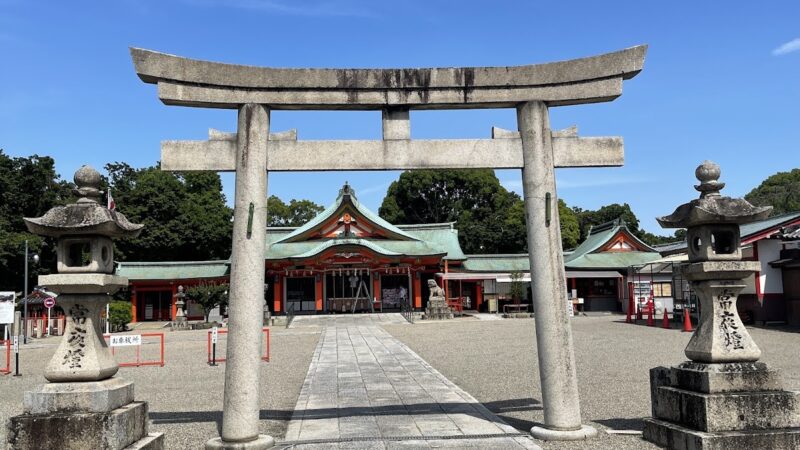
Despite being located in a densely populated residential area in eastern Osaka City, the shrine grounds exude a tranquil atmosphere and are cherished as a place of relaxation for local residents.
History and Founding Origins of Uryu Tenjin Shrine
Founding Legend from the Taika Era
The founding of Uryu Tenjin Shrine dates back to the Taika era (645-649). According to shrine tradition, it is said that when the high-ranking monk Funashi no Dōshō, who was practicing asceticism in this area, was contemplating the teachings of the Three Essences, a statue of Tenjin appeared.
Funashi no Dōshō is a monk known as the founder of the Hossō school of Buddhism in Japan. He traveled to Tang China to study under Xuanzang, and after returning to Japan, he introduced the Hossō school. This area belonged to Tanbi District, and records show that Dōshō practiced asceticism in this area.
The Legend Behind the Place Name “Uriwari”
The most distinctive legend of Uriwari Tenjin Shrine is the legend of the melon, which is said to be the origin of the place name “Uriwari.”
It is said that when the sacred image of Tenjin appeared, Dōshō split a watermelon and offered it before the deity. When this incident was reported to the imperial court, a plot of land measuring eight square cho (approximately 870m x 870m) was granted, and a shrine was built and a statue of Tenjin enshrined. This is considered the origin of Uryu Tenjin Shrine.
This legend of “offering a split melon” is said to be one of the origins of the area being called “Uriwari,” and it remains a distinctive and difficult-to-read place name even today within Osaka City.
Alternative Names: “Nishinomiya” and “Hachicho no Miya”
At the time of its founding, Uryu Tenjin Shrine was called “Nishinomiya” or “Hachicho no Miya.” The vast grounds of eight square cho indicate the size of the shrine at the time.
Although the grounds have shrunk over time, its role as a center of faith in the region has been passed down to the present day.
Deities and Benefits
Deities
Three deities are enshrined at Uryu Tenjin Shrine.
Main Deities:
- Susanoo-no-Mikoto: A deity appearing in Japanese mythology, worshipped as a god of protection against misfortune and disease.
- Sugawara no Michizane: A Heian period nobleman and scholar revered nationwide as the god of learning.
- Taira no Koremori: Grandson of Taira no Kiyomori, a warrior who also appears in the Tale of the Heike.
Benefits
The main benefits said to be bestowed at Uryu Tenjin Shrine are as follows:
- Prayers for academic success and passing exams: Many students and those preparing for exams visit the shrine because it enshrines Sugawara no Michizane.
- Protection from evil and disaster: The shrine offers protection from evil through the divine virtues of Susanoo-no-Mikoto.
- Family safety and good health: As the local guardian deity, it protects the health and safety of families.
- Business prosperity: It is worshipped as the guardian deity of local commerce.
Especially during exam season, many students and their parents visit seeking the divine blessings of Sugawara no Michizane.
Highlights of the shrine grounds
Main Hall and Worship Hall
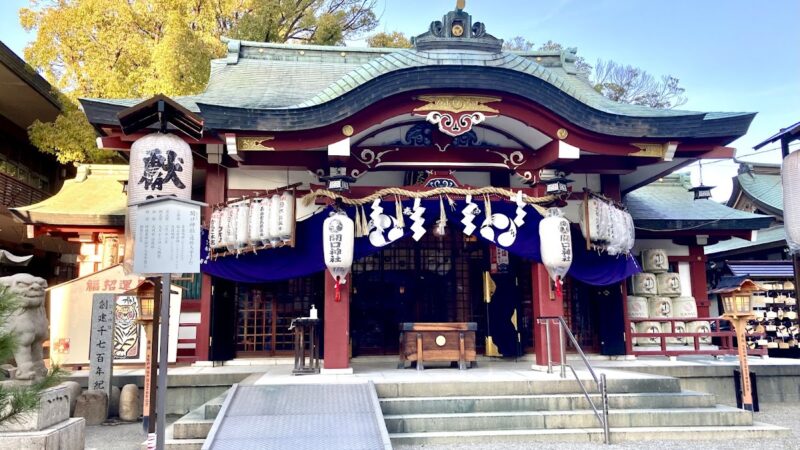
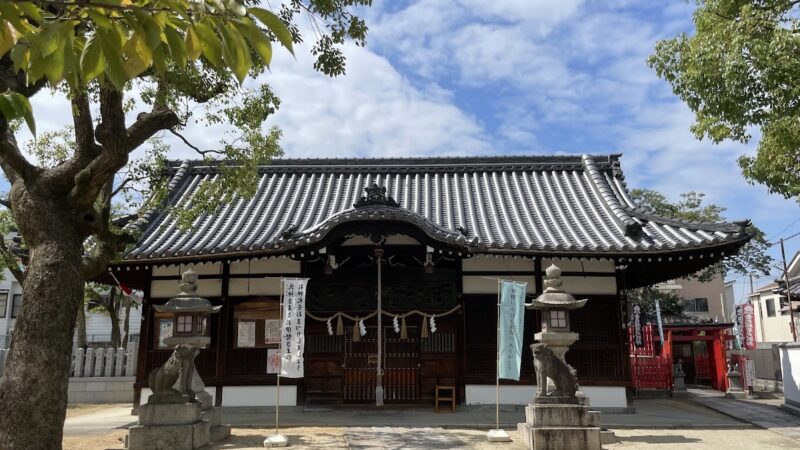
The main hall of Uryu Tenjin Shrine is built in the traditional style of shrine architecture, maintaining a solemn atmosphere despite being located in a residential area. A bell rope is installed in front of the worship hall where worshippers ring bells while making their wishes.
Subsidiary Shrines
Several subsidiary shrines are enshrined around the main hall, each housing a different deity. There are also small shrines that attract local worshippers, allowing visitors to feel the remnants of ancient folk beliefs.
Shrine Office
The shrine office provides Goshuin (shrine stamps) and various amulets. Since there are times when a Shinto priest is not always present, it is recommended to call ahead to confirm if you wish to receive a Goshuin.
Goshuin Information
About Goshuin Issuance
Uriwari Tenjin Shrine offers Goshuin. In recent years, it has gained attention among those who enjoy visiting shrines and collecting Goshuin, and more people are receiving them as a memento of their visit.
Goshuin (Shrine Seal) Issuance Hours: Usually 9:00 AM to 5:00 PM (Please check as priests may not always be present)
Offering Fee: Approximately 300-500 yen (Subject to change)
Pre-written Goshuin Available: When priests are absent, pre-written goshuin may be provided.
Electronic Goshuin
As a modern initiative, Uryu Tenjin Shrine has also introduced an electronic goshuin system. This service allows you to obtain goshuin electronically via a smartphone app, and several visitors are already using it.
Those who wish to have their goshuin inscribed in a paper goshuin book should request it directly at the shrine office during their visit.
Annual Festivals and Events
Uriwa Tenjin Shrine holds various festivals and events throughout the year.
Main Annual Events
- January 1st: Saitansai (New Year’s Day Festival)
- Mid-January: Tondo-yaki (Burning of New Year’s decorations and amulets)
- Around February 3rd: Setsubun Festival (Bean-throwing, etc.)
- February 25th: Festival commemorating the death anniversary of Sugawara no Michizane
- Around July: Summer Festival (A festival where local residents gather)
- Around October: Autumn Grand Festival (One of the most important festivals of the year)
- Around November: Shichi-Go-San (Celebrating the growth of children)
- December 31st: Oharai (Great Purification Ceremony) and Joyasai (New Year’s Eve Festival)
*The dates of festivals may change depending on the year. Please contact the shrine directly for details.
Connections with the Community
Local residents actively participate in the festivals of Uriwari Tenjin Shrine, playing a central role in the local community. Especially during the summer festival and the autumn grand festival, many people, from children to the elderly, gather, making it a place for the transmission of traditional culture.
Access Methods
Access by Train
From Kire-Uriwari Station on the Osaka Metro Tanimachi Line
- Approximately 10 minutes on foot from Exit 4 (approx. 800m)
- Head southeast from the station and you will arrive at the shrine after passing through the residential area.
Access by Bus
Osaka City Bus routes are also available. The nearest bus stop is a few minutes’ walk away.
Access by Car
From the Hanshin Expressway
- Approximately 10 minutes from the Komagawa Exit on the Hanshin Expressway Route 14 Matsubara Line
- Approximately 15 minutes from the Suminoe Exit on the Hanshin Expressway Route 4 Wangan Line
Parking: There are a few parking spaces on the shrine grounds, but since the number is limited, we recommend using public transportation during New Year’s visits and festivals.
Landmarks in the Surrounding Area
Uriwari Tenjin Shrine is located in a densely populated residential area, so first-time visitors are advised to use a map app or navigation system. It is situated in the residential area of Uriwari 5-chome, with a shopping street and park nearby.
Manners and Etiquette for Worship
Basic Worship Etiquette
- Bow before passing through the torii gate: As a sign of respect before entering the sacred area.
- Purify your body and mind at the water basin: Purify your left hand, then your right hand, then your mouth.
- Walk along the edge of the path: The center is considered the path of the gods.
- Etiquette in front of the main hall: Two bows, two claps, and one bow are the basic forms.
- Bow again at the torii gate upon leaving: As a sign of gratitude to the gods.
Photography
Photography is generally permitted within the shrine grounds, but it is considered good manners to refrain from taking pictures inside the main hall or during religious ceremonies. Also, please be considerate of other worshippers.
Attractions Around Uryutenjinja Shrine
Historical Spots in Hirano Ward
Hirano Ward in Osaka City, where Uryutenjinja Shrine is located, is a historically prosperous area with numerous historical shrines and temples.
- Kumata Shrine: A major shrine representing Hirano Ward, famous for its Danjiri Festival
- Dainenbutsu-ji Temple: The head temple of the Yuzu Nenbutsu sect
- Hirano-go Townscape: An area that retains the atmosphere of a medieval moated settlement
Nearby Commercial Facilities
The area around Kire-Uriwari Station has shopping streets and supermarkets, making it convenient for shopping and dining after visiting the shrine.
Inquiries about Uryutenjinja Shrine
For inquiries regarding visits, prayers, Goshuin (shrine stamps), and event schedules, please contact the following:
Uriwari Tenjin Shrine
Phone: 06-6709-1103
*Reception hours are usually 9:00 AM to 5:00 PM, but priests may not always be present.
If you need to make a reservation for a prayer or offer a donation, it is recommended to call in advance.
Summary of the Charms of Uriwari Tenjin Shrine
Uriwari Tenjin Shrine boasts a long history dating back to the Taika era, and continues to attract deeply rooted local faith. Its unique legend of “offering a split melon” is fascinating as the origin of the place name, and it is a valuable resource for understanding Osaka’s history and culture.
As it enshrines Sugawara no Michizane, the god of learning, many worshippers visit during exam season. It also enjoys strong faith from local residents seeking protection from misfortune and family safety, attracting a diverse range of visitors throughout the year.
Despite being located in a residential area, the shrine grounds have a quiet and peaceful atmosphere, making it an ideal place to escape the hustle and bustle of the city and find peace of mind. One of its attractions is its excellent accessibility, being within walking distance of Kire-Uriwari Station on the Osaka Metro Tanimachi Line.
When visiting Hirano Ward, why not stop by Uriwari Tenjin Shrine and offer your prayers while reflecting on ancient legends? For those collecting Goshuin (shrine stamps), it will be a valuable shrine where you can feel the history of the region.
Notes for Visitors
- Dress Code: There are no specific regulations, but it is desirable to wear clothing that is respectful of the sacred place.
- Pets Allowed: It is recommended to check in advance regarding bringing pets into the shrine grounds.
- Offering: There is no set amount, but please offer with sincerity.
- Shrine Office Hours: There are times when priests are not always present, so it is best to contact them in advance if you wish to receive a Goshuin or prayer.
- During Festivals: Crowds are expected during New Year’s and major festivals, so please allow ample time for your visit.
Uriwari Tenjin Shrine is a valuable shrine that conveys the history and culture of Osaka to the present day. Take some time to visit the shrine in peace, while reflecting on the legend of Funashi Michiaki, the origin of the place name Uriwari, and the history of faith rooted in the region.