Complete Guide to Tanbi Shrine (Mihara Ward, Sakai City, Osaka Prefecture) | History, Goshuin (Shrine Seal), and Highlights of this Ancient Shrine Associated with Emperor Hanzei
Tanbi Shrine, located in Mihara Ward, Sakai City, Osaka Prefecture, is an ancient shrine listed in the Engishiki Jinmyocho (a legal code compiled in 927) in Tanbi District, Kawachi Province. Known as the birthplace of Emperor Hanzei, the shrine grounds contain numerous historical remains, including the well where he was given his first bath. This article comprehensively explains everything you need to know before visiting Tanbi Shrine, from its history and enshrined deities to its highlights, goshuin information, and access methods.
History and Origins of Tanbi Shrine
Ancient Shrine Listed in the Engishiki Jinmyocho
Tanbi Shrine is an ancient shrine listed in the Engishiki Jinmyocho (compiled in 927), a legal code from the Heian period, as “Tanbi Shrine” in Tanbi District, Kawachi Province. This listing confirms that the shrine played an important role in this region from the Nara period to the Heian period. Shrines listed in the Engishiki Jinmyocho (a list of shrines compiled in the Heian period) are called “Shikinaisha” and are considered to be high-ranking shrines recognized by the imperial court since ancient times. While many Shikinaisha exist in Kawachi Province, Tanbi Shrine has long been revered as the representative shrine of Tanbi District.
Birthplace of Emperor Hanzei
Tanbi Shrine is particularly known for the legend that it is the birthplace of Emperor Hanzei, the 18th emperor of Japan. Emperor Hanzei was the son of Emperor Nintoku, the 17th emperor, and is also known as Mizuhawake-no-mikoto.
According to legend, Emperor Hanzei was born in this area, and his first bath was taken from a well dug at that time. This well is called “Mizui no Ido” (Mizui Well), and its remains still exist on the shrine grounds. It is also said that the area came to be called “Tajii” because many tachibana flowers bloomed around the pool where the first bath was poured.
Relationship with the Tanbi Clan
The name of Tanbi Shrine is believed to originate from the ancient Tanbi clan. The Tanbi clan was a powerful family based in Kawachi Province and was deeply involved in the development and governance of the region. It is presumed that the shrine’s founding had the character of a tutelary shrine for the Tanbi clan.
Main Deity and Enshrined Deities
Main Deity: Hoakari-no-Mikoto
The main deity of Tanbi Shrine is Hoakari-no-Mikoto. Hoakari-no-Mikoto is a grandson of Amaterasu-Omikami and is considered the ancestral deity of clans such as the Owari and Amabe clans. He is worshipped as a god of agriculture, fishing, and pioneering, and his connection to the Tanbi clan, who were involved in the development of Kawachi Province, has been pointed out.
Enshrined Deities
In addition to the main deity, Hoakari-no-Mikoto, several other deities are enshrined at Tanbi Shrine:
Mizuhawake-no-Mikoto
Another name for Emperor Hanzei. The following deities are enshrined within the grounds of Tanbi Shrine, such as Ichimoto Shrine, reflecting its significance as the birthplace of Emperor Hanzei.
Ōyamatsumi-no-Mikoto
A mountain god enshrined at Hiyoshi Shrine. Worshipped as the guardian deity of agriculture and industry.
Izanagi-no-Mikoto and Izanami-no-Mikoto
These are the gods of creation in Japanese mythology, and are important deities enshrined in many shrines.
Ōshikouchi-Yamatohime-no-Mikoto
A deity enshrined at Shimizu Shrine, playing a role as a guardian deity of the region.
Sugawara-no-Michizane
Enshrined in several subsidiary shrines within the grounds, including Sugawara Shrine, he is worshipped as the god of learning. For this reason, Tanbi Shrine was also known as “Wakamatsu Tenjin.”
Highlights of the Shrine Grounds
The Long Approach
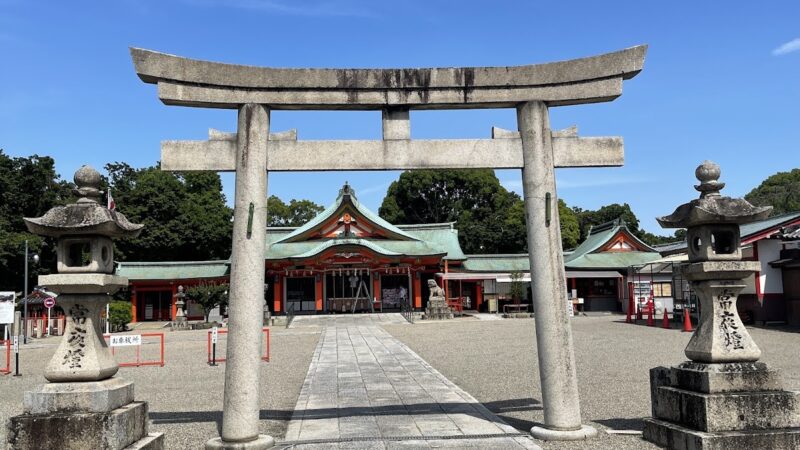
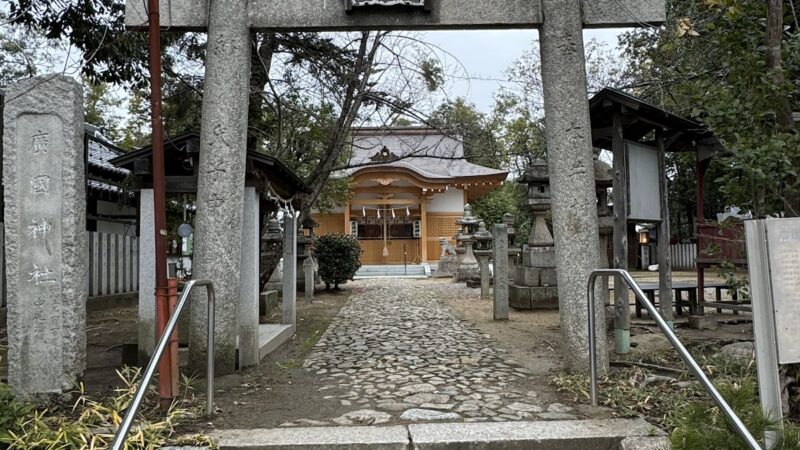
One of the most distinctive features of Tanbi Shrine is its extremely long approach. The distance from the first torii gate on the east side to the main hall is considerable, and walking along this approach gives you a sense of gradually entering the sacred grounds.
The approach extends through what is now a residential area, testifying to the significant influence Tanbi Shrine once had on this region. Located northeast of Lalaport Sakai, it forms an interesting landscape where modern commercial facilities and a historic shrine coexist.
The Well of Emperor Hanzei’s First Bath (Mizui Well)
The most important historical site on the shrine grounds is the “Mizui Well,” where Emperor Hanzei is said to have been bathed after birth. This well is believed to have been dug at the time of Emperor Hanzei’s birth and may have a history of over 1600 years.
Remnants of the well still remain, making it an important spot to experience the history of Tanbi Shrine as a place associated with Emperor Hanzei. Information boards are installed around the well, allowing visitors to learn about its historical background.
Shrines within the Precincts and Subsidiary Shrines
Several subsidiary shrines are located within the grounds of Tanbi Shrine:
- Ichimoto Shrine: Dedicated to Mizuhawake-no-Mikoto
- Hiyoshi Shrine: Dedicated to Oyamatsumi-no-Mikoto
- Shimizu Shrine: Dedicated to Onokochi-Yamato-hime-no-Mikoto
- Sugawara Shrine: Dedicated to Sugawara no Michizane
By visiting these subsidiary shrines, you can learn about the diverse history of faith at Tanbi Shrine.
Worship Hall and Main Shrine
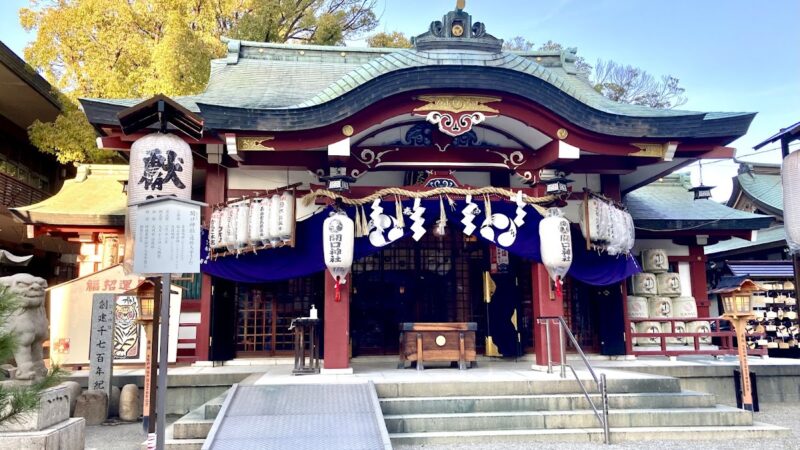
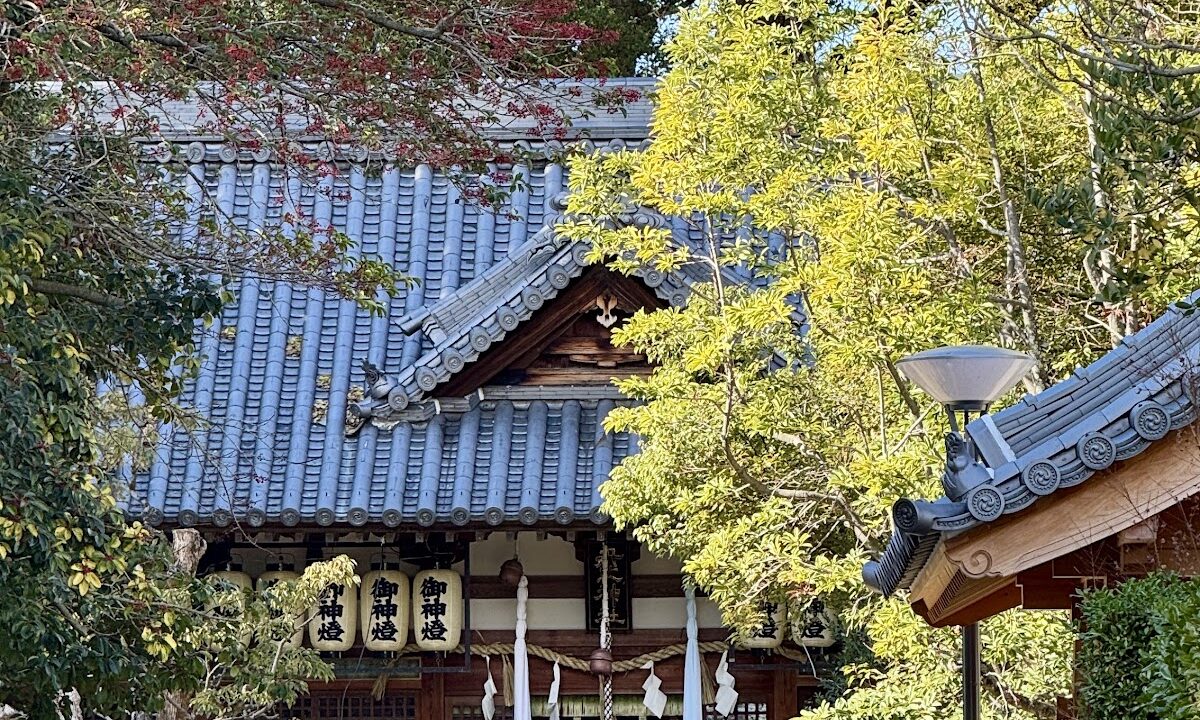
The worship hall of Tanbi Shrine is located at the end of a long approach. The main shrine is situated behind the worship hall and preserves the traditional style of shrine architecture. The grounds are enveloped in a tranquil atmosphere, providing a peaceful space for worship despite being in an urban area.
Shrine Grove and Natural Environment
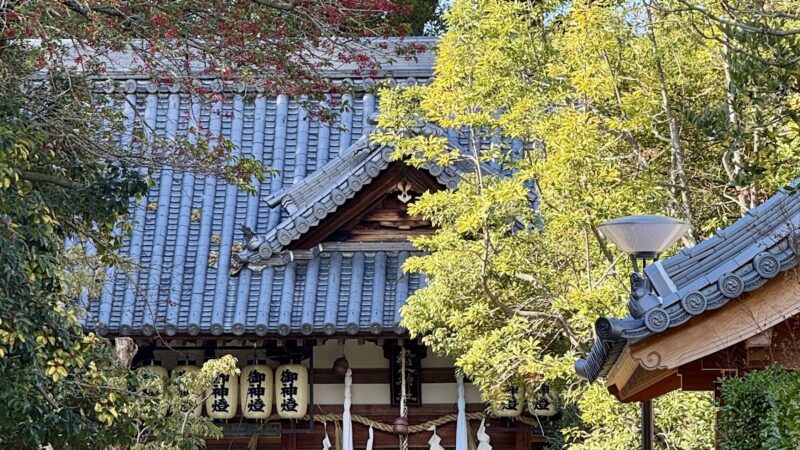
The shrine grounds retain abundant ancient trees and greenery, making it a valuable natural space in the increasingly urbanized Mihara Ward of Sakai City. The nature within the shrine grounds, which displays different expressions with each season, offers a sense of peace and tranquility to visitors.
Goshuin (Shrine Seal) and Goshuincho (Shrine Seal Book) Information
About Goshuin
Tanbi Shrine offers goshuin. Reception hours are usually 9:00 AM to 5:00 PM. The goshuin features the calligraphy and red seal of “Tanbi Shrine,” and is a popular memento for many visitors.
As a shrine with the prestigious status of a Shikinaisha (a shrine listed in the Engishiki, an ancient Japanese legal text), the goshuin of Tanbi Shrine will be a valuable item for those visiting shrines. Those wishing to receive a goshuin should inquire at the shrine office.
Goshuincho (Shrine Seal Book)
Please check with the shrine office during your visit regarding the availability of Tanbi Shrine’s original goshuincho. When visiting Shikinaisha shrines in Osaka Prefecture, the goshuin of Tanbi Shrine is an important one to obtain.
Annual Events and Festivals
Annual Festival
The annual festival of Tanbi Shrine is held every year on October 9th. This is the most important festival of the shrine, where local parishioners and devotees gather to express gratitude to the gods and pray for the peace and prosperity of the community.
Other Events
Various festivals are held throughout the year. Many worshippers visit for seasonal events such as New Year’s Day, Setsubun Festival, and Summer Festival. For detailed event schedules, it is recommended to inquire with the shrine before visiting.
Access and Transportation Information
Basic Information
Location
157-1 Tajii, Mihara-ku, Sakai City, Osaka Prefecture 587-0012
Phone Number
072-361-0616
Reception Hours
9:00 AM – 5:00 PM
Access by Train and Bus
Using the Kintetsu Minami-Osaka Line
- Get off at “Kawachi-Matsubara Station”
- Approximately 15 minutes by Kintetsu Bus (bound for Amabe)
- Get off at “Shimokuroyama” bus stop, approximately 5 minutes on foot
Using the Kintetsu Osaka Line
- Approximately 4km west from “Furuichi Station”
- Taxi or bus is recommended
Access by Car
Tanbi Shrine is located in a residential area of Mihara-ku, Sakai City, and is situated northeast of Lalaport Sakai. You can arrive by entering “Tanbi Shrine” or its address into your car navigation system.
It is recommended to check with the shrine regarding parking availability and capacity before visiting.
Nearby Landmarks
- Lalaport Sakai: A large commercial facility located southwest of the shrine.
- Sakai City Mihara Ward Office: A local administrative facility.
Nearby Attractions and Tourist Spots
Lalaport Sakai
A large shopping mall close to Tanbi Shrine. You can enjoy shopping and dining before or after visiting the shrine. You can experience the unique characteristics of Mihara Ward, where a historical shrine and modern commercial facilities coexist.
Kawachi Kokubunji Temple Ruins
The ruins of Kawachi Kokubunji Temple, founded during the Nara period, are designated as a national historic site. Like Tanbi Shrine, it is an important historical site that conveys the history of Kawachi Province.
Kurohimeyama Tumulus
A Kofun period (ancient burial mound) site located within Mihara Ward. It provides archaeological evidence that this area was an important region from ancient times.
Nearby Shrines and Temples
Many ancient shrines and temples, including those listed in the Engishiki Jinmyocho (a list of shrines compiled in the Heian period), exist in Mihara Ward and the neighboring cities of Fujiidera and Matsubara. For those visiting shrines, combining visits to multiple shrines is highly recommended.
Cultural Properties and Historical Value of Tanbi Shrine
Value as a Shikinaisha (Shrine Listed in the Engishiki)
Shikinaisha, listed in the Engishiki Jinmyocho, are historically significant shrines recognized by the imperial court from the Nara period to the Heian period. Tanbi Shrine, as a Shikinaisha in Tanbi District, Kawachi Province, was a central figure in the faith of this region.
Even today, its status as a Shikinaisha is highly valued by shrine researchers and history enthusiasts, making it an important historical site for studying ancient history.
Historical Significance of the Emperor Hanzei Legend
Emperor Hanzei is one of the emperors whose existence is considered certain, and Tanbi Shrine, believed to be his birthplace, occupies an important position in ancient Japanese history. Remains such as the well where he was given his first bath are valuable as precious physical evidence connecting legend and historical fact.
Role in Local History
Tanbi Shrine is the subject of multifaceted historical research, encompassing the development history of southern Kawachi Province, the activities of the Tanbi clan, and the formation of ancient local communities. It is an indispensable presence for understanding local history.
Manners and Etiquette for Visiting the Shrine
Basic Worship Etiquette
- Bow before passing through the torii gate: This is a courtesy when entering the sacred area.
- Walk along the edge of the path: The center is considered the path of the gods.
- Purify yourself at the water basin: Cleanse your hands and mouth before praying.
- Etiquette at the main hall: Two bows, two claps, and one bow are the basics.
- Visit the subsidiary shrines: If time permits, visit the subsidiary shrines as well.
Photography
Photography is generally permitted on the shrine grounds, but restrictions may apply inside the main hall and in certain areas. Please check before taking photos and be considerate of other worshippers.
Respectful Worship
Shrines are sacred places. Please refrain from speaking loudly or running around, and strive to worship quietly.
Points to Remember When Visiting Tanbi Shrine
Recommended Time to Visit
Spring (March-May)
The fresh greenery is beautiful, and the weather is pleasant. The atmosphere of the shrine grounds becomes even more vibrant during cherry blossom season.
Autumn (September-November)
October, when the annual festival is held, is especially recommended. The natural scenery of the shrine grounds is beautifully colored during the autumn foliage season.
New Year’s Visit (January)
Many parishioners and devotees visit for New Year’s prayers. Praying at this historic shrine at the start of the year is a special experience.
Estimated Time Required
- Visiting the shrine only: 20-30 minutes
- Visiting the shrines and subsidiary shrines at a leisurely pace: 40-60 minutes
- Visiting the surrounding area and exploring: 1.5-2 hours
Considering the long round trip along the approach to the shrine, it is recommended to allow ample time for your visit.
Clothing and Items to Bring
Since the approach to the shrine is long, it is recommended to wear comfortable shoes. In summer, bring a parasol, hat, and water; in winter, take proper precautions against the cold.
If you wish to receive a Goshuin (shrine stamp), it is convenient to bring a Goshuincho (stamp book) and writing utensils.
Summary of the Charms of Tanbi Shrine
Tanbi Shrine is a prestigious shrine listed in the Engishiki Jinmyocho (a list of shrines compiled in the Heian period), and also holds a special history as the birthplace of Emperor Hanzei. With its long approach, the well where he was given his first bath, and numerous subsidiary shrines, it offers plenty to see and enjoy, making it a shrine that can be enjoyed by a wide range of people, from history buffs to general visitors.
Its convenient location near Lalaport Sakai makes it easy to combine a visit with shopping and sightseeing. This shrine is highly recommended for those visiting shrines in Osaka Prefecture, those interested in the history of Kawachi Province, and those seeking tranquility in a peaceful setting.
If you have the opportunity to visit Mihara Ward in Sakai City, why not stop by Tanbi Shrine, which boasts a history of over 1600 years? It’s a place of worship that has continued since ancient times, and we, living in the modern age, are sure to find peace of mind there.
Frequently Asked Questions (FAQ)
Q1: Is Tanbi Shrine pronounced “Tanpi” or “Tajihi”?
A1: Currently, “Tanpi” is the common pronunciation. While it may have been pronounced “Tachihi” or “Tajihi” in the Engishiki Jinmyocho (a list of shrines compiled in the Heian period), it is now commonly known as “Tanpi Jinja.” Some regions still pronounce it “Tajihi.”
Q2: Can I get a Goshuin (shrine stamp) at any time?
A2: The reception hours for Goshuin (temple/shrine stamps) are usually from 9:00 to 17:00. However, we may not be able to accommodate requests during Shinto rituals or events, so if you want to be sure to receive a Goshuin, we recommend calling in advance (072-361-0616).
Q3: Is there parking available?
A3: Please contact the shrine directly regarding the availability and number of parking spaces. Since the surrounding area is residential, we recommend considering using public transportation. It is also possible to visit on foot using the parking lot at Lalaport Sakai.
Q4: Can I visit the well where Emperor Hanzei was given his first bath?
A4: Yes, the remains of the well where he was given his first bath (Mizui no Ido) are located on the shrine grounds and can be freely viewed. An explanatory sign is also installed, allowing you to learn about the historical background while viewing it.
Q5: Are there any major events other than the annual festival?
A5: The most important festival is the annual festival on October 9th, but various other events are held throughout the year, including New Year’s visits, Setsubun festivals, and summer festivals. Please inquire with the shrine or confirm specific dates when you visit.
Q6: How long does it take to walk from Lalaport Sakai?
A6: It takes about 10-15 minutes to walk from Lalaport Sakai to Tanbi Shrine. You can access it by heading northeast. It’s a convenient distance for visiting before or after shopping.
Q7: What blessings can I expect from Tanbi Shrine?
A7: The main deity, Hoakari-no-Mikoto, is worshipped as the god of pioneering and industry, and the enshrined deity, Sugawara no Michizane, is worshipped as the god of learning. Furthermore, as the birthplace of Emperor Hanzei, it is also worshipped for safe childbirth and child-rearing. As a guardian deity of the region, various prayers are offered for family safety, business prosperity, and more.
Q8: Is it crowded during New Year’s visits?
A8: As the local guardian shrine, it attracts many worshippers for the first shrine visit of the year, but it is not as crowded as large shrines. However, the morning of New Year’s Day is a time when there are relatively many worshippers.