Complete Guide to Migukurumitama Shrine (Tondabayashi City, Osaka Prefecture) | History, Deities, Benefits, and Access Information
Migukurumitama Shrine, located in Tondabayashi City, Osaka Prefecture, is a venerable shrine deeply intertwined with the local history. This article provides a detailed explanation of everything you need to know before visiting, including the shrine’s historical background, enshrined deities, benefits, highlights within the grounds, how to worship, and access information.
What is Migukurumitama Shrine?
Migukurumitama Shrine is a historic shrine located in Tondabayashi City, Osaka Prefecture, and has long been revered by local residents. Its unique name, “Migukurumitama,” is noteworthy as a representation of ancient forms of worship.
Tondabayashi City is located in the southeastern part of Osaka Prefecture and has long been a thriving agricultural area. Migukurumitama Shrine has been preserved to this day, closely intertwined with the lives of the people, against the backdrop of this local history and culture.
Origin of the Shrine’s Name
The shrine’s name, “Migukuru Mitama,” reflects ancient forms of belief. “Mitama” means divine spirit, and the “Migukuru” part is thought to embody the region’s history and characteristics of its beliefs. Shrines with such unique names are important in the study of local history.
History of Migukuru Mitama Shrine
Origin of its Founding
The exact founding date of Migukuru Mitama Shrine is unclear due to the loss of ancient documents, but based on local traditions and the surrounding historical context, it is believed to date back to a considerably ancient period.
The area around Tondabayashi City has been inhabited since ancient times, and an agricultural culture flourished. It is presumed that the shrine functioned as a central place of worship in this community, a place to pray for abundant harvests and the peace of the region.
History from the Medieval to Early Modern Periods
During the medieval period, this region was also affected by war, but the shrine was protected by the faith of the local residents. During the Edo period, the shrine became an indispensable part of the community as the village’s guardian deity, playing a role in strengthening community bonds through festivals and annual events.
According to records from the early modern period, regular festivals were held, indicating that it was an important gathering place for local people.
Developments since the Modern Era
Through the Meiji era’s separation of Shinto and Buddhism and the policy of consolidating shrines, the Mikukuru Mitama Shrine has survived as a local shrine. Even as times changed through the Showa, Heisei, and Reiwa eras, it has been carefully preserved by local residents and continues to this day.
Even in modern times, it continues to function as an important cultural asset preserving local traditions and as a place of worship.
Deities and Divine Virtues
Deities
Based on local traditions and forms of belief, the deities enshrined at the Mikukuru Mitama Shrine are believed to be gods related to agriculture and the protection of the region. The name “Mitama” (御魂) strongly reflects the tradition of spiritual belief.
Benefits and Divine Virtues
The benefits you can expect at Migukuru Mitama Shrine include the following:
- Abundant Harvest and Agricultural Prosperity: As a shrine located in an agricultural area, the belief in praying for a bountiful harvest has a long tradition.
- Regional Peace and Family Safety: As the guardian shrine of the region, it is believed to have the divine virtue of protecting the safety and peace of the residents.
- Protection from Misfortune and Good Fortune: Prayers for protection from misfortune at life’s turning points and for improving one’s luck.
- Business Prosperity: Along with the development of the regional economy, worshippers also visit to pray for the prosperity of their businesses and enterprises.
Highlights of the Shrine Grounds
Main Hall and Worship Hall
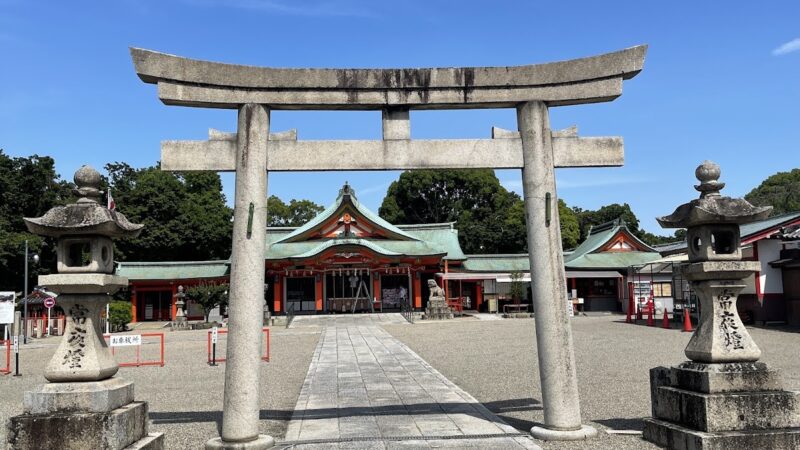
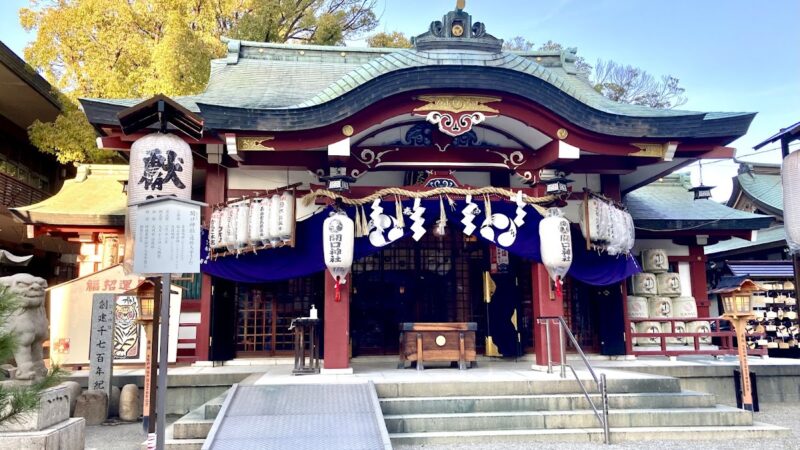
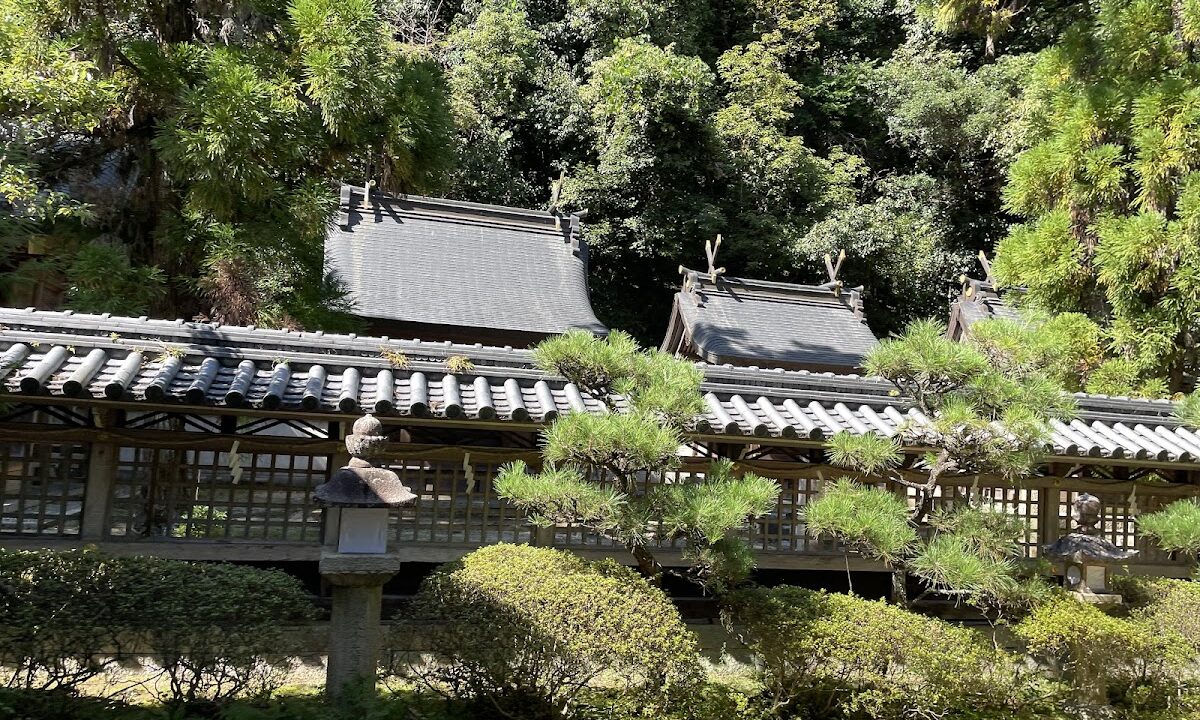
The main hall and worship hall of Migukuru Mitama Shrine are valuable structures that convey the characteristics of regional shrine architecture. Although not large in scale, they are carefully maintained, reflecting the deep faith of the local residents.
Atmosphere of the Shrine Grounds
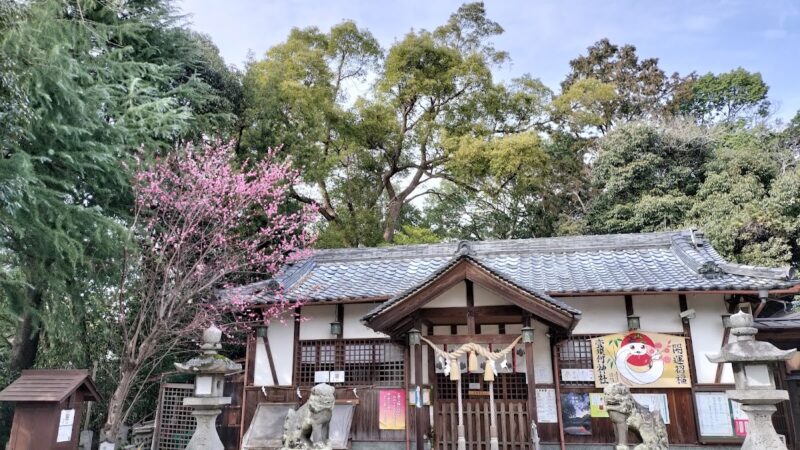
The shrine grounds are enveloped in a tranquil atmosphere, offering a peaceful space far removed from the hustle and bustle of the city. Visitors can approach the shrine with a calm heart.
The appearance of the grounds changes with the seasons: fresh greenery in spring, deep green in summer, vibrant autumn leaves, and a crisp, clean air in winter.
Shrine Grove
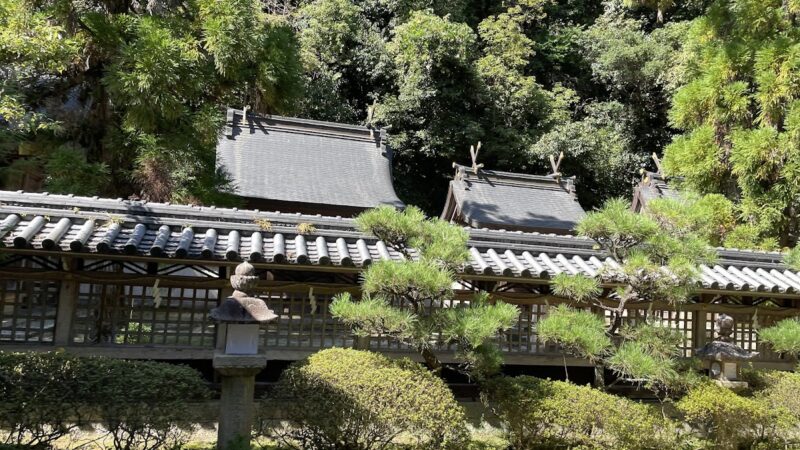
The shrine is surrounded by lush trees, playing a role in preserving the local natural environment. These groves are valuable green spaces in an increasingly urbanized world and contribute to the conservation of biodiversity.
Annual Events and Festivals
Grand Festival
Migukuru Mitama Shrine holds various festivals throughout the year. The Grand Festival, in particular, is considered an important event where local residents gather.
The dates and content of the festivals are preserved and passed down while upholding local traditions, and it also serves as a place for intergenerational exchange.
Seasonal Events
- Hatsumode: Many worshippers visit to welcome the New Year.
- Setsubun Festival: A traditional event to ward off evil spirits and invite good fortune.
- Natsukoshi no Harae: A ritual to purify oneself of the impurities accumulated over the past six months and pray for good health for the remaining half of the year.
- Autumn Harvest Festival: A festival expressing gratitude for the harvest, fitting for an agricultural region.
Etiquette and Manners for Worship
Basic Worship Methods
Here are the basic manners for visiting Migukuru Mitama Shrine:
- Bow before passing through the torii gate: Bow as a sign of respect before entering the sacred area.
- Purify at the water basin: Cleanse your hands and mouth to purify your mind and body.
- How to walk along the approach: The center of the approach is considered the path of the gods, so it is polite to walk along the sides.
- Worship at the Main Hall: Worship is performed using the following ritual: two bows, two claps, one bow.
- Bow deeply twice.
- Clap your hands twice.
- Finally, bow deeply once.
Attire for Worship
There are no specific dress code requirements, but clean and respectful attire is desirable, as it is a sacred place. Especially when participating in prayers or festivals, please avoid overly casual clothing.
Photography Etiquette
Photography is generally permitted on the shrine grounds, but please observe the following points:
- Do not take photos in areas where photography is prohibited, such as inside the main hall.
- Be considerate of other worshippers.
- Act especially cautiously during festivals.
- Be mindful of the location and circumstances when posting on social media.
Access Information
Location
Address: Tondabayashi City, Osaka Prefecture (Please check the detailed address on-site or refer to the Tondabayashi City shrine list.)
Access by Public Transportation
By Train:
- The nearest station is Tondabayashi Station on the Kintetsu Nagano Line.
- From the station, you can walk, or take a bus or taxi.
- Travel time varies depending on the specific location of the shrine, so it is recommended to check in advance.
By Bus:
Route buses such as Kongo Bus operate from Tondabayashi Station. Please check the Tondabayashi City public transportation information in advance for the nearest bus stop.
Access by Car
Access from Major Roads:
- Accessible via National Route 170 (Outer Ring Road) from the Hanshin Expressway and Kinki Expressway.
- Follow the signs within Tondabayashi City.
- If using a car navigation system, please search by the shrine name or address.
Parking:
There may be parking spaces on the shrine grounds or nearby, but the size may be limited. On days when congestion is expected, such as during festivals, we recommend using public transportation.
Nearby Tourist Attractions
Tondabayashi Jinai-machi
When visiting Migukuru Mitama Shrine, it’s also worth visiting Tondabayashi Jinai-machi, a historical townscape of Tondabayashi. Traditional townhouses from the Edo period line the streets, and it has been designated a National Important Preservation District for Groups of Traditional Buildings.
- Former Sugiyama Residence: A mansion of a wealthy merchant from the Edo period, designated as a National Important Cultural Property.
- Terauchi-cho Center: A facility where you can learn about the history and culture of Tondabayashi.
- Machiya Cafes and Workshops: Restaurants and craft shops utilizing traditional buildings.
Nishikori Park
Nishikori Park, rich in nature, is a vast park where you can enjoy flowers and greenery throughout the seasons. It’s perfect for strolls and picnics, and a popular spot for families.
PL Kyodan Headquarters/Great Peace Prayer Tower
One of the symbolic buildings of Tondabayashi City, this massive tower is visible from afar. Every August, a large-scale fireworks display called “PL Fireworks Art” is held here.
Takitani Fudo Myo-oji Temple
A beloved Shingon Buddhist temple known as “Takitani no Ofudo-san,” it is famous for its blessings of healing eye diseases. The temple is bustling with many worshippers on its monthly festival day, the 28th.
About Tondabayashi City
History and Culture of Tondabayashi City
Tondabayashi City is located in the southeastern part of Osaka Prefecture, in the Minami-Kawachi region. Agriculture has flourished there since ancient times, and it is particularly famous for its fruit cultivation, especially grapes and figs.
At the end of the Sengoku period (Warring States period), it developed as a temple town of the Jodo Shinshu sect and also prospered as a commercial city. This historical townscape is still preserved today and serves as a tourist attraction.
Specialty Products of Tondabayashi City
- Tondabayashi Grapes: High-quality grapes such as Delaware and Pione are cultivated here.
- Figs: Sweet and fresh figs are popular.
- Local Sake: Sake brewed at local breweries.
- Traditional Crafts: Handcrafted items made by artisans in Terauchi-cho.
Guidelines for Visiting Migukuru Mitama Shrine
The Significance of Visiting a Shrine
Visiting a shrine is not merely sightseeing or a place to make requests; it is an act of expressing gratitude and respect to the gods. It is important to have this basic mindset when visiting Migukuru Mitama Shrine.
By visiting with pure feelings such as gratitude for daily life, prayers for the health and happiness of family, and wishes for peace and prosperity in the community, you will gain a deeper sense of spiritual fulfillment.
The Meaning of Cherishing Local Shrines
Unlike famous grand shrines, local shrines like Migukuru Mitama Shrine have a history of being preserved by local residents. Each visitor’s respect for the shrine contributes to the preservation of cultural assets and the transmission of traditions.
- Keep the shrine grounds clean
- Treat facilities and nature with care
- Respect local traditions and customs
- If possible, contribute to the maintenance of the shrine through offerings, etc.
Shrine Visits and Modern Life
Seeking Peace of Mind
Modern society is full of stress, making it difficult to maintain peace of mind. Visiting a shrine offers a valuable opportunity to escape the hustle and bustle of daily life and quietly reflect on oneself.
Small local shrines like Migukuru Mitama Shrine offer a tranquility and serenity different from large tourist destinations. This environment is suitable for deep meditation and introspection, and is ideal for refreshing the mind.
Experiencing the Changing Seasons
Regular visits to shrines allow you to appreciate the beauty of Japan’s four seasons. Noticing subtle changes in nature—the changing leaves on the shrine grounds, the scent of the air, the interplay of light—enriches our lives.
Shrine Visit Records and Social Media
About Goshuin (Shrine Seals)
Collecting Goshuin has become popular in recent years. Goshuin are proof of your visit and a tangible record of your connection with the shrine. Regarding the issuance of Goshuin at Mikukuru Mitama Shrine, we recommend checking on-site or inquiring in advance.
When receiving a Goshuin, please keep the following points in mind:
- Visit the shrine before receiving the Goshuin (be aware that the Goshuin is not the sole purpose)
- Prepare a Goshuincho (a Goshuin notebook) (writing in a memo pad or on paper is considered disrespectful)
- Request with polite language and demeanor
- Prepare the offering (money)
Sharing Information on Social Media
Sharing your shrine visit on social media is a great opportunity to widely convey the charm of the shrine. However, please keep the following points in mind:
- Remember that this is a sacred place.
- Respect the privacy of other worshippers.
- Do not spread inaccurate information.
- Strive for posts that show respect for the shrine and the local community.
Shrine Culture of Tondabayashi City
Community-Based Faith
Tondabayashi City is home to many shrines, including the Migukuru Mitama Shrine. Each is deeply intertwined with the history and culture of the region, serving as a spiritual anchor for residents.
These shrines are not merely religious institutions; they have played a central role in the local community, connecting people through festivals and events.
Shrines and Regional Revitalization
In recent years, efforts to revitalize local communities using local shrines have been seen in various places. In Tondabayashi City, efforts continue to promote the region’s charm by utilizing historical resources such as shrines and temple towns as tourist attractions.
Best Time to Visit and Recommended Season
Spring (March-May)
Spring is the perfect season for visiting shrines, with its beautiful fresh greenery and mild weather. During cherry blossom season, you can enjoy flower viewing in the surrounding area.
Summer (June-August)
In summer, the greenery becomes lush, and the shrine grounds become a cool, shady spot. However, heat protection is essential. In August, the PL Fireworks Festival is held in Tondabayashi City, making the entire city lively.
Autumn (September-November)
Autumn is a beautiful time for viewing autumn leaves, and the shrine holds harvest festivals and other events. The weather is stable, making it an ideal season for sightseeing.
Winter (December-February)
Winter is a quiet season for worship, with fewer visitors. While it gets crowded during the New Year’s period, you can enjoy a peaceful atmosphere at other times of the year.
Summary: The Charm of Migukuru Mitama Shrine
Migukuru Mitama Shrine, located in Tondabayashi City, Osaka Prefecture, is a historical shrine that preserves the local faith and culture. Unlike large-scale tourist shrines, this shrine boasts a tranquil atmosphere deeply rooted in the local community.
When visiting Tondabayashi City, be sure to include a visit to Migukuru Mitama Shrine in your stroll through Terauchi-cho and other nearby attractions. The time spent quietly praying while feeling the history of the region will be a precious experience unlike anything you’ll find in everyday life.
Through shrine visits, you can connect with traditional Japanese culture and local history, fostering inner richness. We hope that Migukuru Mitama Shrine will be a place that brings peace of mind and new discoveries to everyone.
When visiting, please remember to show respect to the deities and respect the local culture and traditions. By doing so, you will surely experience a deeper sense of spiritual fulfillment and a connection to the community.