Funamachi Shrine Complete Guide | History, Goshuin (Shrine Seal), and Access Information Related to Sugawara no Michizane
Funamachi Shrine, located in Nishiminato-cho, Sakai-ku, Sakai City, Osaka Prefecture, is a historic shrine known for the legend that Sugawara no Michizane stopped there on his way to Dazaifu. Situated along the Kishu Kaido road, it gained attention after appearing in Ryotaro Shiba’s “Kaido wo Yuku” (Traveling the Highways). This article provides a detailed explanation of everything you need to know before visiting Funamachi Shrine, including its history, enshrined deities, highlights of the grounds, goshuin information, and access methods.
History and Origins of Funamachi Shrine
From Founding to the Present
The exact founding date of Funamachi Shrine is unclear, but it has been a shrine in Sakai for a long time. Initially, it was called “Shioana Tenjin Shrine” and enshrined Amenohohi-no-Mikoto as its principal deity.
It is said that the shrine was moved to its current location from Shioana-go in the south during the Kanji era (1087-1094). This Shioana-go is believed to have been located in the southern part of present-day Sakai Ward, Sakai City, and was a region that existed since ancient times.
Deep Connection to Sugawara no Michizane
The name of Funamachi Shrine is based on a legend concerning Sugawara no Michizane. In 901, during the first year of the Engi era, while waiting for his ship to depart from Dazaifu, Sugawara no Michizane visited the then Shioana Tenjin Shrine.
It is said that Michizane showed deep respect for this shrine, which enshrines his distant ancestor, Ame-no-hohi-no-mikoto, and planted a pine tree on the shrine grounds before departing. Based on this story, in either the 4th year of the Chōtoku era (998) or the Kankō era (1004-1012), Sugawara no Michizane was enshrined by his descendants, and the shrine was renamed “Funamachi Tenjin Shrine.”
Relationship with the Engishiki Jinmyōchō (Register of Shrines in the Engi Era)
Funamachi Shrine is considered one of the candidate shrines for “Ikukuni Shrine,” which is listed in the Engishiki Jinmyōchō. Ikukuni Shrine is a Shikinaisha (shrine listed in the Engishiki) belonging to Ōtori District, Izumi Province. While there are various theories regarding its location, Funamachi Shrine has long been recognized as one of the candidates.
Deities and Divine Virtues
Main Deity
Ame no Hohi no Mikoto
A child deity of Amaterasu Ōmikami and considered the ancestral deity of the Izumo no Kuni no Miyatsuko (provincial governor of Izumo Province). Also a distant ancestor of the Sugawara clan, he is worshipped as a god of sincerity and loyalty.
Sugawara no Michizane
Sugawara no Michizane is known nationwide as the god of learning. Despite being exiled to Dazaifu due to false accusations, he later became revered as “Tenjin-sama” (God of Learning). He is believed to grant blessings for academic success, passing exams, and literary improvement.
Deities of Subsidiary Shrines
Several subsidiary shrines are located within the grounds of Funamachi Shrine.
Kotohira Shrine
Dedicated to Ōmononushi-no-kami, it offers blessings for maritime safety and traffic safety.
Kasuga Shrine
Dedicated to Kasuga-no-Ōkami, it is believed to bring good fortune and family safety.
Toyokura Inari Shrine
Dedicated to Ukanomitama-no-kami, it offers blessings for business prosperity and abundant harvests.
Kasa Shrine
This shrine enshrines Sukunahikona-no-Mikoto and is believed to have miraculous powers for healing illnesses, especially skin diseases.
Highlights of the Shrine Grounds
The Stone Where Sugawara no Michizane Sat
Within the shrine grounds, there remains a stone where Sugawara no Michizane is said to have sat while waiting for a boat on his way to Dazaifu. This stone is a valuable historical site that conveys Michizane’s footsteps and is one of the highlights visited by many worshippers.
Main Hall and Worship Hall
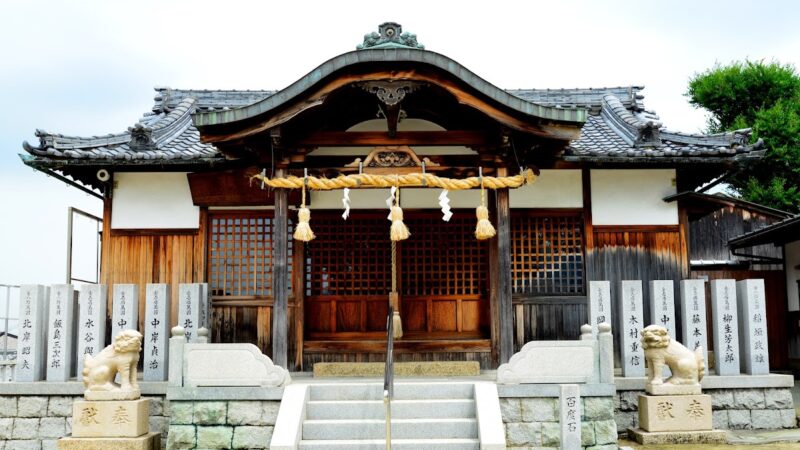
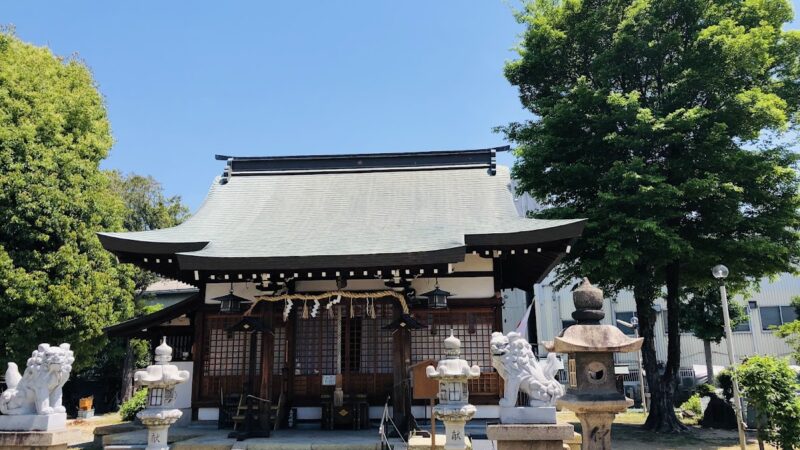
The shrine buildings of Funamachi Shrine have a calm appearance that reflects the history of Sakai. The main hall is built in the traditional shrine architectural style, and a serene atmosphere emanates from the worship hall.
Pine Trees on the Shrine Grounds
Pine trees said to be descendants of the pine trees planted by Michizane stand on the shrine grounds, giving a sense of historical continuity.
Relationship with the Kishu Kaido Road
Funamachi Shrine is located at the entrance to the Kishu Kaido Road from the south exit of Goryomae Station on the Hankai Line, a location that conveys the bustling atmosphere of the former highway. The Kishu Kaido Road was an important highway connecting Sakai and Wakayama, and many travelers passed through it.
Goshuin (Shrine Seal) and Goshuincho (Shrine Seal Book) Information
About Goshuin (Shrine Seals)
Goshuin can be obtained at Funamachi Shrine. However, the shrine priest is often not permanently stationed there, and the shrine office may be unattended.
How to Obtain a Goshuin
- Even if the shrine priest is absent, pre-printed goshuin may be available.
- Please check the status of the shrine office before visiting.
- Even on weekends, the shrine may be unattended, so we recommend checking in advance.
Features of the Goshuin
The goshuin at Funamachi Shrine is stamped with the shrine’s name and a seal related to the enshrined deity, Sugawara no Michizane. Even pre-printed goshuin are carefully made and can be cherished as a memento of your visit. ### Goshuincho (Stamp Book)
Regarding the availability of Funamachi Shrine’s original goshuincho, we recommend checking with the shrine office during your visit. Those visiting shrines in Osaka Prefecture may want to combine their visit with other shrines around Sakai City.
Access Information
Basic Information
Address
1-2-18 Nishiminato-cho, Sakai-ku, Sakai City, Osaka Prefecture 590-0835
Nearest Station
Approximately 3 minutes on foot from the South Exit of Goryomae Station on the Hankai Tramway Hankai Line.
Access by Train
Using the Nankai Main Line
- Get off at Sakai Station on the Nankai Main Line.
- Transfer to the Hankai Line and get off at Goryomae Station.
- Approximately 3 minutes on foot from the South Exit towards Kishu Kaido.
Using the Hankai Line Directly
Take the Hankai Line from Tennoji Station and get off at Goryomae Station. Approximately 3 minutes on foot from the South Exit.
Access by Car
Approximately 10 minutes from the Sakai Exit of the Hanshin Expressway Sakai Line. However, since the shrine’s dedicated parking is limited, we recommend using nearby coin-operated parking lots. Please note that the surrounding roads are relatively narrow due to its location along the Kishu Kaido road.
Nearby Tourist Spots
Nearby Funamachi Shrine are several spots where you can experience the history of Sakai.
- Sakai Old Port: A historic port facility
- Sakai City Machiya History Museum: A facility where you can tour traditional Sakai townhouses
- Myokokuji Temple: A temple famous for its cycads
- Nanshoji Temple: A temple associated with Sen no Rikyu
When visiting the shrine, you can enjoy a historical stroll through Sakai by visiting these spots as well.
Manners and Precautions for Visiting
Visiting Hours
Funamachi Shrine is generally open to visitors, but the shrine office has limited hours. If you wish to receive a Goshuin (shrine stamp), we recommend visiting during weekday daytime hours. However, since Shinto priests are not always present, you may only receive a pre-written goshuin (temple/shrine stamp).
Proper Worship Etiquette
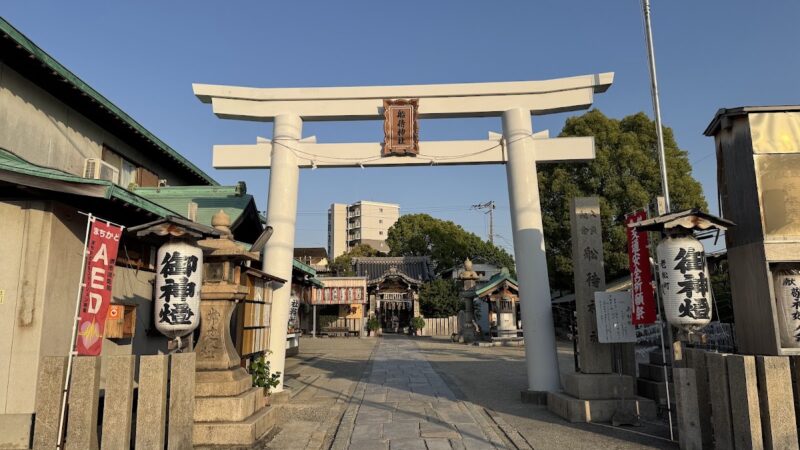
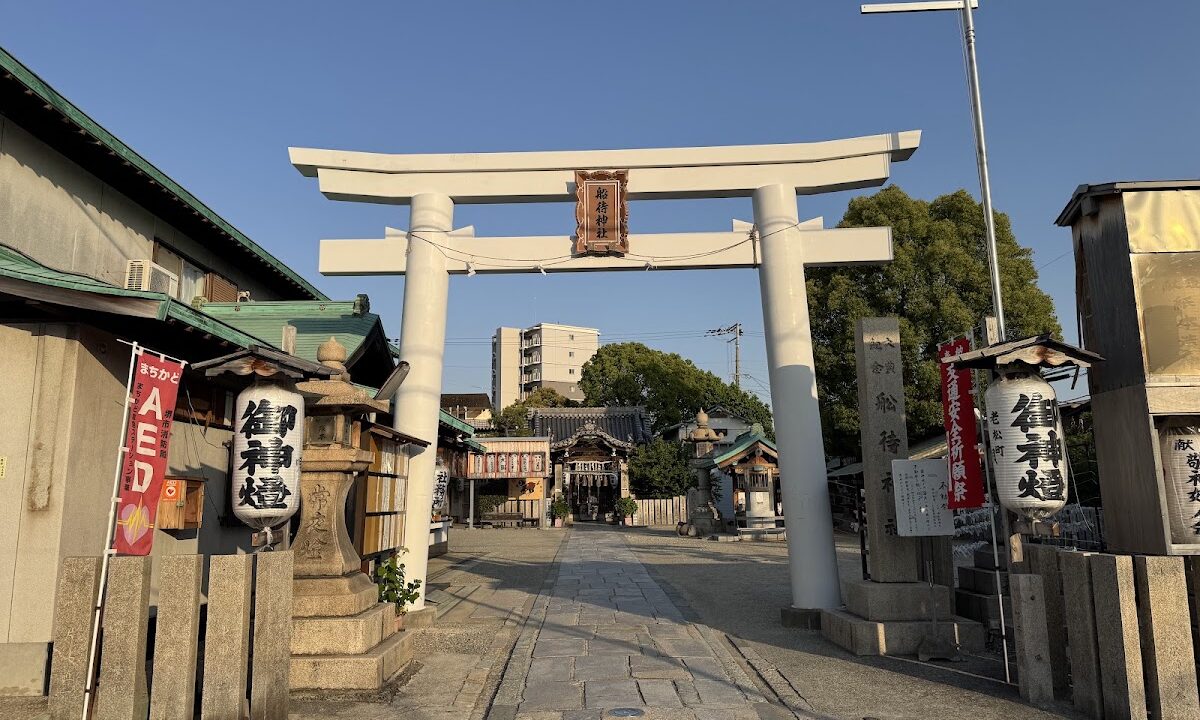
- Bow before passing through the torii gate
- Cleanse your hands and mouth at the water basin
- Bow twice, clap twice, and bow once in front of the main hall
- Visit the subsidiary shrines within the grounds
- Bow once again at the torii gate when leaving
Photography
Photography is generally permitted within the shrine grounds, but please be considerate of other worshippers. Refrain from taking photos inside the main hall or in special areas, or obtain permission before taking pictures.
Annual Events and Festivals
Annual Festival
The annual festival of Funamachi Shrine has been carefully preserved by the local people. The temporary shrine is located towards Dejima Fishing Port, and the portable shrine is paraded there during the festival.
Tenjin Festival Related Events
As a shrine dedicated to Sugawara no Michizane, events related to Tenjin-sama are also held. As a shrine dedicated to the god of learning, it attracts many visitors praying for success during exam season.
Cultural Value of Funamachi Shrine
Relationship with Ryotaro Shiba’s “Kaido wo Yuku”
The renowned author Ryotaro Shiba visited Funamachi Shrine in his novel “Kaido wo Yuku,” which brought the shrine widespread recognition. While walking the Kishu Kaido, Shiba focused on Funamachi Shrine, which he felt possessed a rich history, and considered its origins and the significance of its location.
Position in Sakai’s History
From the medieval to the early modern period, Sakai flourished as an international trading port and cultivated its own unique culture as an autonomous city. Funamachi Shrine is one of the important historical sites that conveys Sakai’s history as a port town.
The legend that Sugawara no Michizane waited for a ship here speaks to Sakai’s importance as a transportation hub since ancient times. Sakai’s port played a crucial role as a base for the sea route to Kyushu via the Seto Inland Sea.
Nearby Shrines and Temples
When visiting Funamachi Shrine, we recommend visiting other shrines and temples in Sakai City.
Aguchi Shrine
An ancient shrine known as the guardian shrine of Sakai, located within walking distance of Funamachi Shrine.
Sumiyoshi Taisha Shrine
One of Osaka’s representative shrines, it is revered as the god of the sea. It is directly accessible via the Hankai Line.
Houchigai Shrine
Located in Sakai Ward, Sakai City, it is known as the god of protection against misfortune.
Prayers at Funamachi Shrine
Prayers for Academic Success and Passing Exams
As it enshrines Sugawara no Michizane, many worshippers visit seeking blessings for academic success and passing exams. Especially during exam season, students and their parents can be seen offering votive tablets for passing exams.
Safe Travel
Due to its history as a place where Sugawara no Michizane stopped during his travels, this shrine is suitable for praying for safe travels and traffic safety.
Recovery from Illness
Sukunahikona-no-Mikoto, enshrined in the subsidiary shrine, Kasa Shrine, is known as the god of medicine, and prayers for recovery from illness can be offered here.
Recommended Times to Visit Funamachi Shrine
Best Time to Visit
Funamachi Shrine can be visited throughout the year, but the following times are particularly recommended:
Spring (March-May)
The weather is pleasant, making it ideal for strolling along the Kishu Kaido road.
Autumn (September-November)
This is the time of the annual festival, and you may be able to see local traditional events.
New Year’s Visit (January)
Many visitors come to pray for academic success in the new year.
Estimated Time Required
While visiting Funamachi Shrine itself takes about 15-30 minutes, it’s best to allocate about half a day to include a historical walk around the area.
Recommended Sightseeing Plan
Sakai Historical Walking Course
- Take the Hankai Line to Goryomae Station
- Visit Funamachi Shrine
- Head south along the Kishu Kaido towards Sakai Old Port
- Visit the Sakai Municipal Machiya Historical Museum
- Visit Nansoji Temple or Myokokuji Temple
- Have a meal near Sakai Station
Funamachi Shrine Today
Funamachi Shrine is currently cherished and protected by the local people as the guardian shrine of the region. While priests are often not permanently stationed there, the grounds are well-maintained and maintain a tranquil atmosphere.
In the rapidly urbanizing city of Sakai, Funamachi Shrine remains a valuable space that conveys the weight of history, and a historical site that tells the story of Sugawara no Michizane, making it a beloved place for many.
This shrine warmly welcomes visitors, showing consideration for them by offering pre-printed goshuin (temple/shrine stamps).
Summary
Funamachi Shrine is a historically significant shrine with a legend that Sugawara no Michizane stopped by on his way to Dazaifu. It enshrines Ame-no-hohi-no-mikoto and Sugawara no Michizane as its deities, and is believed to bestow blessings for academic success, passing exams, and safe travels.
Despite its convenient location, just a 3-minute walk from Goryomae Station on the Hankai Line, the quiet grounds are perfect for a historical stroll. While goshuin are often provided as pre-printed stamps, this shows thoughtful consideration for visitors.
The charm of Funamachi Shrine lies in its opportunity to experience the history of Sakai while offering prayers to the god of learning. Be sure to visit when touring shrines in Osaka Prefecture or exploring the history of Sakai.
Frequently Asked Questions (FAQ)
Q1: Can I get a Goshuin (temple/shrine stamp) at Funamachi Shrine every day?
A1: Since priests are often not permanently stationed at Funamachi Shrine, opportunities to receive a Goshuin directly are limited. However, pre-printed Goshuin are often available, so please check with the shrine office when you visit. Even on weekends, priests may be absent, so if you want to be sure to get a Goshuin, we recommend checking in advance.
Q2: What is the most convenient way to access Funamachi Shrine?
A2: The most convenient way is to use the Hankai Tramway Hankai Line’s “Goryomae Station.” It’s about a 3-minute walk from the South Exit. You can transfer to the Hankai Line from the Nankai Main Line’s “Sakai Station,” or take the Hankai Line directly from Tennoji Station. Access by car is also possible, but since dedicated parking is limited, we recommend using public transportation.
Q3: Can I actually see the stone on which Sugawara no Michizane is said to have sat?
A3: Yes, a stone on which Michizane is said to have sat still remains on the shrine grounds, and visitors can see it freely. This stone is one of the important historical sites of Funamachi Shrine and is a popular attraction visited by many worshippers.
Q4: When is the annual festival of Funamachi Shrine held?
A4: For detailed information on the annual festival of Funamachi Shrine, we recommend checking when you visit or inquiring in advance. During the festival, a procession of the portable shrine to the temporary shrine (towards Dejima Fishing Port) takes place.
Q5: Is there a suitable time to pray for success in exams?
A5: Funamachi Shrine, which enshrines Sugawara no Michizane, the god of learning, can be visited throughout the year to pray for success in exams. Especially during exam season (December to March), many students and their parents visit the shrine. Visiting in the new year, along with the first shrine visit of the year, is also recommended.
Q6: Are there any places to eat near Funamachi Shrine?
A6: Funamachi Shrine is located in the urban area of Sakai Ward, Sakai City, so there are several restaurants in the surrounding area. Along the Kishu Kaido road and around Sakai Station, there are also restaurants serving Sakai’s local specialties. It would be a good idea to plan your sightseeing itinerary to include a meal after your visit.
Q7: Is Funamachi Shrine related to Ikukuni Shrine mentioned in the Engishiki Jinmyocho (a list of shrines compiled in the Heian period)?
A7: Funamachi Shrine is considered one of the candidate shrines for “Ikukuni Shrine” mentioned in the Engishiki Jinmyocho. There are various theories regarding the location of Ikukuni Shrine, and Funamachi Shrine has long been recognized as a candidate. However, no definitive conclusion has been reached.
Q8: Should I also visit the subsidiary shrines within the grounds of Funamachi Shrine?
A8: Within the grounds are subsidiary shrines such as Kotohira Shrine, Kasuga Shrine, Toyokura Inari Shrine, and Kasa Shrine. Each has different divine blessings, so if you have time, we highly recommend visiting them. In particular, Sukunahikona-no-Mikoto of the Sou Shrine is believed to grant blessings for healing illnesses.