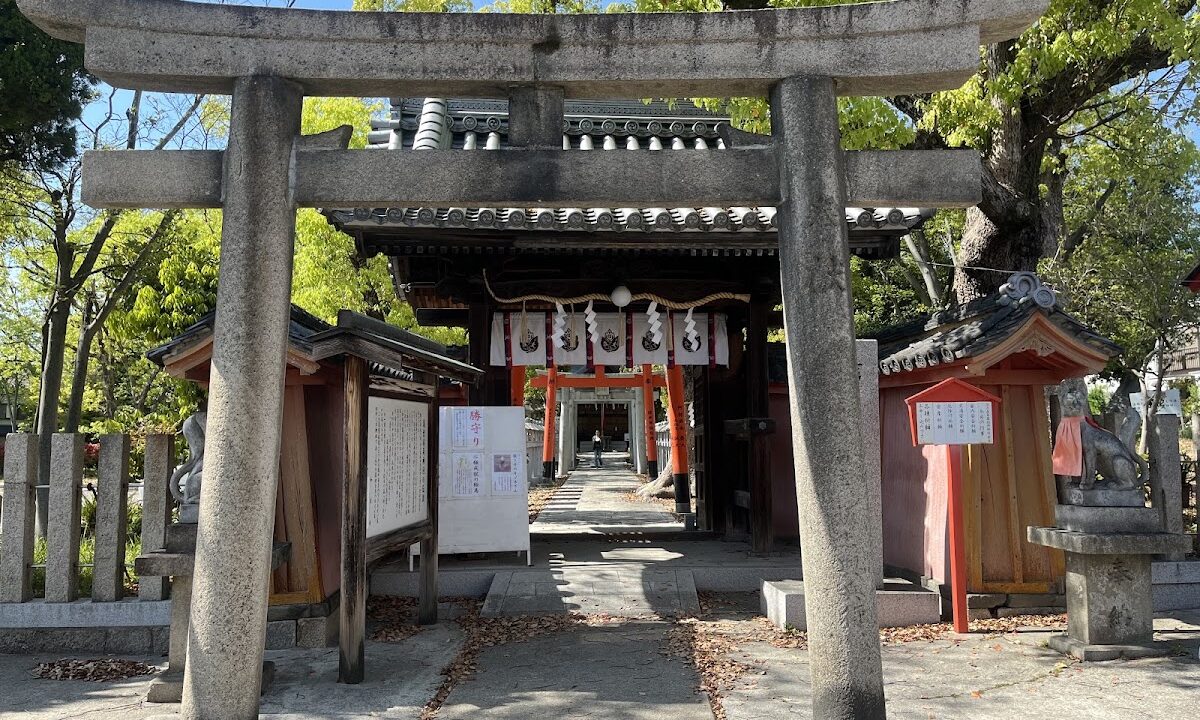
Complete Guide to Shinoda-no-Mori Shrine (Kuzuha Inari Shrine) | Legend of Abe no Seimei’s Birth, Goshuin (Shrine Seal), and Access Information
Shinoda-no-Mori Shrine, located in Kuzuha-cho, Izumi City, Osaka Prefecture, is an ancient shrine where the mystical story surrounding the birth of Abe no Seimei, a legendary Onmyoji (diviner) of the Heian period, still lives on. Affectionately known as “Kuzuha Inari Shrine,” the tragic love story of Princess Kuzuha, who transformed into a white fox, and Abe no Yasuna, has been passed down to the present day as a Kabuki and Bunraku performance.
This article comprehensively introduces information you should know before visiting Shinoda-no-Mori Shrine, including its history, highlights within the grounds, cultural properties, goshuin information, and access methods.
Basic Information and Official Name of Shinoda-no-Mori Shrine
About the Official Name and Common Name
The official name (registered religious corporation name) of Shinoda-no-Mori Shrine is “Shinoda-no-Mori Shrine“. However, it is generally widely known by the common names “Kuzunoha Inari Shrine” and “Shinodamori Kuzunoha Inari Shrine.” Locally, it is sometimes affectionately called “Kuzunoha-san.”
Location and Access
Location: 1-11-47 Kuzunoha-cho, Izumi City, Osaka Prefecture
Nearest Station: Conveniently located about a 5-minute walk from Kita-Shinoda Station on the JR Hanwa Line, it can be reached in about 30 minutes from Osaka city. The path from the station to the shrine is a quiet approach through a residential area, and guide signs are installed, so you won’t get lost.
Visiting Hours: While the shrine grounds are generally open for free worship, the shrine office is open from approximately 9:00 AM to 5:00 PM. Those wishing to receive a Goshuin (shrine stamp) are advised to visit during these hours.
Former Shrine Rank and History
Shinoda Mori Shrine’s former shrine rank was Village Shrine, and its founding is said to date back to Wado 1 (708). It is an ancient shrine with a history of over 1300 years, and has long been revered as a center of local faith.
The Birthplace of Abe no Seimei | The Legend of Princess Kuzunoha
Background of the Story
The main reason Shinoda Mori Shrine has become nationally known is that it is the site of a legend surrounding the birth of Abe no Seimei, a Heian period onmyoji (diviner). This legend, known as the “Kuzunoha Legend” or “Shinoda-zuma,” continues to be performed in Kabuki plays such as “Ashiya Doman Ouchi Kagami” and Bunraku puppet theater.
The Love Story of Abe no Yasuna and Princess Kuzunoha
The story begins when a young man named Abe no Yasuna, who lived in Abeno, Settsu Province (present-day Abeno Ward, Osaka City), rescued a white fox being chased by hunters in the Shinoda Forest.
Later, when Yasuna fell ill, a beautiful woman named Kuzunoha appeared and devotedly nursed him back to health. The two fell in love and became husband and wife. Eventually, a son was born, named Doujimaru (later known as Abe no Seimei).
The Farewell Scene | Come and See Me If You Miss Me
Their happy days continued, but one day, when Doujimaru was about five years old, Kuzunoha dozed off while watching him play in the garden. In that moment, her true form as a white fox was revealed.
Realizing that her true form had been seen, Kuzunoha understood that she could no longer remain in the human world. She left her famous death poem on the shoji screen and returned to the Shinoda Forest.
“If you miss me, come and visit me in the Shinoda Forest of Izumi, where the kudzu leaves of resentment grow.”
This poem is a poignant farewell message: “If you miss me, please come and visit the Shinoda Forest in Izumi.” “Urami” is a pun on “resentment” and “seeing the other side,” expressing the complex emotions of Kudzu-no-ha.
Seimei’s Birth and Reunion with His Mother
Afterward, Doujimaru, longing for his mother, visited the Shinoda Forest and was reunited with her, who had transformed into a white fox. His mother bestowed upon him a crystal ball and a golden box, and it is said that through the spiritual power of these, Doujimaru later became Abe no Seimei, an extraordinary onmyoji (exorcist/diviner).
Due to this legend, Shinoda Mori Shrine attracts many worshippers as the birthplace of Abe no Seimei and a sacred site symbolizing the bond between mother and child.
Highlights and Cultural Assets of the Shrine Grounds
Deities Enshrined
The following deities are enshrined at Shinoda Mori Shrine:
Main Deities:
- Wakamiya Kuzunoha-hime: A deified version of Kuzunoha-hime, the protagonist of the legend.
- Ōnamuchi-no-mikoto: Another name for Ōkuninushi-no-mikoto, the god of matchmaking and business prosperity.
- Sarutahiko-no-mikoto: The god of opening paths and traffic safety.
Due to these enshrined deities, Shinoda Mori Shrine is believed to offer a variety of blessings, including business prosperity, academic success, prayers for good relationships, prayers for safe childbirth, and fertility.
2000-Year-Old Sacred Tree | The Thousand-Branched Camphor Tree / The Married Couple Camphor Tree
The most impressive feature of the shrine grounds is the gigantic camphor tree, estimated to be approximately 2000 years old. This sacred tree is called “The Thousand-Branched Camphor Tree” or “The Married Couple Camphor Tree” and was designated a Natural Monument of Izumi City** in 2003.
It is called the “Married Couple Camphor Tree” because of the way the two camphor trees stand close together, and it is revered as a symbol of matchmaking and marital harmony. Its trunk circumference exceeds 10 meters, and its overwhelming presence overwhelms visitors. The tree’s age of 2000 years far predates the founding of the shrine, indicating that this place has been sacred since ancient times.
Koyasu Stone
Within the shrine grounds is a sacred stone called “Koyasu Stone“. This stone is believed to bring blessings for safe childbirth and fertility, attracting many female worshippers.
According to legend, Princess Kuzunoha sat on this stone and gave birth to Doujimaru (Abe no Seimei). It is believed that pregnant women who pray here will have a safe delivery. Even today, couples praying for children and pregnant women praying for safe childbirth continue to visit.
White Fox Shrine and Fox Statues
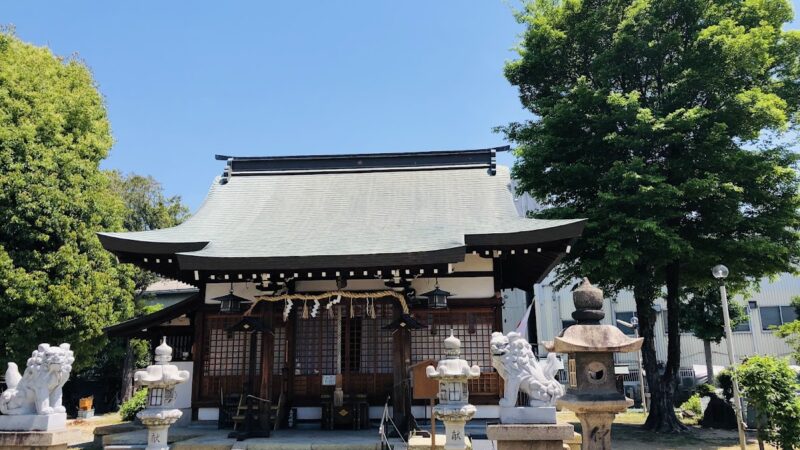
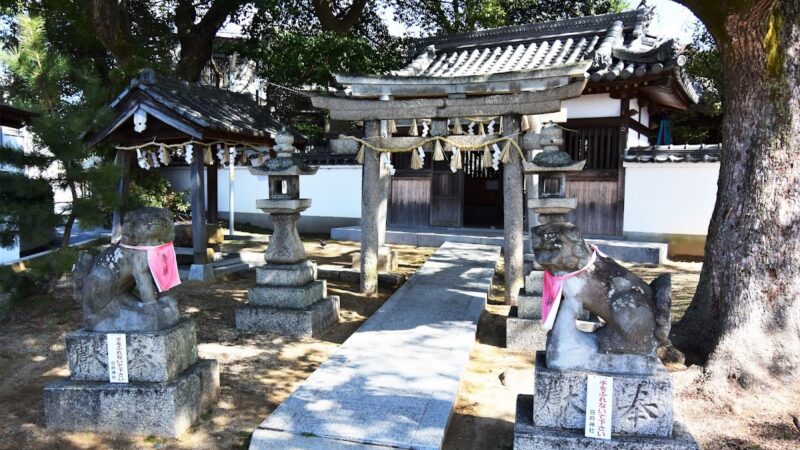
As is typical of Inari shrines, the grounds contain a White Fox Shrine, dedicated to white foxes, and numerous fox statues. These symbolize the white fox, the true identity of Princess Kuzunoha, and are revered as divine messengers who convey the wishes of worshippers to the gods.
The pair of fox statues in front of the main hall are particularly expressive and endearing, making them a popular photo spot.
Abe no Seimei Shrine (Shrine within the Grounds)
Within the grounds is a shrine called the Abe no Seimei Shrine, dedicated to Abe no Seimei. Revered as the god of learning and protection against evil, the shrine attracts many visitors, including students taking exams and those praying for academic success.
At Seimei Shrine, you can see the pentagram (Seimei Kikyo), a symbol of Onmyodo (Japanese esoteric cosmology), and it is known as a sacred site associated with Seimei, along with Seimei Shrine in Kyoto.
Shrine Office and Offerings
The shrine office offers various amulets and votive tablets in addition to Goshuin (stamped seals). Amulets featuring designs of Princess Kuzunoha and the white fox are popular and unique to this shrine.
Cultural Properties and Historical Value
Izumi City Designated Cultural Property
At Shinoda Mori Shrine, the aforementioned Chie no Kusunoki (Married Couple Camphor Trees) is registered as an Izumi City Designated Natural Monument. Its estimated age of 2000 years indicates a life cycle that has continued since the Yayoi period, and it is highly valued academically as one of the largest trees in Osaka Prefecture.
Historical Buildings
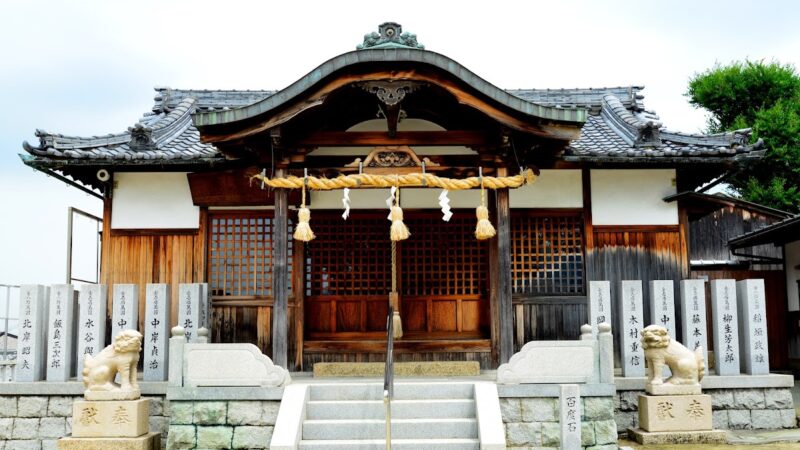
The current shrine buildings were constructed during the Edo and Meiji periods, preserving traditional shrine architectural styles. The main hall, worship hall, and torii gate are regularly restored and maintained in good condition.
Cultural Influence | Relationship with Kabuki and Bunraku
The legend of Kuzunoha at Shinoda Mori Shrine was perfected in the Edo period as the Bunraku (puppet theater) play “Ashiya Doman Ouchi Kagami,” and later adapted into Kabuki. The “Kuzunoha” scene, in particular, is known as a famous scene and continues to be performed today.
This play made Shinoda Mori Shrine and the Kuzunoha legend known throughout Japan, giving them an important position in cultural history. The shrine also features offerings from Kabuki actors and Bunraku performers, demonstrating the connection between performing arts and faith.
Goshuin (Shrine Seal) and Goshuincho (Shrine Seal Book) Information
About Goshuin
Shinoda Mori Shrine offers Goshuin to visitors. The Goshuin (temple/shrine stamp) will have the name of either “Shinoda Mori Shrine” or “Kuzuha Inari Shrine” written in ink, and will be stamped with the shrine’s seal.
Issuance Hours: During shrine office hours (approximately 9:00 AM to 5:00 PM)
Donation Fee: Usually around 300-500 yen
Goshuin are popular as proof of worship and as souvenirs of travel. Because the calligraphy style varies depending on the writer, each visit offers a new discovery.
Original Goshuin Notebook
Shinoda Mori Shrine also offers original Goshuin notebooks featuring designs of the Kuzuha legend and the white fox (may vary depending on the season and stock availability). The designs express the unique characteristics of the shrine and are popular among Goshuin collectors.
Manners for Receiving a Goshuin
Since the Goshuin is proof of worship, be sure to complete your prayers before requesting it at the shrine office. It is important to bring your Goshuin notebook and make a polite request. During peak hours, there may be waiting times, so we recommend visiting with plenty of time to spare.
Annual Events and Festivals
Main Annual Events
Shinoda Mori Shrine holds various Shinto rituals and festivals throughout the year.
- Hatsumode (January 1st-3rd): Bustling with New Year’s worshippers
- Setsubun Festival (around February 3rd): Shinto rituals such as bean-throwing
- Spring Grand Festival (Spring): Prayers for the safety and prosperity of the community
- Autumn Grand Festival (Autumn): Prayers for thanksgiving for the harvest and for a bountiful harvest
Many local residents participate in these events, preserving traditional festivals.
Visits on Special Days
On days considered to be the birthday of Abe no Seimei, or days related to the Kuzunoha legend, special worshippers sometimes visit. Also, people involved in Kabuki and Bunraku performances sometimes visit before performances, demonstrating a deep connection with the performing arts. ## Access and Surrounding Information
Access by Train
Approximately 5 minutes on foot from Kita-Shinoda Station on the JR Hanwa Line
Kita-Shinoda Station is easily accessible, approximately 20 minutes from Tennoji Station in Osaka City and approximately 30 minutes from Kansai International Airport. Exit the station and head west. After passing through the residential area, you will arrive at Shinoda-mori Shrine. There are signs along the way, so even first-time visitors will not get lost.
Access by Car
Approximately 15 minutes from Sakai IC on the Hanwa Expressway
There is parking space for visitors around the shrine, but the number of spaces is limited, so we recommend using public transportation during New Year’s visits and festivals.
Nearby Attractions
The following are some of the attractions around Shinoda-mori Shrine:
- Shinoda no Mori Park: A park adjacent to the shrine, perfect for strolling and relaxing.
- Historical Sites in Izumi City: Many other historical temples and shrines are scattered throughout Izumi City.
- Sightseeing Spots in the Senshu Region: Kishiwada Castle and the historical district of Sakai City are also within day-trip distance.
You can also enjoy exploring the history of southern Osaka starting from Shinoda Mori Shrine.
Points and Manners for Visiting Shrines
Etiquette for Visiting Shrines
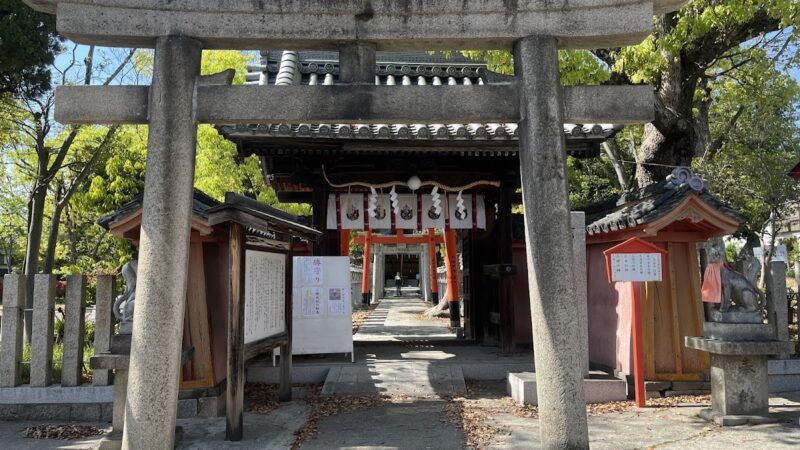
- Bow before passing through the torii gate: This is a courtesy when entering the sacred area.
- Purify yourself at the water basin: Purify your left hand, right hand, and mouth in that order.
- Pray at the main shrine: Two bows, two claps, and one bow are the basic rituals.
- Pray at subsidiary shrines: Be sure to visit subsidiary shrines such as the Abe no Seimei Shrine.
Regarding Photography
Photography is generally permitted on the shrine grounds, but please refrain from taking pictures inside the main shrine or during religious ceremonies. The sacred tree and the white fox statue are popular photo spots, but please be considerate of other visitors.
Recommended Visiting Time
For those who wish to visit in peace, weekday mornings are recommended. While the number of visitors increases on weekends and holidays, it is still not overly crowded, allowing you to explore the shrine grounds at your leisure.
The Charm and Benefits of Shinoda Mori Shrine
Diverse Benefits
Shinoda Mori Shrine is said to offer a variety of benefits due to the combination of its enshrined deities, as follows:
- Business Prosperity: Due to the worship of Ōkuninushi-no-Mikoto and Inari
- Academic Achievement: Associated with Abe no Seimei as the god of learning
- Prayers for Good Relationships and Matchmaking: From the love story of Yasuna and Kuzunoha and the Married Couple Camphor Trees
- Marital Harmony: Faith in the Married Couple Camphor Trees
- Prayers for Safe Childbirth and Conception: Faith in the Koyasu Stone
- Protection from Evil and Misfortune: The power of Seimei’s Onmyōdō (Japanese esoteric cosmology)
- Traffic Safety: The power of Sarutahiko-no-Mikoto’s road-opening abilities
In this way, people constantly visit the shrine seeking protection in various aspects of life.
Attractiveness as a Power Spot
With its mystical energy emanating from its 2000-year-old sacred tree, the fantastical atmosphere of the White Fox legend, and its connection to the historical figure Abe no Seimei, Shinoda Mori Shrine is also attracting attention as a power spot.
Standing before the sacred tree, in particular, one can feel the life force that has been there for centuries, providing healing and vitality to visitors.
Frequently Asked Questions (FAQ)
Q1: What is the official name of Shinoda Mori Shrine?
A1: The official name (registered religious corporation name) is “Shinoda Mori Shrine.” However, it is often commonly called “Kuzuha Inari Shrine” or “Shinoda Mori Kuzuha Inari Shrine,” and both names are widely used.
Q2: What is its relationship to Abe no Seimei?
A2: Shinoda Mori Shrine is traditionally believed to be the place where Abe no Seimei’s mother, Kuzuha-hime, and his father, Abe no Yasuna, met, and where Seimei was born. Kuzuha-hime is said to have been a white fox that transformed into a human, and after her true identity was revealed, she returned to the Shinoda forest. There is also a subsidiary shrine dedicated to Abe no Seimei within the grounds.
Q3: Can I get a Goshuin (temple/shrine stamp)?
A3: Yes, you can get a Goshuin at the shrine office. Reception hours are generally from 9:00 AM to 5:00 PM. Please speak to the shrine office after you have finished your prayers.
Q4: Is there parking available?
A4: There is parking space for visitors, but the number of spaces is limited. Due to expected congestion during New Year’s visits and festivals, we recommend using public transportation, taking advantage of the convenient location just a 5-minute walk from Kita-Shinoda Station on the JR Hanwa Line.
Q5: Please tell me more about the 2000-year-old sacred tree.
A5: This is a giant camphor tree called “Sen’e no Kusunoki” or “Meoto Kusunoki” (Married Couple Camphor Tree), estimated to be approximately 2000 years old. It was designated a natural monument by Izumi City in 2003. Because of its appearance, with two camphor trees growing close together, it is considered a symbol of marital harmony and matchmaking, attracting many visitors.
Q6: What is the Koyasu Stone?
A6: It is a sacred stone located within the shrine grounds, said to be the stone on which Princess Kuzunoha sat when she gave birth to Abe no Seimei. It is believed to bring blessings for safe childbirth and fertility, and many pregnant women and couples hoping for children visit it.
Q7: What is its relationship to Kabuki and Bunraku?
A7: The legend of Kuzunoha at Shinoda Mori Shrine was dramatized in the Edo period as the puppet play “Ashiya Doman Ouchi Kagami,” and later adapted into Kabuki. The “Kuzunoha” scene, in particular, remains a famous scene and continues to be performed, making the shrine and legend known nationwide.
Q8: What is the best time to visit?
A8: You can visit throughout the year, but the seasons of fresh greenery (April-May) and autumn leaves (November) are especially recommended, as the natural beauty of the shrine grounds is stunning during these times. Furthermore, the shrine is bustling during the New Year’s visit and the annual festival, allowing visitors to enjoy the festive atmosphere.
Summary
Shinoda Mori Shrine (Kuzuha Inari Shrine) boasts a history of over 1300 years and is a mystical shrine that served as the setting for the birth of Abe no Seimei. The tragic love story of Princess Kuzuha, who transformed into a white fox, and Abe no Yasuna has been passed down through Kabuki and Bunraku performances to the present day, touching the hearts of many.
With its 2000-year-old sacred tree, the Koyasu Stone, and the White Fox Shrine, the shrine grounds offer numerous points of interest. It attracts worshippers with various wishes, including business prosperity, academic success, good fortune in relationships, and safe childbirth.
Shinoda Mori Shrine is easily accessible, just a 5-minute walk from JR Kita-Shinoda Station, making it a convenient destination even from Osaka city. Why not visit this sacred place where history and romance intersect, and reflect on ancient legends while offering a peaceful prayer?
This shrine is recommended for a wide range of people, from those who collect Goshuin (temple/shrine stamps) and those who visit power spots, to fans of Abe no Seimei and those interested in traditional Japanese culture. Please visit Shinoda Mori Shrine at least once and experience its mystical atmosphere.