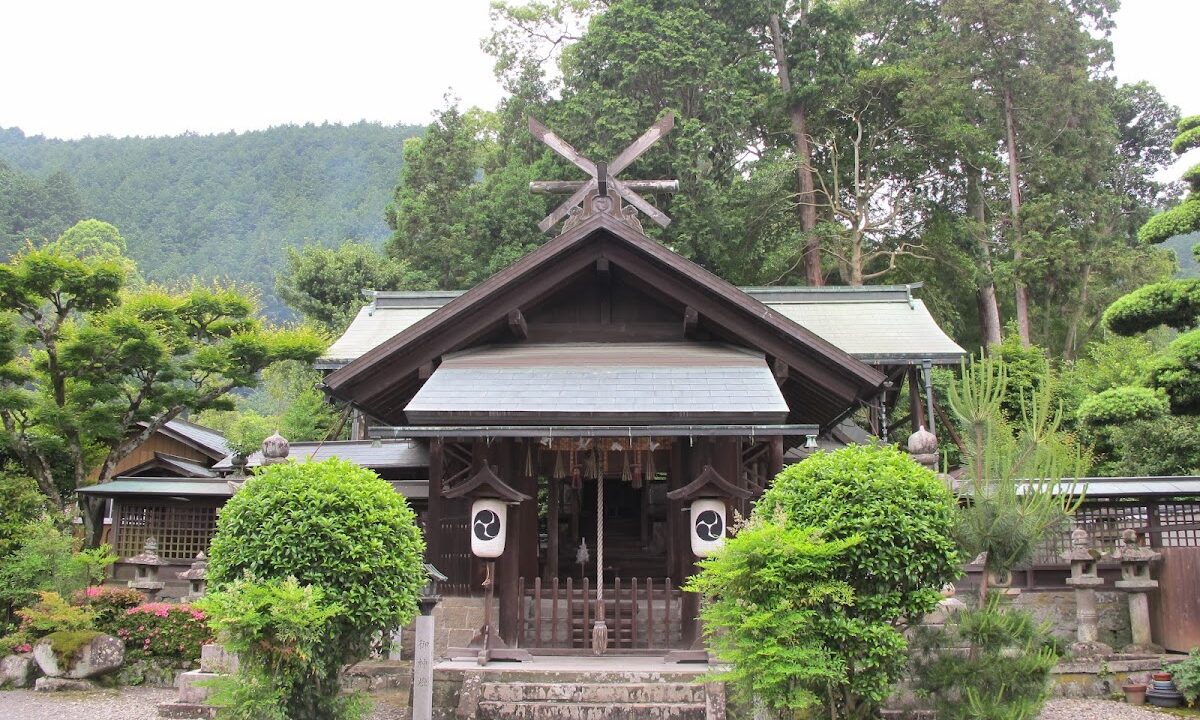
Hibashiri Shrine (Izumisano City, Osaka Prefecture) Complete Guide | History, Cultural Properties, and Access Information
Hibashiri Shrine, located in Ōki, Izumisano City, Osaka Prefecture, is a shrine that has long been revered as a Shikinaisha (a shrine listed in the Engishiki, an ancient Japanese legal code) dedicated to the god of fire. It boasts valuable architectural structures dating from the Muromachi to Edo periods, including the Kōjinja Shrine (a nationally designated Important Cultural Property) and the main hall (a city-designated Cultural Property). It has also been selected as a component cultural property of the Japan Heritage site “A Town Told Through Travel Guides and Two Maps – Landscapes of Medieval Hine-shō.” This article provides a detailed introduction to Hibashiri Shrine, including its history, enshrined deities, cultural properties, access methods, and nearby attractions.
Basic Information about Hibashiri Shrine
Location: Ōki, Izumisano City, Osaka Prefecture
Shrine Rank: Shikinaisha (listed in the Engishiki Jinmyōchō), former Gōsha (village shrine)
Main Deity: Kagutsuchi-no-kami
Founding: Details unknown (before the Heian period)
Main Hall Construction: Genna 8 (1622)
Cultural Property Designation: Main Hall (Izumisano City designated cultural property), Kōjin Shrine (Nationally designated important cultural property)
Parking: Available (several spaces near the shrine grounds)
Admission Fee: Free
Visiting Hours: Open all day (please check the shrine office’s operating hours)
History and Origins of Hibashiri Shrine
Status as a Shikinaisha
Hibashiri Shrine is a Shikinaisha listed in the Engishiki Jinmyōchō, compiled in the mid-Heian period. Located in Hine District, Izumi Province, this shrine has a long and distinguished history, recognized by the imperial court since ancient times, and has played a central role in local religious beliefs. There are approximately 3,000 Shikinaisha (shrines listed in the Engishiki) throughout Japan, and among them, Hibashiri Shrine is positioned as one of the most important shrines in Izumi Province.
Origin of the Shrine Name and the Fire-Walking Ritual
The origin of the distinctive name of Hibashiri Shrine is described in detail in the “Izumi Meisho Zue,” a local history book from the mid-Edo period. According to this book, in ancient times, when rituals were performed at this shrine, male shrine maidens and Shinto priests would run across a blazing fire, hence the name “Hibashiri” (fire-walking).
This fire-walking ritual served to demonstrate the divine power of the enshrined deity, Kagutsuchi-no-kami, the god of fire, and also as a ceremony to prove the spiritual power of the Shinto priests. Although this ritual is no longer performed, this unique ritual continues to be passed down as part of the shrine’s name.
Connection to Hine-sho
The Hine area of Izumisano City, where Hihashiri Shrine is located, flourished as the Kujo family’s manor, “Hine-sho,” during the medieval period. Hihashiri Shrine is believed to have served as the guardian shrine of Hine-sho, attracting the faith of its inhabitants. Currently, this area is designated a Japan Heritage site as “The Town as Told by Travel Guides and Two Maps – Landscapes of Medieval Hine-sho,” and Hihashiri Shrine plays an important role as one of its constituent cultural properties.
Relationship with Inunaki-san Shippo-taki-ji Temple
Upstream from Hihashiri Shrine lies Inunaki-san Shippo-taki-ji Temple, the head temple of the Inunaki branch of Shingon Buddhism, and the two have historically had a deep connection. Until the separation of Shinto and Buddhism in the Meiji era, a Jinguji (temple associated with Shinto) called “Takimoto-bo” existed within the grounds of Hihashiri Shrine, where faith was practiced in a syncretic form of Shinto-Buddhist belief. The relationship with Inunaki-san, also known as a training ground for Shugendo (mountain asceticism), is thought to have influenced the form of faith at Hihashiri Shrine.
About the Deity: Kagutsuchi-no-Kami
Characteristics as a God of Fire
Kagutsuchi-no-Kami, the principal deity of Hihashiri Shrine, is a god of fire appearing in Japanese mythology. According to the Kojiki and Nihon Shoki, he was born to Izanagi-no-Mikoto and Izanami-no-Mikoto. Because he was a god of fire, his mother, Izanami-no-Mikoto, suffered burns during childbirth, which is said to have caused her death.
Diverse Divine Virtues
While Kagutsuchi-no-Kami is known as a god of fire, he is also believed to possess characteristics of a god who controls water. This reflects the ancient belief that fire and water are two sides of the same coin. At Hihashiri Shrine, this god has been worshipped as a protector against fires, water-related disasters, and as a guardian deity of industries that use fire, such as blacksmithing and pottery.
Alternative Names and the Spread of Worship
Kagutsuchi-no-kami is known by various names, including Homusubi-no-kami and Hinokagutsuchi-no-kami. Many Atago Shrines and Akiba Shrines throughout Japan enshrine this deity, and it is widely worshipped as a god of fire prevention. Hihashiri Shrine can also be considered a shrine that belongs to this lineage of fire deity worship.
Cultural Value
Main Hall (Izumisano City Designated Cultural Property)
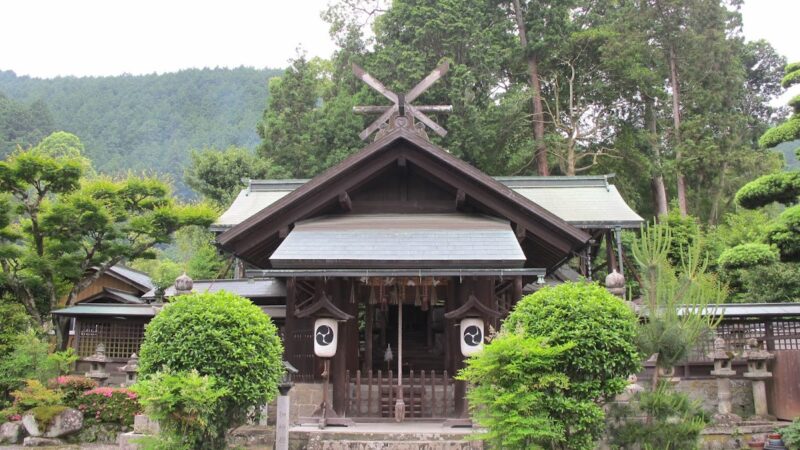
The main hall of Hihashiri Shrine is an early Edo period building constructed in 1622 (Genna 8), and is a designated cultural property of Izumisano City. The architectural style is Ikkensha Kasuga-zukuri, and it has a unique arrangement of three halls lined up.
Kasuga-zukuri is a style of shrine architecture exemplified by Kasuga Taisha Shrine in Nara. It is characterized by a gabled roof and a portico (kohai) at the front. The main hall of Hibashiri Shrine is a valuable structure that conveys the architectural techniques and aesthetic sensibilities of the early Edo period, making it of significant architectural historical importance.
Sai-no-kami Shrine (National Important Cultural Property)
Within the grounds of Hibashiri Shrine, to the right of the main hall, is a subsidiary shrine called Sai-no-kami Shrine, which is designated as a National Important Cultural Property. The shrine building of Sai-no-kami Shrine is believed to date from the Muromachi period, preserving an even older architectural style than the main hall.
Sai-no-kami, also known as Dōsojin, has been worshipped as a deity who protects boundaries and presides over safe travels and matchmaking. The small but intricately constructed shrine building clearly demonstrates the characteristics of Muromachi period shrine architecture and is an extremely valuable historical site for architectural research.
Architectural Features
The main hall and the Kōjin Shrine of Hihashiri Shrine exhibit architectural styles from different eras, making it a valuable place to see the evolution of Japanese shrine architecture within a single site. Both shrine buildings have cypress bark roofs, and traces of vermilion paint and other colors remain on the wooden parts.
The detailed carvings and joinery demonstrate the high level of craftsmanship of the time, making them exceptionally high-quality for a regional shrine. Regular restorations are carried out, preserving their value as cultural assets while continuing to function as a place of worship.
Highlights of the Shrine Grounds
Approach and Torii Gate
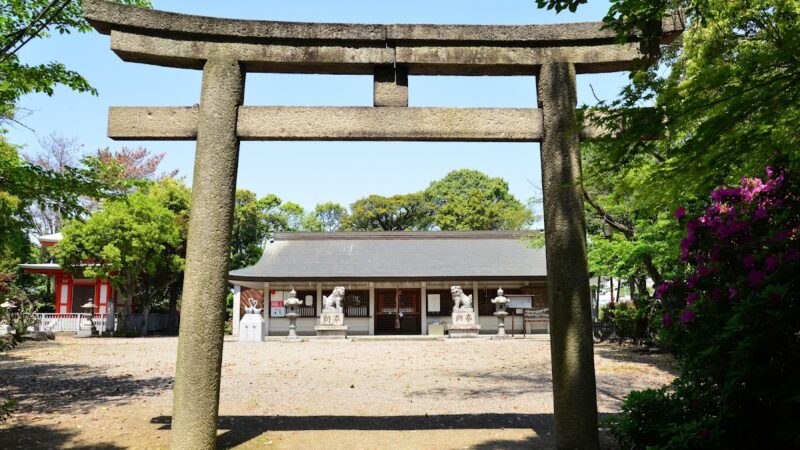
The approach to Hihashiri Shrine is located a short distance from the prefectural road along the Inunaki River. Passing through the stone torii gate, a quiet path surrounded by trees continues. Because it is located in a mountainous area slightly away from urban areas, the shrine grounds are rich in nature, allowing visitors to enjoy the scenery of each season.
Worship Hall and Main Shrine
As you proceed along the approach to the shrine, you will come to the worship hall, and beyond it, you can see the three main shrine buildings lined up. While the main shrine is usually surrounded by a fence, it is possible to view its exterior. You can feel the dignity of this building, which has a history of over 400 years since its construction in 1622.
Kōjinja Shrine (Subsidiary Shrine)
Located to the right of the main shrine, Kōjinja Shrine, though smaller than the main shrine, is a building of value worthy of being designated a National Important Cultural Property. As a valuable shrine building that conveys the architectural style of the Muromachi period, it is particularly worth seeing for those interested in architectural history and shrine architecture.
Natural Environment of the Shrine Grounds
The grounds of Hibashiri Shrine are located at the foot of the Izumi Mountains and are surrounded by abundant nature. It shows different expressions with each season: cherry blossoms in spring, fresh greenery in early summer, and autumn leaves in fall. Many of the trees on the grounds are ancient, telling the story of the shrine’s long history.
Access Methods
Access by Public Transportation
Train and Bus Combination
- Using the JR Hanwa Line
- Get off at “Hinenō Station” on the JR Hanwa Line
- Take the Nankai Wing Bus, either the Nanbu 21 or 23 line, bound for “Inunaki-yama”
- Get off at the “Nakaōki” bus stop, and it’s a short walk from there
- Travel time: Approximately 15 minutes by bus from Hinenō Station
- Using the Nankai Main Line
- Get off at “Izumisano Station” on the Nankai Main Line
- Take the Nankai Wing Bus, either the Nanbu 21 or 23 line, bound for “Inunaki-yama”
- Get off at the “Nakaōki” bus stop, and it’s a short walk from there
- Travel time: Approximately 20 minutes by bus from Izumisano Station
Regarding Bus Service
Since the number of Nankai Wing Buses bound for Inunaki-yama is limited, it is recommended to check the timetable in advance. Please note that the number of buses operating may differ on holidays compared to weekdays.
Access by Car
From Osaka
- Approximately 15 minutes from the Hanshin Expressway Route 4 Wangan Line/Hanwa Expressway “Kaminogo IC”
- Approximately 20 minutes via National Route 170 (Outer Ring Road) and Prefectural Route 62
From Wakayama
- Approximately 20 minutes from the Hanwa Expressway “Sennan IC”
- Via National Route 26 and Prefectural Route 63
Car Navigation Settings
You can search using the address “Oki, Izumisano City, Osaka Prefecture” or “Hibashiri Shrine”. There are a few parking spaces near the shrine grounds, but they are limited, so we recommend using public transportation during long holidays.
Notes on Access
Hibashiri Shrine is located in a mountainous area, so please pay particular attention to road conditions, especially in winter and during rainy weather. Also, since some sections of the road towards Inunaki-yama are narrow, it is safer for those who are not confident in their driving skills to use public transportation.
Nearby Tourist Attractions
Inunaki-yama Shichihōtaki-ji Temple
Located approximately 5km upstream from Hibashiri Shrine, about a 10-minute drive, this is the head temple of the Inunaki branch of the Shingon sect. Known as a training ground for Shugendō (mountain asceticism), it also offers waterfall meditation experiences. The temple grounds feature seven waterfalls, and many visitors come to this naturally rich sacred site.
Hine Shrine
Also located in Izumisano City, this is a Shikinaisha (a shrine listed in the Engishiki, an ancient Japanese legal code) and has been worshipped as the guardian shrine of Hine-shō. Visiting both Hibashiri Shrine and Hine Shrine will allow you to gain a deeper understanding of the history of Hine-shō in the Middle Ages.
Jigen-in Temple (National Treasure: Tahōtō Pagoda)
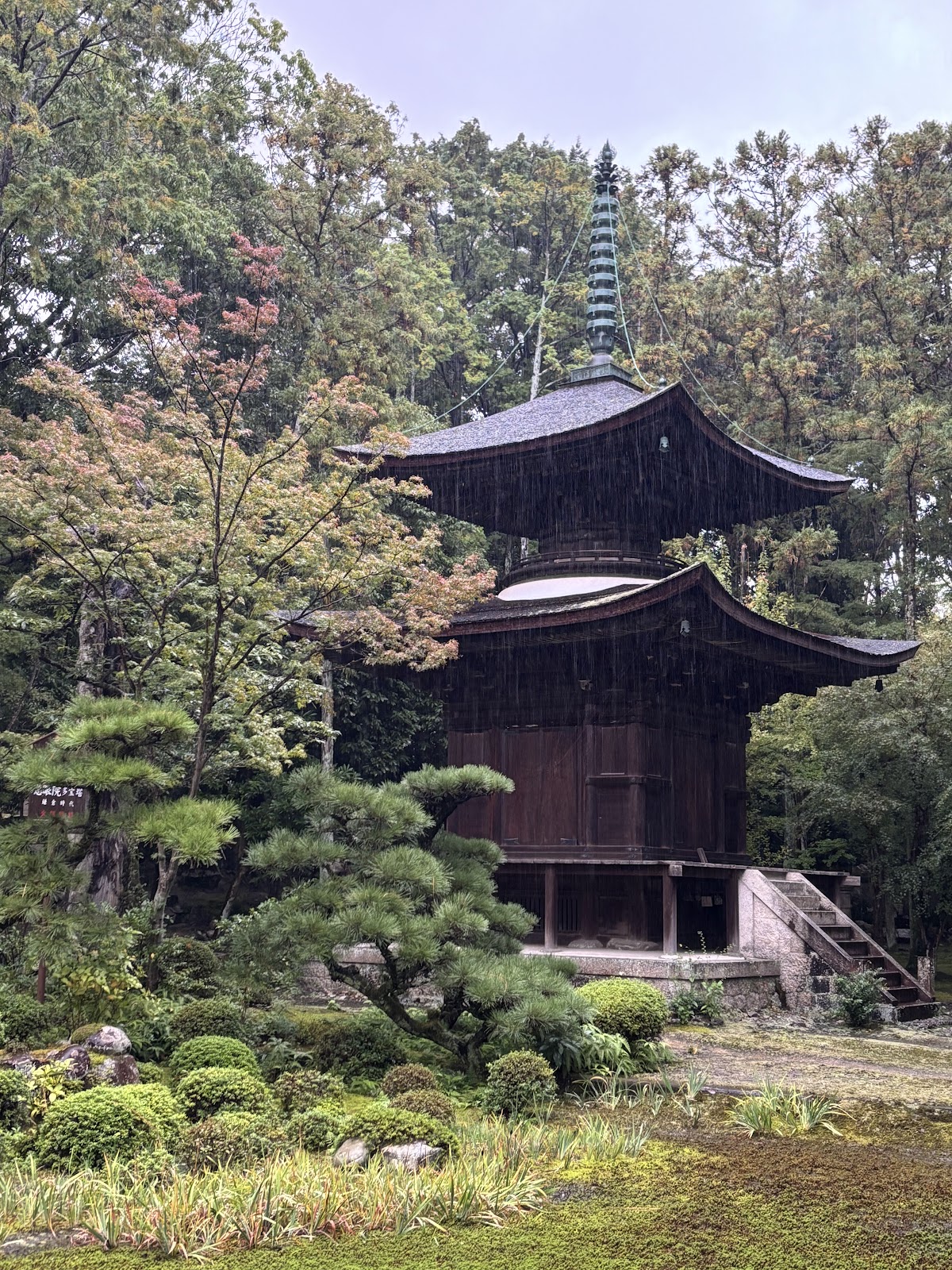
Located in Hine-no, Izumisano City, this Shingon Buddhist temple houses a Tahōtō pagoda designated as a National Treasure. Built in the late Kamakura period, it is known as one of the representative Tahōtō pagodas in the Kansai region.
Inunaki-yama Onsen
This hot spring resort is located at the foot of Mt. Inunaki and features several inns. It’s recommended to relax in the hot springs after visiting Hibashiri Shrine and Inunaki-yama Shippo-taki Temple. Some facilities offer day-use bathing.
Rinku Town
This commercial area on the seaside of Izumisano City features outlet malls and tourist facilities. You can enjoy shopping and dining in conjunction with your visit to Hibashiri Shrine.
Manners and Precautions for Visiting a Shrine
Basic Worship Etiquette
- How to Pass Through the Torii Gate: Bow before entering the torii gate. Since the center of the path is considered the path of the gods, it is polite to walk along the side.
- How to Wash Your Hands: If there is a water basin, wash your left hand, right hand, and mouth in that order.
- Worship at the Main Hall: The basic procedure is two bows, two claps, and one bow. Place your offering in the offering box, ring the bell, and then bow in reverence.
Photography
Photography is generally permitted within the shrine grounds, but please refrain from taking photos in restricted areas such as inside the main hall. Also, please be considerate of other visitors. For the protection of cultural properties, it is recommended to check in advance regarding the use of tripods, etc.
Clothing and Belongings
No special clothing is required, but it is desirable to wear attire that reflects the sacred nature of the place. Since it is located in a mountainous area, insect repellent spray is useful even in summer. Also, since the ground can become muddy depending on the weather, comfortable walking shoes are recommended.
Annual Events at Hihashiri Shrine
Annual Festival
Hihashiri Shrine holds an annual festival every year, and local people come to worship. The specific date may vary from year to year, so it is recommended to check in advance if you are planning a visit.
New Year’s Visit
The shrine is bustling with visitors for the New Year’s visit from New Year’s Day to the third day of the year. While not as crowded as large shrines in urban areas, it attracts many worshippers, primarily locals.
Summary of the Charms and Highlights of Hihashiri Shrine
Hihashiri Shrine is a Shikinaisha (a shrine listed in the Engishiki, an ancient Japanese legal text) quietly nestled in the mountainous area of Izumisano City, Osaka Prefecture. Its greatest charm can be summarized in the following points:
Historical Value: Its status as a Shikinaisha dating back to the Heian period, and its unique name derived from the fire-walking ritual, convey the history of ancient faith.
Importance as a Cultural Property: The Kōjinja Shrine, a nationally designated Important Cultural Property, and the main hall, a city-designated Cultural Property, are valuable structures that demonstrate the evolution of shrine architecture from the Muromachi period to the Edo period.
Natural Environment: Located at the foot of the Izumi Mountains, it offers an environment where worshippers can experience the changing seasons.
Component of a Japan Heritage Site: As part of a Japan Heritage site that conveys the history of the medieval Hine-sho, it holds an important position in understanding the region’s history and culture.
A Serene Atmosphere: As a simple shrine that hasn’t been commercialized for tourism, it maintains an environment where visitors can pray in peace.
Hibashiri Shrine is a precious place where you can escape the hustle and bustle of Osaka and connect with history and nature. It is a shrine worth visiting for various reasons, whether you are interested in cultural properties, want to learn about shrine architecture, or are simply seeking a peaceful place to worship.
When you visit Izumisano City, be sure to visit Hibashiri Shrine and experience the history and culture of this ancient shrine dedicated to the god of fire. The Kōjinja Shrine, a nationally designated important cultural property, and the main hall, a city-designated cultural property, will be a valuable opportunity to appreciate the beauty and high level of skill in Japanese shrine architecture.