Complete Guide to Tanekawa Shrine (Sennan City, Osaka Prefecture): History, Goshuin (Shrine Seals), Festivals, and Access Information
Tanekawa Shrine, located in Shinke, Sennan City, Osaka Prefecture, is a historic shrine that has long been revered by the local community. Known for its miraculous powers in curing smallpox, its beautiful grounds, adorned with approximately 100 cherry trees in spring, captivate visitors. This article provides a detailed overview of Tanekawa Shrine, including its history, goshuin (shrine seals), annual festivals and rituals, highlights, and access information.
Basic Information on Tanekawa Shrine
Tanekawa Shrine is located at 1087 Shinke, Sennan City, Osaka Prefecture, and is cherished by local residents as a symbol of harmony throughout the Shinke area.
Location: 1087 Shinke, Sennan City, Osaka Prefecture 590-0503
Phone Number: 072-482-4351
Nearest Station: JR Hanwa Line “Shinke Station”
Visiting Hours: Grounds are freely accessible (Please check the hours of the shrine office)
Parking: Available
History and Origins of Tanegawa Shrine
Founding and Origins
The origins of Tanegawa Shrine are ancient, beginning with the consolidation of several shrines that were enshrined in various locations in the Shinke area. This consolidation has made it a symbol of harmony and unity throughout the Shinke region, and it has taken root in the community.
Recovery from Smallpox in 1545
A noteworthy event in the history of Tanegawa Shrine occurred in the spring of 1545. During this period, smallpox was rampant in the Shinke area, causing suffering to many people. There is a legend that a protective amulet (talisman) received through prayer at Tanegawa Shrine exhibited remarkable efficacy, curing the illness.
Due to this miraculous event, Tanegawa Shrine gained deep reverence among the common people and became widely known as a shrine for healing illnesses. This history is still passed down among the local people today.
Bestowal of the Divine Title of Tanegawa Myojin
In 1624 (Kanei 1), the shrine received the divine title of “Tanegawa Myojin” from Ninna-ji Temple in Omuro, Kyoto. This was a testament to the widespread recognition of Tanegawa Shrine’s status and divine power, and marked an important turning point in the shrine’s history.
The Fire and Reconstruction under Toyotomi Hideyoshi
During the turbulent Sengoku period, the shrine suffered the misfortune of its buildings being destroyed by fire during the campaigns of Toyotomi Hideyoshi. However, in the early Edo period, a new shrine building was constructed through the efforts of the local people, laying the foundation for its current form.
Renaming in the Meiji Era
During the Meiji era, the shrine was officially renamed “Tanegawa Shrine,” and it remains so to this day. This renaming clarified the shrine’s official position amidst modernization.
Deities and Blessings
Tanegawa Shrine enshrines multiple deities, each believed to bestow different blessings.
Main Blessings:
- Healing from illness (especially protection from epidemics)
- Protection from misfortune
- Good health
- Family safety
- Peace and tranquility of the community
Due to its historical background of smallpox recovery, it is particularly known for its blessings of healing from illness and protection from misfortune.
Annual Festivals and Rituals
Tanegawa Shrine holds various rituals throughout the year, preserving local traditions.
Gion Festival (July 27th)
The Gion Festival, held annually on July 27th, is an important ritual at Tanegawa Shrine, serving as its summer purification ceremony. This festival features the Chino-wa Kuguri (passing through a ring of reeds), attracting many worshippers who pray for protection from evil and good health for the next six months.
The Chino-wa Kuguri is a traditional Japanese Shinto ritual in which participants pass through a large ring made of reeds three times in a specific manner, purifying their minds and bodies. It also carries the meaning of warding off summer epidemics, making it an important event unique to Tanegawa Shrine, which has a history of smallpox recovery.
Yu-Kagura Ritual (February)
In February, the “Yu-Kagura Ritual” is held. In this ritual, shrine maidens perform a sacred dance and sprinkle hot water offered to the gods on worshippers to ward off evil and pray for health and happiness throughout the year. Many worshippers visit to witness the elegant dance of the shrine maidens, a rare opportunity to see such a performance.
Other Annual Events
- New Year’s Day Festival: Prayers for happiness in the new year
- Spring Festival: A festival timed to coincide with the cherry blossom season
- Autumn Festival: Prayers for gratitude for the harvest and for the prosperity of the region
Highlights of the Shrine Grounds
Charm as a Cherry Blossom Spot
Tanegawa Shrine is also known as a famous cherry blossom spot. In spring, approximately 100 cherry trees bloom throughout the shrine grounds, creating a magnificent cherry blossom landscape. Not only locals but also visitors from far away come to enjoy the blossoms, and the shrine grounds are bustling with many people.
The best time to see the cherry blossoms is usually from late March to early April. During this time, the shrine grounds are dyed in a pale pink, allowing visitors to experience the beautiful Japanese spring in a sacred atmosphere.
Shrine Buildings and Grounds Architecture
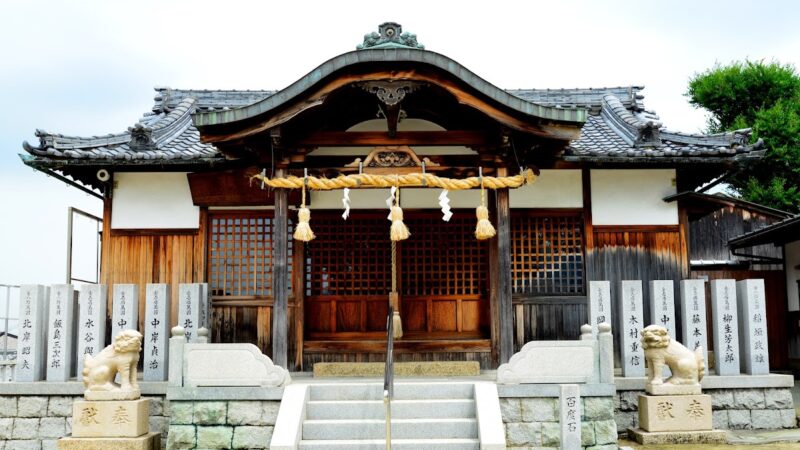
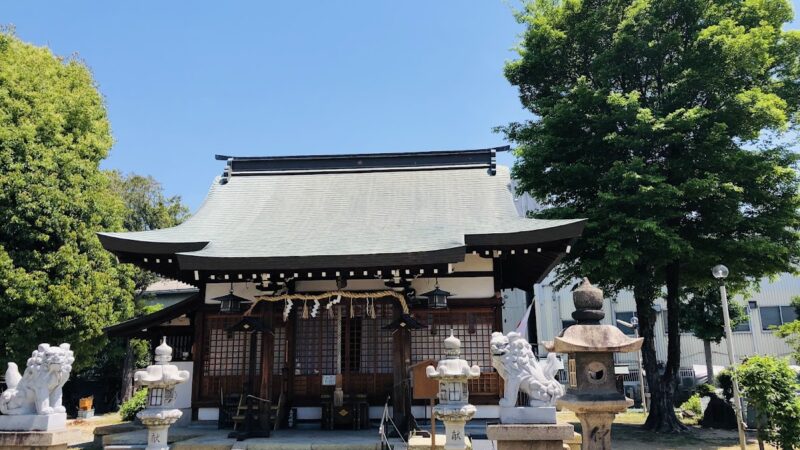
The shrine buildings, rebuilt in the early Edo period, exude a long history. Both the main hall and the worship hall maintain the traditional style of shrine architecture, providing visitors with a tranquil atmosphere.
Atmosphere of the Shrine Grounds
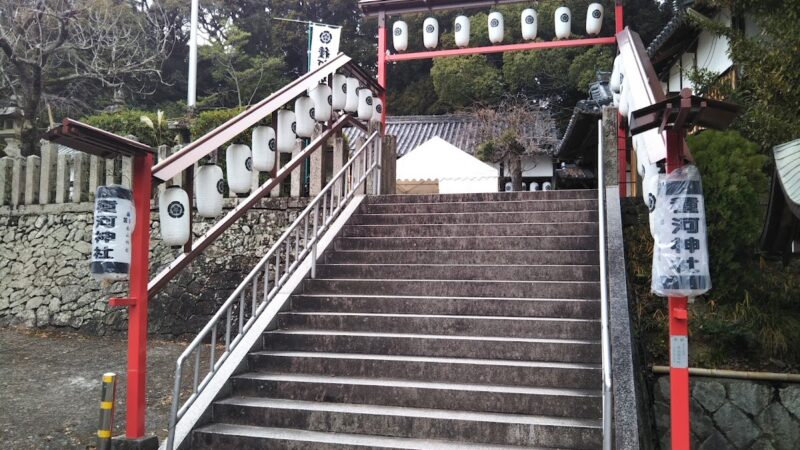
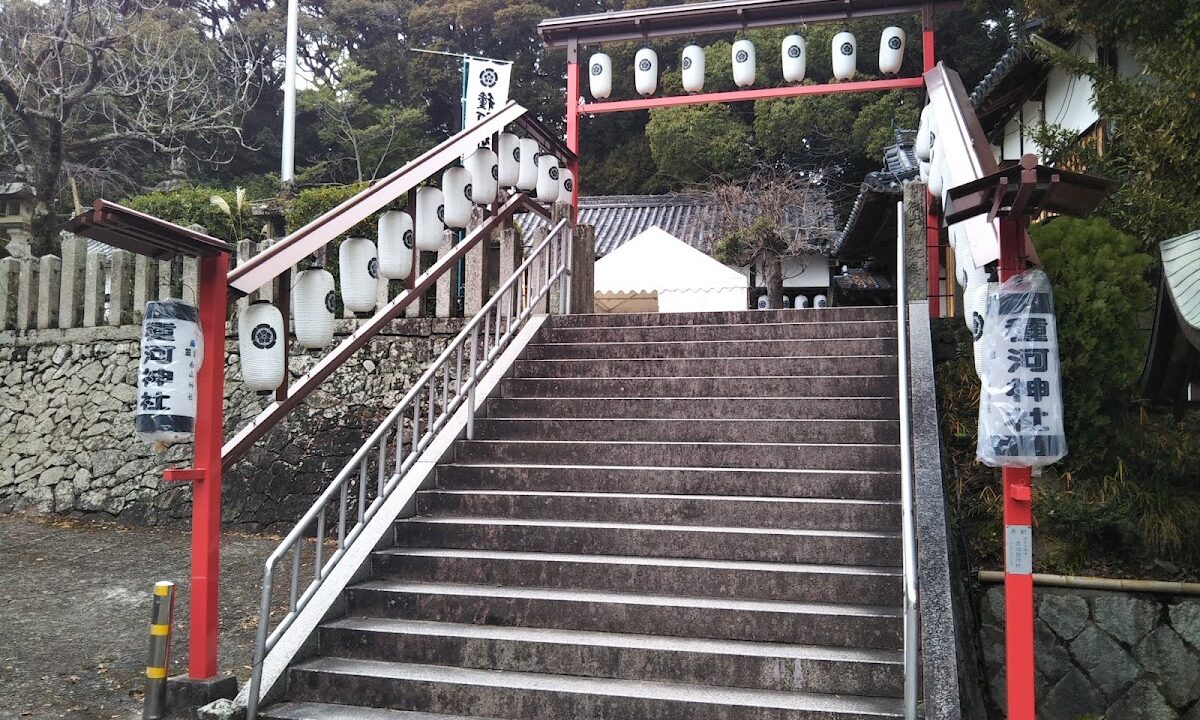
Despite being located in a residential area of Shinke, the shrine grounds maintain a quiet and peaceful atmosphere. Surrounded by trees, the grounds allow visitors to experience the changing seasons and serve as a place of relaxation for local residents.
Goshuin (Shrine Seal) Information
Goshuin (shrine seals) are available at Tanegawa Shrine.
Goshuin Reception: At the shrine office (It is recommended to call ahead to confirm, as staff may be absent).
Offering Fee: Usually around 300-500 yen (Please check on-site as this may change).
Reception Hours: During shrine office hours (It is recommended to call for details).
The goshuin features the calligraphy of “Tanegawa Shrine” and the shrine’s seal, and is a popular memento for many visitors. Bring your own goshuincho (goshuin stamp book), or you may be able to purchase one on-site.
Access Methods
Access by Train and Bus
If using the JR Hanwa Line:
- Get off at “Shinke Station” on the JR Hanwa Line.
- Transfer to the Sennan City Community Bus (Nakabound).
- Get off at the “Shinke-Miya” bus stop.
- Approximately 5 minutes on foot from the bus stop.
If walking:
- Approximately 15-20 minutes on foot from “Shinke Station” on the JR Hanwa Line.
Access by Car
If using the Hanwa Expressway:
- Approximately 10 minutes from “Sennan IC” on the Hanwa Expressway.
- Parking available (limited spaces; public transportation is recommended during festivals, etc.)
From Osaka City:
- Approximately 50 minutes to 1 hour via National Route 26.
Parking Information
There is parking space on the temple grounds, but congestion is expected during cherry blossom season and festivals. Especially during the Gion Festival (July 27th) and the cherry blossom season (late March to early April), we recommend using public transportation.
Nearby Tourist Attractions
Highlights of Sennan City
When visiting Tanegawa Shrine, you can also visit other tourist attractions in Sennan City.
Sennan Rinku Park:
- Approximately 15 minutes by car from Tanegawa Shrine
- A vast park along the coast, offering views of Kansai International Airport
Chokeiji Temple:
- A historical temple located in Sennan City
- Known as a famous spot for hydrangeas
Sennan Aeon Mall:
- Convenient for shopping and dining
- Approximately 10 minutes by car from Tanegawa Shrine
Nearby Shrines and Temples
There are many other historical shrines and temples scattered around Tanegawa Shrine, making it a great place to enjoy a shrine tour. Visiting multiple shrines is recommended as part of a trip to experience the history and culture of southern Osaka Prefecture.
Manners and Points for Visiting a Shrine
Proper Etiquette for Visiting a Shrine
- Bow before passing through the torii gate: As a sign of respect before entering the sacred area.
- Purify yourself at the water basin: Purify your left hand, right hand, and mouth in that order.
- Worship at the main hall: Two bows, two claps, and one bow are the basic rituals.
- Be quiet on the shrine grounds: Be mindful that this is a sacred place.
Recommended Times to Visit a Shrine
- Cherry Blossom Season (Late March to Early April): Enjoy the beautiful cherry blossoms.
- Gion Festival (July 27th): Experience traditional Shinto rituals.
- Yukagura Ritual (February): Witness the dance of shrine maidens.
- Hatsumode (January): Ideal for New Year’s prayers.
Regarding Photography
Photography is generally permitted on the shrine grounds, but consideration should be given to avoiding disturbing Shinto rituals or other visitors. Especially during festivals, there may be restrictions on photography, so please check in advance or follow the instructions at the site.
Summary of the Charms of Tanegawa Shrine
Tanegawa Shrine is a shrine that has long been revered by the local people due to its historical miraculous power in curing smallpox in 1545. While it is a prestigious shrine that received the divine title of “Tanegawa Myojin” from Ninna-ji Temple in Omuro, Kyoto, it also possesses a warm atmosphere deeply rooted in the local community.
It offers seasonal charms, such as the beautiful scenery of approximately 100 cherry trees in spring, the Chino-wa Kuguri (passing through a ring of reeds) during the Gion Festival in summer, and the Yukagura ritual in winter. Despite its convenient location in Sennan City, Osaka Prefecture, easily accessible from the heart of the Kansai region, it is a rare shrine where visitors can pray in peace and tranquility.
Its convenient location within walking distance of Shinke Station on the JR Hanwa Line is another attractive feature. This shrine is worth visiting for a variety of reasons, from those praying for recovery from illness, protection from misfortune, and good health, to those who want to visit a famous cherry blossom viewing spot, experience traditional Shinto rituals, and those who simply want to find peace and tranquility.
When visiting southern Osaka Prefecture, be sure to visit Tanegawa Shrine and experience its history, traditions, and beautiful surroundings. The warm atmosphere of the shrine, which has been protected by the local people, will gently welcome visitors.
Pre-Visit Information
To ensure a smooth visit to Tanegawa Shrine, please check the following points beforehand.
- Shrine Office Hours: If you wish to receive a Goshuin (shrine stamp) or prayer, we recommend calling in advance (072-482-4351) to confirm.
- Festival Schedule: If you wish to observe a specific Shinto ritual, please check the schedule in advance.
- Weather: During cherry blossom season and festivals, the way you enjoy the shrine will depend on the weather, so please check the weather forecast.
- Parking Congestion: During cherry blossom season and festivals, congestion is expected, so please consider using public transportation.
Tanegawa Shrine is a representative shrine of Sennan City, Osaka Prefecture, where history, culture, nature, and the faith of the local people are fused together. Please visit and experience its charm for yourself.