Complete Guide to Shikitsu Matsunomiya Shrine (Osaka Prefecture) | A Thorough Explanation of the History, Goshuin (Seal), and Blessings of Kizu no Okuni-san
What is Shikitsu Matsunomiya Shrine?
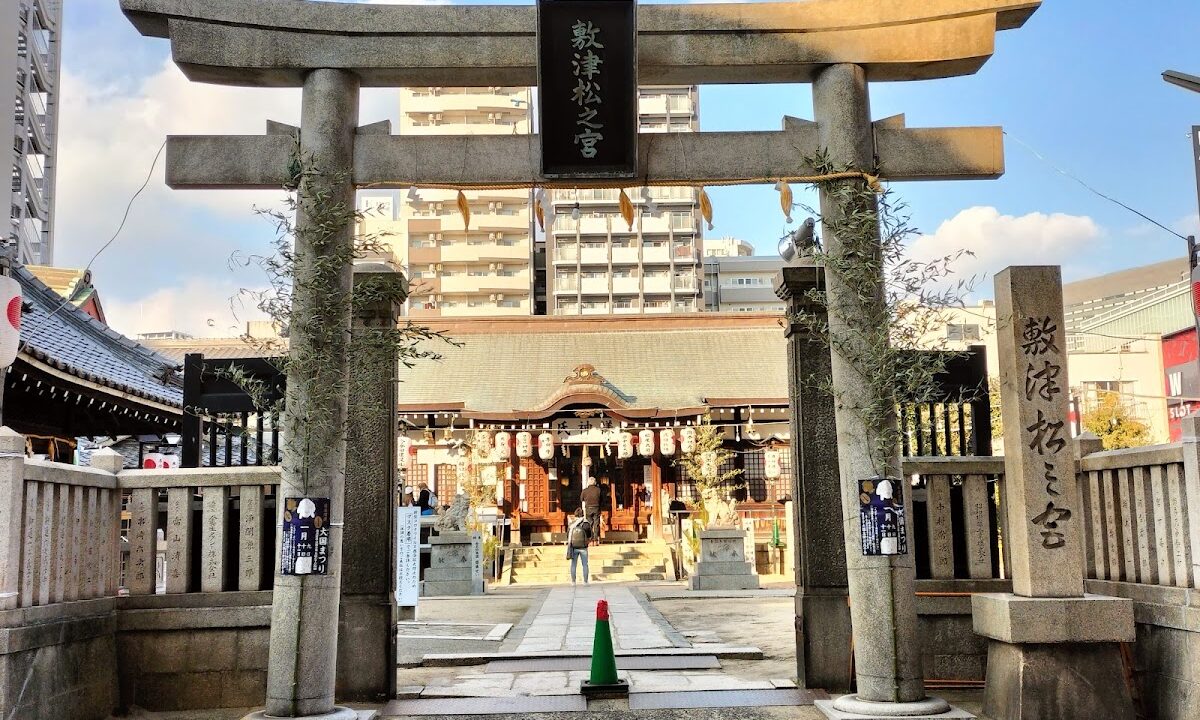
Shikitsu Matsunomiya Shrine is a historic shrine located in Shikitsu-Nishi 1-chome, Naniwa-ku, Osaka City. Its subsidiary shrine, Hide Okuni-sha, is also known as “Okuninushi Shrine” and is affectionately called “Kizu no Okuni-san” by locals.
Despite its convenient location just a 3-minute walk from Okunicho Station on the Osaka Municipal Subway Midosuji and Yotsubashi Lines, the shrine grounds are enveloped in a tranquil atmosphere. In fact, the station name “Okunicho” and the town name (Okuni, Naniwa-ku) originate from this shrine.
Shikitsu Matsunomiya Shrine and Okuninushi Shrine are enshrined together as a single shrine, and although they each have different principal deities, they are united in their worship. It is believed to offer a variety of blessings, including business prosperity, increased wealth, matchmaking, and protection from evil. In particular, the “Tanesen” (seed money) amulet for increasing wealth is famous throughout Japan.
History of Shikitsu Matsunomiya Shrine
Founding and Origin
The founding of Shikitsu Matsunomiya Shrine is said to date back to the time of Empress Jingu. According to shrine tradition, it originated when Empress Jingu enshrined Susanoo-no-Mikoto in this area on her return from the conquest of the Three Kingdoms of Korea.
The shrine was named “Shikitsu Matsunomiya” because it was located in a coastal area formerly known as “Shikitsuura.” This area has been a transportation hub since ancient times and flourished as an important port area near Naniwa-tsu.
Origin of Okuninushi Shrine
Meanwhile, Okuninushi Shrine (Hide Okuninushi Shrine), a subsidiary shrine, became particularly popular as the tutelary deity of Kizu Village during the Edo period. This shrine, dedicated to Ōkuninushi-no-Mikoto, is said to have received a divided spirit from Izumo Taisha Shrine.
During the Edo period, Kizu developed as an important port town supporting Osaka’s economy, and the worship of “Kizu no Ōkuni-san” spread among merchants. Because Ōkuninushi-no-Mikoto is known as the god of matchmaking and business prosperity, merchants visited this shrine to pray for business success and financial fortune.
Changes after the Meiji Restoration
With the Meiji-era separation of Shinto and Buddhism, the previously syncretic form of religious belief was reorganized. At this time, Shikitsu Matsunomiya and Ōkuninushi Shrine were officially enshrined together in a single shrine building.
While the registered name as a religious corporation is “Shikitsu Matsunomiya,” it is often referred to as “Shikitsu Matsunomiya/Ōkuninushi Shrine,” and locally, the names “Ōkuninushi Shrine” or “Kizu no Ōkuni-san” are more widely known.
In the early Showa period, it was incorporated as one of the seven shrines dedicated to Daikokuten (the god of wealth) as part of the Osaka Seven Lucky Gods pilgrimage. Because the names of Okuninushi-no-Mikoto and Daikokuten sound similar, they were syncretized and came to be worshipped as gods of fortune.
Deities and Benefits
Main Deity of Shikitsu Matsunomiya Shrine
The main deity of Shikitsu Matsunomiya Shrine is Susanoo-no-Mikoto. Susanoo-no-Mikoto is a heroic god in Japanese mythology, known as the god of protection against evil, warding off disease, and matchmaking. He is a brave god famous for the myth of slaying Yamata-no-Orochi (the eight-headed serpent).
Because it enshrines Susanoo-no-Mikoto, Shikitsu Matsunomiya Shrine is believed to offer the following blessings:
- Protection from Evil and Disaster: Protection from all kinds of calamities
- Extermination of Epidemics: Recovery from illness and prayers for good health
- Family Safety: Peace and prosperity for the family
- Abundant Harvest: Prosperity in agriculture and business
Main Deity of Okuninushi Shrine
The main deity of Okuninushi Shrine is Okuninushi-no-Mikoto. Okuninushi-no-Mikoto, also known as the principal deity of Izumo Taisha Shrine, is the god of nation-building and is worshipped for the following blessings:
- Matchmaking: Success in finding a good partner, romantic relationships, and marital harmony
- Business Prosperity: Business success and thriving business
- Increased Financial Fortune: Increased wealth and good fortune
- Childbirth and Safe Delivery: Prayers for conception and safe childbirth
- Healing from Illness: Recovery of health and the god of medicine
Daikokuten of the Osaka Seven Lucky Gods
Okuninushi Shrine is also known as one of the shrines on the Osaka Seven Lucky Gods pilgrimage, enshrining Daikokuten. Daikokuten is the god who presides over good fortune and wealth, and has been particularly revered among merchants.
The image of Daikokuten holding a magic mallet and standing on bales of rice is a symbol of abundance and prosperity. Due to the syncretism of Okuninushi-no-Mikoto and Daikokuten, this shrine has become especially famous as a shrine for financial fortune and business prosperity.
Highlights of the Shrine Grounds and Cultural Properties
Main Hall and Worship Hall
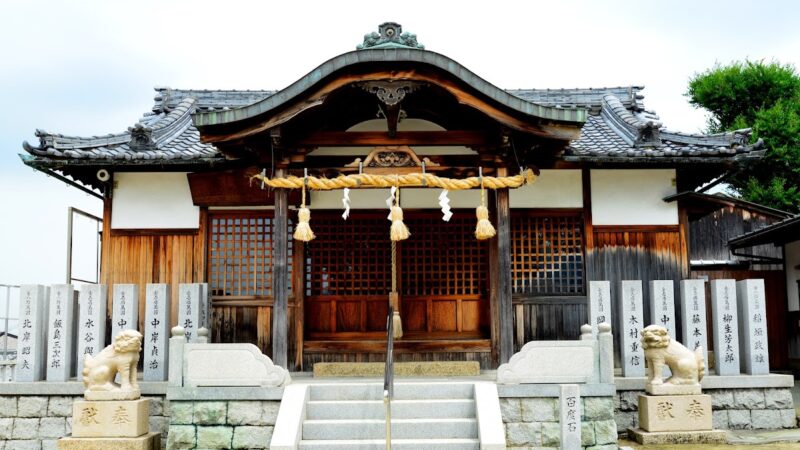
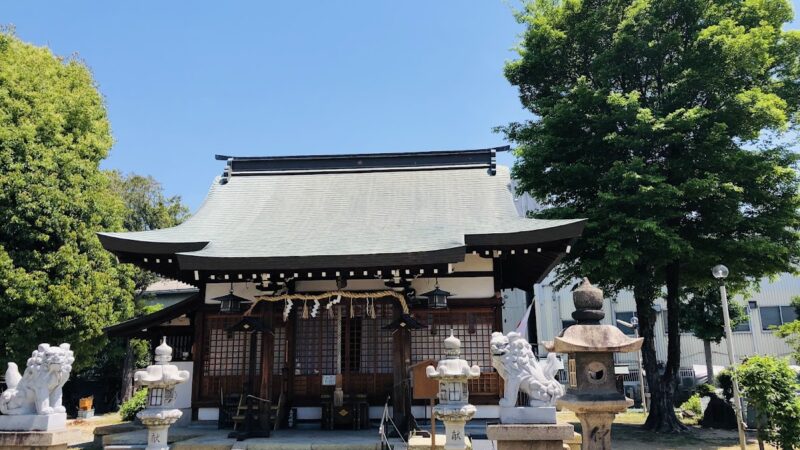
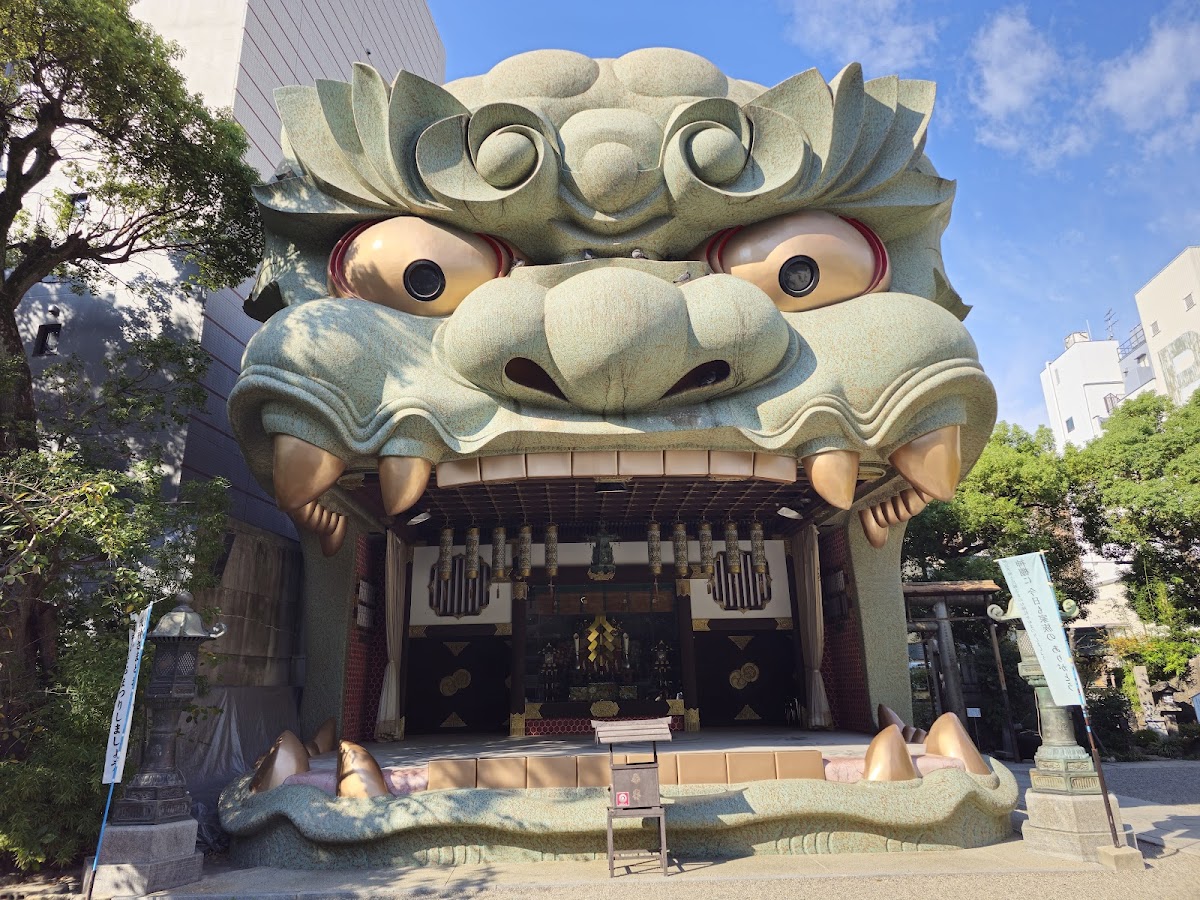
The main hall of Shikitsu Matsunomiya Shrine is built in the traditional style of Shinto shrine architecture, and enshrines both Shikitsu Matsunomiya Shrine and Okuninushi Shrine together. The worship hall is where worshippers offer their prayers and is a beautiful building adorned with carvings and decorations.
Sacred Trees and Gardens
Within the shrine grounds are magnificent sacred trees said to be several hundred years old, creating a sacred atmosphere. The well-maintained gardens display different expressions throughout the seasons, providing a tranquil space that allows visitors to forget the hustle and bustle of the city.
Komainu and Torii Gate
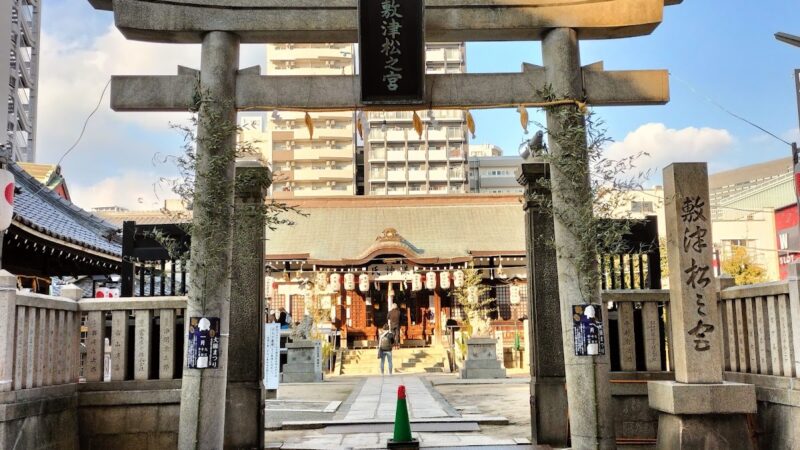
Upon passing through the torii gate at the entrance to the shrine grounds, magnificent komainu (guardian lion-dogs) greet worshippers. These komainu are said to have been donated in the late Edo period and are cultural assets of historical value.
Ema Hanging Area
Within the shrine grounds, there is a place to dedicate ema (votive tablets), where many ema are hung, expressing wishes for matchmaking, business prosperity, and increased wealth. The ema, imbued with the wishes of visitors, speak to the deep faith of this shrine.
Water Basin
The water basin, where one purifies their mind and body before worship, is a sacred place with flowing pure water. By purifying one’s hands and mouth according to the proper etiquette before worship, one can face the gods with a purer heart.
About Goshuin (Shrine Seals) and Goshuincho (Shrine Seal Books)
Types of Goshuin
At Shikitsu Matsunomiya, in addition to the regular goshuin, limited edition goshuin are sometimes given out during special events. Goshuin often bear the names of both “Shikitsu Matsunomiya” and “Okuninushi Shrine,” indicating that the two shrines are enshrined together.
Goshuin are stamped with the shrine’s seal, the date, and a seal representing the characteristics of “Kizu no Okuninushi-san.” The powerful brushstrokes of the ink calligraphy are cherished by many visitors as a memento of their visit.
Goshuin (Shrine Seal) Reception Hours
Goshuin are available at the shrine office. Reception hours are usually from 9:00 AM to around 5:00 PM, but may change during festivals and the New Year period. It is recommended to check in advance before visiting.
Original Goshuin Notebook
Shikitsu Matsunomiya Shrine also offers an original design goshuin notebook. Featuring designs inspired by Okuninushi-no-Mikoto and Daikokuten, this beautiful notebook is believed to bring good fortune in wealth and relationships.
Popular Amulet: “Seed Money”
What is Seed Money?
The most famous amulet at Shikitsu Matsunomiya Shrine and Okuninushi Shrine is “Seed Money.” Seed money is a special amulet believed to bring increased wealth, and it is thought that keeping it in your wallet will “attract more money.”
Seed money is a coin that has been blessed at a shrine and placed in a protective pouch. It is said that keeping this seed money in your wallet will improve your financial luck and bring prosperity to your business.
How to Use Seed Money
The correct way to use seed money is as follows:
- Keep it in your wallet: Always carry it in your wallet.
- Don’t use it: Do not use the seed money itself; keep it carefully as a protective amulet.
- Be grateful: Not only wish for improved financial luck, but also remember to be grateful.
- Replace it every year: It is recommended to replace the seed money with new coins once a year.
Other Amulets
In addition to seed money, various other amulets are available, such as amulets for matchmaking, business prosperity, and protection against evil. Each amulet embodies the divine virtues of Okuninushi-no-Mikoto and Daikokuten, and you can choose one according to your wishes.
Toka Ebisu Festival
What is Toka Ebisu?
At Shikitsu Matsunomiya Okuninushi Shrine, the Toka Ebisu festival is held annually from January 9th to 11th. Toka Ebisu is a traditional Osaka festival where people pray for business prosperity, and it attracts many worshippers.
Toka Ebisu Schedule
- January 9th: Yoi Ebisu (Eve of Ebisu)
- January 10th: Hon Ebisu (Main Ebisu)
- January 11th: Nokori Fuku (Remaining Fortune)
The main Ebisu festival on January 10th is particularly crowded, with many people visiting to pray for business prosperity.
Fukuzasa (Lucky Bamboo Branches) and Auspicious Signs
Fukuzasa (lucky bamboo branches) are given out at Toka Ebisu. The bamboo branches are adorned with auspicious symbols such as gold coins and sea bream, called “kitcho,” to pray for business prosperity and family safety. Stalls line the temple grounds, creating a festive atmosphere.
Annual Events
First Shrine Visit of the New Year
Many worshippers visit the temple for their first shrine visit of the new year. It’s bustling with people seeking seed money, praying for good fortune and increased wealth in the new year.
Setsubun Festival
On February 3rd, the Setsubun Festival is held, featuring a bean-throwing ceremony to ward off evil. Prayers are offered for good health and protection from illness throughout the year, guided by the divine power of Susanoo-no-Mikoto’s protection against evil.
Summer Purification Ceremony
On June 30th, the Summer Purification Ceremony (Nagoshi no Oharae) is held, where participants purify themselves of the impurities accumulated over the past six months by passing through a ring of reeds, praying for health and safety for the remaining half of the year.
Annual Festival
Every autumn, the annual festival is held, featuring a procession of portable shrines and dedication ceremonies. Local people gather to preserve the history and traditions of the shrine.
Access Information
Access by Train
Nearest Stations:
- Approximately 3 minutes on foot from Exit 1 of Daikokucho Station on the Osaka Metro Midosuji Line and Yotsubashi Line
- Approximately 8 minutes on foot from Imamiyaebisu Station on the Nankai Koya Line
- Approximately 10 minutes on foot from Shin-Imamiya Station on the JR Line
Access from Daikokucho Station is the most convenient; the shrine’s torii gate is visible immediately upon exiting the station.
Access by Car
Approximately 5 minutes from the Namba Exit of the Hanshin Expressway Route 1 Loop Line. However, there is no dedicated parking lot for the shrine, so you will need to use a nearby coin-operated parking lot.
Address and Basic Information
- Address: 1-2-12 Shikitsu-Nishi, Naniwa-ku, Osaka City, Osaka Prefecture 556-0001
- Phone Number: 06-6641-4353
- Visiting Hours: Grounds are freely accessible (Shrine office is open from 9:00 AM to around 5:00 PM)
- Admission Fee: Free
Nearby Tourist Attractions
Imamiya Ebisu Shrine
Located about a 10-minute walk away, Imamiya Ebisu Shrine is a popular shrine for business prosperity, affectionately known as “Ebessan.” Many people visit both shrines during the Toka Ebisu festival.
Shinsekai and Tsutenkaku Tower
In about a 15-minute walk, you’ll reach Shinsekai and Tsutenkaku Tower, two of Osaka’s most representative tourist destinations. Enjoying Osaka’s gourmet food after your visit is highly recommended.
Shitennoji Temple
A short walk further will take you to Shitennoji Temple, associated with Prince Shotoku. This is a historical temple known as a sacred site of Japanese Buddhism.
Namba/Dotonbori
It’s within walking distance of Namba and Dotonbori, Osaka’s bustling entertainment districts. You can enjoy shopping and dining.
Manners and Etiquette for Visiting a Temple
How to Pass Through a Torii Gate
When passing through a torii gate, bow slightly before entering the temple grounds. The torii gate is a boundary separating the sacred realm from the secular world, and showing respect is important.
Proper Ritual for Washing Hands
- Hold the ladle in your right hand and wash your left hand.
- Switch the ladle to your left hand and wash your right hand.
- Switch the ladle back to your right hand, receive water in your left hand, and rinse your mouth.
- Wash your left hand again.
- Hold the ladle upright, wash the handle, and return it to its original position.
Proper Ritual for Worship
- Place your offering in the offering box.
- Ring the bell (if present).
- Bow twice, clap twice, bow once.
- Silently state your wish.
Reasons to Visit Shikitsu Matsunomiya Shrine
Power Spot for Financial Luck and Business Prosperity
This shrine is nationally renowned for its blessings of increased financial luck, including seed money. It is recommended not only for business owners but for anyone who wants to improve their financial luck.
A Sacred Place for Matchmaking
Okuninushi-no-Mikoto is known as the god of matchmaking, and many people seeking good relationships visit this shrine. Prayers can be offered not only for romantic success, but also for good relationships in work and other areas of life.
A Quiet Sanctuary in the City
Despite being in the heart of Osaka, the shrine grounds are enveloped in a tranquil atmosphere. It is cherished by locals as a place to escape the hustle and bustle of the city and find peace of mind.
Inheritance of History and Tradition
This shrine boasts a long history dating back to the time of Empress Jingu, and is a valuable presence that conveys Osaka’s culture and traditions to the present day. Visitors can feel the history of the region while praying.
Easy Access
Located just a 3-minute walk from Daikokucho Station, it’s easily accessible for a casual visit while sightseeing or shopping. It’s a shrine that’s easy to incorporate into Osaka sightseeing.
Summary
Shikitsu Matsunomiya Okuninushi Shrine, affectionately known as “Kizu no Okuni-san,” has long been a beloved shrine among the people of Osaka. You can receive a variety of divine blessings, including seed money for increased wealth, blessings for finding love, and prayers for business prosperity.
With its long history dating back to the time of Empress Jingu, its cultural significance as the origin of the name of Daikokucho, and its charmingly tranquil grounds despite being in the heart of the city, this shrine is a must-visit spot when you’re in Osaka.
From the lively atmosphere of the Toka Ebisu festival to seasonal festivals and quiet daily visits, Shikitsu Matsunomiya Shrine offers a different charm at each time of year. Why not pray for good fortune and a good relationship here? Conveniently located just a short walk from Daikokucho Station on the Osaka Metro, we await your visit.