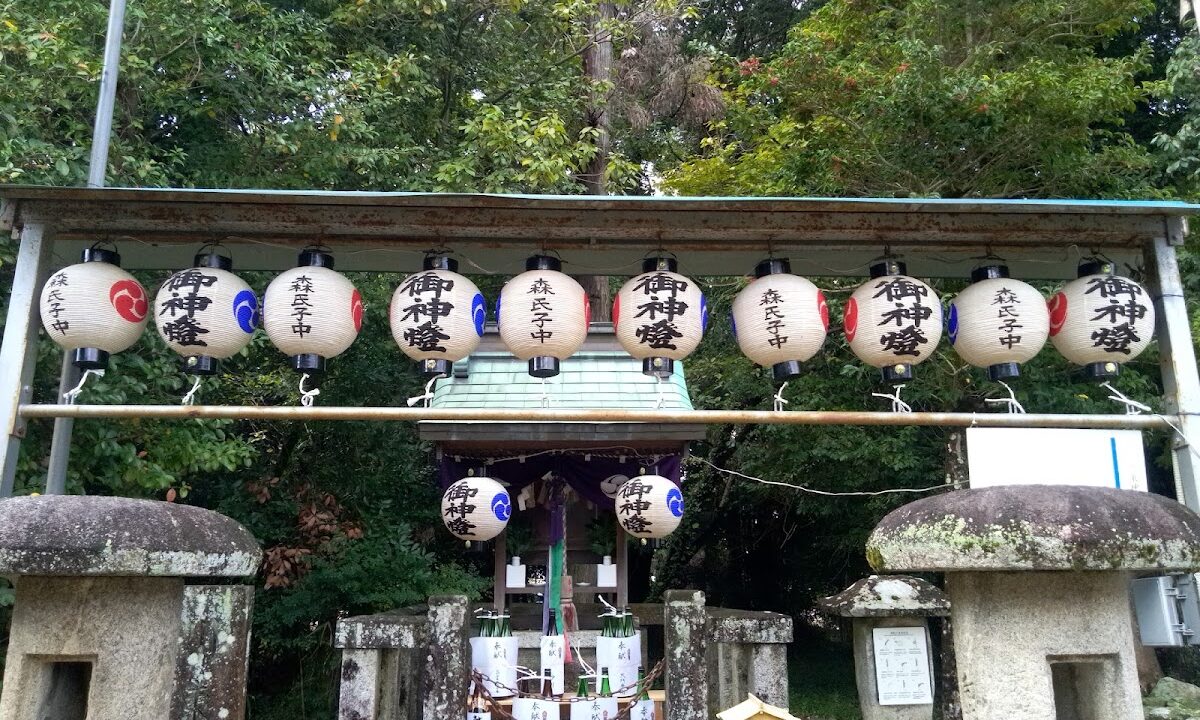
Kawahigashi Shrine (Osaka Prefecture) Complete Guide | History, Blessings, Access, and Festival Information
While there are many shrines in Osaka Prefecture, Kawahigashi Shrine is a beloved local shrine deeply rooted in the community. This article provides detailed information useful for visiting Kawahigashi Shrine, including its history, enshrined deities, blessings, highlights of the grounds, annual events, and access methods.
What is Kawahigashi Shrine?
Kawahigashi Shrine is a shrine located in Osaka Prefecture, with a long history as a center of faith for local residents. The name “Kawahigashi” is thought to have been derived from the geographical characteristics and historical background of the area, and it symbolizes the identity of the region.
Based on traditional Japanese Shinto beliefs, the shrine has long been cherished by local residents as a place to pray for community safety, abundant harvests, and family safety. Even today, many worshippers visit the shrine during important life events such as New Year’s visits, Shichi-Go-San (a traditional rite of passage for children), and exorcisms.
History of Kawahigashi Shrine
Origin of Founding
While there are no clear records regarding the founding date of Kawahigashi Shrine, local traditions suggest it has been worshipped as a guardian deity of the region since ancient times. Like many shrines in Osaka Prefecture, it is believed to be based on a faith deeply intertwined with agricultural culture.
Historical Changes
During the Edo period, it played a central role as the local tutelary deity of the village. While it may have been affected by the Meiji-era shrine consolidation policy, it has been preserved to this day thanks to the strong faith of the local residents.
During the post-war period of rapid economic growth, the surrounding area became urbanized, but the shrine continued to maintain its role as the center of the local community. In recent years, improvements have been made to the shrine grounds and the shrine buildings have been restored, demonstrating a commitment to preserving tradition while adapting to the new era.
Deities and Benefits
Main Deity
The deities enshrined at Kawahigashi Shrine may vary depending on the region’s history and belief system, but generally, the following deities are often enshrined in local shrines in Osaka Prefecture.
- Amaterasu Omikami: The supreme deity in Japanese mythology, the goddess who governs the sun.
- Susanoo-no-Mikoto: Worshipped as the god of protection against misfortune and disaster.
- Hachiman Okami: Known as the god of military fortune and victory in competitions.
- Local Guardian Deity: The god who protects the land.
Benefits
The benefits that can be obtained at Kawahigashi Shrine include the following:
- Family Safety: Health and peaceful life for the family
- Business Prosperity: Success and prosperity in business
- Protection from Evil and Misfortune: Protection from evil
- Traffic Safety: Safe travel and movement
- Academic Success: Improvement in studies and passing exams
- Matchmaking: Blessing with a good partner
- Childbearing and Safe Childbirth: Abundance of children and safe childbirth
Highlights of the Shrine Grounds
Main Hall and Worship Hall
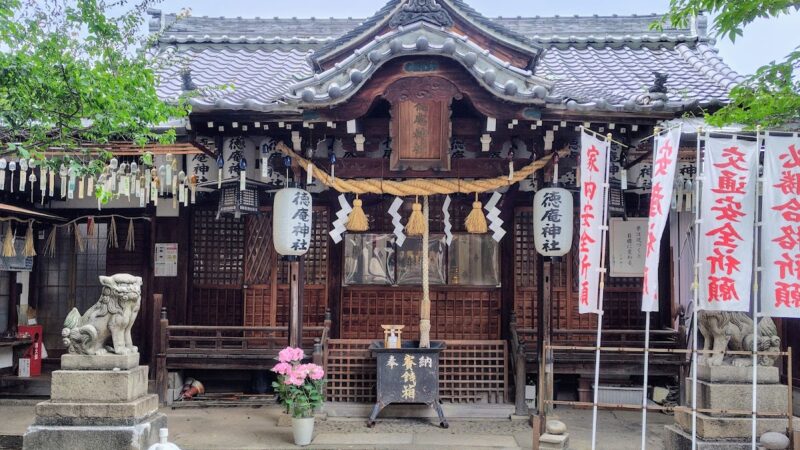
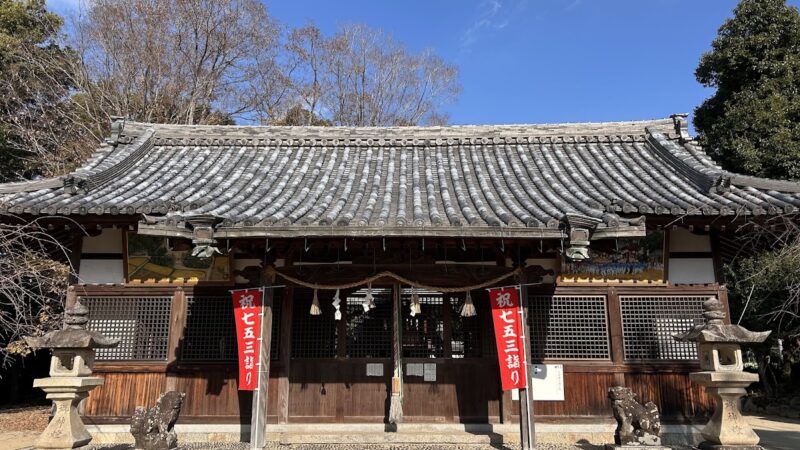
The main hall of Kawahigashi Shrine is built in the traditional style of shrine architecture and serves as the center of local faith. In the worship hall, worshippers offer prayers and convey their wishes to the gods. The architectural style and decorations reflect the characteristics of each era, allowing one to feel the history.
Torii Gate
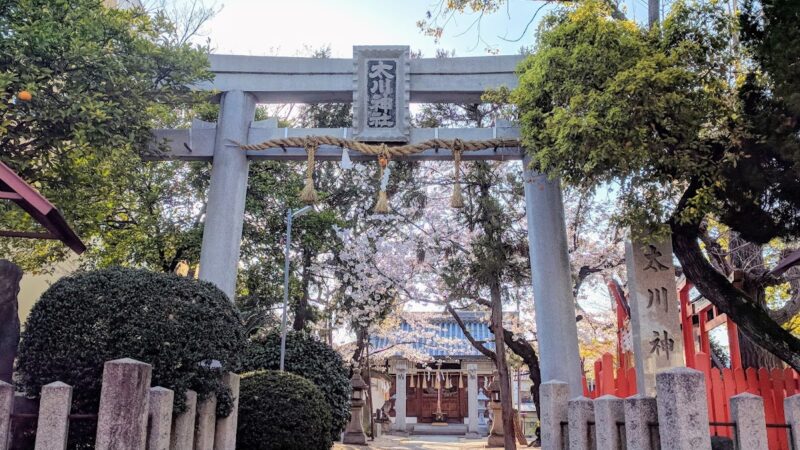
The torii gate standing at the entrance of the shrine serves as a boundary separating the secular world from the sacred realm. Passing through the torii gate purifies the heart and shows respect to the gods.
Water Basin
The water basin, where you purify your hands and mouth before worship, is an important part of shrine worship. By purifying yourself correctly, you can worship the gods with a purer heart.
Shrine Precincts
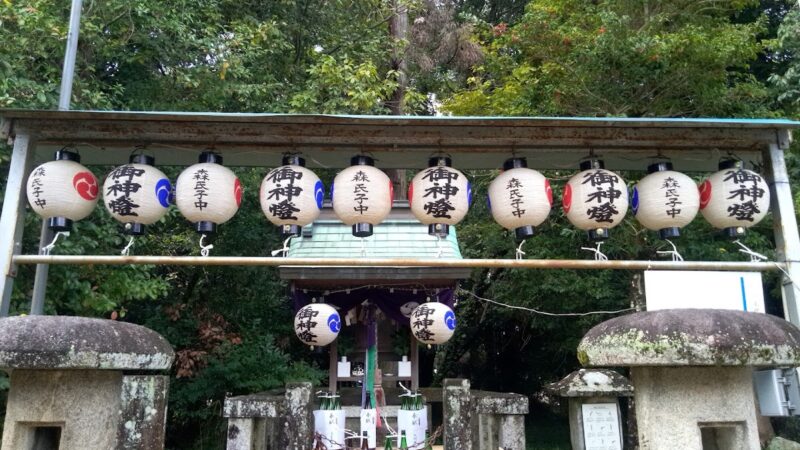
Besides the main shrine, there are often several smaller shrines within the grounds. Each enshrines a different deity, allowing worshippers to seek various blessings.
Sacred Tree
Sacred trees, having stood for many years, tell the story of the shrine’s history. Hundreds of years old trees are believed to possess sacred power, empowering worshippers.
Annual Events and Festivals
New Year’s Visit (January 1st-3rd)
New Year’s visits to shrines, marking the arrival of the new year, are the time of year when the most worshippers visit. People pray for the health and happiness of their families and for safety in the new year.
Setsubun Festival (around February 3rd)
A traditional event where beans are scattered to ward off evil spirits and invite good fortune. The chant “Demons out, fortune in!” is used to drive away the year’s misfortunes.
Spring Festival (around April)
A festival celebrating the arrival of spring and praying for a bountiful harvest. Local residents gather, and traditional performances such as portable shrines and lion dances are sometimes showcased.
Summer Festival (around July-August)
One of the largest events in the region, featuring street stalls and Bon Odori (traditional Japanese dance). A community event enjoyed by people of all ages.
Autumn Festival (around October-November)
The autumn festival, a time of gratitude for the harvest, is an important festival to express thanks for a good harvest. Processions of portable shrines and devotional performances may be held.
Shichi-Go-San (around November 15th)
During the Shichi-Go-San festival, which celebrates children’s growth, children dressed in formal attire and their families visit the shrine.
Oharai (June 30th and December 31st)
This is a Shinto ritual to purify and cleanse away the impurities accumulated over the past six months. The Oharai at the end of the year is particularly important for welcoming the new year with a pure heart.
Etiquette for Worship
Basic Worship Procedure
- Bow before the Torii Gate: Before entering the sacred area, bow to show respect.
- Walk along the edge of the path: The center of the path is considered the path of the gods, so walk along the edge.
- Purify yourself at the water basin:
- Hold the ladle in your right hand and purify your left hand.
- Switch the ladle to your left hand and purify your right hand.
- Switch the ladle back to your right hand, receive water in your left hand, and rinse your mouth.
- Finally, stand the ladle upright and purify the handle.
- Worship in front of the main hall:
- Quietly place your offering in the offering box.
- Ring the bell if there is one.
- Two bows, two claps, one bow (bowing deeply twice, clapping twice, bowing deeply once).
- Bow when leaving the Torii Gate: When leaving the sacred area, turn around and bow.
Points to Note When Worshiping
- Please be quiet and considerate of other visitors on the shrine grounds.
- Refrain from taking photos in areas where photography is prohibited.
- Follow the shrine’s rules regarding pets.
- Dress in clean clothing that is respectful to the gods.
Items Offered and Amulets
Various Amulets
Kawahigashi Shrine offers amulets for various blessings.
- Exorcism Amulet: Protects you from misfortune and bad luck.
- Traffic Safety Amulet: Prayers for safe driving and accident-free driving.
- Academic Success Amulet: Prayers for academic success and passing exams.
- Health Amulet: Prayers for health and recovery from illness.
- Business Prosperity Amulet: Prayers for business success and prosperity.
- Matchmaking Amulet: Prayers for good relationships and successful love.
- Safe Childbirth Amulet: Prayers for safe childbirth and the health of mother and child.
Goshuin (Shrine Seal)
You can receive a Goshuin as a memento of your visit to the shrine. Bring your Goshuincho (stamp book) and politely request a Goshuin (stamp) at the shrine office. A Goshuin is not just a stamp; it’s an important symbol of your connection with the shrine.
Ema (votive tablets)
Ema are also available, where you can write your wishes and offer them. You can offer them with various wishes, such as success in exams, finding love, or family safety.
Access Information
Location
For the exact location of Kawahigashi Shrine, it is recommended to check official information or local tourist guides beforehand. Shrines in Osaka Prefecture are located in various places, from urban areas to suburbs.
Access by Train
Please check the walking route and travel time from the nearest station in advance. It is often accessible using the major railway network in Osaka Prefecture (JR, private railways, subway).
Access by Bus
If using the bus from the nearest station, it is convenient to check the bus timetable and bus stops in advance.
Access by Car
If visiting by private car, enter the shrine name or address into your car navigation system. We recommend checking the availability and number of parking spaces in advance.
Parking Information
The availability and number of parking spaces vary depending on the size of the shrine. During busy periods such as New Year’s Day or festivals, using public transportation is recommended.
Nearby Tourist Attractions
Major Tourist Attractions in Osaka Prefecture
When visiting Kawahigashi Shrine, combining your visit with a tour of nearby tourist attractions will make your trip even more fulfilling.
- Osaka Castle: A famous historical building and symbol of Osaka
- Dotonbori: Osaka’s bustling downtown area, perfect for gourmet food and shopping
- Tsutenkaku Tower: Osaka’s landmark tower
- Sumiyoshi Taisha Shrine: One of Osaka’s representative ancient shrines
- Shitennoji Temple: An ancient temple associated with Prince Shotoku
Local Specialties and Gourmet Food
Osaka Prefecture is known as the “Kitchen of Japan” and boasts an abundance of delicious food.
- Takoyaki: Osaka’s representative soul food
- Okonomiyaki: A prime example of Osaka’s flour-based food culture
- Kushikatsu: Famous for the rule against double-dipping the sauce
- Udon: Characterized by its soft Kansai-style noodles
- Oshizushi: Osaka’s traditional sushi
Best Time to Visit
Spring (March-May)
During cherry blossom season, you can enjoy the beautiful cherry blossoms in the temple grounds and surrounding area. The warm climate makes it an ideal time to visit.
Summer (June-August)
During the summer festival season, you can feel the vibrancy of the community. However, don’t forget to take precautions against the heat and stay hydrated.
Autumn (September-November)
During the autumn foliage season, the trees in the temple grounds turn beautiful colors. Autumn festivals are also held, a time to feel gratitude for the harvest.
Winter (December-February)
The temple is bustling with many visitors during the New Year’s visit season. Please dress warmly when visiting the shrine.
The Charm of Kawahigashi Shrine
A Faith Rooted in the Community
The greatest charm of Kawahigashi Shrine lies in its deep connection with the local community. It has a history of being protected and cherished by local people for generations.
A Serene Atmosphere
Despite being located in an urban area, stepping onto the shrine grounds envelops you in a quiet and peaceful atmosphere. It’s the perfect place to escape the hustle and bustle of everyday life and find peace of mind.
The Preservation of Local Culture
The festivals and events held throughout the year play an important role in passing on the region’s traditional culture to future generations.
Attire and Manners When Visiting the Shrine
Regarding Attire
- Aim for clean and neat attire.
- Avoid revealing clothing.
- Remove hats and sunglasses in front of the main hall.
- Dress warmly in winter.
- Take precautions against heatstroke in summer.
Manners on the Shrine Grounds
- Do not speak loudly.
- Take your trash with you.
- Smoking is only permitted in designated areas.
- Be considerate of other visitors.
- Be mindful that this is a sacred place.
Social Role of Kawahigashi Shrine
Center of the Local Community
The shrine is not merely a religious facility; it plays a central role in the community as a gathering place for local residents. Intergenerational exchanges are fostered through festivals and events.
Protection of Cultural Properties
The shrine also plays a role in protecting historical buildings and cultural properties and passing them on to future generations.
Educational Function
The shrine also functions as a place to teach children about traditional Japanese culture and etiquette. We offer opportunities to experience Japanese culture through events such as Shichi-Go-San (a traditional rite of passage for children) and Hatsumiyamairi (a first shrine visit for newborns).
Summary
Kawahigashi Shrine, located in Osaka Prefecture, is a deeply rooted local shrine with a long history and profound faith. Many worshippers visit seeking various blessings, including family safety, business prosperity, and protection from evil.
The shrine grounds offer many points of interest, including the main hall, worship hall, and sacred tree, providing a tranquil atmosphere where one can find peace of mind. Various festivals and events are held throughout the year, allowing visitors to experience local culture.
When visiting, please observe proper etiquette and manners to show respect to the deities. Souvenirs such as amulets and Goshuin (stamped seals) are available to commemorate your visit.
When visiting Osaka Prefecture, be sure to visit Kawahigashi Shrine and experience the local history and culture. You will be able to spend a precious time escaping the hustle and bustle of everyday life and purifying your mind.
Kawahigashi Shrine will continue to be cherished and protected not only as a tourist destination but also as a spiritual haven for the local residents. We hope that through your visit, you will feel the warmth of traditional Japanese culture and the community.