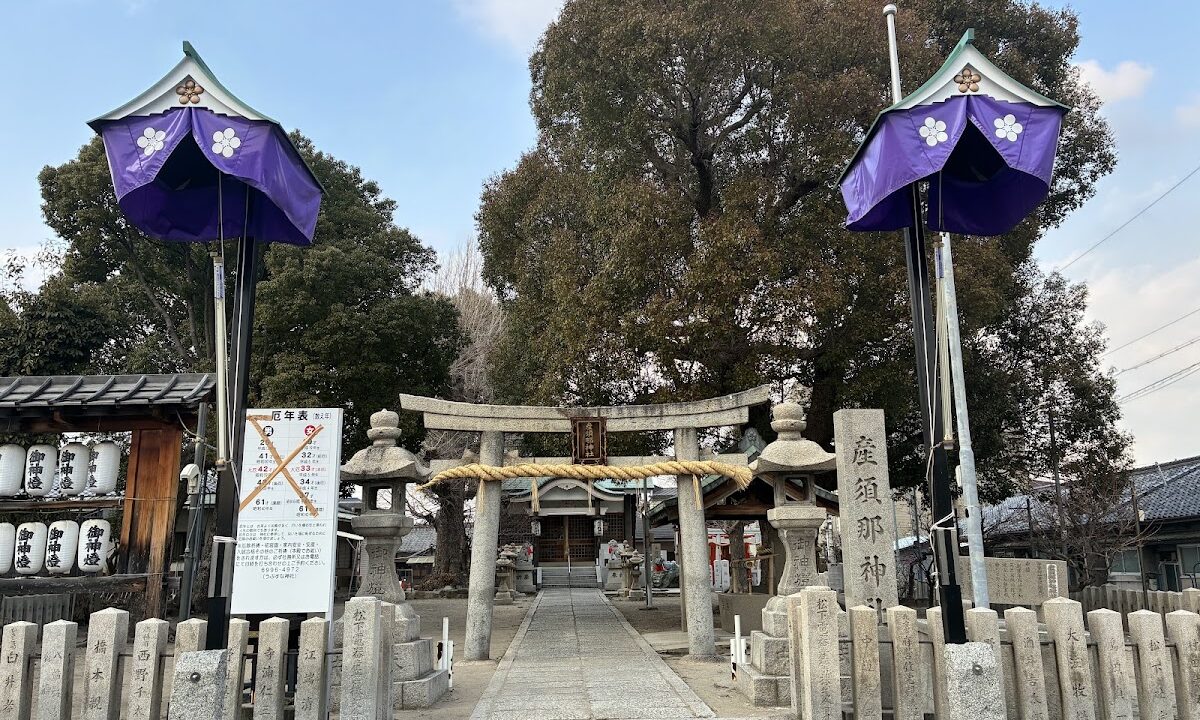
Ubusuna Shrine (Moriguchi City, Osaka Prefecture) Complete Guide | History, Goshuin (Shrine Seal), Access, and Visiting Information
Nearby nestled in Terakata-motomachi, Moriguchi City, Osaka Prefecture, Ubusuna Shrine is a historic shrine dedicated to Sugawara no Michizane, known as the god of learning. Despite being located in a residential area, it has been deeply revered by locals as the guardian deity of the region for many years. This article provides detailed information you should know before visiting, from the history of Ubusuna Shrine to how to visit, information on goshuin (shrine seals), and access methods.
Basic Information about Ubusuna Shrine
Location: 2-8-15 Terakatamotomachi, Moriguchi City, Osaka Prefecture 570-0047
Phone Number: 06-6996-4972
Deity Enshrined: Sugawara no Michizane
Annual Festival: October 25th
Nearest Station: Keihan Main Line “Moriguchi Station” or “Doi Station”
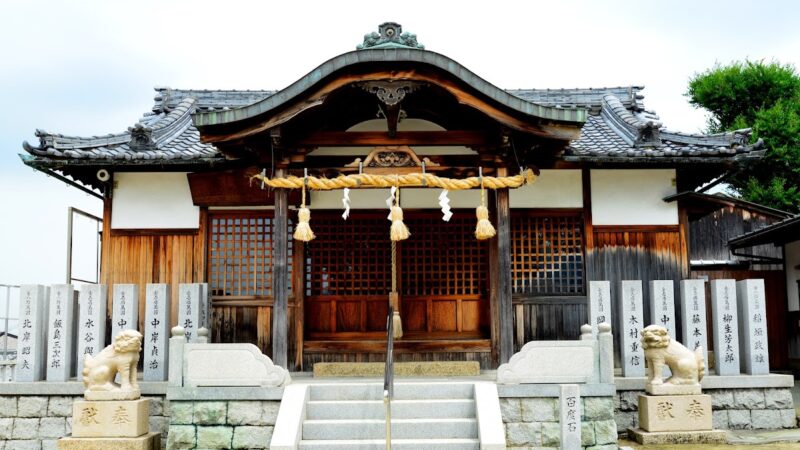
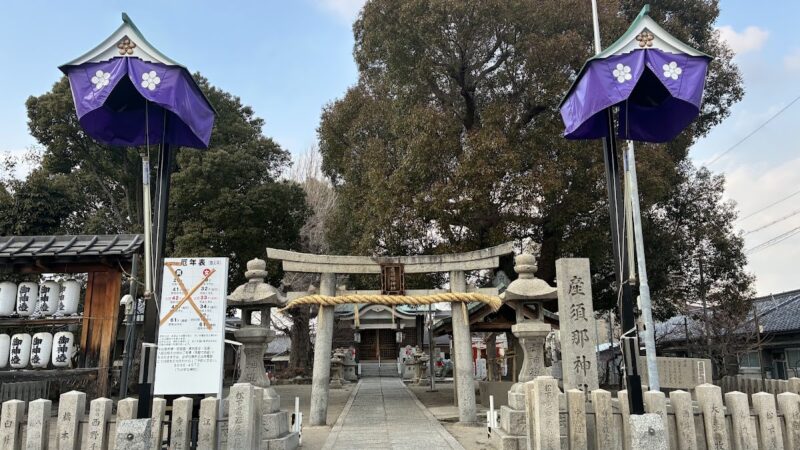
Ubusuna Shrine is located in a residential area of Moriguchi City. While the grounds are not particularly large, it is a charming shrine with a sense of history. The name “Ubusuna” means “guardian deity,” suggesting its role as a local guardian.
History and Origins of Ubusuna Shrine
From Founding to the Siege of Osaka
The exact founding date of Ubusuna Shrine is unknown, but it is believed to date back to the Muromachi period. However, during the Summer Siege of Osaka in 1615, the entire village of Terakata was destroyed by fire, and Usuna Shrine was no exception. This fire resulted in the loss of many records, including the shrine buildings.
Reconstruction and Development in the Edo Period
To escape the flames of war, the villagers buried the deity’s spirit in the ground for safekeeping. After the fighting subsided, the shrine buildings were rebuilt in September 1624, and the deity’s spirit, which had been buried the previous year, was re-enshrined.
More importantly, in 1749, the Gojo family donated a wooden statue of Sugawara no Michizane, which was enshrined in the shrine. This donation clearly established Usuna Shrine’s character as a shrine dedicated to Sugawara no Michizane.
Development in the Modern Era
Throughout the Edo period, Usuna Shrine was revered as the local tutelary deity, and it continued to function as a central presence in the local community even after the Meiji era. Even today, it remains deeply rooted in the lives of the local people as the tutelary shrine of the Terakata area of Moriguchi City.
About the enshrined deity: Sugawara no Michizane
Sugawara no Michizane (845-903), the enshrined deity of Ubusuna Shrine, is known as a scholar and politician of the Heian period and is worshipped nationwide as the god of learning.
The life of Sugawara no Michizane
From a young age, Michizane excelled in academics and displayed exceptional talent in Chinese and Japanese poetry. He rose to the position of Minister of the Right in the imperial court, but was demoted to Dazaifu due to political intrigue, where he spent the rest of his life. After his death, various calamities occurred in the capital, leading to the construction of Tenmangu shrines to appease Michizane’s vengeful spirit. Eventually, he came to be revered as the god of learning and literature.
Beliefs at Ubusuna Shrine
At Ubusuna Shrine, Sugawara no Michizane is enshrined as the god of academic achievement, passing examinations, improving calligraphy, and advancing in the arts. Local students and their families visit to pray for success in exams, and worshippers seeking academic achievement visit throughout the year.
Highlights of the Shrine Grounds
Shrine Building
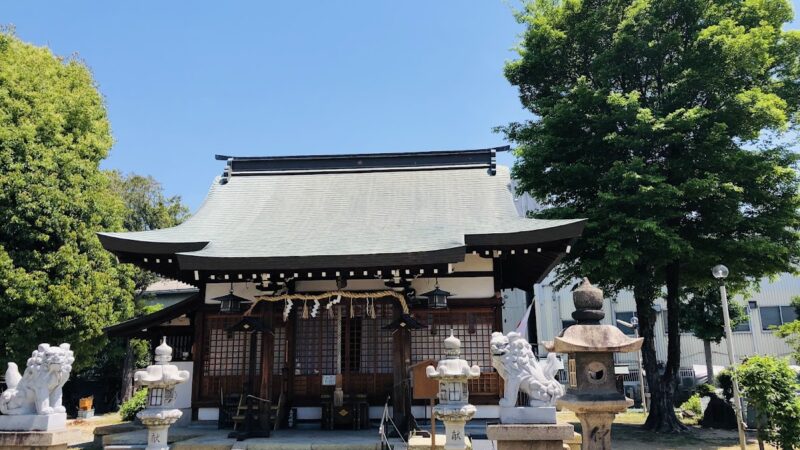
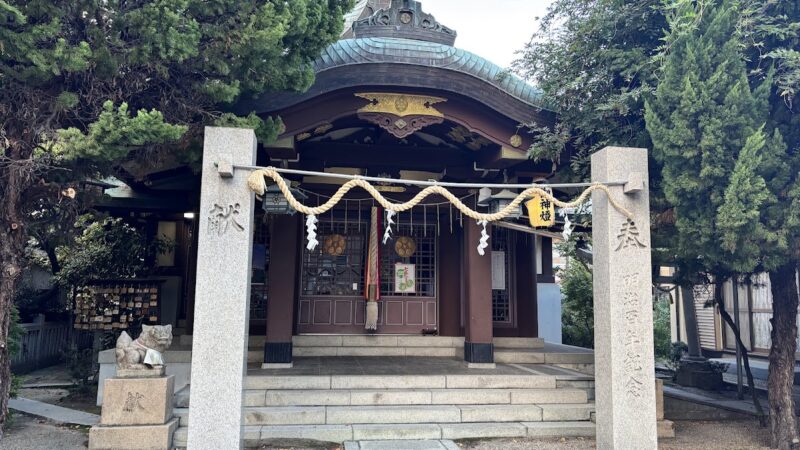
The shrine building of Ubusuna Shrine is based on a structure rebuilt in the early Edo period. While not large in scale, it is characterized by a tranquil atmosphere that evokes a sense of history. Despite being located in a residential area, stepping onto the grounds envelops you in a peaceful atmosphere.
Atmosphere of the Shrine Grounds
The shrine grounds are well-maintained, reflecting the care and dedication of the local community. Trees are planted within the grounds, creating a space where one can feel connected to nature despite being in an urban area.
Stone Monuments and Lanterns
The shrine grounds are dotted with stone monuments and lanterns that tell the story of history, conveying the history of faith that has continued since the Edo period. Many of these stone structures were donated by local people, demonstrating their deep faith in their guardian deity.
Goshuin (Shrine Seal) Information
Regarding the Issuance of Goshuin
While Ubusuna Shrine does issue goshuin, it is recommended to call ahead to confirm, as there may not always be a resident priest. While there are reports of visitors receiving goshuin, it is best to inquire directly with the shrine regarding issuance times and procedures.
Contact Information: 06-6996-4972
Regarding Goshuincho (Shrine Seal Books)
It is recommended to check before visiting whether they have original goshuincho available. Bringing a standard goshuincho is acceptable.
Manners During Worship
Goshuin are given as proof of worship. Always complete your prayers before requesting a goshuin. Also, the fee for receiving a Goshuin (temple/shrine stamp) is generally around 300 yen, but it is a donation made at your discretion, so it’s best to have small change ready to avoid needing change.
Annual Events and Festivals
Annual Festival (October 25th)
The most important festival at Ubusuna Shrine is the annual festival, held every year on October 25th. On this day, the divine virtues of the enshrined deity, Sugawara no Michizane, are celebrated, and prayers are offered for peace and prosperity in the region. Many worshippers, mainly local parishioners, visit the shrine, making it even more lively than usual.
New Year’s Visit
During the New Year’s visit period, local residents and their families visit the shrine. Students praying to Sugawara no Michizane, the god of learning, for academic success and passing exams in the new year can also be seen.
Summer Festival
In the summer, local summer festivals are held, and the shrine grounds and surrounding area are filled with a festive atmosphere. It also plays an important role as a place for community interaction.
Access Methods
Access by Train
From Moriguchi Station on the Keihan Main Line
- Approximately 15 minutes on foot (approx. 1.2 km)
- Head east from the east exit of Moriguchi Station, passing through the residential area to arrive.
From Doi Station on the Keihan Main Line
- Approximately 14 minutes on foot (approx. 1.1 km)
- Head east from Doi Station.
While it’s within walking distance from both stations, it’s located in a residential area, so using a smartphone map app will help you arrive without getting lost.
Access by Bus
It’s also possible to use local buses operating within Moriguchi City. It’s a few minutes’ walk from the nearest bus stop, but since the number of buses may be limited, it’s recommended to check the timetable in advance.
Access by Car
Location: 2-8-15 Terakata Motomachi, Moriguchi City, Osaka Prefecture
Because it’s located in a residential area, there are some narrow roads. Searching for “San-suna Shrine” on your car navigation system or Google Maps will show you the exact location.
Parking Information
Information regarding dedicated parking is limited. While there may be coin-operated parking lots nearby, we recommend using public transportation. If you are visiting by car, it’s best to inquire with the shrine beforehand or check for nearby parking information.
Points to Note When Visiting
Worship Etiquette
The basic worship etiquette at a shrine is as follows:
- Bow before passing through the torii gate: Bow lightly before entering the shrine grounds.
- Purify yourself at the water basin: If there is a water basin, purify your hands and mouth.
- Worship at the main hall: Worship using the two bows, two claps, and one bow method.
- Bow upon leaving: Turn around and bow when leaving the torii gate.
Recommended Time to Visit
San-suna Shrine is located in a residential area, so early morning or late evening are recommended for a quiet visit. Visiting the shrine, especially in the refreshing morning air, offers a truly soul-cleansing experience.
Photography Etiquette
Photography is generally permitted on the shrine grounds, but please be considerate of other visitors. It is considered good manners to refrain from photographing inside the main hall. When posting on social media, please be mindful of the sacred nature of the place and post with moderation.
Benefits and Faith
Academic Success and Passing Exams
The Usuna Shrine, dedicated to Sugawara no Michizane, is particularly famous for its blessings of academic success and passing exams. During exam season, local students and their families visit to pray for success.
Improvement in Calligraphy and Literature
Because Michizane was also an excellent scholar and poet, the shrine is revered by those seeking improvement in calligraphy and literature.
Protection from Evil and Family Safety
As the guardian deity of the region, Usuna Shrine plays an important role as a place to pray for protection from evil, family safety, and peace in the community.
Nearby Attractions
History of Moriguchi City
Moriguchi City is located northeast of Osaka City and has a history of flourishing as a post town on the Kyoto Highway. Around Ubusuna Shrine, there are scattered places that retain the atmosphere of the former highway.
Nearby Shrines and Temples
There are other historical shrines and temples within Moriguchi City. When visiting Ubusuna Shrine, a “shrine tour” visiting the surrounding temples and shrines is also recommended.
Local Shopping Streets
There are shopping streets around Moriguchi Station and Doi Station, where you can enjoy local cuisine before or after your visit to the shrine.
The Charm of Ubusuna Shrine
A Local Guardian Deity
The greatest charm of Ubusuna Shrine is its presence as a deeply rooted local guardian deity. Unlike large-scale tourist shrines, it is closely intertwined with the lives of local people and is an object of daily worship.
The Weight of History
Having survived the ravages of the Siege of Osaka, the history that has continued since the Edo period can be felt throughout the shrine grounds. In today’s increasingly urbanized world, it is precious that such a historically significant shrine is preserved.
A Serene Worship Space
Despite being located in a residential area, stepping onto the shrine grounds envelops you in a tranquil atmosphere, like entering another world. A space for peaceful worship, far removed from the hustle and bustle of everyday life, is maintained.
Visitor Feedback
Visitors who have actually visited Ubusuna Shrine have given it positive reviews, describing it as a “shrine where you can feel the history” and a “calm shrine in a residential area.” Although not large in scale, the meticulously maintained grounds and its presence as a local guardian deity are highly valued.
Points to Note When Visiting
Advance Confirmation Recommended
If you wish to receive a Goshuin (shrine stamp) or have a specific prayer request, it is recommended to confirm by phone in advance. Since there may be times when a resident priest is not present, prior contact is recommended to ensure you receive the necessary assistance.
Manners in a Residential Area
Since the area around the shrine is a residential area, consideration must be given to avoiding disturbing nearby residents with noise, illegal parking, etc. Especially avoid visiting early in the morning or late at night.
Seasonal Attire
As the shrine grounds are outdoors, please dress appropriately for the season. Remember to take precautions against the sun in summer and warm clothing in winter.
Summary
San-suna Shrine, located in Terakata-motomachi, Moriguchi City, Osaka Prefecture, is a historical shrine dedicated to Sugawara no Michizane. Having survived the ravages of the Siege of Osaka and rebuilt in the early Edo period, it has been revered as the local guardian deity for approximately 400 years.
As it enshrines Sugawara no Michizane, the god of learning, it is known for its blessings of academic success and passing exams, attracting many worshippers, including local students. Despite being located in a residential area, the shrine grounds are enveloped in a tranquil atmosphere, providing a precious space for peaceful worship.
Its convenient location, within walking distance of Moriguchi or Doi Station on the Keihan Main Line, is also a major draw. Its easily accessible location from Osaka city makes it ideal as part of a shrine pilgrimage or for praying for academic success.
Although a small, community-based shrine, it is imbued with a long history and the deep faith of the local people. Through a visit to Ubusuna Shrine, you can experience traditional Japanese religious culture and find peace of mind.
Frequently Asked Questions (FAQ)
Q1: Can I get a Goshuin (shrine stamp) at Ubusuna Shrine?
A1: Ubusuna Shrine does offer Goshuin, but there may not always be a resident priest. If you want to be sure to receive a Goshuin, we recommend calling in advance (06-6996-4972). Please request the Goshuin after your visit, and the offering fee is generally around 300 yen.
Q2: How do I get to Ubusuna Shrine?
A2: The nearest stations are Moriguchi Station or Doi Station on the Keihan Main Line, both about a 15-minute walk away. From Moriguchi Station, it’s about 1.2km east, and from Doi Station, it’s about 1.1km east. Since it’s located in a residential area, using a smartphone map app will help you find it without getting lost. While it’s accessible by car, we recommend using public transportation due to the residential location.
Q3: Who is the deity enshrined at Ubusuna Shrine? What kind of blessings can I expect?
A3: The deity enshrined at Ubusuna Shrine is Sugawara no Michizane. Because it enshrines Michizane, known as the god of learning, it is believed to bring blessings for academic success, passing exams, improvement in calligraphy, and advancement in literature. It is also worshipped as the local guardian shrine, a place to pray for protection from evil, family safety, and peace in the community.
Q4: Please tell me about the history of Ubusuna Shrine.
A4: While the founding of Ubusuna Shrine is thought to date back to the Muromachi period, it was destroyed in the Summer Siege of Osaka in 1615, and detailed records were lost. The shrine building was rebuilt in 1624, and in 1749, a wooden statue of Sugawara no Michizane was donated by the Gojo family and enshrined there. Since then, it has been revered as the local guardian deity for approximately 400 years.
Q5: When is the annual festival of Ubusuna Shrine? What other events are held?
A5: The annual festival of Ubusuna Shrine is held every year on October 25th. On this day, the divine virtues of the enshrined deity, Sugawara no Michizane, are celebrated, and prayers are offered for peace and prosperity in the region. In addition, many worshippers visit during the New Year’s pilgrimage period, and a local summer festival is held during the summer. As a center of the local community, various events are held throughout the year.
Q6: Is there a parking lot at Ubusuna Shrine?
A6: Information regarding dedicated parking at Ubusuna Shrine is limited. The shrine is located in a residential area, and the surrounding roads are narrow, so we recommend using public transportation. If you are visiting by car, please inquire with the shrine in advance or consider using a nearby coin-operated parking lot.
Q7: What is the proper etiquette for worshipping at Ubusuna Shrine?
A7: The basic etiquette for worship is as follows: (1) Bow before passing through the torii gate, (2) If there is a water basin, purify your hands and mouth, (3) Worship in front of the main hall using the two bows, two claps, and one bow ritual, (4) When leaving, turn back and bow as you exit through the torii gate. Be mindful that this is a sacred place, and worship quietly and sincerely.
Q8: Is Ubusuna Shrine recommended for Hatsumode (first shrine visit of the year)?
A8: Yes, Ubusuna Shrine is recommended for Hatsumode. Because it enshrines Sugawara no Michizane, the god of learning, many worshippers visit to pray for academic success and passing exams in the new year. As the local guardian shrine, it is also an ideal place to pray for family safety and peace throughout the year. It is also appealing because it is not as crowded as large shrines, allowing for a peaceful visit.