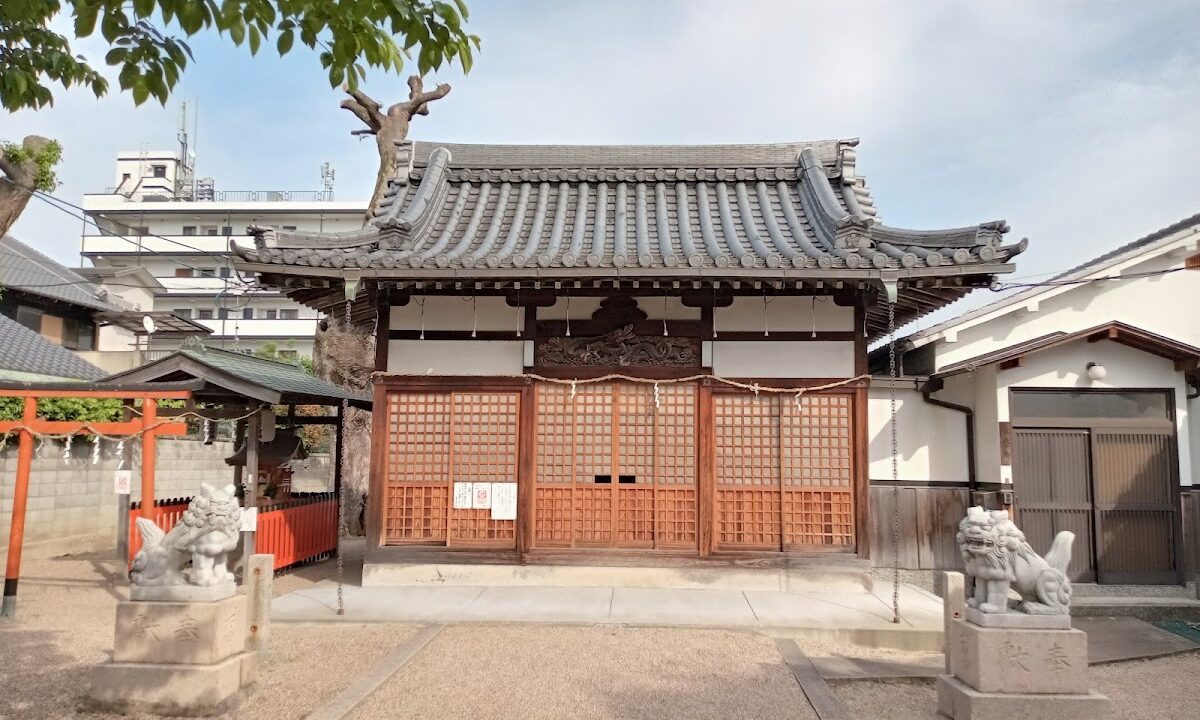
Shinke Tenmangu Shrine (Osaka Prefecture) Complete Guide: A Thorough Explanation of the History, Access, and Blessings of a Place Associated with Sugawara no Michizane
What is Shinke Tenmangu Shrine?
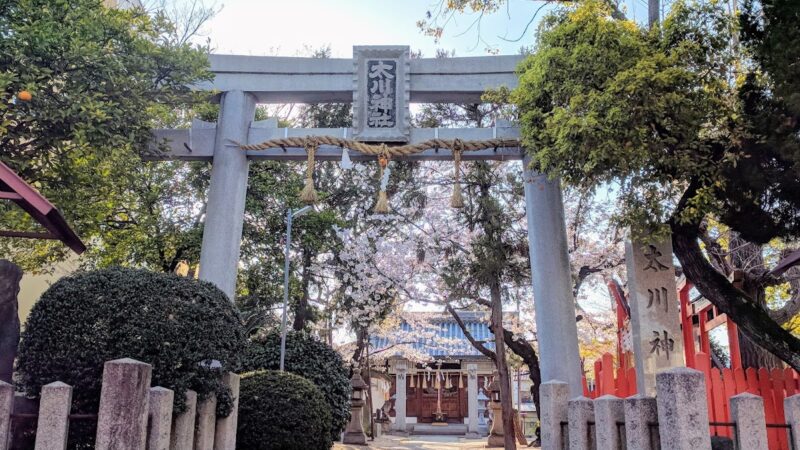
Shinke Tenmangu Shrine is a Shinto shrine located in Kaminami, Hirano-ku, Osaka City, Osaka Prefecture. It enshrines Sugawara no Michizane, known as the god of learning, and is affectionately known as “Shinke no Tenjin-san” by the local people.
While there are several shrines in Osaka that enshrine Sugawara no Michizane, such as Osaka Tenmangu Shrine in Kita-ku and Domyoji Tenmangu Shrine in Fujiidera City, Shinke Tenmangu Shrine holds special significance as a historical site where Michizane is said to have actually stopped on his way to exile in Dazaifu.
Location and Basic Information
Location: 5-3-25 Kaminami, Hirano-ku, Osaka City, Osaka Prefecture 547-0003
Shrine Office Phone Number: 06-6792-6425 (Sugawara Shrine)
Shinke Tenmangu Shrine has a history of being rebuilt in April 1949 (Showa 24), after the war, when the enshrined deity was moved from Sugawara Shrine to the newly constructed present shrine building, and the shrine was rebuilt under the name of the religious corporation “Shinke Tenmangu Shrine.”
History and Origins of Shinke Tenmangu Shrine
Connection to Sugawara no Michizane
The most distinctive feature of Shinke Tenmangu Shrine lies in its historical background: Sugawara no Michizane actually visited this place. In 901 (Engi 1), Michizane, who was demoted to Dazaifu Gon no Sochi (Provisional Governor-General of Dazaifu) due to a conspiracy by the Minister of the Left Fujiwara no Tokihira, stopped in Shinke on his way from Kyoto to Dazaifu. At that time, this area was known as Shinke-go, Sumiyoshi-gun, Settsu Province. It is said that Sugawara no Michizane rested here to recover from his travels. The local people warmly welcomed him and expressed their sorrow at his departure.
From its founding to the present
After Michizane’s death in Dazaifu, a shrine was built in this place, where he had stopped, to commemorate his virtues. This is considered the origin of Shinke Tenmangu Shrine.
Main Historical Flow:
- Heian Period: Michizane visited this area during his exile.
- Medieval Period: A shrine dedicated to Michizane was built by local people.
- Edo Period: Gained faith as the local guardian deity.
- Meiji Period: With the development of Shinto, the shrine’s structure was established.
- Showa 24 (1949): After the war, the shrine was relocated to its current building and rebuilt as the religious corporation “Shinke Tenmangu.”
This reconstruction history speaks to the strong faith of the local people who wished for recovery from the war. The current shrine building was constructed with the cooperation of local residents and formally welcomed the deity from Sugawara Shrine.
Deity and Benefits
Deity: Sugawara no Michizane
The deity enshrined at Shinke Tenmangu is Sugawara no Michizane, known nationwide as the god of learning.
Sugawara no Michizane was a nobleman, scholar, and politician of the Heian period. He excelled in academics from a young age, becoming a Doctor of Literature at the age of 33 and rising to the position of Minister of the Right. However, due to a conspiracy by Fujiwara no Tokihira, he was exiled to Dazaifu and died in despair. Following a series of natural disasters in Kyoto, Tenmangu shrines were erected throughout the country to appease Michizane’s vengeful spirit.
Main Benefits
Visiting Shinke Tenmangu Shrine is believed to bring the following benefits:
Academic Success and Passing Exams
- Passing exams
- Improving academic ability
- Passing qualification exams
Improvement in Literature and Performing Arts
- Improving calligraphy skills
- Improving writing ability
- Flourishing artistic talent
Protection from Misfortune and Good Fortune
- Protection from disasters
- Family safety
- Traffic safety
Virtue of Sincerity and Honesty
- The strength to uphold sincerity
- The courage to uphold justice
Especially during exam season, many students and their parents visit to pray for success and write their wishes on ema (votive tablets).
Highlights of the Shrine Grounds
Main Hall
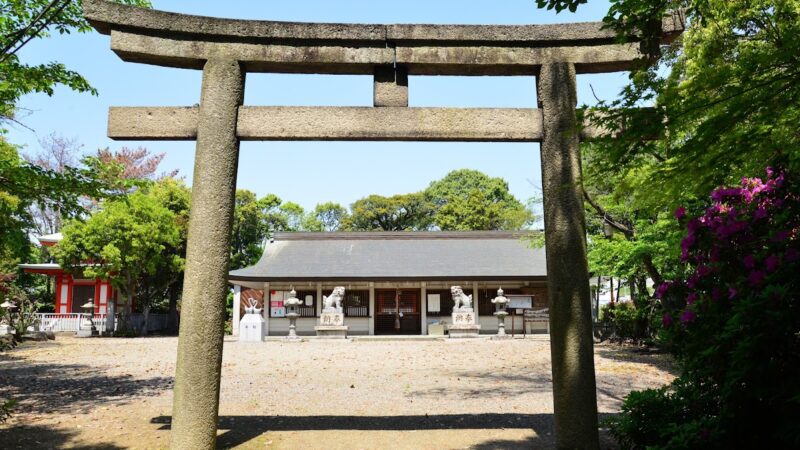
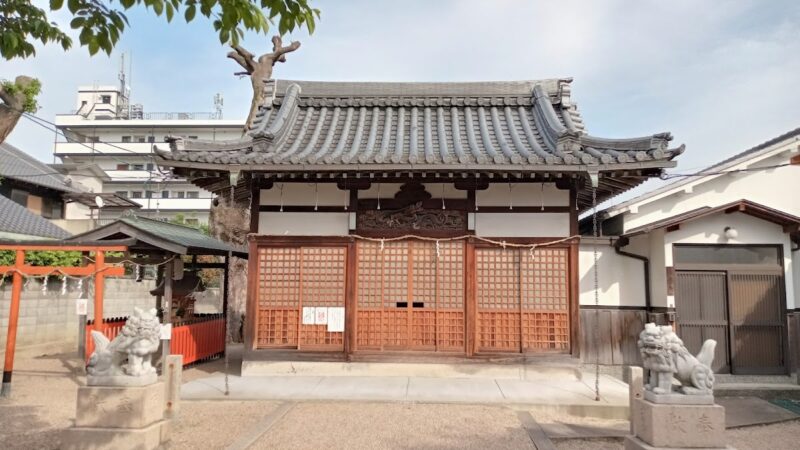
The main hall, built in 1949, is a valuable structure that incorporates traditional shrine architectural styles while reflecting the architectural techniques of the post-war reconstruction period. Despite its small size, it exudes a solemn atmosphere.
Sacred Ox Statue
A statue of a sacred ox (shingyu), an essential element of Tenmangu shrines, is also enshrined on the grounds. Oxes are considered messengers of Sugawara no Michizane, and it is believed that stroking the statue brings blessings for academic success and recovery from illness. There is a particular belief that stroking the same part of the statue as the part of one’s own body that is ailing is especially effective.
Ema (Votive Tablet) Hanging Area
During exam season, the ema hanging area is filled with votive tablets praying for success. These tablets represent the wishes of many people, not only local middle and high school students, but also university entrance exam candidates and working adults preparing for qualification exams.
Plum Tree
A plum tree, deeply associated with Sugawara no Michizane, is also planted on the grounds. It is named after Michizane’s famous waka poem, “When the east wind blows, send forth your fragrance, plum blossoms; do not forget spring, even though your master is gone,” and it blooms beautifully in early spring.
Annual Events and Festivals
Main Annual Events
Hatsumode (January 1st-3rd)
The shrine is bustling with worshippers praying for happiness in the new year and academic success.
Setsubun Festival (around February 3rd)
Bean-throwing ceremonies are held to pray for protection from evil and good fortune throughout the year.
Baika Matsuri (late February-early March)
A festival commemorating the death anniversary of Sugawara no Michizane. It is held during the time when plum blossoms are in bloom.
Reitaisai (around October)
The most important festival of Shinke Tenmangu Shrine, where local people gather for portable shrine processions and offerings.
Shichi-Go-San Pilgrimage (November)
The shrine is bustling with families praying for the healthy growth of their children.
Gokaku Kigansai (December-March)
Special prayers are held during exam season, attracting many students.
Access and Transportation Information
Access by Train
The most convenient way to get to Shinke Tenmangu Shrine is by using the Osaka Municipal Subway (Osaka Metro).
Nearest Station:
- Approximately 15 minutes on foot from Minami-Tatsumi Station on the Osaka Metro Sennichimae Line
- Approximately 20 minutes on foot from Kami Station on the JR Kansai Main Line
Access from Major Stations in Osaka City:
- From Namba Station: Approximately 15 minutes to Minami-Tatsumi Station on the Sennichimae Line
- From Tennoji Station: Approximately 5 minutes to Kami Station on the JR Kansai Main Line, or transfer to the Tanimachi Line and Sennichimae Line to Minami-Tatsumi Station
- From Osaka Station/Umeda Station: Approximately 30 minutes to Minami-Tatsumi Station via Namba Station on the Midosuji Line and Sennichimae Line
Access by Bus
If using Osaka City Bus:
- Get off at the “Kami-Minami 5-chome” bus stop, approximately 3 minutes on foot
Access by Car
From Major Roads:
- Approximately 10 minutes from the Komagawa Exit of the Hanshin Expressway Route 14 Matsubara Line
- South from Chuo-dori (National Route 308)
Parking: There is some parking space on the shrine grounds, but the number is limited. During busy periods such as New Year’s Day and the annual festival, we recommend using public transportation.
Map Information
Shinke Tenmangu Shrine is located in a residential area of Hirano Ward, Osaka City, with shopping streets and parks nearby. When visiting, you can check the exact location and route by searching for “Shinke Tenmangu Shrine” or the address “5-3-25 Kaminami, Hirano Ward, Osaka City” in a map app.
How to Worship and Manners
Basic Worship Etiquette
Knowing the correct way to worship at a shrine will allow you to offer a more heartfelt prayer.
1. Passing Through the Torii Gate
- Bow before passing through the torii gate.
- Walk along the edge of the path, as the center is the path for the gods.
2. Purifying at the Water Basin
- Take the ladle with your right hand and purify your left hand.
- Switch the ladle to your left hand and purify your right hand.
- Switch the ladle back to your right hand, receive water in your left hand, and rinse your mouth.
- Finally, stand the ladle upright and purify the handle.
3. Worshiping at the Main Shrine
- Place your offering in the offering box.
- Ring the bell if there is one.
- Worship using the Two Bows, Two Claps, One Bow method.
- Bow deeply twice (Two Bows)
- Clap twice (Two Claps)
- Bow deeply once (One Bow)
About Goshuin (Shrine Seals)
Goshuin are available at Shinke Tenmangu Shrine. Goshuin (temple/shrine stamps) are cherished as proof of worship and as a way to forge a connection with the shrine.
When requesting a goshuin, please speak to the shrine office staff. Bringing your goshuincho (stamp book) is considered proper etiquette, but if you don’t have one, you may be able to receive a pre-printed goshuin.
Amulets and Items Offered
Academic Achievement Amulet
A popular amulet among students taking exams. It prays for improved academic performance and success in exams.
Prayer Ema (votive tablet) for Passing Exams
Write the name of your desired school or exam and offer it to the shrine. It will be delivered to the gods along with the wishes of many students.
Academic Pencil
A pencil imbued with the blessings of Sugawara no Michizane. Many students use it on the day of their exams.
Exorcism Amulet
An amulet praying for protection from misfortune and safety for the family.
Nearby Facilities and Tourist Spots
Historical Spots in Hirano Ward
Kumata Shrine
Approximately 2km northwest of Shinke Tenmangu Shrine. This is a representative ancient shrine of Hirano Ward, and the grand “Hirano Danjiri Festival” is held here every July.
Senkoji Temple
A temple famous for its “Hell Hall.” It has unique exhibits as a Buddhist education facility for children.
Dining and Rest Spots
Hirano Shopping Street
A traditional shopping street lined with local restaurants and shops. Convenient for meals after visiting the shrine.
Kami Shopping Street
A shopping street around JR Kami Station. There are cafes and restaurants, making it suitable for taking a break.
Differences between Shinke Tenmangu Shrine and other Tenmangu Shrines
Comparison with Osaka Tenmangu Shrine
Osaka Tenmangu Shrine, located in Kita Ward, Osaka City, is a large shrine founded in 949 AD by imperial decree of Emperor Murakami, and is known for the “Tenjin Festival,” one of Japan’s three major festivals. On the other hand, Shinke Tenmangu Shrine has a more direct historical connection, as it is a place where Sugawara no Michizane actually stopped by.
While Osaka Tenmangu Shrine is a large-scale shrine in an urban area, Shinke Tenmangu Shrine is characterized by its friendly, community-based atmosphere.
Comparison with Domyoji Tenmangu Shrine
Domyoji Tenmangu Shrine in Fujiidera City is adjacent to Domyoji Temple, where Michizane’s aunt served as the head priest, and houses numerous items related to Michizane. It is also known as a famous spot for plum blossoms.
Shinke Tenmangu Shrine, though smaller in scale, has its own unique history as a place where Michizane stopped by on his way to exile, and it attracts the faith of local people.
Voices and Experiences of Visitors
Gratitude from Students Taking Exams
Many students visit to pray for success in their exams, and after successfully passing their desired schools, they return to offer their thanks. Many say, “I was able to pass my exams safely thanks to the watchful eye of my local Tenjin shrine.”
A Place of Relaxation for Local Residents
Shinke Tenmangu Shrine is a familiar shrine where local residents visit regularly, even outside of exam season. Many locals say they stop by during their morning walks to pray for a safe day.
A Quiet Environment for Worship
Unlike large tourist shrines, its charm lies in the calm atmosphere where visitors can worship at their own pace. It is highly regarded as a place where one can escape the hustle and bustle of the city and pray peacefully.
Guidelines for Visiting Shinke Tenmangu Shrine
Appropriate Attire for Worship
There are no specific dress code requirements, but it is desirable to dress appropriately for a sacred place. Casual attire is acceptable, but please avoid overly revealing clothing.
Suitable Time for Worship
While the shrine is generally open for worship throughout the day, visiting during the shrine office’s opening hours allows you to receive Goshuin (shrine stamps) and amulets. Visiting in the refreshing morning hours is also recommended.
Regarding Photography
Photography is generally permitted within the shrine grounds, but there may be restrictions, such as inside the main hall or during festivals. Please be considerate of other visitors and check with the shrine office if you have any questions.
Summary of the Charms of Shinke Tenmangu Shrine
Shinke Tenmangu Shrine is a shrine with historical significance, as it was actually visited by Sugawara no Michizane, while also possessing a warm, community-oriented atmosphere. Its charm lies in its quiet and peaceful worship environment, unlike that of large-scale tourist shrines.
Reasons to Recommend Shinke Tenmangu Shrine:
- Historical Value: A place actually visited by Sugawara no Michizane on his way to exile.
- Benefits for Academic Success: A popular prayer spot for students and those taking exams.
- Easy Access: Visitable by public transportation from Osaka city.
- Peaceful Atmosphere: Less crowded, allowing for a peaceful visit.
- Community Connection: A friendly and beloved shrine among locals.
This shrine is recommended for a wide range of people, including students preparing for exams, those interested in academics and literature, those seeking a sense of historical romance, and those seeking tranquility in a quiet shrine.
If you have the opportunity to visit Hirano Ward in Osaka City, please be sure to visit Shinke Tenmangu Shrine. Why not pray for academic success or the fulfillment of your wishes while feeling the footsteps of Sugawara no Michizane? “Shinke no Tenjin-san,” deeply rooted in the community, will warmly welcome you.
Frequently Asked Questions (FAQ)
Q1: What are the visiting hours for Shinke Tenmangu Shrine?
A1: While you can generally visit the shrine grounds all day, the shrine office is only open during limited daytime hours. If you wish to receive a Goshuin (shrine stamp) or amulet, we recommend calling in advance (06-6792-6425).
Q2: Is there parking available?
A2: There is a limited amount of parking space on the shrine grounds. During busy periods such as New Year’s Day or the annual festival, we recommend using public transportation. The nearest station is Minami-Tatsumi Station on the Osaka Metro Sennichimae Line.
Q3: Can I receive a Goshuin?
A3: Yes, you can receive a Goshuin. Please bring your Goshuincho (stamp book) and speak to the staff during the shrine office’s opening hours. A donation (usually around 300 yen) will be required.
Q3: Can I receive a Goshuin?
A3: Yes, you can receive a Goshuin. Please bring your Goshuincho and speak to the staff during the office’s opening hours. Q4: Can I receive a prayer for passing exams?**
A4: For individual prayers, please inquire at the shrine office in advance. Special prayer ceremonies for passing exams are also held during exam season.
Q5: Are Shinke Tenmangu Shrine and Osaka Tenmangu Shrine different shrines?
A5: Yes, they are different shrines. Osaka Tenmangu Shrine is a large shrine located in Tenjinbashi, Kita-ku, Osaka City, while Shinke Tenmangu Shrine is a community-oriented shrine located in Kaminami, Hirano-ku, Osaka City. Both enshrine Sugawara no Michizane, but Shinke Tenmangu Shrine has a unique history as a place where Michizane actually stopped by when he was exiled.
Q6: Can I purchase amulets and votive tablets?
A6: Yes, during the shrine office’s opening hours, you can purchase items such as amulets for academic success, votive tablets for passing exams, and amulets for warding off evil. Amulets related to academics are especially popular during exam season.
Q7: Can I visit for Shichi-Go-San (a traditional Japanese rite of passage for children)?
A7: Yes, we accept Shichi-Go-San visits. Many families visit during the Shichi-Go-San season in November. If you wish to have a prayer ceremony, we recommend contacting the shrine office in advance.
Q8: Is it possible to visit with a pet?
A8: Policies regarding bringing pets vary from shrine to shrine. We recommend contacting the shrine office in advance. Generally, consideration such as carrying your pet or putting it in a carrier is required.