Tokuan Shrine (Higashi-Osaka City, Osaka Prefecture) Complete Guide | Goshuin (Shrine Seal), Access, and Prayer Information
Tokuan Shrine, located in Higashi-Osaka City, Osaka Prefecture, is a historical shrine deeply rooted in the community and cherished by many worshippers. This article provides detailed information you should know before visiting, including the history of Tokuan Shrine, its goshuin (shrine seal), access methods, and prayer information.
Basic Information about Tokuan Shrine
Tokuan Shrine is located in Tokuan Honmachi, Higashi-Osaka City, Osaka Prefecture, and has been revered as the local guardian shrine for many years.
Location
8-11 Tokuan Honmachi, Higashiosaka City, Osaka Prefecture 577-0001
Phone Number
06-6744-0980
Nearest Station
Approximately 5 minutes on foot from Tokuan Station on the JR Osaka Higashi Line
Parking
Parking space available for visitors on the shrine grounds (limited spaces; public transportation is recommended)
Shrine Office Hours
9:00 AM – 5:00 PM (may vary depending on events)
History and Origins of Tokuan Shrine
The exact founding date of Tokuan Shrine is unknown, but it has long been known as “Shinmei-sha” and revered as the local guardian deity involved in the development of this region.
Deities Enshrined
The following deities are enshrined at Tokuan Shrine:
Amaterasu Omikami
The supreme deity in Japanese mythology and the goddess symbolizing the sun. Widely worshipped as the ancestral deity of the Imperial Family and as the tutelary deity of all Japanese people.
Toyouke-hime no Okami
A goddess who presides over food and grains, also known as the enshrined deity of the Outer Shrine of Ise Grand Shrine. She is the guardian deity of abundant harvests and industrial development.
Sumiyoshi no Okami
Enshrined as the local guardian deity of this region’s development, she is believed to bestow blessings such as safe voyages, safe travels, and business prosperity.
The combination of these deities indicates that Tokuan Shrine has functioned as a comprehensive guardian deity of the region.
Connection to the Community
The place name Tokuan is said to originate from a hermitage called “Tokuan” that once existed in this area. The shrine has played a central role in the local community, deepening the bonds among residents through various festivals and events.
Access
Access to Tokuan Shrine is very convenient.
Access by Train
Using the JR Osaka Higashi Line
Get off at “Tokuan Station” and walk for about 5 minutes.
Exit the west exit of the station and walk straight towards Tokuan Honmachi; you will see the shrine’s torii gate.
Using the JR Gakken Toshi Line (Katacho Line)
You can also use “Tokuan Station.” It is easily accessible from Osaka city.
Access by Car
Using the Hanshin Expressway
Approximately 10 minutes from the “Mizuhashi Exit” of the Hanshin Expressway Route 13 Higashi Osaka Line.
Using National Route 170 (Osaka Outer Ring Road)
Approximately 5 minutes from the “Tokuan” intersection.
There is parking space for visitors on the shrine grounds, but the number of spaces is limited, so we recommend using public transportation on weekends and during events.
Landmarks in the Surrounding Area
Located in the residential area of Tokuan Honmachi, it has a quiet atmosphere closely integrated with the local community. There is also a shopping street nearby, so you can enjoy exploring the area after your visit.
About Goshuin (Shrine Seals) and Goshuincho (Shrine Seal Books)
Goshuin are available at Tokuan Shrine.
Goshuin Reception
Reception Location
Reception at the shrine office
Reception Hours
9:00 AM to 5:00 PM (Please call in advance to confirm, as the shrine priest may not always be present.)
Offering Fee
Usually around 300-500 yen (Please offer what you feel is appropriate.)
Features of Goshuin
Tokuan Shrine’s goshuin features the shrine’s name and date of visit written in ink, along with the shrine’s seal. Simple yet carefully written, these goshuin are cherished by many as a memento of their visit.
Manners for Receiving a Goshuin (Shrine Stamp)
- Please receive your Goshuin after completing your prayers.
- Having your Goshuincho (stamp book) ready will make the process smoother.
- Please visit during the shrine office’s opening hours.
- Since the priest may be absent, it is recommended to contact the shrine in advance if you wish to be sure to receive a Goshuin.
About Prayers and Supplications
At Tokuan Shrine, you can receive various prayers and supplications tailored to life’s milestones and wishes.
Exorcism and Protection from Misfortune
Many people at Tokuan Shrine receive prayers to ward off misfortune for those entering their unlucky years.
About Unlucky Years
- Men: 25, 42 (major unlucky year), 61 (by traditional Japanese age counting system)
- Women: 19, 33 (major unlucky year), 37, 61 (by traditional Japanese age counting system)
Application for Exorcism and Protection from Misfortune
Advance reservations are not required, but during busy periods such as New Year’s and Setsubun (Bean-Throwing Festival), it is recommended to contact the shrine by phone in advance.
Offering Fee
5,000 yen and up (depending on your discretion)
Traffic Safety Prayer & Vehicle Blessing
We also accept traffic safety prayers for new car purchases, driver’s license acquisition, and daily safe driving.
Vehicle Blessing
You can receive a blessing to cleanse your vehicle within the temple grounds. Park your car in the designated parking space and a Shinto priest will perform the blessing.
How to Apply
We recommend contacting us by phone in advance to discuss a date and time. Weekends, in particular, can be busy.
Offering Fee
5,000 yen and up
Other Prayers
- First Shrine Visit (Omiyamairi): Praying for the healthy growth of the baby
- Shichi-Go-San Ceremony: Celebrating the growth of a child and praying for their health
- Prayer for Success in Exams: Praying for success in exams
- Business Prosperity: Praying for the development of the business
- Family Safety: Praying for the health and peace of the family
- Recovery from Illness: Praying for recovery from illness
Those wishing to receive a prayer should fill out the application form at the shrine office and pay the offering fee.
Highlights of the Shrine Grounds
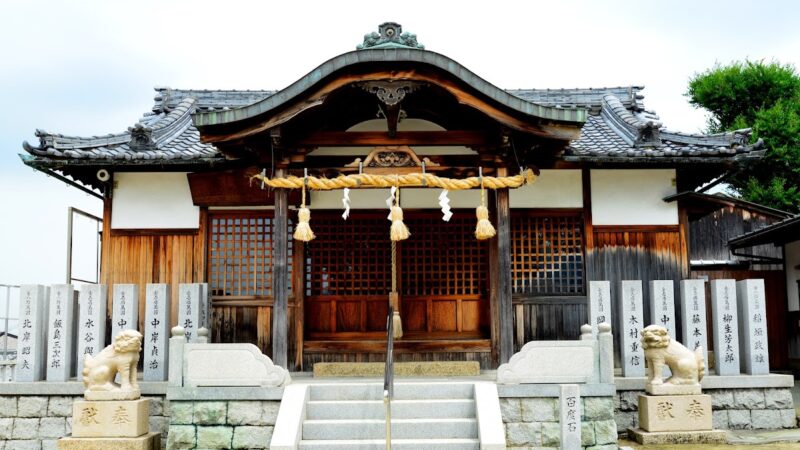
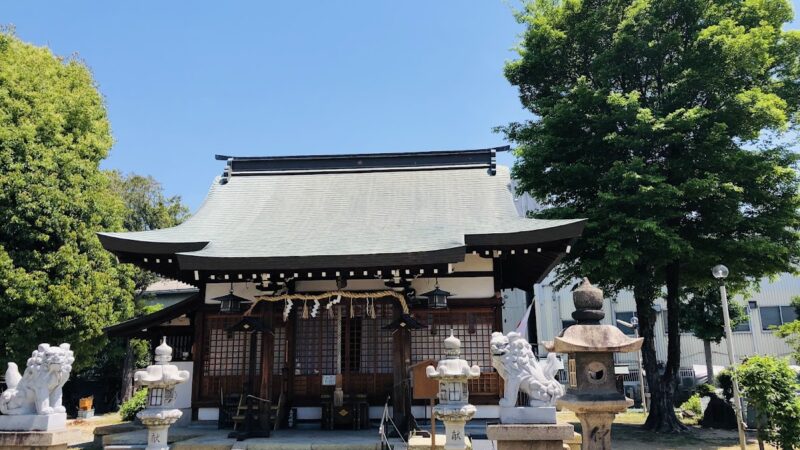
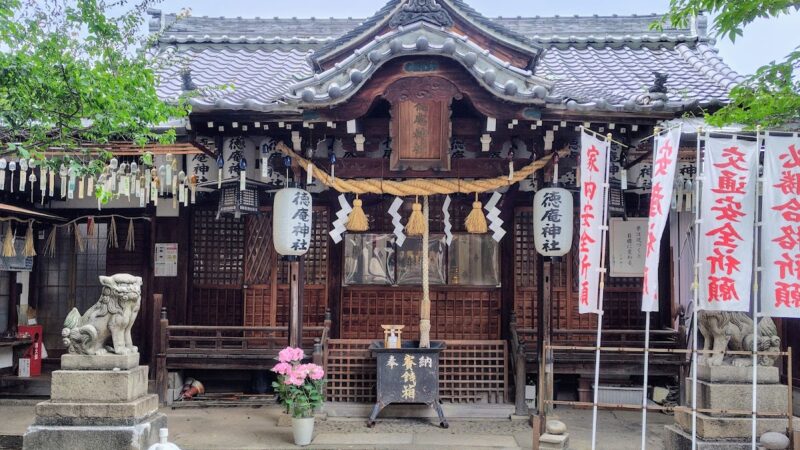
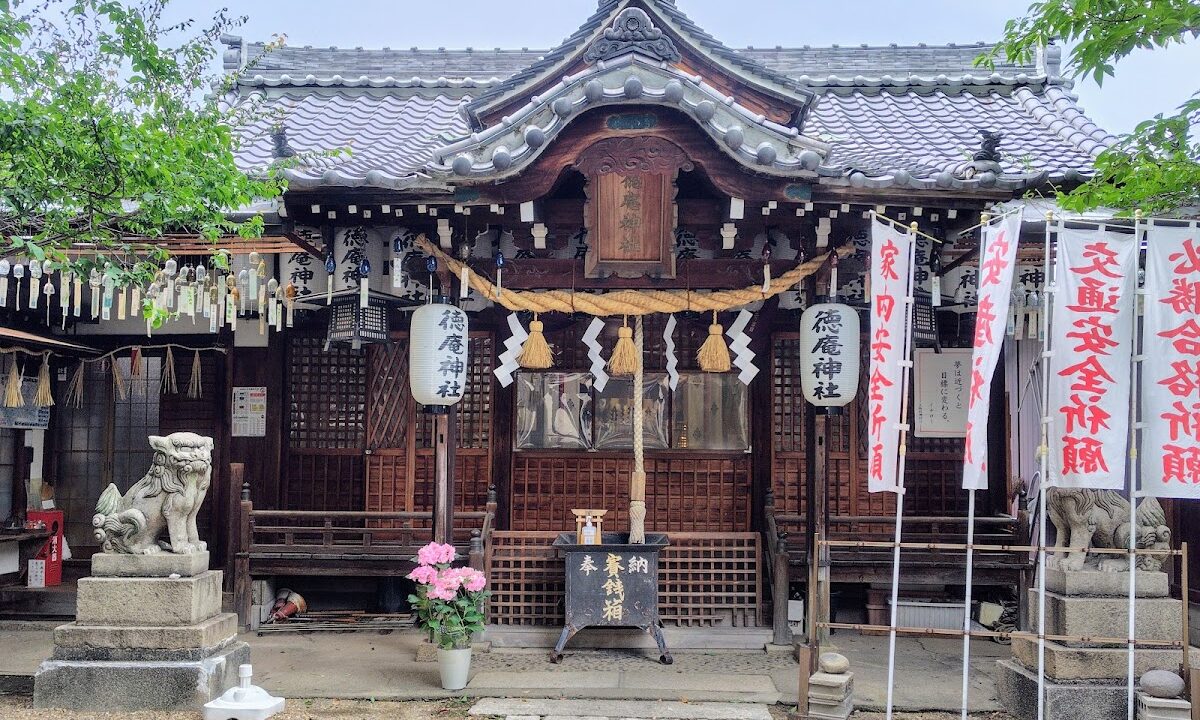
The grounds of Tokuan Shrine maintain a tranquil atmosphere despite being located in a residential area.
Torii Gate and Approach
The shrine’s torii gate is a short walk from Tokuan Station. Passing through the torii gate, a purified approach leads to the main hall. ### Worship Hall and Main Shrine
The wooden worship hall, built in the style of traditional Shinto shrine architecture, is carefully maintained as the center of local faith. When praying, please follow the proper etiquette of two bows, two claps, and one bow.
Water Basin
A water basin is located beside the approach to the shrine, where you can purify your body and mind before praying.
Procedure for Water Basin
- Hold the ladle in your right hand and purify your left hand.
- Switch the ladle to your left hand and purify your right hand.
- Switch the ladle back to your right hand, receive water in your left hand, and rinse your mouth.
- Purify your left hand once more.
- Hold the ladle upright, purify the handle, and return it to its original position.
Shrine Office
The shrine office, where you can receive Goshuin (shrine stamps) and amulets, is located in a corner of the shrine grounds. During the hours when Shinto priests and shrine maidens are present, they can answer questions about the shrine.
Atmosphere of the Shrine Grounds
The shrine grounds are planted with trees, creating a space where you can feel nature despite being in an urban area. You can pray in a quiet and peaceful atmosphere.
Annual Events and Festivals
Tokuan Shrine holds various Shinto rituals and festivals throughout the year.
Main Annual Events
Hatsumode (January 1st-3rd)
To welcome the new year, prayers are offered for peace and happiness throughout the year. It is bustling with many worshippers.
Setsubun Festival (around February 3rd)
Events such as bean-throwing are held to ward off evil and invite good fortune.
Spring Grand Festival (Spring)
One of the shrine’s important festivals, prayers are offered for the prosperity of the region and the well-being of the parishioners.
Summer Purification Ceremony (June 30th)
A Shinto ritual to purify and cleanse away the impurities accumulated over the past six months. A ritual of passing through a ring of reeds may also be performed.
Autumn Grand Festival (Autumn)
This festival expresses gratitude for a bountiful harvest and prays for the development of the community.
Shichi-Go-San Ceremony (November)
Families celebrate the healthy growth of their children and receive prayers, creating a lively atmosphere.
Year-End Purification Ceremony (December 31st)
This Shinto ritual purifies the impurities of the past year and welcomes the new year with a fresh start.
For detailed dates and content of events, please contact the shrine directly or check the bulletin board.
Items Offered (Amulets and Talismans)
Tokuan Shrine offers a variety of amulets and talismans.
Main Items Offered
Traffic Safety Amulet
This amulet protects safety when traveling by car, bicycle, or on foot.
Exorcism Amulet
This amulet is for those in their unlucky year or those who wish to protect themselves from misfortune.
Health Amulet
This amulet is for praying for recovery from illness and maintaining good health.
Academic Success Amulet
This amulet is for students taking exams and those striving in their studies.
Family Safety Amulet
This amulet is for praying for peace and prosperity in the home. It is to be enshrined on the household altar.
Business Prosperity Amulet
This amulet is for praying for the development of a business and the prosperity of a commerce.
These amulets can be obtained at the shrine office. The offering fee varies depending on the type; please check with the shrine office.
Manners and Etiquette for Visiting a Shrine
Observing basic manners when visiting a shrine will allow for a more heartfelt visit.
Attire
Casual clothing is acceptable, but please dress neatly. If you are receiving a prayer service, slightly more formal attire is preferable.
Proper Etiquette for Visiting a Shrine
- Bow before passing through the torii gate.
- Walk on the approach to the shrine, avoiding the center. (The center is considered the path of the gods.)
- Purify your body and mind at the water basin.
- Offer your donation in front of the main hall.
- Pray with two bows, two claps, and one bow.
- Bow deeply twice.
- Clap your hands twice at chest height.
- Pray with sincerity.
- Bow deeply once.
- Bow again at the torii gate when leaving.
Photography
Photography is generally permitted on the shrine grounds, but please note the following:
- Do not take photos in areas where photography is prohibited, such as inside the main hall.
- Be considerate of other worshippers.
- Refrain from taking photos during Shinto rituals.
- Use flash sparingly.
Nearby Shrines and Temples
There are other shrines and temples you can visit around Tokuan Shrine.
Nearby Shrines
Okibe Shrine
A historical shrine in Higashi-Osaka City, listed in the Engishiki (ancient Japanese legal code). Approximately 10 minutes by car from Tokuan Shrine.
Ishikiri Tsurugiya Shrine
Affectionately known as “Ishikiri-san,” this shrine is famous as the god of boils and tumors. Approximately 15 minutes by car from Tokuan Shrine.
Hiraoka Shrine
The Ichinomiya (first-ranked shrine) of Kawachi Province, also known as Moto-Kasuga. Approximately 20 minutes by car from Tokuan Shrine.
Pilgrimage Route
For those with ample time, a pilgrimage to other shrines in Higashi-Osaka City, including Tokuan Shrine, is recommended. You can experience the unique history and divine blessings of each shrine.
Community and Local Connections
Tokuan Shrine functions not only as a place of worship but also as a center of the local community.
Participation in Local Events
Local residents actively participate in shrine festivals, ensuring the continuation of traditions for future generations. Children also learn about local history and culture through these festivals.
Parishioners’ Organization
Tokuan Shrine has a parishioners’ organization that supports the shrine’s maintenance and the operation of festivals. It plays an important role in strengthening community bonds.
Cleaning Activities
Regular cleaning activities are conducted within the shrine grounds, with local residents cooperating to keep the shrine beautiful.
How to Enjoy Visiting Tokuan Shrine
Here are some tips to make your visit to Tokuan Shrine more fulfilling.
Seasonal Attractions
Spring
The trees in the shrine grounds are enveloped in fresh greenery, allowing for a refreshing visit.
Summer
The greenery deepens, and the shade of the trees provides coolness. The summer festival season is particularly lively.
Autumn
The autumn leaves are beautiful, allowing for a peaceful visit. The autumn festival is also a highlight.
Winter
The shrine is bustling with many visitors during the New Year’s pilgrimage season. Visiting in the crisp, clear air is a truly solemn experience.
Goshuin Stamp Pilgrimage
Those who enjoy collecting Goshuin stamps can enjoy visiting shrines in Higashi-Osaka City and throughout Osaka Prefecture, including Tokuan Shrine. There’s joy in filling your Goshuin notebook while experiencing the unique character of each shrine.
Local Exploration
There’s a traditional shopping street around Tokuan Shrine, making a stroll through the area after your visit highly recommended. Enjoying meals and shopping at local establishments allows you to gain a deeper understanding of the region’s charm.
Visitor Voices
Visitors to Tokuan Shrine have shared comments such as the following:
- “Convenient access as it’s close to the station.”
- “A quiet and peaceful atmosphere is nice.”
- “A warm shrine deeply rooted in the community.”
- “The goshuin (shrine stamp) was written carefully.”
- “I felt relieved after receiving the exorcism prayer.”
- “We used their services for our child’s Shichi-Go-San (7-5-3) ceremony.”
These comments convey that this shrine has been loved by the local community for many years.
Inquiries and Checking the Latest Information
When planning a visit to Tokuan Shrine, we recommend checking the latest information using the following methods.
Inquiries by Phone
06-6744-0980
(Reception hours: 9:00 AM – 5:00 PM)
Examples of Inquiries
- Reservations and consultations for prayers
- Goshuin reception hours
- Schedule of annual events
- Information on parking
- Other questions regarding visits
Since the shrine priest may not always be present, we recommend calling in advance to confirm if you wish to receive a goshuin or request a prayer.
Summary
Tokuan Shrine is a historic shrine located in Higashi-Osaka City, Osaka Prefecture. It enshrines Amaterasu Omikami, Toyouke-hime Omikami, and Sumiyoshi Omikami as its deities. Conveniently located about a 5-minute walk from JR Tokuan Station, it is a beloved local shrine for many worshippers.
You can receive Goshuin (shrine stamps) and various prayers (for warding off evil, traffic safety, Shichi-Go-San, etc.), and various Shinto rituals and festivals are held throughout the year. The shrine grounds have a quiet and peaceful atmosphere, making it a tranquil place to visit despite being in an urban area.
Tokuan Shrine is a place where both first-time visitors and locals can pray with their own wishes. When visiting Higashi-Osaka City, Osaka Prefecture, why not pay a visit?
Frequently Asked Questions (FAQ)
Q1: When can I get a Goshuin at Tokuan Shrine?
A1: You can receive a Goshuin during the shrine office hours, from 9:00 AM to 5:00 PM. However, since the Shinto priest may not always be present, we recommend calling in advance (06-6744-0980) to confirm availability if you wish to receive the prayer. The offering fee is approximately 300 to 500 yen.
Q2: How do I access Tokuan Shrine?
A2: It’s about a 5-minute walk from Tokuan Station on the JR Osaka Higashi Line and Gakken Toshi Line. Exit the west exit of the station and walk straight towards Tokuan Honmachi; you will see the shrine’s torii gate. By car, it’s about 10 minutes from the Mizuhashi exit of the Hanshin Expressway Route 13 Higashi Osaka Line. There is parking available for visitors on the shrine grounds, but spaces are limited.
Q3: Is a reservation required for the exorcism prayer?
A3: Reservations are generally not required, but during busy periods such as New Year’s and Setsubun, we recommend calling in advance. The offering fee for the prayer starts from 5,000 yen. The unlucky years for men are 25, 42 (major unlucky year), and 61 (according to the traditional Japanese age counting system), and for women, 19, 33 (major unlucky year), 37, and 61.
Q4: Can I have my car blessed?
A4: Yes, you can have your car blessed as a prayer for traffic safety. Park your car in the parking area on the shrine grounds, and a Shinto priest will perform the blessing. We recommend calling in advance to discuss the date and time. The offering fee starts from 5,000 yen.
Q5: Who are the deities enshrined at Tokuan Shrine?
A5: Tokuan Shrine enshrines three deities: Amaterasu Omikami, Toyouke-hime no Okami, and Sumiyoshi no Okami. It has long been known as Shinmei-sha and has been revered as the guardian deity of the development of this region.
Q6: Can I receive Shichi-Go-San prayers?
A6: Yes, you can receive Shichi-Go-San prayers. While November is the busiest month, we accept requests from October to December. Photography is also permitted on the shrine grounds. Please inquire at the shrine office for details regarding the offering fee and other information.
Q7: Are there any other shrines near Tokuan Shrine?
A7: There are several historical shrines in Higashi-Osaka City, including Okibe Shrine (about 10 minutes by car), Ishikiri Tsurugi Shrine (about 15 minutes by car), and Hiraoka Shrine (about 20 minutes by car). Those with ample time can enjoy visiting these shrines.
Q8: How crowded is it during the New Year’s visit period?
A8: The shrine is very crowded during the New Year’s visit period (January 1st to 3rd). It is especially crowded in the morning and evening on New Year’s Day. If you prefer a less crowded time, we recommend visiting early in the morning or after the first three days of the New Year. The parking lot will be crowded, so it is more convenient to use public transportation.