Hakutahiko Shrine (Kashiwara City, Osaka Prefecture) Complete Guide | History, Deities, and Access Information for this Engishiki-Listed Shrine
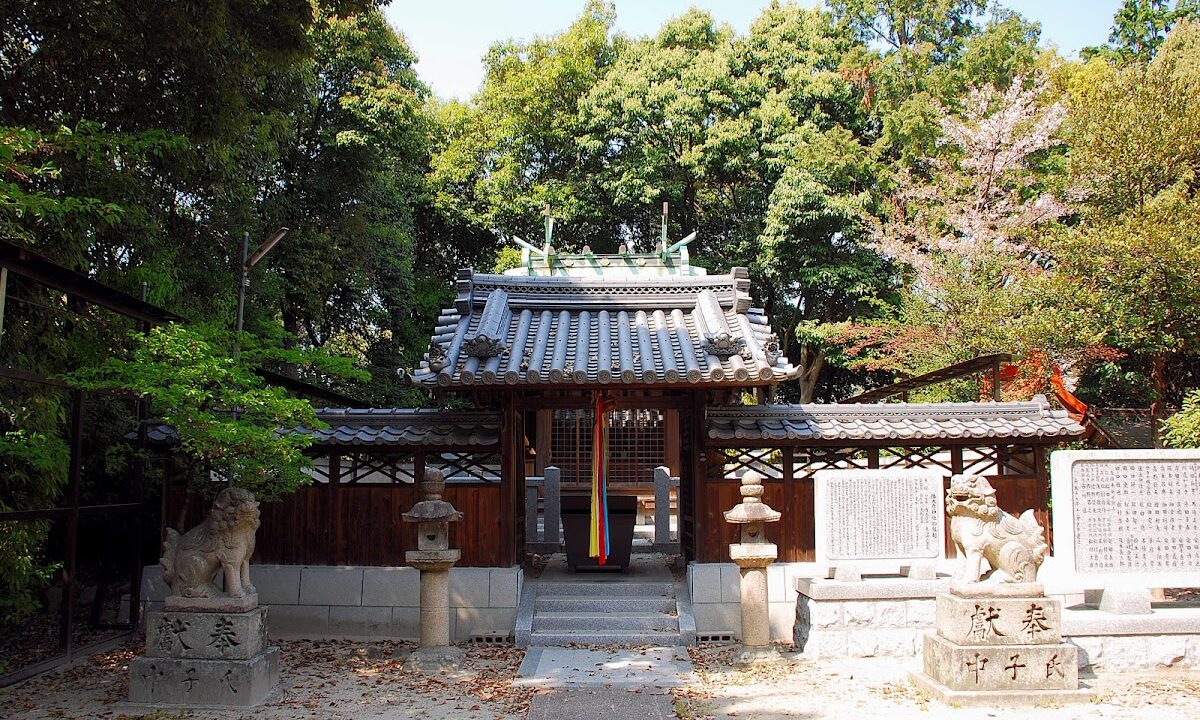
Hakutahiko Shrine, located in Tamate-cho, Kashiwara City, Osaka Prefecture, is a historical shrine listed in the Engishiki Jinmyocho (a list of shrines compiled during the Heian period). Situated on the hillside of a small hill called Tennodai, north of Tamateyama Park, it is known for its deep connection to the ancient Tanabe clan. This article provides a detailed explanation of Hakutahiko Shrine’s history, enshrined deities, grounds, and access information.
Hakutahiko Shrine, located in Tamate-cho, Kashiwara City, Osaka Prefecture, is a historical shrine listed in the Engishiki Jinmyocho. It is known for its deep connection to the ancient Tanabe clan. ## Basic Information on Hakutahiko Shrine
Location: 7-21 Tamate-cho, Kashiwara City, Osaka Prefecture
Former Shrine Rank: Village Shrine
Shikinaisha (Shrine Listed in the Engishiki): Hakutahiko Shrine (Small Shrine, Kuwa) in Anshuku District, Kawachi Province, Engishiki Jinmyocho
Deities Enshrined: Hakutahiko-no-mikoto, Hirokunioshitakekanahi-no-mikoto
Former Name: Gozu Tenno, Tsutsujio Shrine
Hakutahiko Shrine is located adjacent to Anpuku-ji Temple, in the area that was formerly Shimogo, Anshuku District, Kawachi Province. It is approximately an 11-minute walk from Kintetsu Kawachi-Kokubu Station, and is an ancient shrine quietly nestled in a tranquil residential area.
History and Origins of Hakutahiko Shrine
Status as an Engishiki Shrine
Hakutahiko Shrine is listed as “Hakutahiko Shrine, Yasushuku District, Kawachi Province” in the Engishiki Jinmyocho, a register of major shrines throughout Japan recognized by the imperial court at the time. Being listed there proves the shrine’s status and history.
Hakutahiko Shrine is classified as a minor shrine within the Engishiki, and the mention of a “hoe” suggests a deep connection to agriculture. It is undoubtedly an ancient shrine that attracted local faith even before the Heian period.
Relationship between the Tanabe Clan and Hakutahiko Shrine
The ancient Tanabe clan is believed to have been deeply involved in the founding of Hakutahiko Shrine. The Tanabe clan was a Chinese immigrant clan that operated in Kawachi Province.
In addition to Hakutahiko Shrine, Kashiwara City also has Hakutahime Shrine in Enmyo-cho, and these two shrines are considered a pair. A strong theory suggests that the Tanabe clan founded Hakutahiko Shrine, dedicated to a male deity, and Hakutahime Shrine, dedicated to a female deity, to enshrine their ancestral gods.
Furthermore, Hakuta Shrine is located in Hakuta-cho, Izumi City, and its connection to the Tanabe clan has also been pointed out. These groups of shrines are attracting attention in ancient history research as indicators of the Tanabe clan’s sphere of influence and religious influence.
Former Names and Traces of Shinto-Buddhist Syncretism
Before the Edo period, Hakutahiko Shrine was called Gozu Tenno or Tsutsujio Shrine. Gozu Tenno is a Buddhist deity, and during the era of Shinto-Buddhist syncretism, it was widely worshipped as a god that wards off epidemics. Due to the Meiji-era decree separating Shinto and Buddhism, the shrine’s name was changed to its current name, Hakutahiko Shrine, but it still retains traces of its former form of worship.
The name Tsutsujio Shrine is thought to originate from the topography and vegetation where the shrine is located, suggesting that many azaleas grew naturally in the surrounding area.
About the Deity
Hakutahiko-no-Mikoto
The main deity, Hakutahiko-no-Mikoto, is considered the ancestral deity of the Tanabe clan. Although there are few specific mythological descriptions, it is presumed that the Tanabe clan, a clan of immigrant origin, enshrined him as a deity symbolizing the technology and culture brought from the continent.
There are various theories about the origin of the name “Hakuta,” including theories that it derives from a place name on the Korean Peninsula or an ancient official title, or that it is cognate with “Hakata” and has a meaning related to trade. In any case, it is a name that indicates a deep connection with a clan of immigrant origin.
Hirokuni Oshitake Kanahi no Mikoto
Hirokuni Oshitake Kanahi no Mikoto, the enshrined deity, is sometimes considered another name for Kibitsuhiko no Mikoto, a prince of Emperor Kōrei (the 7th emperor), but many details about this deity remain unknown. One theory suggests he is a descendant of Toyokiirihiko no Mikoto, linking him to the lineage of the Tanabe clan.
The name “Kanahi” is thought to be related to metalworking technology, suggesting he may be a deity symbolizing the advanced iron-making technology and metalwork brought by immigrant clans.
Highlights of the Shrine Grounds
Location on Tennodai
Hakutahiko Shrine is located on a small ridge on the north side of Tamateyama Park, in an area called Tennodai. This place name originates from the fact that Gozu Tenno was once enshrined here.
Access to the shrine grounds is via a stone staircase, but it is surrounded by a residential area, giving it a modest appearance. However, its tranquil atmosphere maintains the dignity of an ancient shrine even in today’s increasingly urbanized world.
Main Hall and Worship Hall
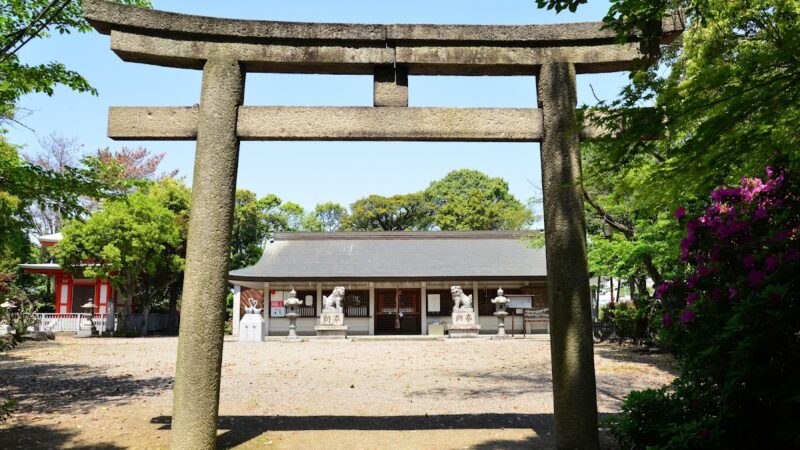
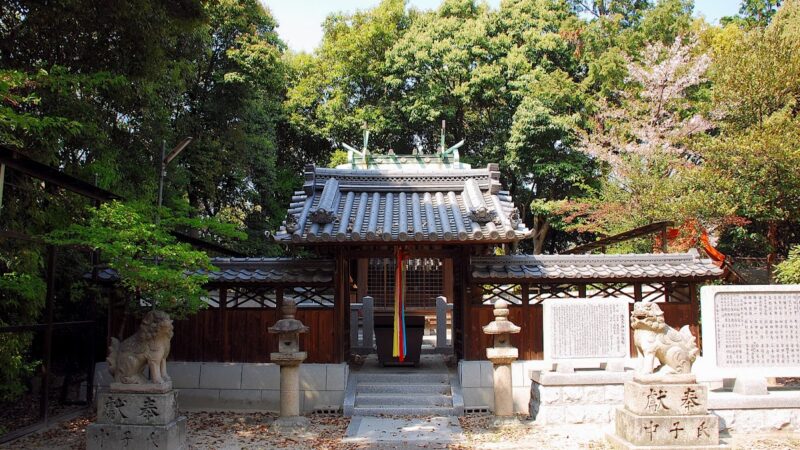
Although small, the shrine buildings of Hakutahiko Shrine are meticulously maintained. The main hall is protected by a protective structure, and the worship hall, while simply built, is kept clean as evidence of its continued presence and the faith of the local people.
Adjacent Relationship with Anpuku-ji Temple
One of the unique features of Hakutahiko Shrine is its proximity to Anpuku-ji Temple. Anpuku-ji is a Shingon Buddhist temple, and in the past, during the era of syncretism of Shinto and Buddhism, it was worshipped together with Hakutahiko Shrine.
Even today, the two are close together, making it a valuable place to experience the history of Japanese religious culture where shrines and temples coexist. When visiting Hakutahiko Shrine, it is recommended to also visit Anpuku-ji Temple.
The Relationship Between Hakutahiko Shrine and Hakutahime Shrine
As mentioned above, within Kashiwara City, there is Hakutahime Shrine, a counterpart to Hakutahiko Shrine, located in Enmyo-cho. Both shrines are believed to have been founded by the Tanabe clan to enshrine their ancestral deities, and they represent a male and female counterpart.
The enshrined deity of Hakutahime Shrine is Hakutahime-no-Mikoto, who is presumed to be the consort or sister of Hakutahiko-no-Mikoto. Visiting both shrines will provide a deeper understanding of the Tanabe clan’s faith and the history of ancient Kawachi.
Since they are relatively close to each other, if time permits, enjoying a “Hakuta Shrine pilgrimage” to visit both shrines is highly recommended.
Access Method
Access by Train
Nearest Station: Kintetsu Domyoji Line “Kawachi-Kokubu Station”
Travel Time: Approximately 11 minutes on foot from the west exit
From Kawachi-Kokubu Station, head west, passing through the residential area, and you will reach Tamateyama Park. Since there are few signs, we recommend using a map app on your smartphone.
Access by Car
Nearest Interchange: Approximately 10 minutes from the Kashiwara Interchange on the Nishi-Meihan Expressway.
There is no dedicated parking lot for the shrine, but you can use the parking lot at the nearby Tamateyama Park. However, you will need to drive on narrow roads within a residential area, so please drive carefully.
Points to Note When Visiting
The shrine grounds are small, and there may not be a resident priest. If you wish to receive a Goshuin (shrine stamp), we recommend contacting the shrine in advance or checking with a nearby shrine, as they may offer this service.
Nearby Tourist Attractions
Tamateyama Park
Tamateyama Park, located very close to Hakutahiko Shrine, is a beautiful park with plum and cherry blossoms in spring and azaleas in early summer. There are also scattered ruins from the Kofun period, allowing you to enjoy both historical and nature walks.
Anpukuji Temple
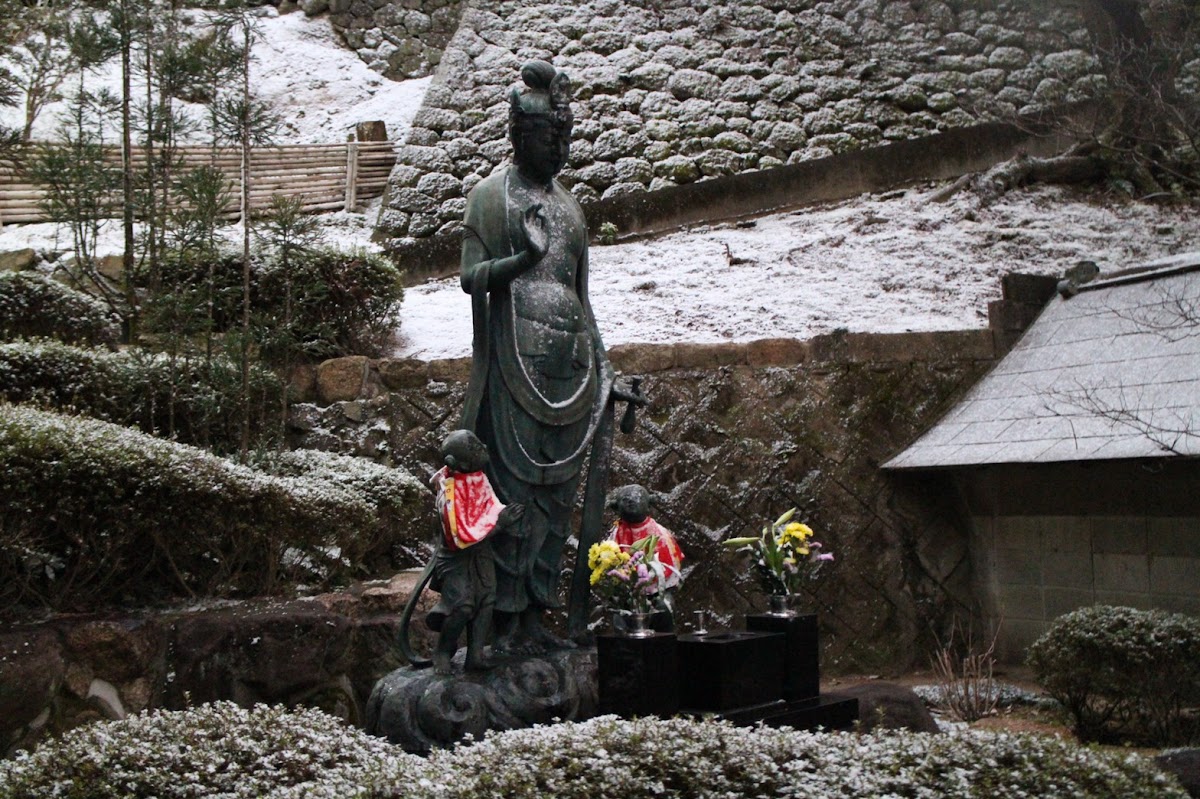
As mentioned above, this is an ancient Shingon Buddhist temple adjacent to Hakutahiko Shrine. The shrine grounds contain historical Buddhist statues and stone structures, making it worthwhile to visit in conjunction with a visit to the shrine.
Hakutahime Shrine
This is the counterpart shrine to Hakutahiko Shrine, located in Enmyo-cho. Visiting both shrines will allow you to gain a deeper understanding of the Tanabe clan’s faith and the history of ancient Kawachi.
Kashiwara City Historical Museum
This facility allows you to learn about the history of Kashiwara City from ancient times to the modern era. It also features exhibits on the history of Kawachi Province and the Tanabe clan, which will help deepen your understanding of Hakutahiko Shrine.
Annual Events at Hakutahiko Shrine
Because Hakutahiko Shrine is a small shrine, large-scale festivals are not held, but it is maintained throughout the year by local parishioners.
Like most shrines, it is thought that worshippers visit on New Year’s Day for Hatsumode (first shrine visit of the year), and an annual festival is held in the autumn. It is recommended to check the specific festival dates in advance.
The Significance of Visiting Hakutahiko Shrine
The significance of visiting Hakutahiko Shrine lies not merely in visiting the shrine itself, but in tracing the history of ancient Kawachi and the footsteps of immigrant clans.
Despite its status as an Engishiki-listed shrine, Hakutahiko Shrine now stands quietly as a small shrine. However, behind it lies the faith of the ancient Tanabe clan and the history of culture and technology introduced from the continent.
Even in today’s increasingly urbanized world, the fact that such ancient shrines continue to be preserved by local people is a valuable example of Japan’s cultural continuity.
Summary
Hakutahiko Shrine, located in Tamate-cho, Kashiwara City, Osaka Prefecture, is a historically significant shrine listed in the Engishiki Jinmyocho (a list of shrines compiled in the Heian period), and is a historically valuable ancient shrine where the ancient Tanabe clan enshrined their ancestral deity.
The enshrined deities are Hakutahiko-no-Mikoto and Hirokuni Oshitake Kanahi-no-Mikoto, and it conveys the faith and culture of immigrant clans to the present day. Located on Tennodai in Tamateyama, adjacent to Anpukuji Temple, its appearance quietly tells the story of the history of syncretism between Shinto and Buddhism.
Within walking distance of Kawachi-Kokubu Station, it is easily accessible, and there are plenty of other attractions nearby, such as Tamateyama Park and Hakutahime Shrine. This is a shrine that those interested in Osaka’s ancient history or those visiting Shikinaisha shrines should definitely visit.
Hakutahiko Shrine stands quietly in a peaceful residential area. Standing before its small shrine, you will feel the weight of over a thousand years of history.