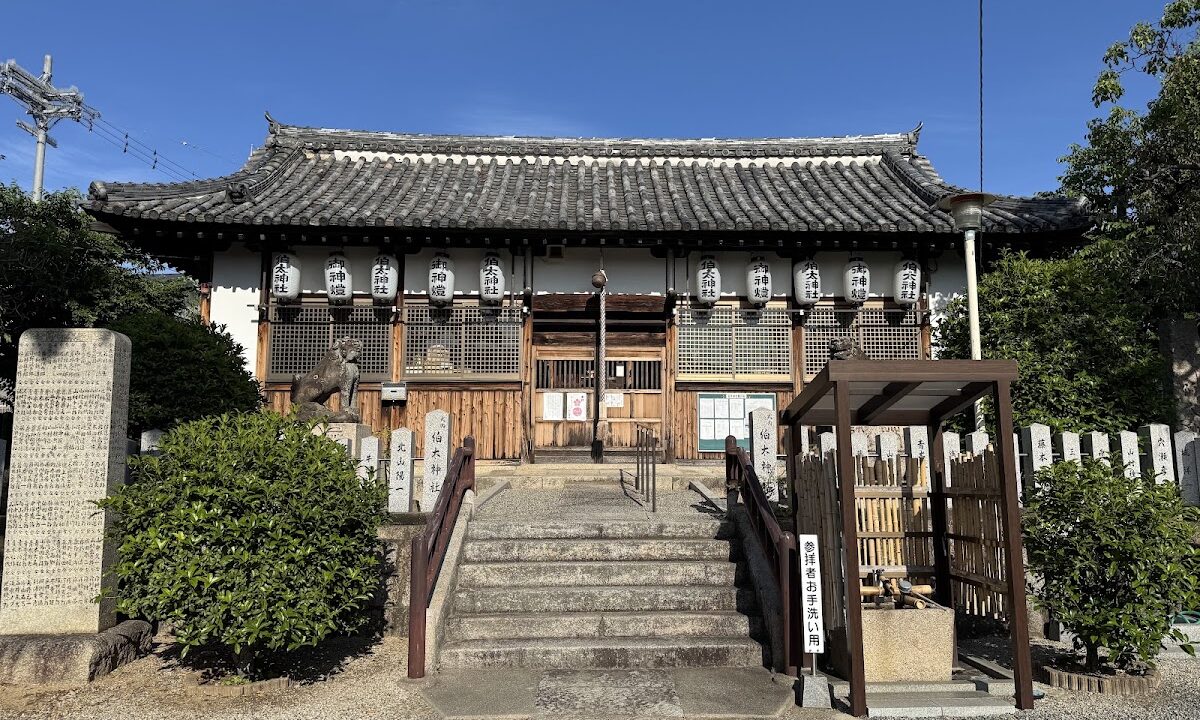
Hakata Shrine (Izumi City, Osaka Prefecture) Complete Guide | History and Access Information for this Shikinaisha Shrine
Hakata Shrine, located in Hakata-cho, Izumi City, Osaka Prefecture, is a historically significant Shikinaisha shrine said to have been founded in 673 AD (Hakuhō 2). This guide provides a detailed introduction to the charm of this historic shrine, which enshrines the ancestral deity of the ancient Hakata clan and has attracted the faith of the local community.
Basic Information about Hakata Shrine
Location and Access
Address: 5-22-3 Hakata-cho, Izumi City, Osaka Prefecture
Nearest Station: Approximately 7 minutes on foot (approx. 500m) from Shinodayama Station on the JR Hanwa Line
Phone Number: 0725-44-8182 (Izumi Inoue Shrine)
The shrine can be reached on foot southeast from Shinodayama Station and is quietly nestled in a residential area. Its convenient location makes it easily accessible from within Osaka Prefecture.
Shrine Rank and Classification
- Shikinaisha: Identified as “Hakata Shrine” listed in the Engishiki Jinmyocho (Register of Shrines in the Engi Era)
- Former Shrine Rank: Village Shrine
- Classification: Shikinaisha in Izumi District, Izumi Province
The Engishiki Jinmyocho lists it as “Hakata Shrine,” indicating that it is a historically significant shrine recognized by the imperial court since ancient times.
Deities and Beliefs
Main Deities
The following deities are enshrined at Hakata Shrine:
Main Deities:
- Hakatahiko-no-Mikoto
- Hakatahime-no-Mikoto
Enshrined Deities:
- Emperor Ojin
- Himegami
- Amaterasu Omikami
- Odake-no-Hafurimaru
- Amano-no-Hafurimaru
- Kumano-no-Okami
- Sugawara no Michizane
- Amenokoyane-no-Mikoto
This shrine enshrines a total of 10 deities.
Relationship between the Hakata Clan and the Enshrined Deities
Hakatahiko-no-Mikoto and Hakatahime-no-Mikoto are considered the ancestral deities of the “Hakata Clan,” a clan highly valued by the imperial court in ancient times. The Hakata Clan was a powerful clan centered in Izumi Province, playing an important role in the development and governance of this region.
Hakata Shrine is believed to have originated as a clan shrine founded by the Hakata clan to enshrine their ancestral deity, and later developed into the general guardian shrine of the region.
History and Origins
Founding Legend
According to shrine tradition, Hakata Shrine was founded in 673 AD (Hakuhō 2). The Hakuhō period corresponds to the late Asuka period, during the reign of Emperor Tenmu. This was a crucial period in which the foundations of the Ritsuryo state were laid, and shrines were founded by powerful local clans throughout the region.
Since Hakata Shrine is also believed to have been founded during this period, it suggests that the Hakata clan had close ties with the central government and had established a firm position in this region.
Listing in the Engishiki Jinmyōchō
In the Engishiki Jinmyōchō (927 AD), compiled in the mid-Heian period, Hakata Shrine is listed as “Hakata Shrine” as a Shikinaisha (shrine listed in the Engishiki) in Izumi County, Izumi Province. This record proves that Hakuta Shrine was a prestigious shrine recognized by the imperial court since ancient times.
Shrines listed in the Engishiki Jinmyocho (a list of shrines compiled in the Heian period) were particularly important in the Kinai region and other major areas at the time, and being a Shikinaisha (a shrine listed in the Engishiki) is an important indicator of a shrine’s history and status.
Changes in the Edo Period
During the Edo period, there was a period when it was called “Tenjin Shrine“. This indicates that there was a time when its character as a Tenmangu/Tenjin shrine dedicated to Sugawara no Michizane was emphasized.
With the reform of the shrine system in the Meiji era, it reverted to the name “Hakuta Shrine” and was ranked as a village shrine. During this period, the shrine buildings were renovated and the grounds were expanded, forming the foundation of its current form.
Modern and Contemporary History
Since the Meiji era, it has been revered as the local tutelary shrine and guardian deity, attracting the faith of people around Hakuta Town. Although the surrounding environment has changed significantly due to post-war urbanization, it continues to be a central presence in the local community, with annual festivals and various events being held.
Highlights of the Shrine Grounds
Shrine Buildings and Architecture
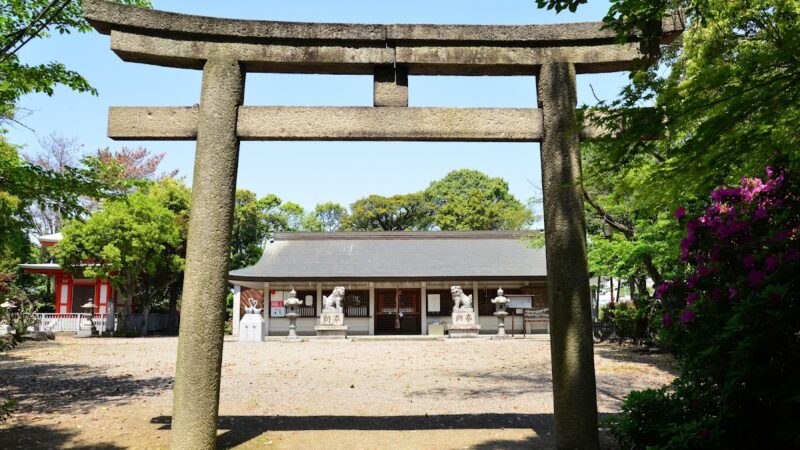
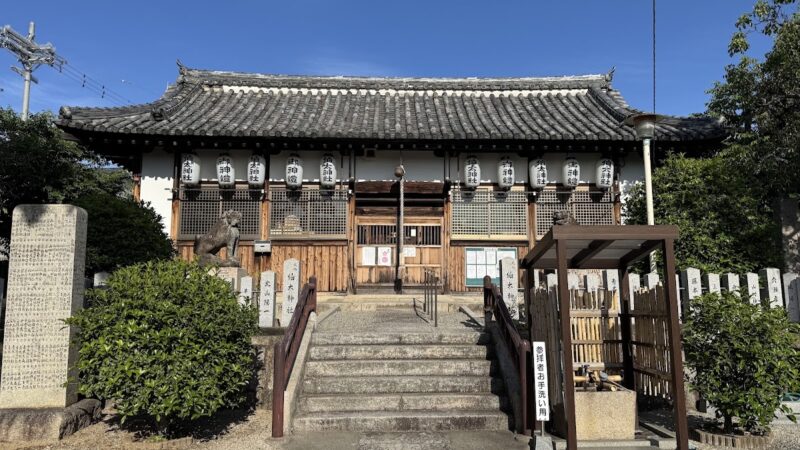
The shrine buildings of Hakuta Shrine exhibit a typical style of shrine architecture. The main hall is protected by a protective structure, and worshippers can pray from the worship hall. While it is a small to medium-sized shrine, the well-maintained grounds are enveloped in a refreshing atmosphere.
Atmosphere of the Shrine Grounds
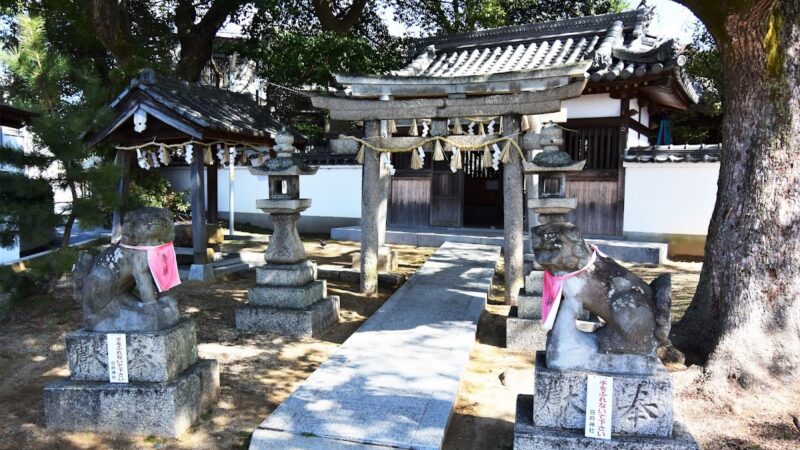
Despite being located in a residential area, a tranquil atmosphere permeates the shrine grounds. Ancient trees are strategically placed, creating a space where one can feel nature even in an urban area.
The approach to the shrine is short but well-maintained, creating a friendly atmosphere that makes it easy for local residents to visit regularly.
Stone Monuments and Memorials
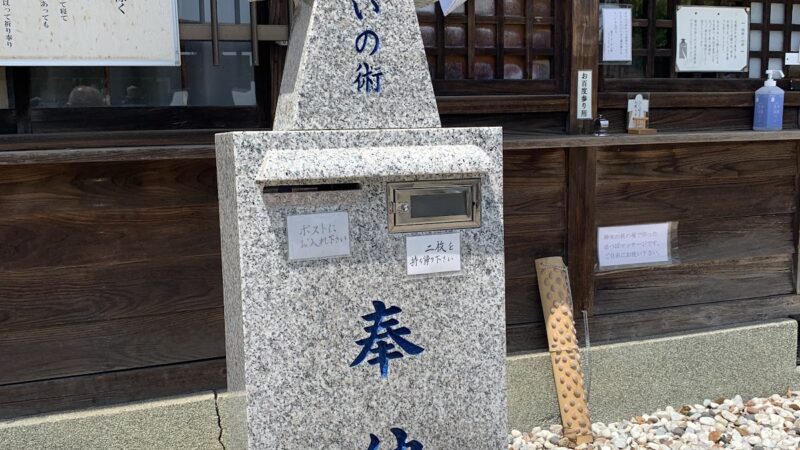
Within the shrine grounds are stone monuments inscribed with the shrine’s history and memorials that convey the history of the region. These are valuable historical materials that illustrate the deep connection between Hakuta Shrine and the local community.
Annual Festivals and Events
Annual Festival
The annual festival of Hakuta Shrine is held on October 10th. This is an important festival to give thanks for the autumn harvest and pray for peace in the community.
During the annual festival, Shinto rituals are solemnly performed, and local parishioners and devotees attend. While not large in scale, it is an important event that continues every year while preserving tradition.
Other Events
At the beginning of the year, worshippers visit for Hatsumode (first shrine visit of the year) to offer prayers for the new year. Also, various Shinto rituals are performed throughout the year, such as the Setsubun Festival and the Natsukoshi no Harae (summer purification ritual).
Points to Note When Worshiping
Worship Etiquette
Worship at Hakuta Shrine follows the general etiquette of visiting a shrine.
- Bow before passing through the torii gate.
- Purify your body and mind at the water basin.
- Bow twice, clap twice, and bow once in front of the main hall.
- Walk quietly around the shrine grounds.
- Bow once again at the torii gate when leaving.
About Goshuin (Shrine Seals)
Since the Hakuta Shrine office is not staffed permanently, if you wish to receive a goshuin, we recommend contacting Izuminoue Shrine (0725-44-8182). Izuminoue Shrine manages the shrine as a subsidiary shrine.
Photography Etiquette
Photography is generally permitted on the shrine grounds, but consideration should be given to avoid disturbing other visitors or during religious ceremonies. Show particular respect in sacred areas such as the main hall.
Nearby Attractions
Izuminoue Shrine
Izuminoue Shrine, a subsidiary shrine of Hakuta Shrine, is also a Shikinaisha (a shrine listed in the Engishiki, an ancient Japanese legal text) located within Izumi City. Known for its spring water, Izumi Shimizu is a historic shrine counted as one of the “Five Shrines of Izumi.”
Shinoda Mori Kuzunoha Inari Shrine
Near Shinodayama Station is the Shinoda Mori Kuzunoha Inari Shrine, known for the legend of Kuzunoha, the mother of Abe no Seimei. Many visitors come to this shrine, which is considered the birthplace of the Onmyoji (exorcist) Abe no Seimei.
Historical Walking Tour of Izumi City
Izumi City is dotted with numerous Shikinaisha (shrines listed in the Engishiki), ancient tombs, and historical buildings. Starting from Hakuta Shrine, you can enjoy a walking tour exploring the history of Izumi Province.
Access Details
Access by Train
Using the JR Hanwa Line:
- Approximately 25 minutes by rapid train from Tennoji Station, get off at “Shinodayama Station”
- From Osaka Station, take the Loop Line to Tennoji, then the Hanwa Line
- Approximately 40 minutes by Hanwa Line from Kansai Airport
It’s about a 7-minute walk (approximately 500m) from Shinodayama Station. Exit the station and head southeast. After passing through the residential area, you will arrive at the shrine.
Access by Car
- Approximately 15 minutes from the Kishiwada-Izumi Interchange on the Hanwa Expressway
- Approximately 20 minutes from the Izumiotsu Parking Area on the Hanshin Expressway Route 4 Wangan Line
Regarding parking, there may not be a dedicated parking lot on the shrine grounds, so we recommend using nearby coin-operated parking lots or public transportation.
Map and Landmarks
Head southeast from Shinodayama Station and enter the residential area of Hakuta-cho. This is a community-based shrine where locals are often happy to provide directions.
The Charm of Hakuta Shrine
Status as a Shikinaisha Shrine
Hakuta Shrine, listed in the Engishiki Jinmyocho (a list of shrines compiled in the Heian period), boasts a history of over 1300 years. It is a valuable site that preserves the legacy of the ancient Hakuta clan.
While there are many shrines in Osaka Prefecture, only a limited number are Shikinaisha (shrines listed in the Engishiki, an ancient Japanese legal code). Among them, Hakuta Shrine is one of the most important shrines for understanding the history of Izumi Province.
Quiet Worship Environment
Despite its urban location, it offers a peaceful worship experience away from the hustle and bustle. Unlike large-scale tourist shrines, its charm lies in its environment where one can worship slowly and calmly.
Connection to the Community
As the guardian shrine of the region, Hakuta Shrine remains an integral part of the lives of local people. Through its annual festivals and events, it serves as a place to deepen the bonds of the local community.
Points to Note When Visiting
About the Shrine Office
Hakuta Shrine is a shrine managed by multiple shrines and does not have a resident priest. If you wish to receive a Goshuin (shrine stamp) or prayers, it is recommended to contact Izumi Inoue Shrine (0725-44-8182) in advance.
Visiting Hours
While the shrine grounds are generally open for worship, please refrain from visiting early in the morning or late at night, and aim to visit during daylight hours.
Manners and Consideration
Located in a residential area, please be mindful of loud conversations and noise. Please be considerate of the living environment of the local residents when visiting the shrine.
History of Hakuta Shrine and Izumi Province
Establishment of Izumi Province
Izumi Province originally belonged to Kawachi Province, but separated and became independent in the early 8th century. Izumi County, where Hakuta Shrine is located, was one of the central counties of Izumi Province.
Role of the Hakuta Clan
The Hakuta clan was an ancient powerful family that played an important role in Izumi Province. They had deep ties with the imperial court and contributed to the development and governance of the region. Hakuta Shrine was founded as the tutelary shrine of the Hakuta clan and developed along with the prosperity of the family.
Significance of Shikinaisha Shrines
Shikinaisha shrines, listed in the Engishiki Jinmyocho (a list of shrines compiled in the Heian period), are prestigious shrines recognized by the state during the Heian period. Many Shikinaisha shrines exist in Izumi Province, and Hakuta Shrine is one of them, serving as a spiritual pillar of the region.
Summary
Hakuta Shrine, located in Izumi City, Osaka Prefecture, is a venerable shrine listed in the Engishiki (ancient Japanese legal code), said to have been founded in the second year of the Hakuhō era (870 AD). It enshrines the ancestral deity of the ancient Hakuta clan and has been a center of local faith for over 1300 years.
Hakuta Shrine boasts excellent accessibility (within walking distance of Shinodayama Station), a tranquil worship environment, and the prestige of a Engishiki-listed shrine. It is one of the shrines you should definitely visit when touring historical shrines in Osaka Prefecture.
Why not take some time to calm your mind and offer prayers in the peaceful grounds, while feeling the history of Izumi Province? Hakuta Shrine is a valuable place that conveys to us living in the modern age the weight of ancient history and the importance of locally rooted faith.
When visiting, please remember to be considerate of the local residents, observe proper etiquette, and pray with a peaceful heart. We hope that your visit to Hakuta Shrine will be a enriching experience.