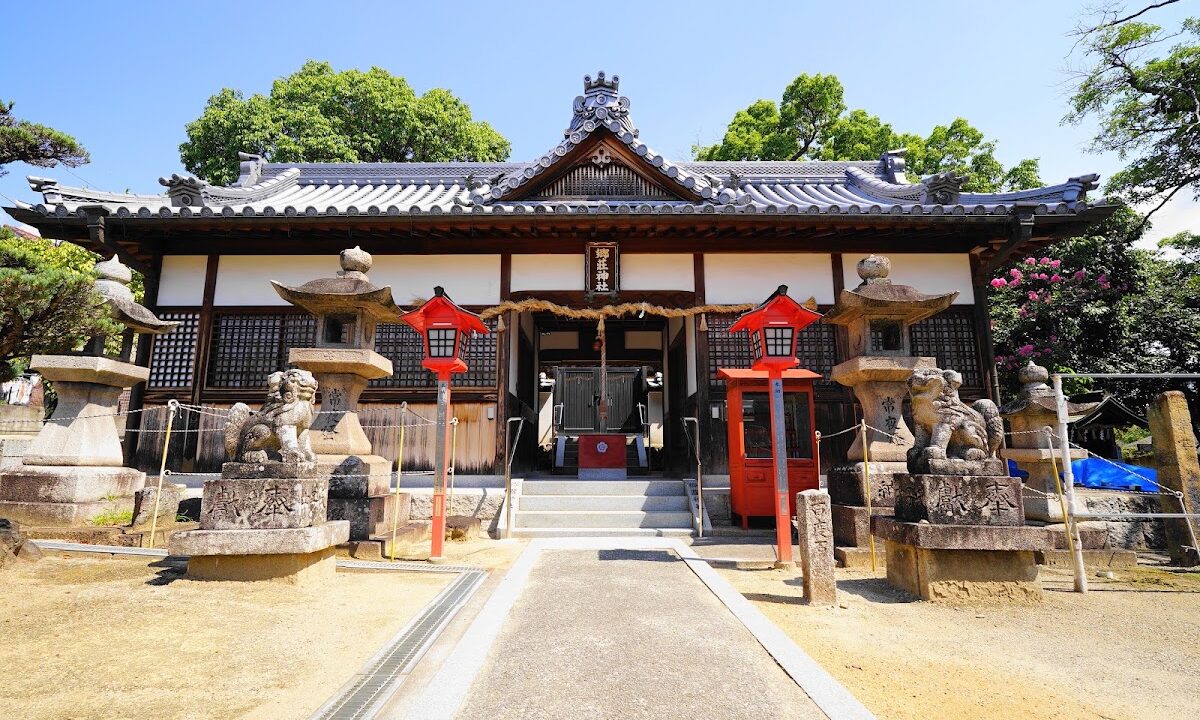
Gosho Shrine (Izumi City, Osaka Prefecture) Complete Guide | History, Deities, Festivals, and Access Information
Gosho Shrine, located in Sakamoto-cho, Izumi City, Osaka Prefecture, is a historical shrine that was once revered as Gosho Omiya Gion Shrine or Yasaka Daimyojin. It enshrines Susanoo-no-Mikoto as its principal deity and has long been worshipped as the local guardian deity. This article comprehensively introduces information you should know before visiting Gosho Shrine, including its history, enshrined deities, festivals, highlights within the grounds, and access information.
Basic Information on Gosho Shrine
Gosho Shrine is located in Sakamoto-cho, Izumi City, Osaka Prefecture, and was ranked as a village shrine under the modern shrine ranking system. Even today, it continues to be worshipped as the local guardian deity by the people of the Gosho area.
Location: 512 Sakamoto-cho, Izumi City, Osaka Prefecture 594-0052
Phone Number: 0725-44-8182 (Izumi Inoue Shrine)
Nearest Station: Izumi-Chuo Station, Senboku Rapid Railway
Management: Administered concurrently by Izumi Inoue Shrine
Gosho Shrine does not have its own shrine office; it is managed concurrently by Izumi Inoue Shrine, a major shrine in Izumi City. Therefore, inquiries regarding Goshuin (shrine stamps) and other detailed matters should be directed to Izumi Inoue Shrine.
History of Gosho Shrine
Founding and History
The exact founding date of Gosho Shrine is unknown, but it is said to have been enshrined in this area since ancient times. Originally, it was the Yasaka Shrine of Sakamoto Village, known as “Gosho Omiya Gion Shrine” or “Yasaka Daimyojin.”
The Yasaka faith, with its head shrine being the Yasaka Shrine (Gion Shrine) in Kyoto, spread throughout Japan as a deity that wards off disease and misfortune. Gosho Shrine also follows this tradition, and has been revered as a deity protecting the health and safety of the local people.
Changes Since the Modern Era
Due to the Meiji-era reform of the shrine system, Gosho Shrine was ranked as a village shrine. While shrine consolidation and abolition progressed nationwide during this period, Gosho Shrine survived as the local tutelary shrine, and underwent the merging of surrounding smaller shrines.
The deities of nearby Hachiman Shrine, Sugawara Shrine, Mizuwake Shrine, and Itsukushima Shrine were merged, resulting in its current form. As a result, Gosho Shrine evolved from merely a Yasaka faith shrine to a strong regional guardian shrine.
Connection to the Gosho Area
The name “Gosho” in Gosho Shrine originates from the old place name of this area. The Gosho district of Izumi City is a region centered around Sakamoto-cho, and Gosho Shrine has functioned as the tutelary shrine for the entire area.
Even today, the seven towns of the Gosho district participate in the annual festival, playing a central role in the local community. The shrine is not merely a religious facility, but an important place for preserving the history and culture of the region.
Deities and Divine Virtues
Main Deities
The main deities of Gosho Shrine are the following three:
Susanoo-no-Mikoto
A heroic deity in Japanese mythology, known for slaying the Yamata no Orochi (eight-headed serpent). He is worshipped as a god of protection against misfortune, disease, and matchmaking. He is a central deity of the Yasaka faith.
Kushinada-hime-no-Mikoto
The wife of Susanoo-no-Mikoto, a princess rescued from the Yamata no Orochi. She is revered as a god of marital harmony, family safety, and good fortune in relationships.
Ōtoshi-no-kami
A child deity of Susanoo-no-Mikoto, known as the god of abundant harvests and industrial development. The guardian deity of agriculture and other livelihoods.
Deities Enshrined Together
Due to the Meiji-era consolidation of shrines, the deities of the following shrines were also enshrined here:
- Deity of Hachiman Shrine: Hachiman, centered around Emperor Ōjin. God of military fortune, victory, and career advancement.
- Deity of Sugawara Shrine: Sugawara no Michizane. God of learning, passing examinations, and writing.
- Deity of Mizuwake Shrine: God of water. Guardian of agricultural and domestic water.
- Deity of Itsukushima Shrine: Ichikishimahime-no-Mikoto. God of performing arts, skill improvement, and beauty.
With the enshrinement of these deities, Gōshō Shrine has become a shrine with diverse divine virtues, a comprehensive place of worship capable of addressing various wishes.
Divine Virtues (Benefits)
The main divine virtues you can pray for at Gosho Shrine are as follows:
- Protection from Evil and Disease: Exorcism through the power of Susanoo-no-Mikoto
- Family Safety and Marital Harmony: Protection of Kushinadahime-no-Mikoto
- Abundant Harvest and Business Prosperity: Blessings of Ootoshi-no-Kami
- Academic Success and Passing Exams: Protection of Sugawara no Michizane
- Good Fortune in Competitions and Career Advancement: Divine Virtues of Hachiman-no-Kami
- Improvement in Skills and Arts: Blessings from the deities of Itsukushima Shrine
Gosho Shrine’s Annual Festival and Danjiri Festival
Overview of the Annual Festival
The Gosho Shrine’s annual festival is held over two days each year in October: the Saturday two days before Health and Sports Day (now Sports Day) and the Sunday before. This festival is the largest festival event in the Gosho district and is a grand event involving the entire community. ### Characteristics of the Danjiri Festival
The highlight of the annual festival at Gosho Shrine is the procession of the danjiri (floats). All seven towns in the Gosho district bring out their respective danjiri, parading through the area with energetic shouts.
Yoimiya (Saturday)
On Yoimiya, the seven danjiri gather around the Wake Elementary School West Intersection. The sight of all the towns’ danjiri lined up is breathtaking, attracting many spectators. The danjiri illuminated by lanterns create a fantastical atmosphere, further enhancing the festive mood.
Honmiya (Sunday)
On Honmiya, after the Shinto rituals are performed, each town’s danjiri enters Gosho Shrine. The magnificent sight of the danjiri in the shrine grounds and along the approach is the highlight of the festival.
Festival as a Local Community Event
The annual festival of Gosho Shrine is more than just a religious event; it’s an important opportunity to deepen the bonds of the local community. Many local residents are involved in the preparation and operation of the festival, making it a place for intergenerational exchange.
For children, it’s a valuable opportunity to experience local traditional culture, and for adults, it’s a place to reaffirm their love for their hometown. Participating as a puller of the festival float fosters a sense of belonging and pride as a member of the community.
Highlights of the Shrine Grounds
Shrine Buildings
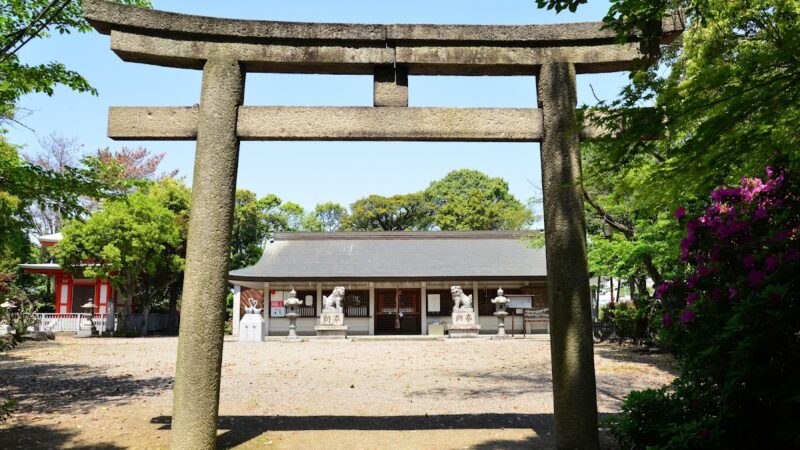
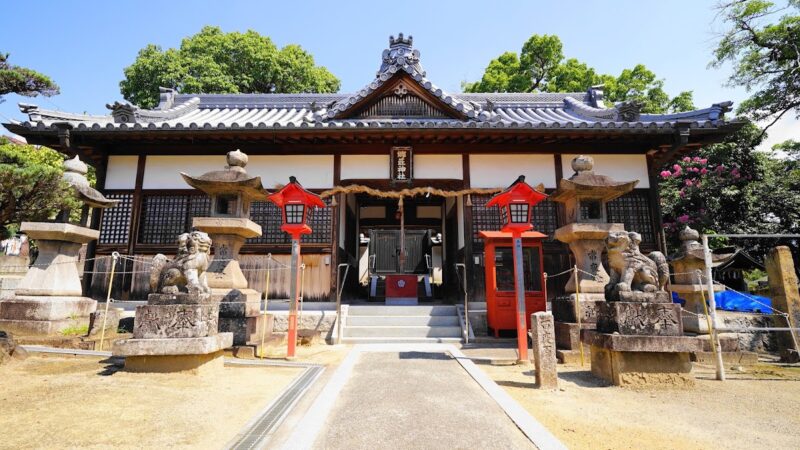
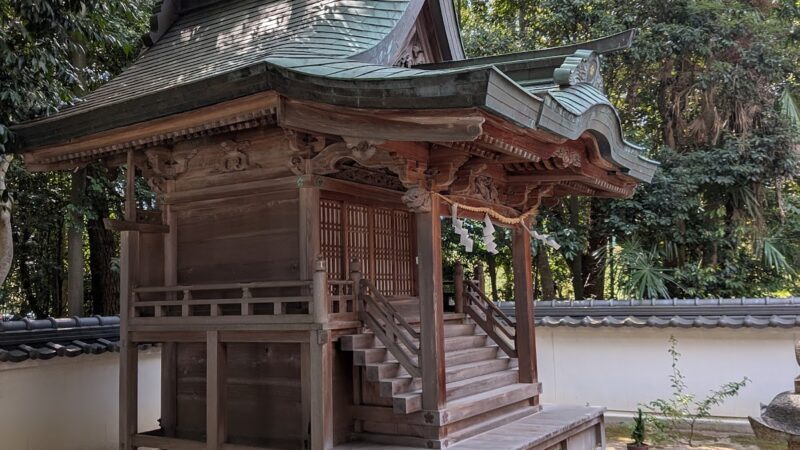
The shrine buildings of Gosho Shrine preserve the traditional style of shrine architecture. The main hall, while simple, has a dignified construction that evokes a long history. In the worship hall, daily worshippers join their hands in prayer, offering various wishes.
Atmosphere of the Shrine Grounds
Despite being located in a residential area, the grounds of Gosho Shrine maintain a tranquil atmosphere. Trees are planted on the grounds, allowing visitors to experience the changing seasons. Especially during the annual festival, the shrine grounds are meticulously maintained, creating a refreshing atmosphere.
Surrounding Environment
Gosho Shrine is located in Sakamoto-cho, Gosho district, Izumi City. The surrounding area is residential, clearly indicating its deep roots in the community. Wake Elementary School is nearby, creating a friendly environment where the sounds of children can be heard.
Access Information
Access by Train
Using the Senboku Rapid Railway
Nearest Station: Izumi-Chuo Station (Senboku Rapid Railway)
Distance from Station: Approximately 25 minutes on foot (approximately 2km)
Izumi-Chuo Station is the terminal station of the Senboku Rapid Railway, making it convenient to access from the Namba area. While it’s possible to walk from the station to the shrine, it’s recommended to allow ample time due to the distance.
Using the JR Hanwa Line
It’s also possible to walk from Izumi-Fuchu Station (JR Hanwa Line), but it’s approximately 2km to the east.
Access by Bus
If you are taking the bus from Izumi-Chuo Station, you can use the Nankai Bus routes. The shrine is a few minutes’ walk from the nearest bus stop. It is recommended to check the bus timetable in advance.
Access by Car
Using the Hanwa Expressway
Approximately 15-20 minutes via local roads from Sakai IC or Kishiwada-Izumi IC.
Parking
Please check in advance regarding the shrine’s dedicated parking lot. Traffic restrictions may be in place during the festival period, so using public transportation is recommended.
Distance from Major Nearby Spots
- Izumi-Chuo Station: Approximately 2km
- Izumi Inoue Shrine (Management Shrine): Approximately 10 minutes by car
- Izumi City Hall: Approximately 15 minutes by car
Etiquette and Manners for Worship
Basic Worship Etiquette
When visiting Gosho Shrine, please observe the following basic etiquette.
- Bow before passing through the torii gate: This is a courtesy before entering the sacred area.
- Purify yourself at the water basin: If there is a water basin, purify your hands and mouth.
- Walk along the edge of the path: The center is considered the path of the gods.
- Etiquette in front of the main hall: Two bows, two claps, and one bow is the basic ritual.
- Bow when leaving: Turn around and bow before leaving the torii gate.
Points to note when visiting a shrine
- Shrines are sacred places. Please visit quietly and without making noise.
- Please refrain from smoking or eating on the shrine grounds.
- Photography is often permitted, but please refrain from taking pictures inside the main hall.
- The shrine gets crowded with many visitors during the annual festival period. Please visit with plenty of time to spare.
Regarding Goshuin (shrine stamps) and gifts
Since Gosho Shrine is managed by Izuminoue Shrine, Goshuin and gifts may be handled by Izuminoue Shrine. Those wishing to receive a Goshuin (temple/shrine stamp) are advised to contact Izumi Inoue Shrine (Tel: 0725-44-8182) in advance.
Manners for Receiving a Goshuin
- Prepare a Goshuincho (notebook or memo pad is not acceptable)
- It is customary to receive the stamp after visiting the shrine
- Prepare a donation (approximately 300-500 yen)
- Remember to express your gratitude to the shrine priest
Relationship with Other Shrines in Izumi City
Relationship with Izumi Inoue Shrine
Izumi Inoue Shrine, which manages Gosho Shrine, is a Shikinaisha (shrine listed in the Engishiki) located in Fuchu-cho, Izumi City, and is an important shrine with the character of the main shrine of Izumi Province. It is known for “Izumi Shimizu,” the origin of the place name Izumi, and is one of the representative shrines of Izumi City.
The fact that Izumi Inoue Shrine also manages Gosho Shrine maintains the regional shrine network.
Surrounding Shrines
Many other historical shrines are scattered throughout Izumi City. When visiting Gosho Shrine, we also recommend visiting the following shrines:
- Izumi Inoue Shrine: A Shikinaisha (shrine listed in the Engishiki) and a representative shrine of Izumi City
- Ootori Taisha: The Ichinomiya (first-ranked shrine) of Izumi Province, an ancient shrine dedicated to Yamato Takeru
- Hijiri Shrine: An ancient shrine within Izumi City
Visiting these shrines will allow you to gain a deeper understanding of Izumi City’s history and culture.
History and Culture of the Gosho Area
Origins of the Gosho Area
The name Gosho originates from the name of this region from ancient to medieval times. It was one of the earliest developed areas in Izumi Province, where settlements centered on agriculture were formed.
Local Traditional Culture
The Danjiri culture seen at the Gosho Shrine’s annual festival is a traditional culture that flourishes from southern Osaka Prefecture to northern Wakayama Prefecture. While the Danjiri of the Gosho area has a different form from the Kishiwada Danjiri Festival, it is carefully preserved as a source of local pride.
The Modern Gosho District
The current Gosho district is a mixed area of old and new residents due to the development of Senboku New Town. However, the annual festival of Gosho Shrine fosters interaction between old and new residents, contributing to the maintenance of the local community.
Annual Events
In addition to the annual festival, Gosho Shrine is believed to hold the following annual events (details should be confirmed with Izumi Inoue Shrine).
- New Year’s Day Festival (January 1st): A festival celebrating the New Year
- Setsubun Festival (around February 3rd): A prayer for warding off evil
- Summer Purification Ceremony (around June 30th): A Shinto ritual to purify oneself of sins and impurities accumulated over the past six months
- Annual Festival (Saturday and Sunday before Health and Sports Day in October): The largest festival
- Niiname-sai Festival (around November 23rd): A festival of thanksgiving for the harvest
Summary: The Charm of Gosho Shrine
Gosho Shrine, located in Sakamoto-cho, Izumi City, Osaka Prefecture, is a historical shrine that has been revered by the local people since ancient times as Gosho Omiya Gion Shrine and Yasaka Daimyojin. It enshrines Susanoo-no-Mikoto as its main deity and offers various divine blessings, including protection from evil, family safety, and abundant harvests.
At the annual festival held in October, the seven towns of the Gosho district parade their dashi (festival floats) in a magnificent display, preserving the region’s traditional culture. This festival is not merely a religious event, but also an important opportunity to deepen the bonds of the local community.
Located about a 25-minute walk from Izumi-Chuo Station on the Senboku Rapid Railway, it’s relatively easy to access and a shrine you should definitely visit when you come to Izumi City. Why not experience the deeply rooted faith of the community at Gosho Shrine, nestled in a quiet residential area?
When you visit, please offer your prayers while reflecting on the history of the shrine and the feelings of the local people. Gosho Shrine is a precious place where you can escape the hustle and bustle of the city and offer your prayers in peace.